Welcome to Houston (TX)
Houston, Texas, is a city of audacious ambition and sprawling diversity, where the scent of sizzling barbecue mingles with the salty Gulf air and the gleaming towers of America's energy capital reach for the sky. As the fourth-largest city in the United States, Houston defies easy categorization, offering a thrilling blend of world-class arts, cutting-edge science, and a culinary scene as vast as the Texas plains. Its significance is written in its nicknames: 'Space City,' home to NASA's Johnson Space Center; 'The Energy Capital of the World'; and a global medical hub anchored by the massive Texas Medical Center. Visitors will discover a metropolis of green spaces like the vibrant Discovery Green, a theater district that rivals Broadway, and a welcoming, international spirit. With a staggering 647 hotels offering an average nightly rate around $100, finding a comfortable base for your 4-5 day exploration is refreshingly accessible. Houston invites you to look up at the stars, dive into its rich cultural tapestry, and experience the warm, can-do spirit that defines this dynamic corner of the Lone Star State.
Overview
Founded in 1836 on the banks of Buffalo Bayou, Houston's history is a tale of boomtown growth, driven first by cotton, then railroads, oil, and finally aerospace. Today, it's a cosmopolitan giant, famous not just for its oil derricks and the iconic 'Houston, we have a problem' mission control, but for an unparalleled museum district, a renowned medical complex, and a fiercely independent cultural identity. The city's layout is famously decentralized, a collection of distinct districts and neighborhoods rather than a single dense core. Key areas include Downtown, with its theater district and convention centers; the Museum District, home to 19 institutions; the historic Heights with its bungalows and boutiques; and the Galleria area, a hub for upscale shopping. Houston's culture is profoundly shaped by its diversity—it's one of the most ethnically varied cities in the U.S.—which manifests in incredible global cuisine, vibrant international festivals, and a laid-back, friendly atmosphere where big hats and bigger ambitions are the norm.
🗓️ Best Time to Visit
The best time to visit Houston is during the spring (March to May) and fall (late September to November), when temperatures are pleasant, humidity is lower, and the city blooms with outdoor festivals. Spring brings the famous Houston Livestock Show and Rodeo, a massive multi-week event, while fall offers perfect weather for exploring parks and attending open-air events. Summer (June to August) is peak heat and humidity season, with high temperatures often exceeding 90°F (32°C) and frequent afternoon thunderstorms; it's the off-peak season for tourism but features indoor attractions and air-conditioned respite. Winter (December to February) is mild and can be rainy, but it's a great time for budget travelers and offers holiday lights and events. Major events are spread throughout the year: the rodeo in spring, summer's Fourth of July celebrations and theater performances, fall food festivals, and winter's holiday markets and the marathon.
🌤️ Weather & Climate
Houston has a humid subtropical climate characterized by hot, humid summers and mild, damp winters. The city experiences significant rainfall year-round, with a heightened risk of thunderstorms and flooding, particularly in the spring and fall.
Seasons
Spring
💨 Humidity: moderate
Pleasant warming temperatures but the rainiest season, with potential for severe thunderstorms and flooding. Wildflowers bloom.
Summer
💨 Humidity: high
Hot and intensely humid with frequent afternoon thunderstorms. Heat indices often exceed 100°F (38°C).
Fall
💨 Humidity: moderate
Gradual cooling with lower humidity. Early fall can still be hot; late fall is mild and pleasant, though rain persists.
Winter
💨 Humidity: moderate
Generally mild and damp, with occasional cold fronts bringing chilly, windy days. Snow is extremely rare. Rain is common.
Monthly Weather Details
January Weather
Best for: museums, indoor attractions
February Weather
Best for: city exploration, festivals
March Weather
Best for: rodeo, outdoor events
April Weather
Best for: parks, gardens, festivals
May Weather
Best for: zoo, outdoor dining
June Weather
Best for: indoor museums, aquariums
July Weather
Best for: poolside, air-conditioned activities
August Weather
Best for: space center, evening events
September Weather
Best for: sporting events, food festivals
October Weather
Best for: outdoor exploration, markets
November Weather
Best for: sightseeing, cultural events
December Weather
Best for: holiday lights, theater
🎒 What to Pack
All Year Round
- umbrella or rain jacket
- comfortable walking shoes
- layered clothing
🚗 Getting Around
Navigating Houston requires planning, as the city is built for cars and spans a vast area. Public transportation is provided by METRO, with a light rail system useful for connecting Downtown, the Museum District, and the Medical Center. Extensive bus routes cover more ground but can be slow. For most visitors, ride-sharing services (Uber, Lyft) and taxis are the most convenient and flexible options for reaching dispersed attractions. Walking is enjoyable and safe in specific pedestrian-friendly districts like Downtown (via the tunnel system), the Theater District, and the Museum District, but not generally feasible for cross-city travel. Biking is growing with dedicated lanes in some areas and bike-share programs. For airport transfers, both George Bush Intercontinental (IAH) and William P. Hobby (HOB) are served by shuttles, taxis, ride-shares, and METRO's bus service (from IAH). Renting a car provides maximum freedom but entails dealing with traffic and parking costs.
🎯 Top Attractions
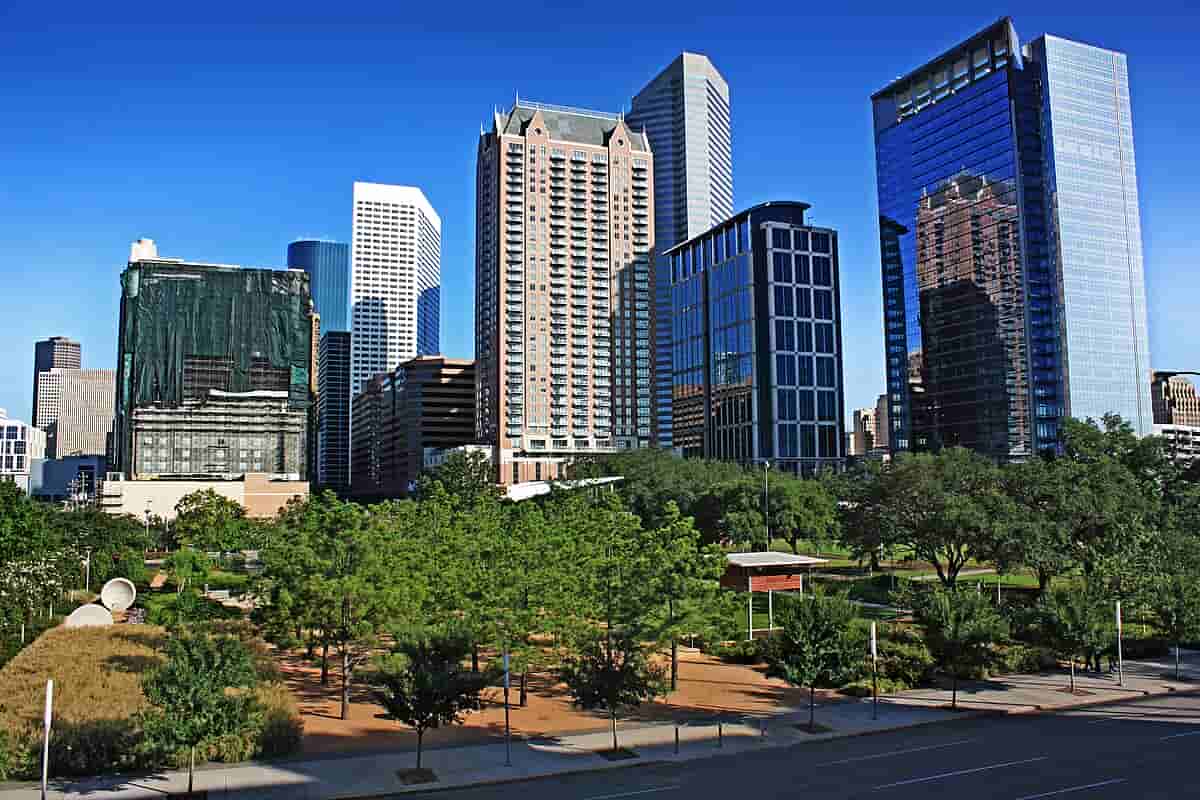
Discovery Green
This vibrant urban park features playgrounds, sports fields, gardens, and year-round events and festivals.
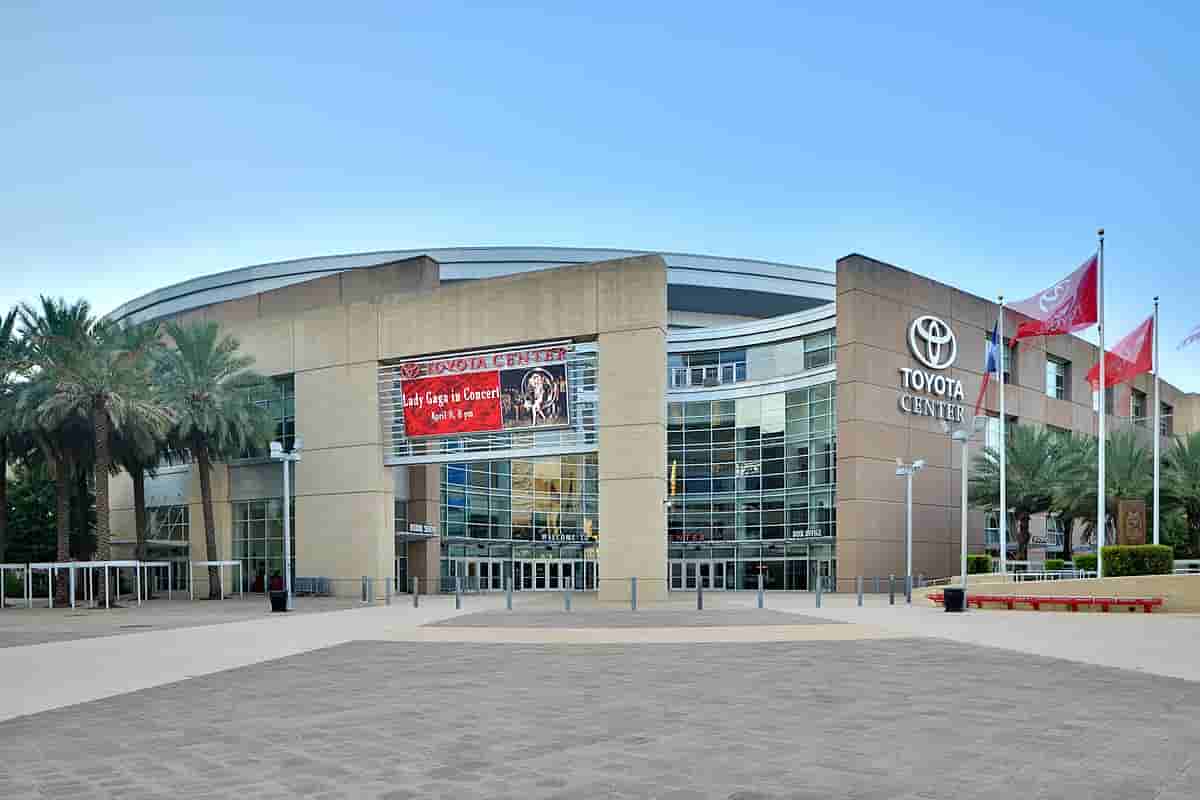
Toyota Center
The premier arena in Houston, home to the Rockets and host to major concerts and entertainment events.
Houston Aquarium
Aquarium and restaurant complex with marine exhibits and a Ferris wheel.
Houston Theater District
Concentration of performing arts venues and cultural institutions
George R. Brown Convention Center
One of the largest convention centers in the U.S., hosting a constant stream of expos and conferences.
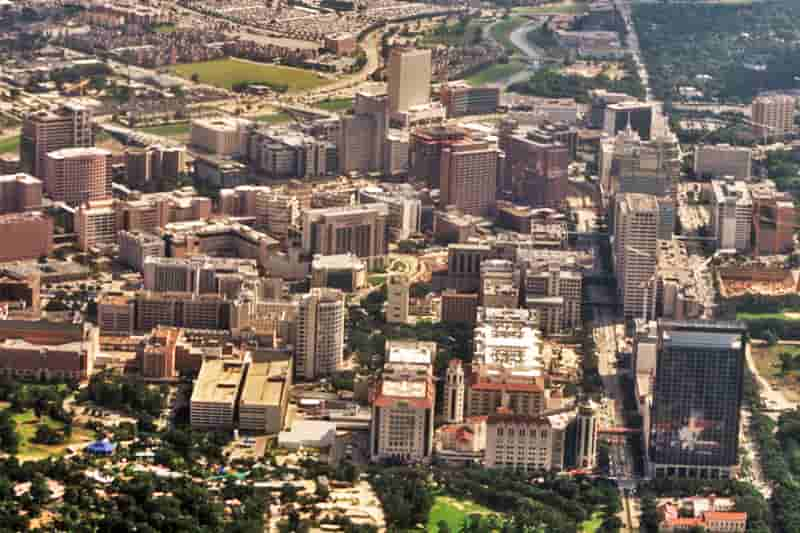
Texas Medical Center
Largest medical complex in the world, home to renowned hospitals, research institutions, and healthcare providers.
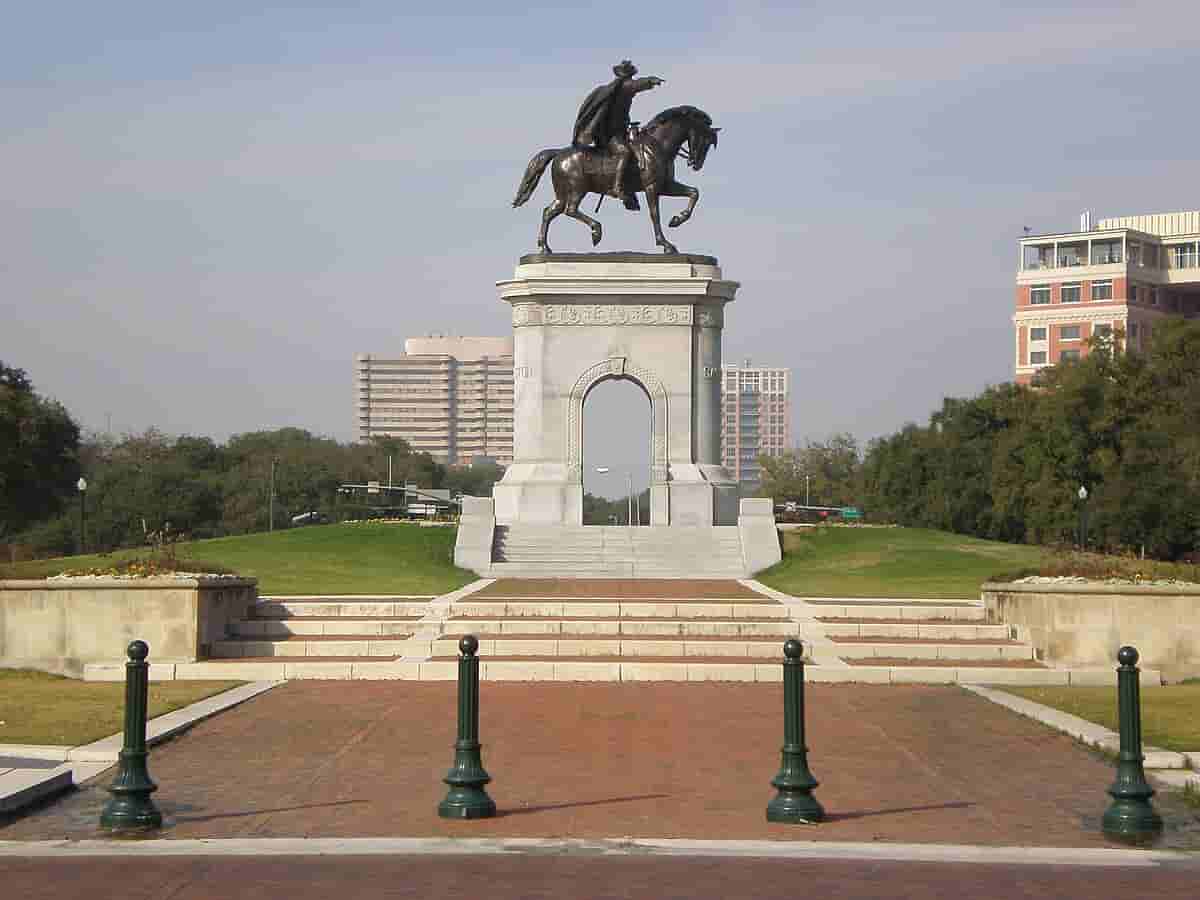
Hermann Park
A beautiful, expansive park offering gardens, walking trails, and outdoor activities, perfect for a relaxing day out.
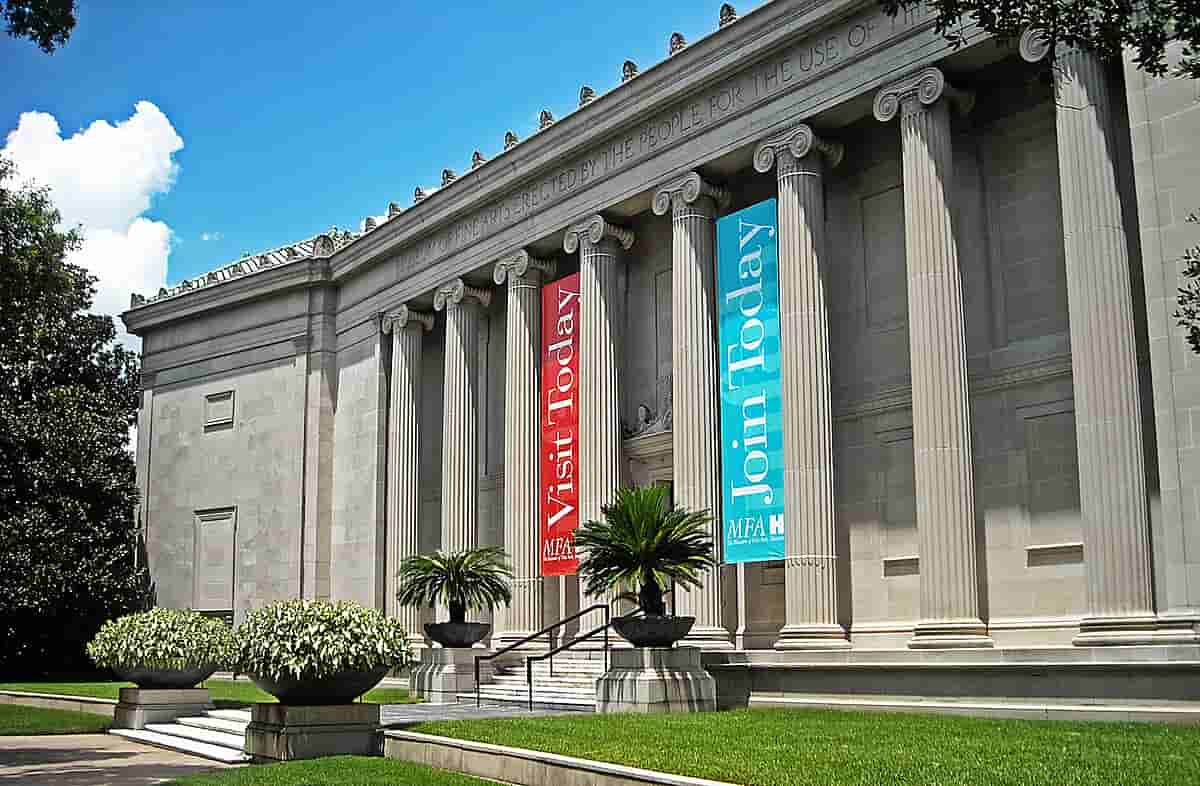
Museum of Fine Arts, Houston
Renowned art museum with an extensive collection of paintings, sculptures, and exhibitions
Kingwood Town Center
Shopping and dining hub with various stores and restaurants.
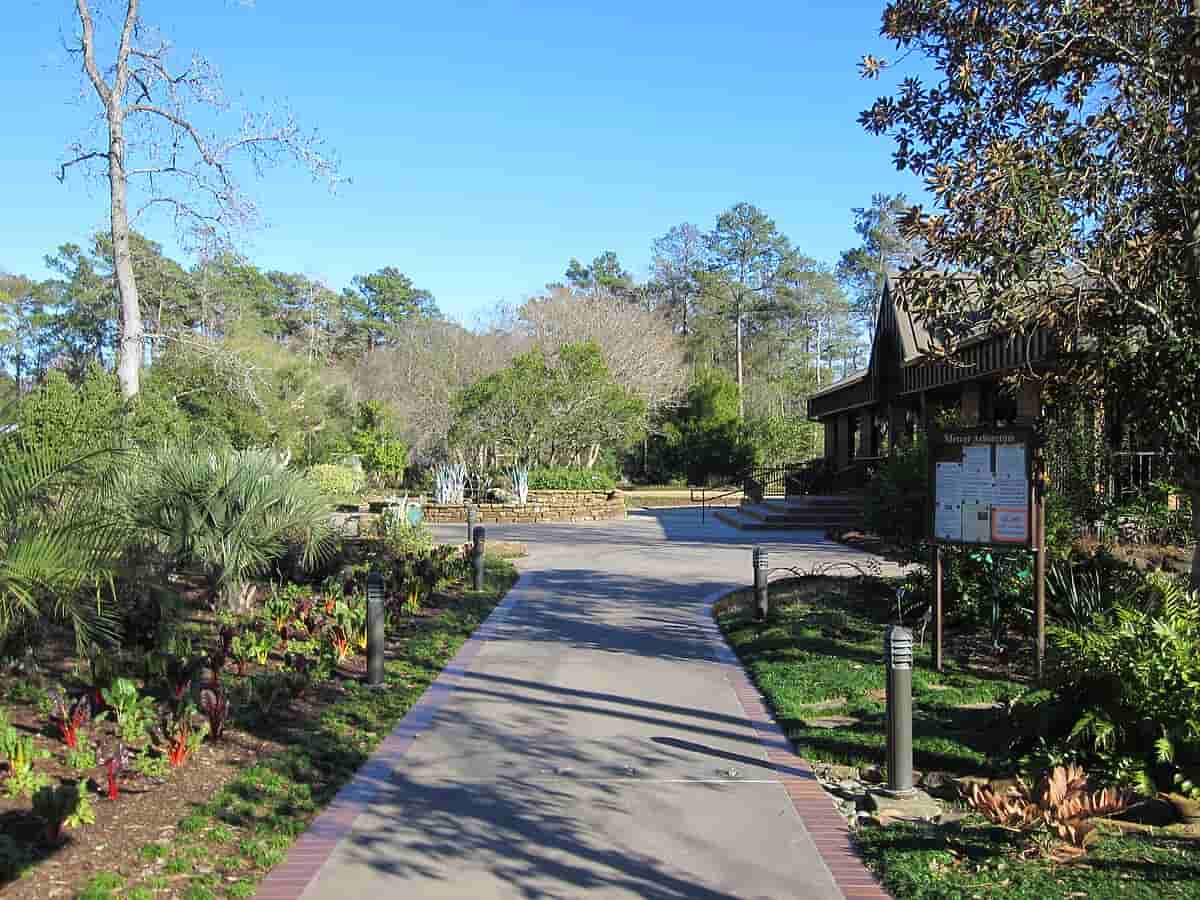
Mercer Botanic Gardens
Stroll through these beautiful gardens showcasing a variety of plant life native to the area.
George Bush Intercontinental Airport
Major international airport serving the Houston metropolitan area, providing easy access for travelers.
Houston Heights
Historic neighborhood with Victorian homes and local shops
🏘️ Neighborhoods
Downtown
The business and cultural heart, home to the Theater District, Discovery Green park, sports arenas, and a network of underground tunnels with shops and eateries. Skyscrapers dominate the skyline.
Montrose
A historic, bohemian district known for its vibrant LGBTQ+ community, eclectic dining, indie art galleries, and charming bungalows. The Menil Collection is located here.
The Heights
A formerly independent city with a historic main street (19th Street) lined with antique shops, boutiques, and cafes. Features beautiful Victorian and Craftsman-style homes.
Museum District
A walkable, park-like area surrounding Hermann Park, containing 19 museums including the Museum of Fine Arts and the Houston Museum of Natural Science. Residential and serene.
Midtown
A trendy, revitalized area popular with young professionals and students. Known for its dense concentration of bars, restaurants, and modern apartment complexes. Lively nightlife.
Galleria/Uptown
Centered around the massive Galleria mall, this is Houston's upscale shopping and business district. Features luxury hotels, high-end dining, and corporate offices.
EaDo (East Downtown)
An emerging, industrial-chic neighborhood with a growing number of breweries, hip restaurants, street art, and close proximity to the baseball stadium (Minute Maid Park).
🍽️ Local Cuisine
Houston's dining scene is a reflection of its diversity, with no single 'signature dish' but rather a world of flavors. Texas barbecue is a must-try, with brisket, ribs, and sausage served in no-frills joints. Tex-Mex is a local religion, featuring fajitas (said to be invented here), enchiladas, and queso. Given Houston's proximity to the Gulf, fresh seafood, especially Gulf shrimp and oysters, is prominent. The city is also a national leader for Vietnamese cuisine, with phenomenal pho and banh mi found in sprawling restaurants. Dining culture is casual and generous, with large portions being the norm. Popular food areas include Chinatown in southwest Houston for Asian fare, the Heights for trendy cafes and gastropubs, and Montrose for eclectic dining. Price ranges vary from cheap taco trucks and cafeteria-style BBQ to high-end steakhouses and fusion restaurants. Etiquette is relaxed; tipping 15-20% is standard, and reservations are recommended for upscale spots.
💡 Local Tips
🚗 Day Trip Ideas
Galveston Island
A historic beach town on the Gulf of Mexico with a charming Strand District, Moody Gardens, Pleasure Pier, and seawall. Offers a classic seaside escape.
Space Center Houston
The official visitor center of NASA's Johnson Space Center. See historic spacecraft, train like an astronaut, and tour Mission Control. A must for science buffs.
Brenham & Washington-on-the-Brazos
Visit the Blue Bell Creameries factory tour in Brenham and the historic site where Texas declared independence at Washington-on-the-Brazos State Park.
Sam Houston National Forest
A vast area of piney woods offering hiking, camping, fishing, and boating on Lake Conroe. A great escape into nature for outdoor enthusiasts.
Kemah Boardwalk
A lively waterfront amusement park and dining complex on Galveston Bay. Features rides, games, seafood restaurants, and weekend fireworks.
Anahuac National Wildlife Refuge
A premier birdwatching destination on the Texas Gulf Coast, especially during spring and fall migrations. Offers driving trails and wildlife viewing.
🛡️ Safety Tips
Houston is generally safe for tourists, especially in major tourist and commercial districts. As with any large city, practice standard urban safety: be aware of your surroundings, especially at night; don't leave valuables visible in parked cars; and use well-lit, populated areas. Be cautious of potential flooding during heavy rains—never drive into high water. Common scams are rare but can include aggressive panhandling or ticket scams for events; purchase tickets only from official vendors. While most areas are fine, it's wise to research specific neighborhoods before visiting. For emergencies, dial 911. Health-wise, the summer heat and humidity are the primary concerns—stay hydrated and take breaks in air conditioning. Mosquito repellent is advisable year-round. Tap water is safe to drink.
💰 Budget Guide
Houston can be experienced across a wide budget spectrum. A budget traveler can manage on $70-100 per day by staying in hostels or budget motels ($60-80/night), eating from food trucks and inexpensive ethnic eateries ($15-25/day), using public transit ($3-6/day), and enjoying free attractions like parks, museum district free days, and window-shopping. Mid-range travelers should budget $150-250 daily for a comfortable hotel ($100-150/night), sit-down meals at casual restaurants ($40-60/day), occasional ride-shares, and paid attractions like museums or the Space Center ($20-40/activity). A luxury day ($350+) includes upscale hotels ($200+/night), fine dining, private tours, and premium event tickets. Money-saving tips: visit museums on their free admission days (often Thursdays), utilize the METRO rail for key corridors, explore the extensive park system, and take advantage of happy hour specials at restaurants and bars.