Welcome to Dallas (TX)
Dallas, Texas, is a city of bold ambition and sprawling energy, a place where the myth of the American West collides with a gleaming, modern metropolis. More than just the backdrop for a famous television show or the home of the Cowboys, Dallas is a dynamic cultural and economic powerhouse in the heart of North Texas. Its skyline, a forest of glass and steel, tells a story of relentless growth, while its diverse neighborhoods offer everything from world-class art to down-home barbecue. The city's scale is part of its character, offering a vast urban playground to explore. With a remarkable 715 hotels to choose from, ranging from historic downtown properties to sleek suburban resorts, finding a base for your adventure is effortless, with an average nightly rate that makes a multi-day stay surprisingly accessible. Whether you're here for the arts, the sports, the food, or the sheer Texas-sized experience, Dallas delivers with a confident swagger all its own.
Overview
Dallas's history is a tapestry woven from cattle, cotton, oil, and technology. Founded as a trading post in 1841, its fortunes were cemented by the arrival of the railroads, transforming it into a commercial hub. The 20th century saw booms in oil and banking, forging the city's global financial identity, while the tragic events of 1963 at Dealey Plaza indelibly linked it to a pivotal national moment. Today, Dallas is famous for its vibrant arts scene, anchored by the 68-acre Dallas Arts District—the largest in the nation—and its unparalleled shopping, from the luxury of Highland Park Village to the massive Galleria. Culturally, it's a blend of sophisticated urbanity and classic Texan pride, where you can attend a world-class opera and then cheer for the Dallas Cowboys at The Star District in Frisco. The city is a collection of distinct districts: Uptown for trendy dining and nightlife, Deep Ellum for live music and gritty art, the Bishop Arts District for boutique charm, and Downtown for business and revitalized urban parks like Klyde Warren, which literally bridges the gap between culture and community.
🗓️ Best Time to Visit
The best times to visit Dallas are during the pleasant shoulder seasons of spring (March to May) and fall (September to November). Spring brings mild temperatures, blooming wildflowers, and major events like the Dallas Blooms festival at the Arboretum and the State Fair of Texas, which runs late September through October. Fall offers similarly comfortable weather and vibrant foliage. Summer (June to August) is peak tourist season for family travel, but be prepared for intense heat and humidity, with temperatures frequently soaring above 100°F; indoor attractions and hotel pools become essential retreats. Winter (December to February) is the off-peak season, with fewer crowds and lower hotel rates. While generally mild, it can experience unpredictable cold snaps. Major winter events include holiday displays at the Galleria and the Dallas Marathon. For ideal weather and event variety, target April-May or October.
🌤️ Weather & Climate
Dallas has a humid subtropical climate characterized by hot, humid summers and generally mild to cool winters. Precipitation is spread throughout the year, with spring being the wettest and stormiest season.
Seasons
Spring
💨 Humidity: moderate
Pleasant and warm, but the rainiest season with potential for severe thunderstorms and tornadoes. Wildflowers bloom beautifully.
Summer
💨 Humidity: high
Very hot and humid, with intense sunshine. Heat advisories are common. Air conditioning is essential.
Fall
💨 Humidity: moderate
A welcome relief from summer. Warm days and cool nights, with decreasing rain. Ideal outdoor weather.
Winter
💨 Humidity: low
Generally mild but variable. Can be sunny and 70°F or experience sudden cold fronts with ice. Snow is rare but possible.
Monthly Weather Details
January Weather
Best for: indoor activities, museum visits
February Weather
Best for: sightseeing, urban exploration
March Weather
Best for: botanical gardens, outdoor festivals
April Weather
Best for: park visits, zoo trips
May Weather
Best for: patio dining, arboretum
June Weather
Best for: indoor attractions, pool time
July Weather
Best for: air-conditioned malls, early morning outings
August Weather
Best for: water parks, evening events
September Weather
Best for: State Fair, outdoor sports
October Weather
Best for: festivals, hiking
November Weather
Best for: sightseeing, shopping
December Weather
Best for: holiday markets, theater
🎒 What to Pack
All Year Round
- sunglasses
- comfortable walking shoes
- layered clothing
🚗 Getting Around
Navigating Dallas requires planning, as it is a car-centric city built on a grand scale. The DART (Dallas Area Rapid Transit) light rail and bus network serves downtown, nearby neighborhoods, and suburbs, connecting key areas like Deep Ellum, Uptown, and the Arts District. A day pass costs around $6. For direct point-to-point travel, ride-sharing services (Uber, Lyft) and taxis are ubiquitous and recommended. While downtown, Uptown, and the Bishop Arts District are somewhat walkable and bikeable (with Lime and Veo scooters/bikes available), most exploration will involve wheels. Renting a car offers maximum flexibility, especially for visiting attractions in Frisco (The Star) or Fort Worth. From Dallas/Fort Worth International Airport (DFW), the Orange Line DART train provides a budget-friendly transfer to downtown ($3-$6), while ride-shares, taxis, and shuttle services offer more direct but costly alternatives. Expect to budget for transportation; walking everywhere is not a feasible strategy here.
🎯 Top Attractions
Dallas Arts District
Immerse yourself in the vibrant arts and culture scene, with world-class museums, performance venues, and galleries.
Perot Museum of Nature and Science
Explore the wonders of science and technology through interactive exhibits and displays at this state-of-the-art museum.
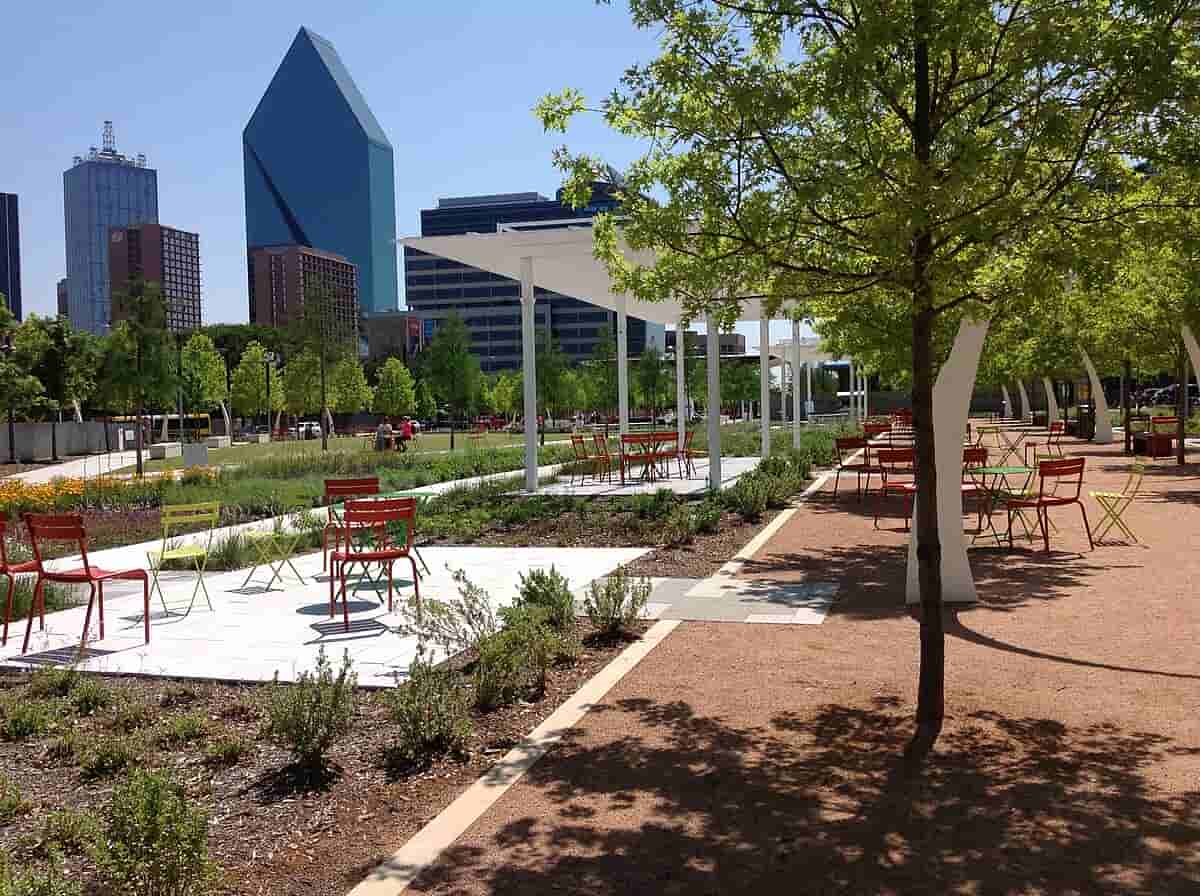
Klyde Warren Park
An urban park offering green spaces, food trucks, a children’s park, and regular cultural events, perfect for a family day out.
The Star District
Entertainment and dining district featuring shops, restaurants, and a movie theater.
Toyota Stadium
Experience the thrill of professional soccer matches and other events at this modern sports venue.
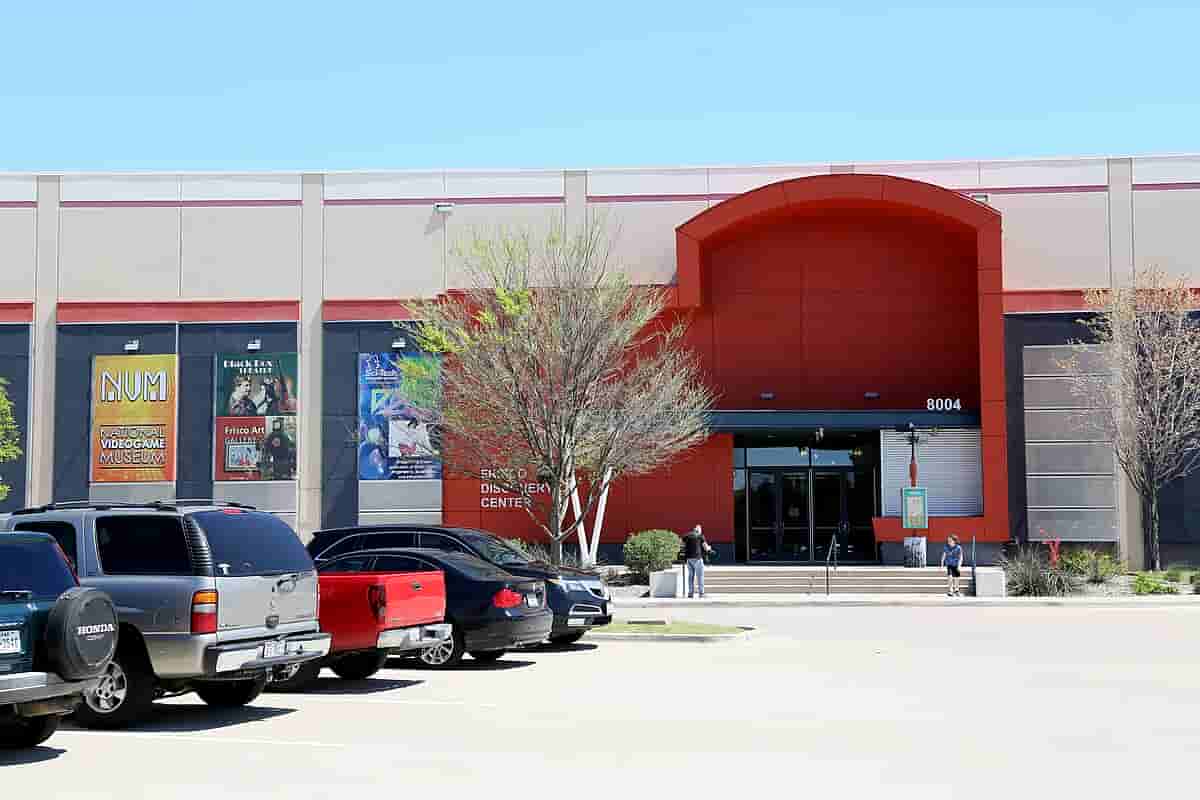
National VideoGame Museum
Interactive museum dedicated to video game history with playable exhibits.
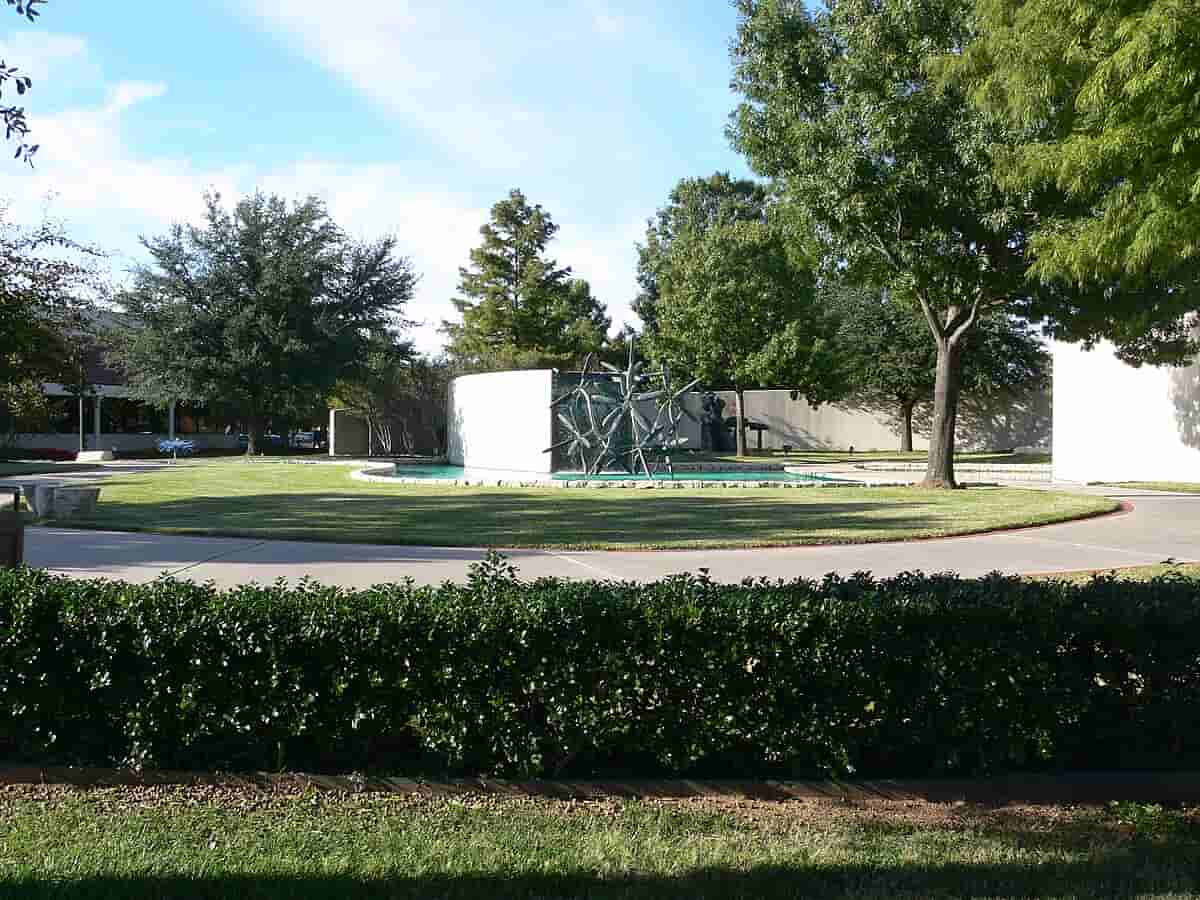
Irving Arts Center
A cultural venue offering art exhibitions, performances, and workshops.
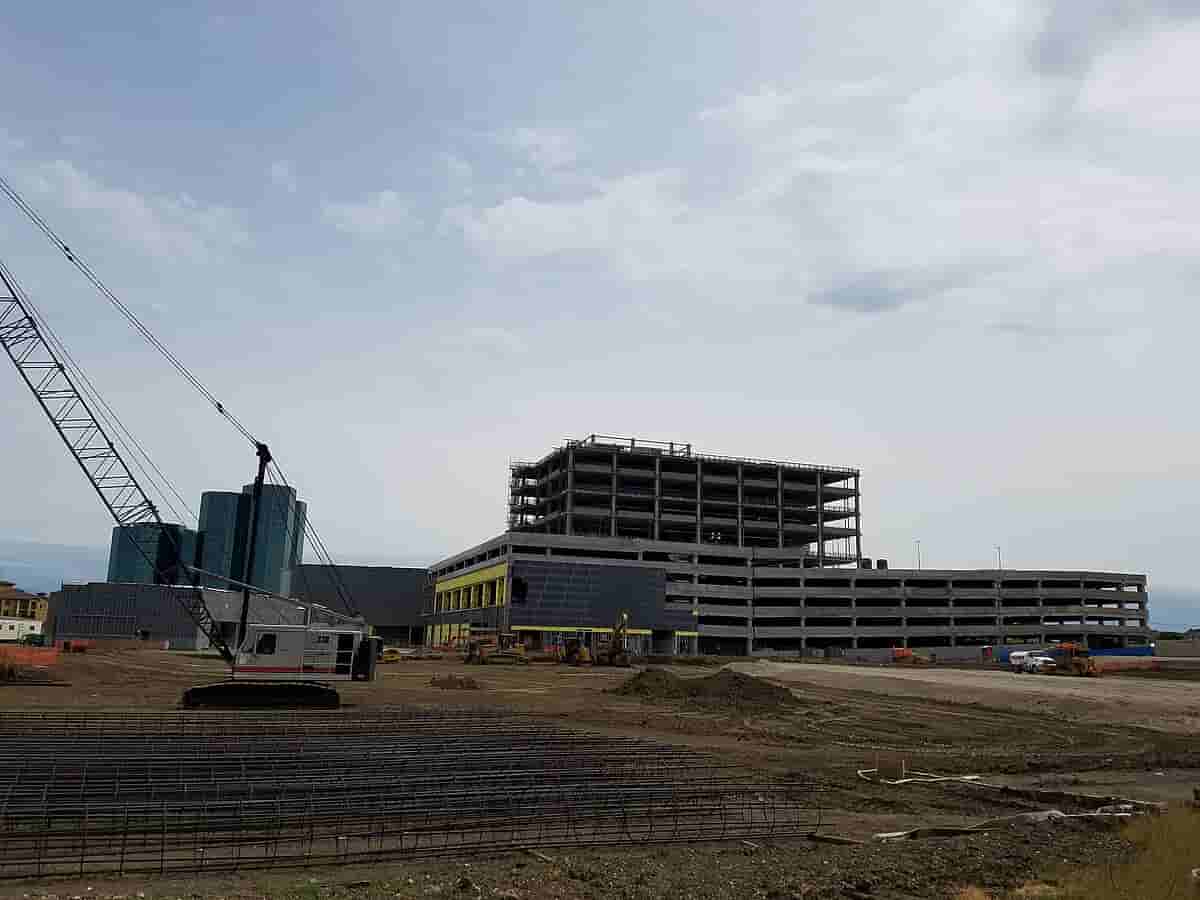
Toyota Music Factory
A vibrant entertainment complex featuring live music, dining, and nightlife options.
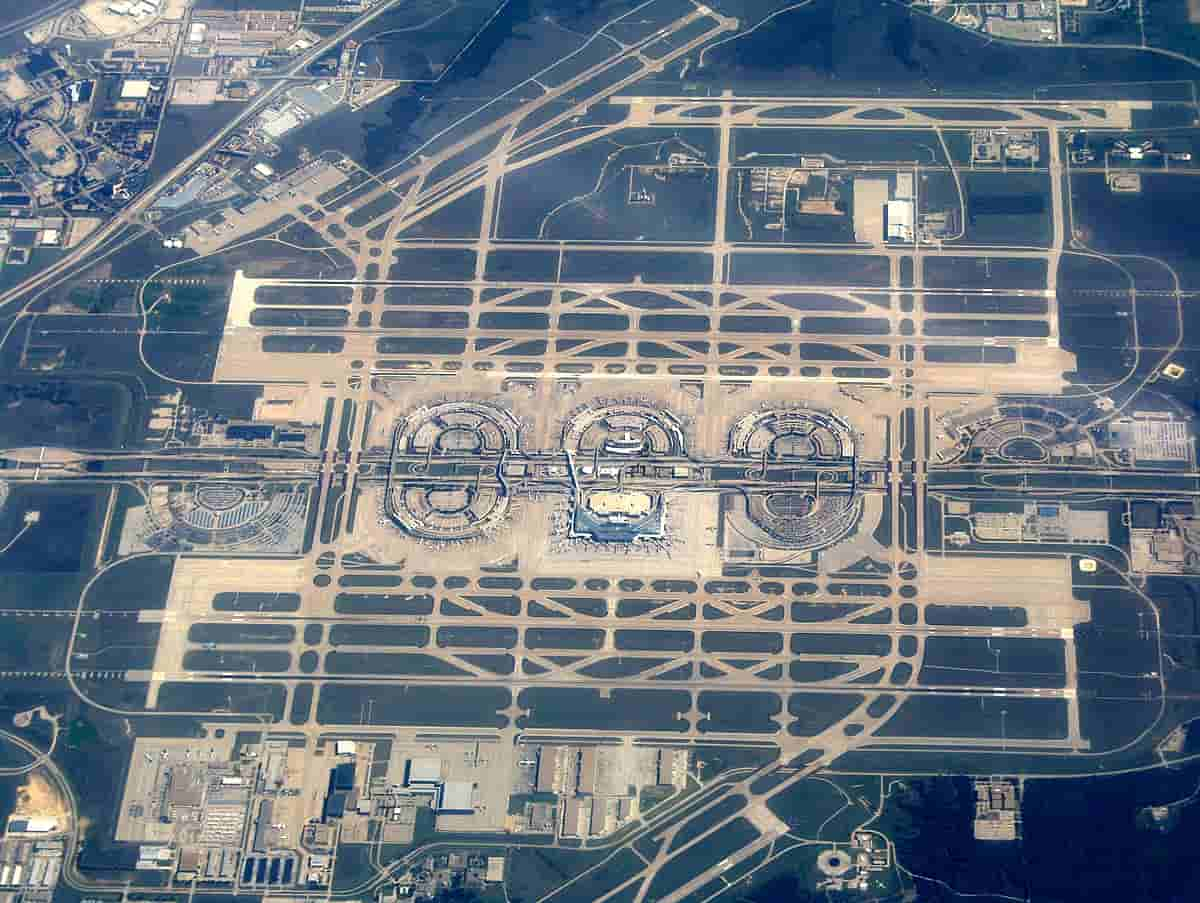
Dallas Fort Worth International Airport
One of the busiest airports in the world with extensive facilities.
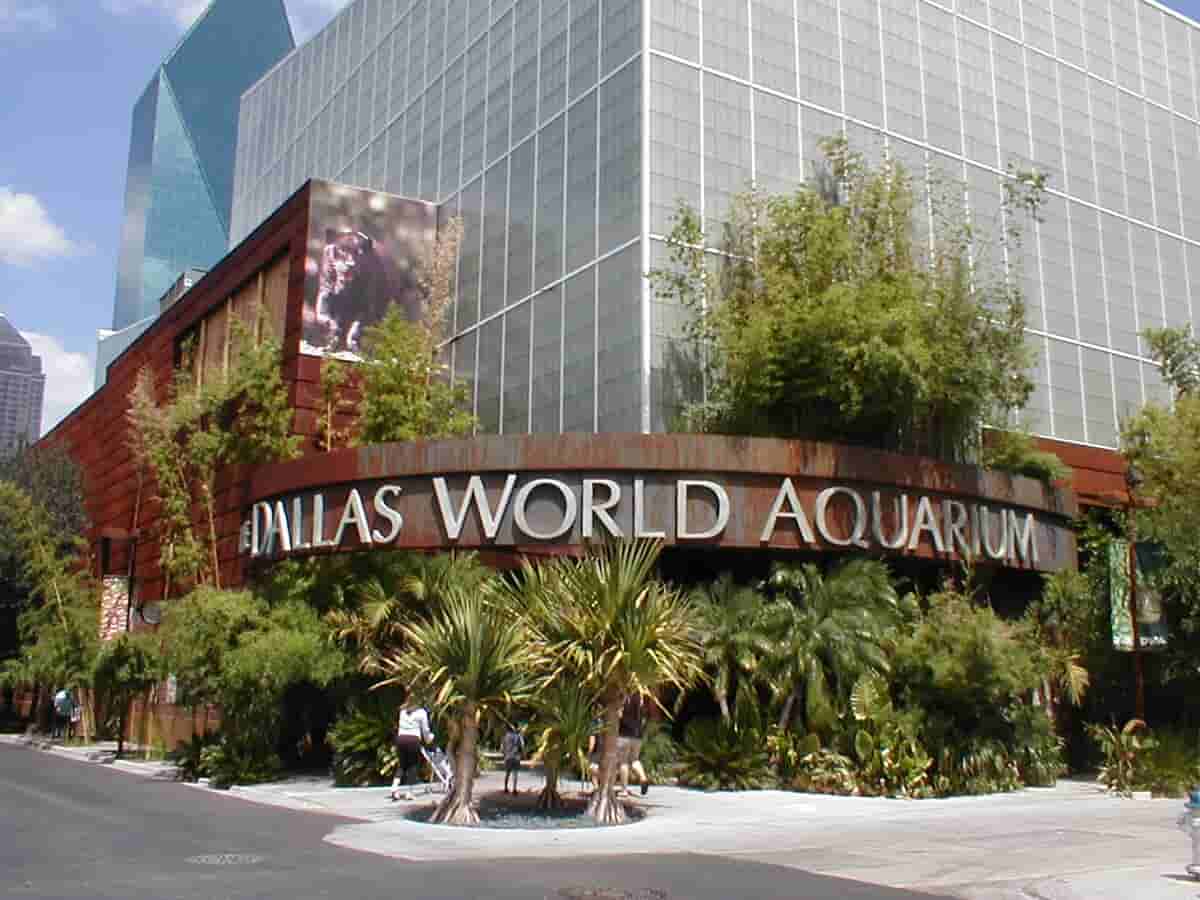
Dallas World Aquarium
Immersive aquarium featuring diverse marine life, interactive exhibits, and a lush, tropical indoor rainforest.
Galatyn Park Urban Center
Mixed-use development with parks, dining, and entertainment options.
Eisemann Center for Performing Arts
Vibrant cultural hub hosting a variety of live performances, concerts, and events.
🏘️ Neighborhoods
Downtown
The city's commercial heart, now revitalized with arts institutions, Klyde Warren Park, and a growing residential base. Home to the Arts District and historic West End.
Uptown
A trendy, walkable district north of downtown known for its high-rise apartments, chic restaurants, lively bars, and the McKinney Avenue trolley.
Deep Ellum
The historic birthplace of Dallas jazz and blues, now a gritty, creative hub packed with live music venues, street art, tattoo parlors, and eclectic eateries.
Bishop Arts District
A charming, walkable village-like neighborhood in Oak Cliff, filled with independent boutiques, art galleries, chef-driven restaurants, and coffee shops in renovated buildings.
Design District
A former industrial area transformed into a chic zone for high-end furniture showrooms, contemporary art galleries, and upscale restaurants and bars.
Knox/Henderson
A bustling corridor straddling Knox Street and Henderson Avenue, offering a mix of upscale shopping, popular restaurants, and a vibrant bar scene.
Trinity Groves
A dining and entertainment destination near the Margaret Hunt Hill Bridge, featuring a collection of restaurant startups, breweries, and great skyline views.
Victory Park
A modern, master-planned district near the American Airlines Center. Features luxury apartments, hotels, upscale retail, and dining, with a focus on sports and events.
🍽️ Local Cuisine
Dallas cuisine is a delicious reflection of Texas itself: big, bold, and meat-centric. The undisputed king is barbecue, specifically slow-smoked brisket with a peppery bark, best enjoyed at legendary spots like Pecan Lodge. Tex-Mex is another pillar, far beyond generic chain fare, featuring sizzling fajitas, cheesy enchiladas, and frosty margaritas. For a true local delicacy, seek out a Frito Pie, often served at sporting events. Upscale dining thrives in Dallas, with renowned steakhouses serving prime beef. Food halls like the AT&T Discovery District and the Truck Yard offer diverse, casual options. Popular dining areas include Deep Ellum for eclectic eats, Trinity Groves for restaurant incubators, and Knox/Henderson for a mix of trendy and established spots. Price ranges vary widely: from a $3 street taco to a $70 steak. Etiquette is generally casual, but tipping 18-20% is standard. Don't be shy about asking for recommendations; locals are proud of their food scene.
💡 Local Tips
🚗 Day Trip Ideas
Fort Worth
Experience the authentic 'Cowtown' with its historic Stockyards, daily cattle drives, world-class museums in the Cultural District, and a charming Sundance Square.
Grapevine
A charming historic town on the shores of Grapevine Lake, known for its Main Street shops, wineries, the massive Gaylord Texan resort, and the historic railroad.
Arlington
A major entertainment hub, home to AT&T Stadium (Dallas Cowboys), Globe Life Field (Texas Rangers), Six Flags Over Texas, and Hurricane Harbor water park.
Denton
A vibrant college town with a historic square featuring independent bookstores, live music venues, a great craft beer scene, and the University of North Texas.
Waco
Famous for the Magnolia Market at the Silos (from HGTV's Fixer Upper), the Texas Ranger Hall of Fame, and the Dr Pepper Museum. A perfect stop en route to Austin.
Cedar Hill State Park
Escape to nature for hiking, mountain biking, birdwatching, and boating on Joe Pool Lake, all within the Dallas metro area.
🛡️ Safety Tips
Dallas is generally safe for tourists, especially in major commercial and tourist districts. As with any large city, practice standard urban awareness. Be cautious of pickpocketing in crowded areas like the West End or on public transit. Common scams include aggressive panhandling and fake petitions. It's advisable to be more vigilant at night in less populated areas and to avoid walking alone in poorly lit parts of downtown. Driving safety is crucial; obey traffic laws and be alert. For emergencies, dial 911. Health recommendations include staying extremely hydrated in the summer heat and using sunscreen. Keep valuables out of sight in your car to prevent break-ins. Overall, using common sense and staying in well-trafficked areas will ensure a safe and enjoyable visit.
💰 Budget Guide
Dallas can accommodate most budgets, though it leans toward mid-range and luxury. A budget traveler can manage on $80-$100 per day by staying in budget hotels or hostels ($60-$80), eating from food trucks or casual Tex-Mex ($10-$15 per meal), using DART ($6 daily pass), and enjoying free attractions like Klyde Warren Park or the Dallas Arts District galleries. A mid-range traveler should budget $150-$250 daily, covering a nicer hotel or Airbnb ($120-$180), sit-down meals at popular restaurants ($20-$40 per meal), occasional ride-shares, and paid attractions like the Perot Museum ($20-$25). Luxury spending starts at $350+ per day for upscale hotels ($250+), fine dining, private tours, and premium experiences. Money-saving tips: visit museums on free admission days (often weekly), utilize happy hour specials for food and drinks, purchase a CityPASS for bundled attraction savings, and explore the extensive, free festival scene throughout the year.