Welcome to Hikkaduwa
Hikkaduwa is a vibrant coastal town on Sri Lanka's southwestern shores, nestled in the Galle District. This legendary beach destination has evolved from a sleepy fishing village into a globally recognized hub for surfers, divers, and sun-seekers, all while retaining its laid-back, bohemian charm. The town's name is synonymous with its stunning coral reefs, which form the Hikkaduwa Coral Sanctuary, a protected marine park teeming with colorful fish and sea turtles. Beyond the underwater wonders, Hikkaduwa offers a unique blend of relaxation and adventure, with a lively main strip dotted with cafes, bars, and shops. The town's resilience is palpable, having rebuilt with spirit after the 2004 tsunami, a history commemorated at the poignant Tsunami Honganji Temple. With a range of accommodations to suit every traveler, including over 108 hotels, from simple guesthouses to upscale resorts averaging around $95 per night, Hikkaduwa is an accessible and compelling destination. A recommended stay of 2-3 days allows you to soak in the sun, explore the reefs, and feel the rhythm of this iconic Sri Lankan beach town.
Overview
Hikkaduwa's history is deeply intertwined with the sea. For centuries, it was a quiet fishing village until the 1960s and 70s, when it was discovered by international surfers and hippie travelers, transforming it into Sri Lanka's original surf capital. The town is most famous for its world-class surfing, with consistent breaks suitable for all levels, and its exceptional snorkeling and diving at the Coral Sanctuary. Culturally, it's a fascinating mix of traditional Sinhalese life and a transient, international traveler scene. The main area stretches along the Galle-Colombo road (the A2), which acts as the spine of the town, parallel to the beach. Key districts include Narigama (known for its relaxed vibe and mid-range hotels), the central area around the coral sanctuary (the busiest tourist hub), and Thiranagama further south (quieter and more residential). Hikkaduwa is also a gateway to exploring the rich heritage of the Southern Province, with the UNESCO-listed Galle Fort just a short drive away. The town celebrates local festivals like the Sinhala and Tamil New Year with great enthusiasm, offering visitors a glimpse into Sri Lankan traditions.
🗓️ Best Time to Visit
The best time to visit Hikkaduwa is during the dry season on the southwest coast, which runs from November to April. This period offers the most reliable sunshine, calm seas ideal for snorkeling and diving, and consistent offshore winds for surfing. Peak tourist season is from December to March, coinciding with European winter, so expect higher prices and more crowds. The monsoon season from May to October brings the southwest monsoon, resulting in higher rainfall, stronger winds, and rougher seas, though this is the best time for surfing on the east coast. The shoulder months of November and April can offer a good balance of decent weather and fewer tourists. Major events include the Sinhala and Tamil New Year celebrations in mid-April, a vibrant cultural festival. The off-peak (monsoon) season sees many businesses close, but it can be a time for deep discounts and a very local, tranquil experience, though water activities will be limited.
🌤️ Weather & Climate
Hikkaduwa has a tropical monsoon climate with consistently warm temperatures year-round. It experiences distinct wet and dry seasons influenced by the southwest and northeast monsoons.
Seasons
Dry Season
💨 Humidity: moderate to high
Sunny and hot with low rainfall, ideal for beach activities and water sports. The most popular time to visit.
Southwest Monsoon
💨 Humidity: high
Heavy rainfall, particularly in the afternoons and evenings. Rough seas, but good for surfing. Many businesses may be closed.
Monthly Weather Details
January Weather
Best for: beach, snorkeling, diving
February Weather
Best for: beach, snorkeling, diving
March Weather
Best for: beach, sightseeing
April Weather
Best for: cultural events, sightseeing
May Weather
Best for: surfing (experienced), indoor activities
June Weather
Best for: surfing
July Weather
Best for: surfing
August Weather
Best for: surfing
September Weather
Best for: surfing
October Weather
Best for: surfing, indoor activities
November Weather
Best for: transition month, beginning of beach season
December Weather
Best for: beach, snorkeling, diving
🎒 What to Pack
All Year Round
- lightweight clothing
- swimwear
- sunscreen (high SPF)
- sunglasses
- hat
- insect repellent
- reef-safe sunscreen for snorkeling
☀️ Dry Season
- sun protection
- light cover-up for evenings
🚗 Getting Around
Getting around Hikkaduwa is straightforward. The town is linear and spread along the coastal road. The most common and affordable public transport is the bus, with frequent services running between Galle and Colombo, stopping all along Hikkaduwa's main road. For more flexibility, tuk-tuks (auto-rickshaws) are ubiquitous; always agree on a price before starting your journey. Short rides within town should cost 200-500 LKR. Ride-sharing apps like PickMe operate here and are often cheaper than hailed tuk-tuks. Renting a scooter or bicycle is a popular option for exploring at your own pace; expect to pay around 1000-1500 LKR per day for a scooter. Walking along the beach path is pleasant, but be cautious when crossing or walking on the busy main road. For airport transfers, Bandaranaike International Airport (CMB) is about a 3-hour drive. Pre-booked private taxis are the most convenient (approx. 15,000-20,000 LKR), while you can also take a train to Colombo and transfer, or use the airport bus to Galle and then a tuk-tuk.
🎯 Top Attractions
Hikkaduwa Beach
Golden sandy beach ideal for sunbathing, swimming, and water sports with crystal-clear waters.
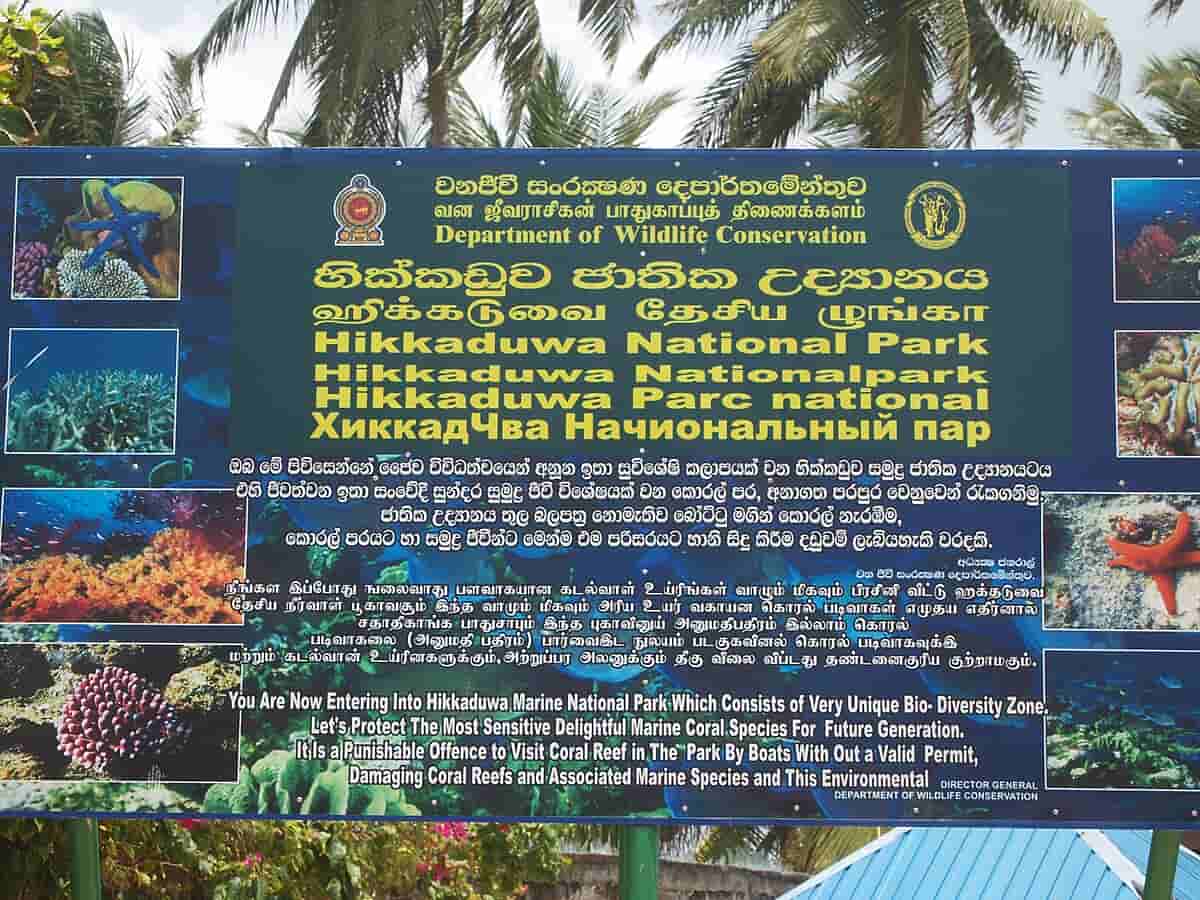
Hikkaduwa National Park
A marine sanctuary with diverse aquatic species and glass-bottom boat tours.
Tsunami Honganji Temple
A temple built in memory of the 2004 tsunami victims, offering peaceful reflections.
Hikkaduwa Coral Sanctuary
A protected marine area ideal for snorkeling and glass-bottom boat tours.
Tsunami Honganji Vihara
Historic memorial temple built after the 2004 tsunami, offering cultural insight and peaceful reflection.
Hikkaduwa Dolphin Show
Fun marine-themed entertainment
Kalugamuwa Temple
Ancient temple with jungle surroundings
Bentota River
Scenic river for boat rides and elephant orphanage visits.
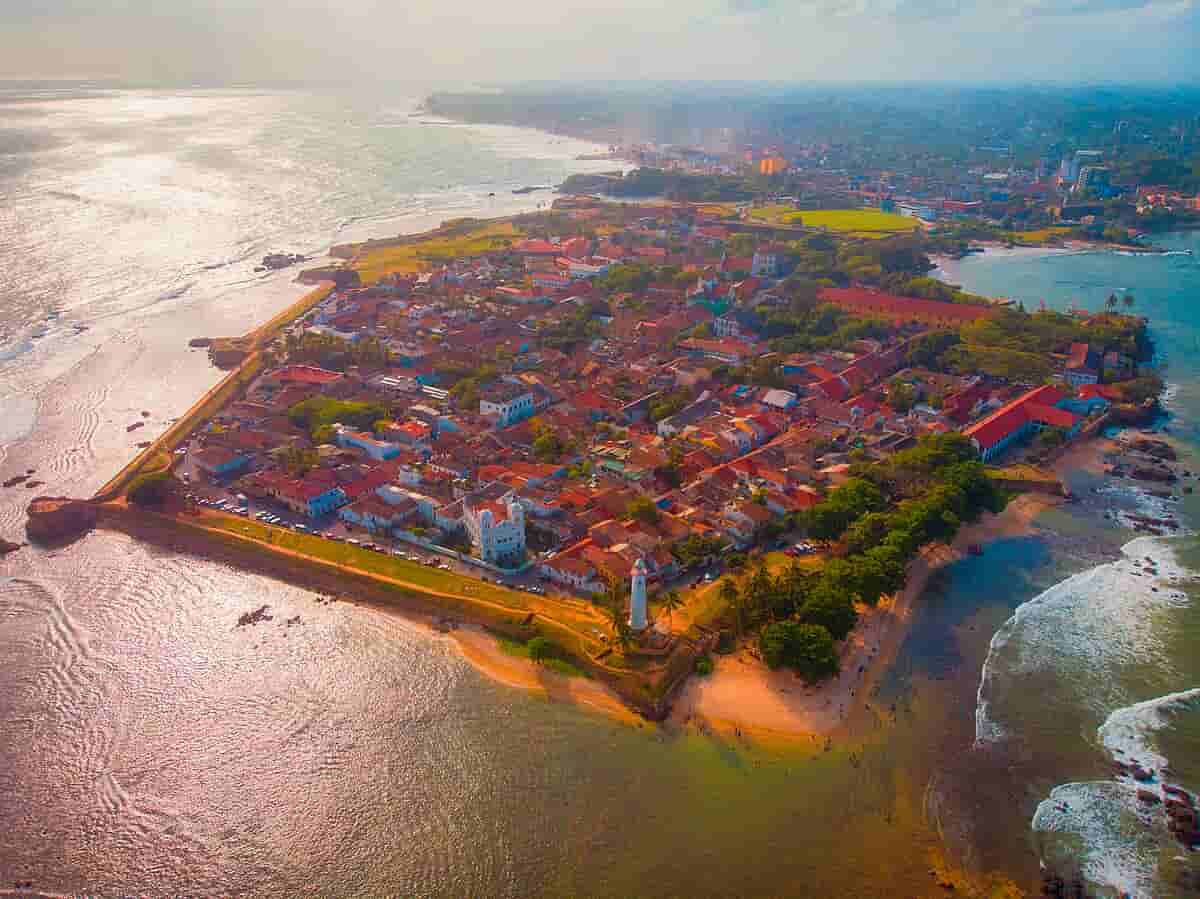
Galle Fort
Colonial-era fort with ramparts and historic streets.
Sinhala and Tamil New Year Celebrations
Annual cultural festival in April.
Tsunami Photo Museum
Memorial museum documenting the 2004 tsunami
Hikkaduwa Beach, distance: 400m, description: Famous diving and surfing spot
🏘️ Neighborhoods
Narigama
A quieter, more relaxed area north of the main coral sanctuary. Known for its wide beach, excellent surfing breaks, and a good selection of mid-range guesthouses and cafes.
Central Hikkaduwa (Coral Sanctuary Area)
The bustling heart of tourist activity. Home to the Hikkaduwa Coral Sanctuary, the main bus stand, and the highest concentration of hotels, restaurants, bars, and dive shops.
Thiranagama
Located south of the center, this area is more residential and spread out. Offers a more local feel, with some upscale resorts and quieter stretches of beach.
Guruwegoda
A primarily local residential area slightly inland from the main road. Offers an authentic glimpse into daily Sri Lankan life and very affordable accommodation and food options.
Wewala
A small area known for its access to the lagoon and more secluded beach spots. A good base for those wanting to be close to nature and away from the main hustle.
Beachfront Strip
Not a formal neighborhood, but the line of properties directly on the sand along the main road. Characterized by beach bars, cafes, and hotels with prime ocean views and direct beach access.
🍽️ Local Cuisine
Hikkaduwa's cuisine is a delicious reflection of Sri Lanka's coastal bounty. Must-try signature dishes include fresh seafood curries—like ambul thiyal (sour fish curry) and prawn curry—served with red rice and sambol. Kottu Roti, a stir-fry of shredded roti, vegetables, and meat, is a beloved street food staple. For breakfast, try hoppers (bowl-shaped pancakes) with egg and sambol. Dining culture ranges from simple local 'hotels' (eateries) and beach shacks to upscale resort restaurants. The main strip and beachfront are lined with places catering to tourists, offering both Sri Lankan and Western fare. For authentic local food, venture slightly inland. A meal at a local joint can cost as little as 300-600 LKR, while a mid-range restaurant meal is 1500-3000 LKR. Etiquette involves eating with your right hand (though cutlery is always provided), and it's customary to share several curry dishes family-style. Don't miss trying fresh king coconut water (thambili) from a roadside vendor.
💡 Local Tips
🚗 Day Trip Ideas
Galle Fort
A UNESCO World Heritage Site with stunning Dutch-colonial architecture, boutique shops, cafes, and a picturesque seaside rampart.
Bentota
Famous for its golden beaches, water sports, and the scenic Bentota River where you can take boat safaris to see mangroves and wildlife.
Ambalangoda
Known as the mask-making capital of Sri Lanka. Visit workshops and the Mask Museum to learn about traditional devil-dancing masks and folklore.
Kosgoda Turtle Hatchery
A conservation project dedicated to protecting sea turtles. See hatchlings and learn about efforts to save these endangered creatures.
Brief Garden (Bevis Bawa's Garden)
The enchanting former estate and garden of Bevis Bawa, brother of the famous architect Geoffrey Bawa. A surreal and artistic landscape.
Madu River Safari
Take a boat tour through the biodiverse Madu River wetlands, visiting small islands, cinnamon plantations, and spotting birds and monitor lizards.
🛡️ Safety Tips
Hikkaduwa is generally safe for tourists, but standard precautions apply. Petty theft like bag-snatching or theft from unlocked rooms/beach bags can occur, so use hotel safes and don't leave valuables unattended. Be cautious of overly friendly strangers offering guided tours or gem deals—common scams involve overcharging or selling fake gems. When swimming, heed red flag warnings on the beach due to strong currents. Tuk-tuk drivers may quote inflated prices; use ride-hailing apps or agree on fares upfront. Avoid walking alone on dark, deserted stretches of beach at night. Emergency numbers: Police (119), Ambulance (110). For health, drink bottled water, use mosquito repellent to prevent dengue, and be mindful of the strong sun. Medical facilities are basic; serious issues require transfer to Colombo. Keep a copy of your passport separately.
💰 Budget Guide
Hikkaduwa can cater to various budgets. A budget traveler can manage on $25-40 USD per day: dorm beds or basic guesthouses ($10-15), local meals and street food ($5-10), buses and tuk-tuks ($3-5), and free activities like beach time. Mid-range travelers should budget $60-120 USD daily: comfortable hotel or guesthouse ($30-70), meals at nice restaurants ($15-25), scooter rental/tuk-tuks ($5-10), and paid activities like snorkeling trips ($15-30). Luxury spending starts at $150+ USD per day: boutique hotels or resorts ($100+), fine dining ($40+), private drivers, and premium tours. Money-saving tips: Travel in the shoulder/off-season for lower accommodation rates, eat at local 'hotels' away from the beachfront, use buses for longer trips (e.g., to Galle), bargain politely at markets and with tuk-tuk drivers (but not in fixed-price shops), and bring your own snorkel gear to avoid rental fees.