Welcome to Hechi
Nestled in the northwestern corner of Guangxi Zhuang Autonomous Region, Hechi is a city of profound natural beauty and cultural richness that remains one of China's best-kept secrets. This is a land where dramatic karst mountains, winding rivers, and lush tea plantations create a landscape straight out of a classical Chinese painting. Hechi serves as a gateway to some of the most pristine and spiritually significant destinations in southern China, including the world-renowned Bama Longevity Village. The city itself is a harmonious blend of modernity and tradition, where you can explore ancient streets in the morning and relax in comfortable accommodations by evening. With 121 hotels offering an average nightly rate of just under $90, Hechi provides accessible comfort for travelers seeking an authentic experience away from the well-trodden tourist circuits. Whether you're drawn by the promise of longevity secrets, the allure of subterranean cave systems like Baimo Cave, or the serene beauty of Cifu Lake, Hechi offers a journey into the heart of Guangxi's soul.
Overview
Hechi is a prefecture-level city in Guangxi, historically significant as part of the ancient Lingnan region and home to diverse ethnic groups, including the Zhuang, Yao, Miao, and Han peoples. Its history is intertwined with the development of the Southern Silk Road and the cultural exchanges between central China and Southeast Asia. The city is administratively centered in Jinchengjiang District but encompasses vast rural and scenic areas. Hechi is globally famous for the Bama Yao Autonomous County, often called the 'Longevity Village,' where an extraordinarily high number of centenarians live, attracting researchers and wellness seekers worldwide. Beyond longevity, Hechi is renowned for its high-quality tea plantations, producing famous varieties like 'Baimao Tea' and 'Luobao Tea.' The city's landscape is defined by the stunning karst topography of the Yunnan-Guizhou Plateau, featuring countless caves, underground rivers, and natural bridges. Culturally, it's a vibrant tapestry of ethnic festivals, traditional Zhuang songfests, and Yao embroidery, offering a deep dive into the intangible cultural heritage of southwestern China.
🗓️ Best Time to Visit
The best time to visit Hechi is during the spring (March to May) and autumn (September to November) seasons. Spring brings mild temperatures, blooming flowers across the tea plantations, and comfortable humidity, making it perfect for outdoor exploration and hiking. Autumn offers clear, sunny skies, pleasant warmth, and the harvest season in the countryside, with vibrant local festivals. Summer (June to August) is hot, humid, and the rainy season, with frequent afternoon showers. While the greenery is lush and river levels are high, the heat and humidity can be intense for extensive sightseeing. This period is considered the off-peak season for general tourism. Winter (December to February) is mild but can be damp and chilly, especially in the evenings. It's the low season, offering fewer crowds and lower prices. Major events include the Sanyuesan Festival (third day of the third lunar month, usually in April) featuring grand Zhuang ethnic song fairs, and various tea culture festivals in the spring. The Bama Longevity Culture Festival in autumn is also a significant draw.
🌤️ Weather & Climate
Hechi has a humid subtropical monsoon climate characterized by distinct seasons, with hot, rainy summers and mild, relatively dry winters. The terrain, with its mountains and valleys, creates microclimates, often cooler at higher elevations.
Seasons
Spring
💨 Humidity: moderate
Pleasant and mild with increasing warmth. Occasional showers. Ideal for outdoor activities and seeing the tea plantations in bloom.
Summer
💨 Humidity: high
Hot, humid, and the rainy season. Frequent afternoon thunderstorms. Lush greenery but can be uncomfortable for strenuous hiking.
Autumn
💨 Humidity: moderate
The most comfortable season. Clear skies, sunny days, and low rainfall. Perfect for all sightseeing and cultural festivals.
Winter
💨 Humidity: moderate
Mild and dry but can feel chilly, especially in the evenings and in mountainous areas. Rarely sees frost or snow.
Monthly Weather Details
January Weather
Best for: cultural sites, museums
February Weather
Best for: early spring festivals, temple visits
March Weather
Best for: hiking, tea plantation visits
April Weather
Best for: outdoor exploration, ethnic festivals
May Weather
Best for: river activities, cave exploring
June Weather
Best for: indoor attractions, rainy day activities
July Weather
Best for: early morning outings, visiting longevity villages
August Weather
Best for: relaxing by lakes, evening markets
September Weather
Best for: ideal for all activities, photography
October Weather
Best for: hiking, festival travel, countryside tours
November Weather
Best for: cultural exploration, tea tasting
December Weather
Best for: budget travel, museum visits
🎒 What to Pack
All Year Round
- comfortable walking shoes
- rain jacket or compact umbrella
- power adapter
- personal medication
- sun hat
🚗 Getting Around
Getting around Hechi and its surrounding counties requires a mix of transportation modes. Within the city center (Jinchengjiang), taxis and ride-hailing services (like Didi) are readily available and affordable, with short trips costing around 10-20 RMB. Public buses serve the urban area, with flat fares typically under 2 RMB, but routes and schedules may be challenging for non-Mandarin speakers. For exploring the wider prefecture and major attractions like Bama or the Sankeshu Scenic Area, hiring a private car with a driver for the day is highly recommended. This offers flexibility and comfort for navigating mountainous roads; expect to pay 400-800 RMB per day depending on distance and vehicle. Inter-city buses connect Hechi to nearby towns and attractions from the main long-distance bus station. There is no commercial airport in Hechi; the nearest major airport is in Liuzhou (about 2 hours by road). Transfers can be arranged via pre-booked car service or long-distance bus. Walking is pleasant in compact areas like Yizhou Old Street, but biking is less common due to hilly terrain. Always agree on taxi fares for longer trips outside the city center before departure.
🎯 Top Attractions
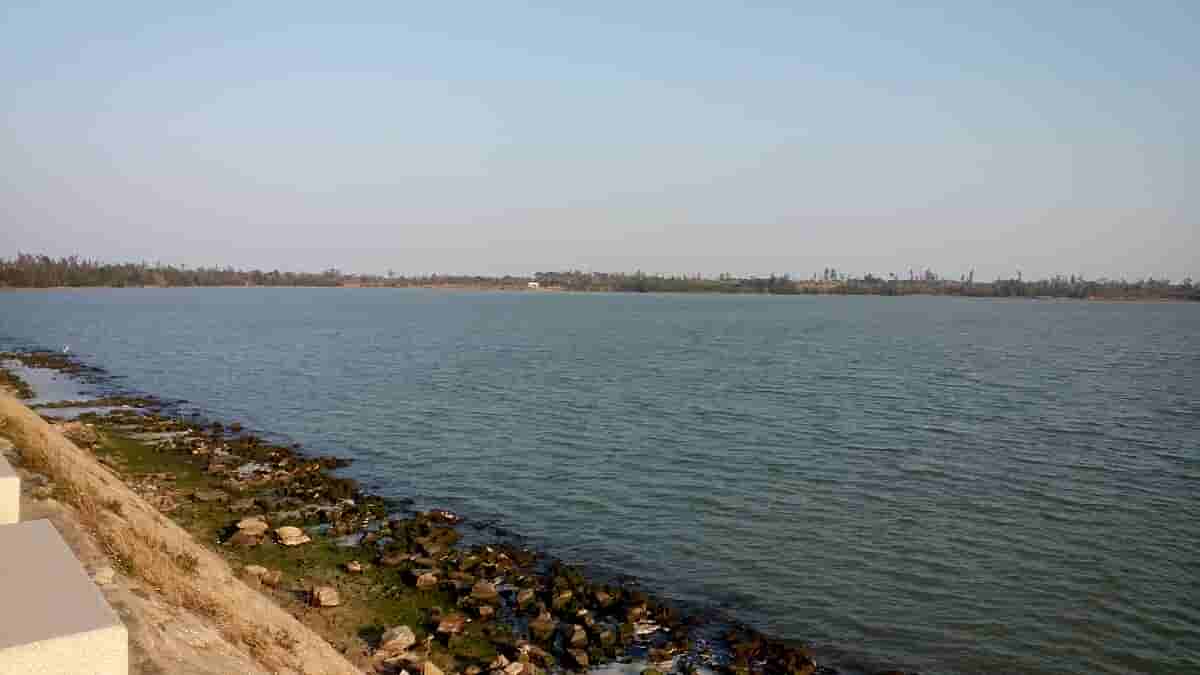
Cifu Lake
Serene freshwater lake surrounded by karst mountains
Baimo Cave
Large limestone cave system with impressive stalactite formations
Hechi Tea Plantations
Vast tea fields offering tours and tasting experiences
Sankeshu Scenic Area
A scenic area with ancient trees, temples, and walking paths.
Hechi Museum
A museum dedicated to the local history and ethnic culture of the Hechi area.
Yizhou Old Street
Historic street with traditional architecture and shops.
Bama Longevity Village
A famous area known for the longevity of its residents and pristine natural environment.
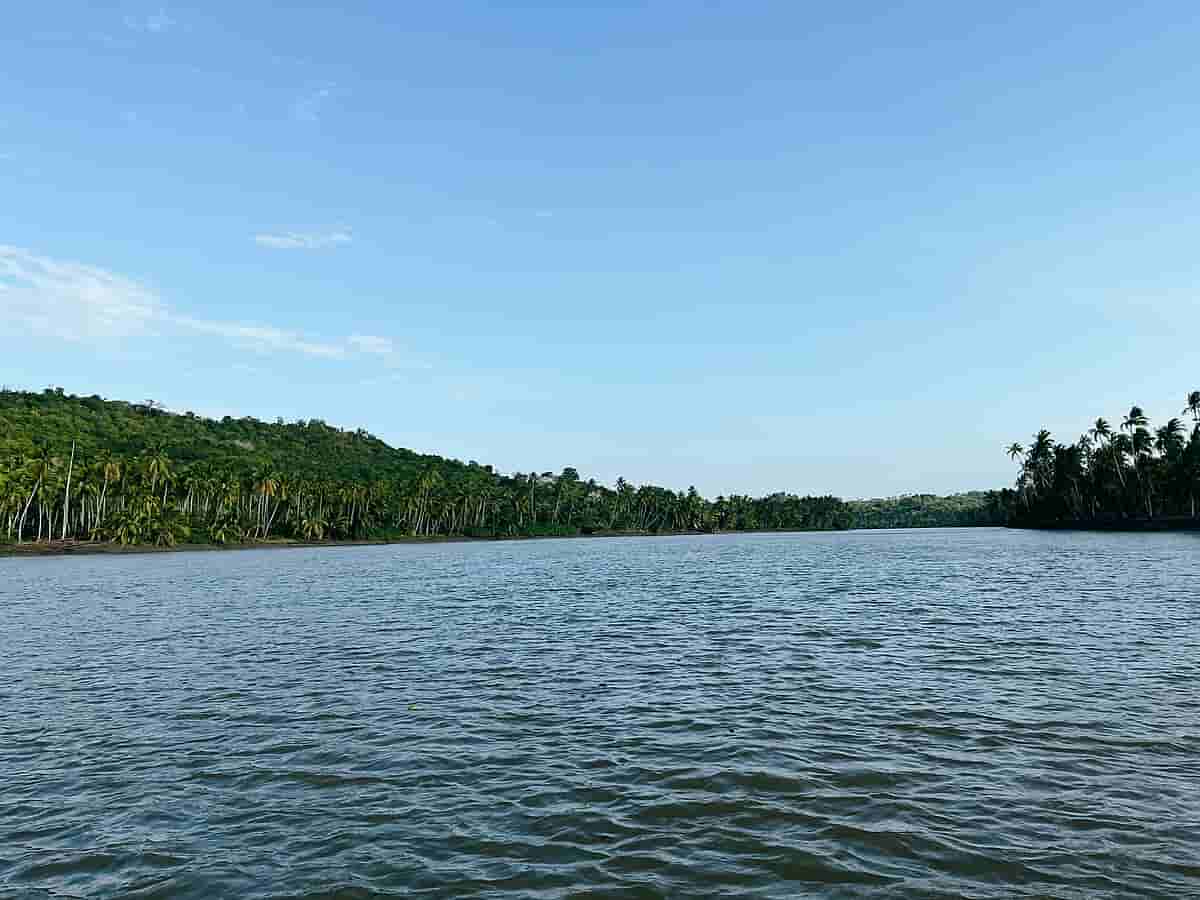
Panyang River
A beautiful river known for its scenic cruises and surrounding karst landscape.
Bama Center Cultural Plaza
A cultural and commercial plaza at the heart of Bama, hosting events and shops.
Baimang Cave
A spectacular karst cave system with impressive stalactites and stalagmites.
Hechi People's Square
Central public square often hosting events and surrounded by shops.
Jinchengjiang Riverside Park
A peaceful park along the river, ideal for walking and relaxation.
🏘️ Neighborhoods
Jinchengjiang District (City Center)
The modern administrative and commercial heart of Hechi. Home to government buildings, main hotels, shopping centers, and transportation hubs like the bus station. More urban feel.
Yizhou Old Street Area
The historical and cultural core, featuring well-preserved ancient architecture, traditional shops, and a glimpse into Hechi's past. Less modern but full of character.
Bama Yao Autonomous County
A world-famous longevity village region, about 2 hours from downtown. Focused on wellness, clean air, and the culture of the Yao people. Scenic and serene.
Nandan County Area
Known for its stunning natural landscapes, including the Sankeshu Scenic Area and rich mineral resources. A base for exploring karst geology and outdoor activities.
Areas near Cifu Lake / Panyang River
Scenic lakeside and riverside locales offering beautiful views, parks, and a tranquil environment. Some resorts and quieter accommodation options can be found here.
Donglan County
A historic area with revolutionary sites and a strong Zhuang ethnic culture. Offers a more off-the-beaten-path experience with a focus on local history and traditions.
🍽️ Local Cuisine
Hechi's cuisine is a hearty, flavorful reflection of its mountainous terrain and multi-ethnic culture, emphasizing freshness, wild ingredients, and preservation techniques. Signature dishes are a must-try. Hechi Firewood Rice, cooked over an open wood fire for a distinctive smoky aroma, is a local staple. Bama Fragrant Pig is a celebrated delicacy; these small, free-range pigs are roasted to crispy perfection. Sour Fish Hotpot, where river fish is fermented and then stewed in a spicy-sour broth, showcases local preservation methods. You'll also find Five-Colored Glutinous Rice, a Zhuang ethnic specialty dyed with natural plants. Dining culture is communal and relaxed, with many restaurants featuring large round tables. Popular food areas include the night markets in Jinchengjiang district and the small eateries along Yizhou Old Street. Price ranges are very reasonable: a satisfying street food meal can cost 20-40 RMB, a mid-range restaurant meal 50-100 RMB per person, and a high-end banquet 150 RMB+. Etiquette is standard for China: it's polite to try a bit of everything offered, and toasting with local rice wine (mi jiu) is common. Don't be shy to use chopsticks to take food from shared plates.
💡 Local Tips
🚗 Day Trip Ideas
Bama Longevity Village
Explore the world-famous village known for its high concentration of centenarians. Visit Baimang Cave, Bama Center Cultural Plaza, and learn about local longevity practices and diet.
Sankeshu Scenic Area (Nandan)
A breathtaking natural area featuring a giant ancient tree, clear streams, waterfalls, and karst formations. Excellent for hiking, photography, and immersing in pristine nature.
Yizhou Old Street & Hechi Museum
A combined cultural day. Wander the ancient flagstone streets of Yizhou, then visit the Hechi Museum to understand the region's ethnic history, geology, and revolutionary past.
Cifu Lake & Baimo Cave
A scenic duo. Enjoy the peaceful landscapes and possible boat rides on Cifu Lake, then explore the magnificent stalactites and chambers of the nearby Baimo Cave.
Donglan Revolutionary Sites
A journey for history enthusiasts. Visit memorial halls and former bases related to the early Communist movement in this historically significant county.
Local Tea Plantations
Take a guided tour of one of Hechi's renowned tea plantations. Learn about tea picking and processing, and enjoy a tasting session of local varieties like Baimao Tea.
🛡️ Safety Tips
Hechi is generally a very safe city for travelers, with low rates of violent crime. Petty crime like pickpocketing can occur in crowded markets or bus stations, so keep valuables secure and be mindful of your belongings. When visiting remote scenic areas or caves, stick to marked paths and consider hiring a local guide for safety and better insight. Be cautious of unofficial tour guides or drivers who may overcharge; always use licensed taxis or pre-arranged services. Road safety is important; traffic in the city can be chaotic, and mountain roads to attractions require a skilled driver. Emergency numbers are 110 for police, 120 for medical ambulance, and 119 for fire. Tap water is not safe to drink; consume only bottled or boiled water. For health, consider bringing medication for traveler's diarrhea, and ensure your routine vaccinations are up to date. During summer, protect against mosquitoes. Respect local customs, especially in ethnic villages like Bama, by asking permission before photographing residents.
💰 Budget Guide
Hechi is an affordable destination, offering excellent value. A budget traveler can manage on 250-350 RMB ($35-50) per day. This covers a dorm bed or basic guesthouse (80-120 RMB), street food and local eateries (60-100 RMB), public buses (10-20 RMB), and free or low-cost attractions like walking Yizhou Old Street. A mid-range budget of 500-800 RMB ($70-110) per day allows for a comfortable hotel room (200-350 RMB), meals at nice local restaurants (100-150 RMB), taxi rides and occasional private car hire (100-200 RMB), and paid entrance fees to caves and scenic areas (50-100 RMB). A luxury experience, from 1200 RMB ($170+) per day, includes stays at the best available hotels (500+ RMB), fine dining, full-day private car with driver (600+ RMB), and guided tours. Money-saving tips: Travel during the off-peak winter season for lower hotel rates. Eat where locals eat for authentic and cheap meals. For group travel to distant attractions, split the cost of a private car. Many natural sights have minimal entrance fees. Purchase bus tickets at the station to avoid markups.