Welcome to Hebi
Nestled in the northern reaches of Henan Province, Hebi is a city that often flies under the radar for international travelers, offering a refreshingly authentic glimpse into the rhythm of everyday life in central China. While it may not boast the colossal fame of its provincial neighbors like Luoyang or Zhengzhou, Hebi's charm lies in its accessibility, its green spaces, and its role as a quiet industrial and cultural hub. The city is pleasantly manageable, with a recommended stay of just one day, making it an ideal stopover or a deliberate detour for those looking to explore beyond the well-trodden path. With 48 hotels providing comfortable lodging at an average of $95.69 per night, visitors can find a convenient base from which to explore its parks, museums, and bustling local markets. Hebi invites you to wander its riverfront, delve into its history at the local museum, and experience the vibrant energy of its shopping streets and night markets, all without the crowds of China's mega-cities.
Overview
Hebi, whose name translates poetically to 'Crane's Beak,' is a prefecture-level city with a history deeply intertwined with the coal and mineral industries that fueled its development. Historically part of the ancient Zhongyuan region, the cradle of Chinese civilization, the area around Hebi has been inhabited for millennia. Today, the city is known for its manufacturing, particularly in electronics and automotive parts, but it balances this industrial identity with numerous public parks and cultural sites. The city is administratively divided into several districts, with the bustling Zhongkai Business District serving as a modern commercial center, while areas around Changfeng Road and Qixian Hongqi Road pulse with local shopping energy. Culturally, Hebi is a typical northern Chinese city where residents enjoy outdoor activities in its many parks, such as Hebi City Park and Hebi People's Park. It is famous for providing a slice of authentic, unpretentious urban life, where visitors can observe the daily routines, culinary traditions, and community spirit of Henan.
🗓️ Best Time to Visit
The best time to visit Hebi is during the mild and pleasant seasons of spring (April to May) and autumn (September to October). During these months, temperatures are comfortable, ranging from 15°C to 25°C (59°F to 77°F), and rainfall is moderate, making it ideal for exploring the city's parks and outdoor attractions. Summer (June to August) can be hot and humid, with temperatures often exceeding 30°C (86°F) and increased rainfall; this is the off-peak season for tourism but life indoors and in the evenings remains vibrant. Winter (December to February) is cold and dry, with temperatures sometimes dropping below freezing, offering a quieter experience. Major events or festivals are typically tied to the Chinese lunar calendar, such as the vibrant Spring Festival celebrations in January or February and the Mid-Autumn Festival in September or October, when the city is adorned with decorations and special market stalls. For comfortable sightseeing, aim for the shoulder seasons of spring and fall.
🌤️ Weather & Climate
Hebi experiences a temperate continental monsoon climate with four distinct seasons. Winters are cold and dry, while summers are hot and humid, with rainfall concentrated in the warmer months.
Seasons
Spring
💨 Humidity: moderate
Mild and pleasant with increasing warmth; occasional windy days. Ideal for outdoor exploration.
Summer
💨 Humidity: high
Hot, humid, and rainy, with July and August being the wettest. Evenings are slightly cooler.
Autumn
💨 Humidity: moderate
Cool, crisp, and generally sunny, with comfortable temperatures. The most recommended season for travel.
Winter
💨 Humidity: low
Cold and dry, with occasional snowfall. Requires warm winter clothing.
Monthly Weather Details
January Weather
Best for: indoor activities, museum visits
February Weather
Best for: Spring Festival celebrations, indoor sights
March Weather
Best for: early park visits
April Weather
Best for: sightseeing, outdoor activities
May Weather
Best for: ideal outdoor exploration
June Weather
Best for: early summer visits, evening markets
July Weather
Best for: indoor attractions, shopping
August Weather
Best for: indoor attractions, shopping
September Weather
Best for: perfect sightseeing weather
October Weather
Best for: ideal sightseeing and parks
November Weather
Best for: late autumn strolls
December Weather
Best for: indoor activities, museum visits
🎒 What to Pack
All Year Round
- comfortable walking shoes
- power adapter
- personal toiletries
- copies of passport/visa
🚗 Getting Around
Getting around Hebi is straightforward, with a mix of public and private transport options. The city has a network of public buses that cover major districts and attractions; fares are very affordable, usually between 1-2 RMB per ride, but routes may not always be English-friendly. Taxis are plentiful and inexpensive, with flag-down fares starting around 8 RMB. Ride-hailing apps like Didi Chuxing are widely used and convenient for non-Mandarin speakers. For short distances, walking is a great way to explore compact areas like the Shopping District or Riverfront Park. While bike-sharing services exist, they are primarily used by locals and may require a local SIM card and app setup. Hebi does not have its own commercial airport; the nearest major airport is Zhengzhou Xinzheng International Airport (CGO), roughly 130 km away. Transfers from Zhengzhou airport to Hebi are best done via pre-booked private car, long-distance taxi, or intercity bus, taking approximately 2 hours.
🎯 Top Attractions
Hebi City Park
A large public park with lakes, gardens, and recreational areas.
Hebi Museum
A museum showcasing the history, culture, and natural heritage of Hebi.
Shopping District
A commercial area with a variety of stores, boutiques, and cafes.
Zhongkai Business District
Commercial area with offices and dining.
Riverfront Park
Park along the river for outdoor activities.
Changfeng Road Shopping Street
Trendy street with boutiques and cafes.
Hebi Cinema
Movie theater showing latest films.
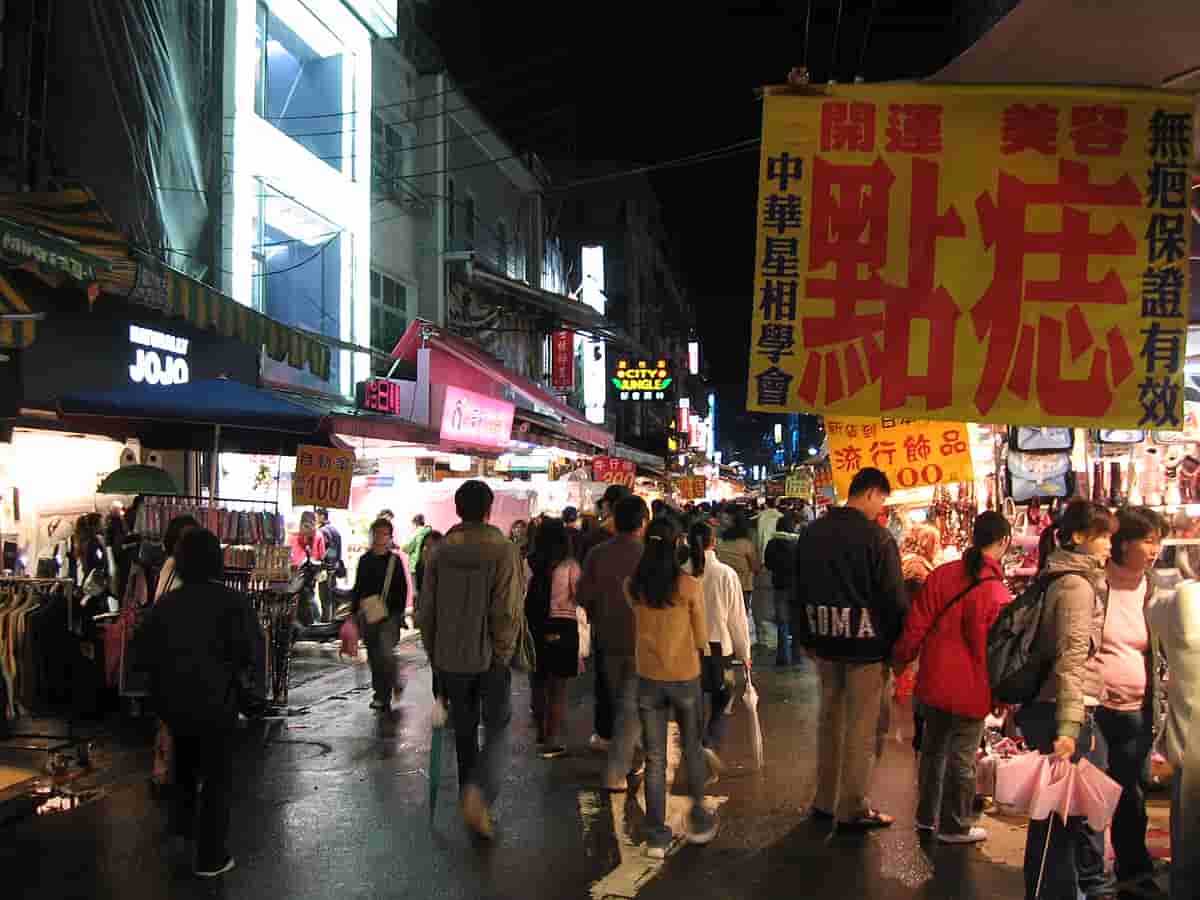
Night Market
Vibrant evening market with street food.
Qixian Hongqi Road Shopping District
Vibrant area with shops and eateries.
Hebi People's Park
A popular park with lakes, walking paths, and recreational areas.
Ancient City Wall
Historical site with remnants of old fortifications.
Holiday Resort Area
Leisure area with recreational facilities.
🏘️ Neighborhoods
Zhongkai Business District
The modern commercial heart of Hebi, featuring office towers, shopping malls, and a concentration of hotels and business services.
Changfeng Road Area
A bustling shopping and residential corridor known for its vibrant street life, shops, and local dining options.
Qixian Hongqi Road Shopping District
Another major retail hub with a mix of department stores, smaller shops, and a busy, pedestrian-friendly environment.
Riverfront Park Area
A greener, more relaxed neighborhood centered around the park, offering pleasant walks and a respite from the urban bustle.
Hebi City Park / People's Park Area
Surrounding the city's main public parks, this area is family-friendly with open spaces and local community vibes.
Night Market District
The epicenter of evening activity, transforming as the sun sets with food stalls, vendors, and lively crowds.
🍽️ Local Cuisine
Hebi's cuisine is representative of hearty northern Henan fare, characterized by wheat-based staples, robust flavors, and generous portions. Signature dishes you must try include Hebi Braised Noodles, a local twist on the classic Henan noodle dish with a rich, savory broth and tender meat. Steamed Buns (Mantou) and various filled buns (Baozi) are ubiquitous. Another highlight is Hulatang, a spicy and numbing soup filled with meat, vegetables, and pepper. The dining culture is casual and communal. For the best local food, head directly to the Night Market or the smaller eateries along Changfeng Road, where you can find sizzling street food like chuan'r (skewers), jianbing (savory crepes), and grilled seafood. A satisfying street food meal can cost as little as 20-30 RMB, while a sit-down restaurant meal may range from 50-150 RMB per person. Etiquette is informal; sharing dishes is standard, and don't be shy to eat with your hands for certain items like skewers. It's polite to try a bit of everything offered.
💡 Local Tips
🚗 Day Trip Ideas
Zhengzhou
The bustling provincial capital, home to the Henan Museum, Shaolin Temple (nearby), and modern cityscapes.
Anyang
A historically significant city featuring the Yin Xu ruins, a UNESCO World Heritage Site with ancient oracle bones.
Kaifeng
An ancient capital famous for its Qingming Riverside Landscape Garden, night markets, and historic Iron Pagoda.
Xinxiang
A neighboring city offering a change of pace with its own parks, museums, and local shopping districts.
Yuntai Mountain Scenic Area
A stunning UNESCO Global Geopark known for its dramatic landscapes, waterfalls, and hiking trails.
🛡️ Safety Tips
Hebi is generally a very safe city for travelers, with a low crime rate. Violent crime against tourists is rare. However, exercise standard precautions as you would anywhere: be aware of your surroundings in crowded areas like markets and bus stations, and keep valuables secure to guard against petty theft. Common scams are not prevalent but be cautious with unsolicited help from strangers regarding money exchange or tours. Use official taxi stands or ride-hailing apps. Traffic can be hectic, so be very careful when crossing streets. For health, drink bottled water and be mindful of street food hygiene by choosing busy stalls with high turnover. Emergency numbers are 110 for police, 120 for medical ambulance, and 119 for fire. It's advisable to have your hotel's address written in Chinese to show taxi drivers.
💰 Budget Guide
Hebi is an affordable destination by Chinese standards. A budget traveler can manage on approximately 200-300 RMB ($28-$42) per day. This covers a bed in a budget hotel or hostel (150-200 RMB), street food and local eateries (50-80 RMB), public transport (10-20 RMB), and free attractions like city parks. A mid-range daily budget of 400-600 RMB ($56-$84) allows for a comfortable hotel room (avg. $95.69/night ≈ 680 RMB), meals at sit-down restaurants (100-150 RMB), taxi rides (50 RMB), and paid museum entries. A luxury budget of 800+ RMB ($112+) affords high-end hotel suites, fine dining, private car hires, and shopping. Money-saving tips include eating at local noodle shops and night markets, using public buses, visiting free parks and public spaces, and avoiding imported goods. Accommodation is your largest expense, so booking in advance can sometimes secure better rates.