Welcome to Haixi
Haixi, an expansive and otherworldly prefecture in China's Qinghai province, offers travelers a journey into landscapes that feel plucked from another planet. This remote region, part of the vast Tibetan Plateau, is a realm of stark beauty where salt lakes shimmer like shattered mirrors, mountain ranges pierce impossibly blue skies, and the silence of the Qaidam Basin is profound. Haixi is not a single city but a sprawling administrative area, with Golmud and Delingha serving as its primary urban hubs. It's a destination for the intrepid, for those drawn to raw, untamed nature and the unique geological wonders of western China. The infrastructure caters to this adventurous spirit, with approximately 50 hotels scattered across the region, providing essential bases from which to explore the surreal surroundings. With an average nightly rate around $90, these accommodations offer a practical gateway to an experience that is anything but ordinary. A stay of one to two days is typically sufficient to grasp its monumental scale and visit its most iconic sights, though many find themselves captivated and wishing for more time in this high-altitude dreamscape.
Overview
Haixi Mongol and Tibetan Autonomous Prefecture is a land of superlatives and contrasts. It encompasses much of the Qaidam Basin, China's highest and one of its largest basins, often called the 'Treasure Bowl' for its rich mineral deposits. Historically, it was a crucial section of the ancient Silk Road's southern branch, a fact that imbues the stark landscape with a sense of timeless passage. Today, it's known for its significant salt and potash industries, visible in the massive evaporation ponds near Golmud. Culturally, it is a melting pot, with Han, Tibetan, Mongol, and Hui communities contributing to its unique character, evident in local festivals, cuisine, and architecture. The prefecture is famous for its surreal salt lakes, including the breathtaking Chaka Salt Lake, often dubbed the 'Mirror of the Sky,' and the immense Qarhan Salt Lake. The Kunlun Mountains form a dramatic southern border, revered in Chinese mythology. Urban life centers on Golmud, a functional transport and industrial city, and the smaller, more scenic Delingha. Haixi's fame lies in its ability to make visitors feel simultaneously insignificant and deeply connected to the earth's raw, powerful geology.
🌤️ Weather & Climate
Haixi features a harsh, cold arid (BWk) climate due to its high altitude and inland basin location. Winters are long, bitterly cold, dry, and windy, while summers are short, warm, sunny, and see most of the region's minimal precipitation.
Seasons
Winter
💨 Humidity: low
Extremely cold, dry, and windy. Daytime temperatures often remain below freezing. Snow is possible but not heavy. Travel can be difficult due to cold and potential road closures.
Spring
💨 Humidity: low
A transitional season with large daily temperature swings. Days become cool to mild, but nights are still cold. Windy conditions are common. Landscape begins to thaw.
Summer
💨 Humidity: low to moderate
The most pleasant season. Warm, sunny days with cool nights. Afternoon thunderstorms can occur, especially in the mountains. This is the peak travel season.
Autumn
💨 Humidity: low
Rapid cooling. Days are crisp and clear, excellent for photography. Nights become increasingly cold. Early autumn is a great alternative to summer crowds.
Monthly Weather Details
January Weather
Best for: winter scenery (for very hardy travelers only)
February Weather
Best for: winter scenery
March Weather
Best for: early spring travel, fewer crowds
April Weather
Best for: shoulder season exploration
May Weather
Best for: hiking, sightseeing
June Weather
Best for: salt lake visits, outdoor activities
July Weather
Best for: peak season travel, all attractions
August Weather
Best for: peak season travel, all attractions
September Weather
Best for: photography, comfortable sightseeing
October Weather
Best for: autumn landscapes, fewer crowds
November Weather
Best for: late-season travel before deep winter
December Weather
Best for: winter scenery
🎒 What to Pack
All Year Round
- sunscreen (high SPF)
- sunglasses
- lip balm
- moisturizer
- reusable water bottle
🚗 Getting Around
Getting around vast Haixi requires planning, as public transportation between attractions is limited. Golmud is the main transport hub. Within Golmud and Delingha, taxis are the most convenient and affordable way to get around; fares start low, but always ensure the meter is used or agree on a price beforehand. Ride-hailing apps like Didi are operational in these urban centers. For the key attractions outside the cities—the salt lakes, Qaidam Basin viewpoints—you will need private transport. The most practical options are hiring a car with a driver for the day (a common and recommended service arranged through hotels or local tour agencies) or joining an organized tour. Self-driving is possible for confident drivers, but distances are long, roads can be empty and monotonous, and conditions variable. There are local buses connecting Golmud to Delingha and other towns, but they won't take you to the specific scenic spots. Walking and biking are feasible only within the small urban cores. Golmud Airport is about 15km from the city center; the most reliable transfer is by pre-booked hotel shuttle or taxi.
🎯 Top Attractions
Dachaidan Salt Lake
Stunning salt lake with mirror-like reflections and unique landscapes.
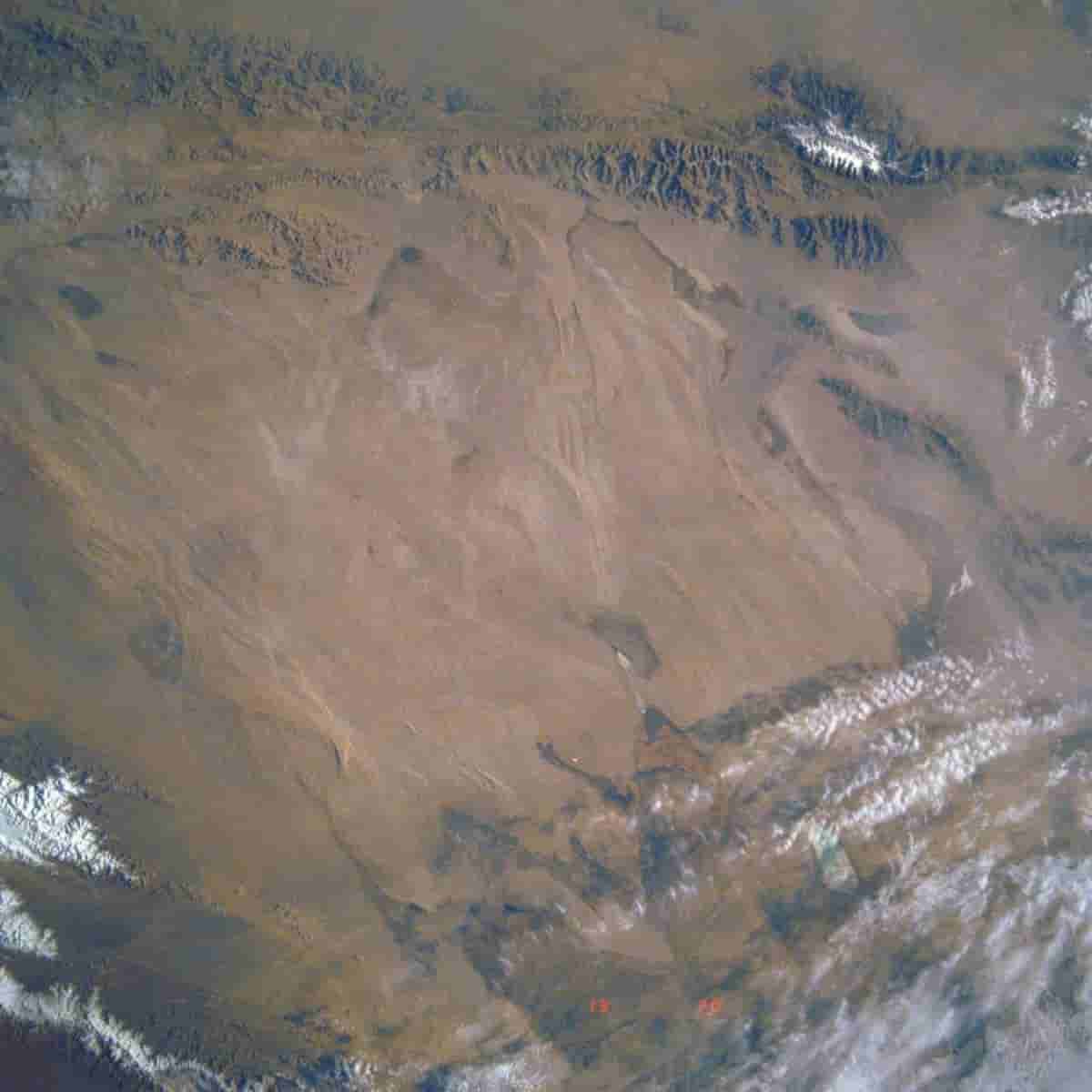
Qaidam Basin
Vast desert basin rich in mineral resources and geological wonders.
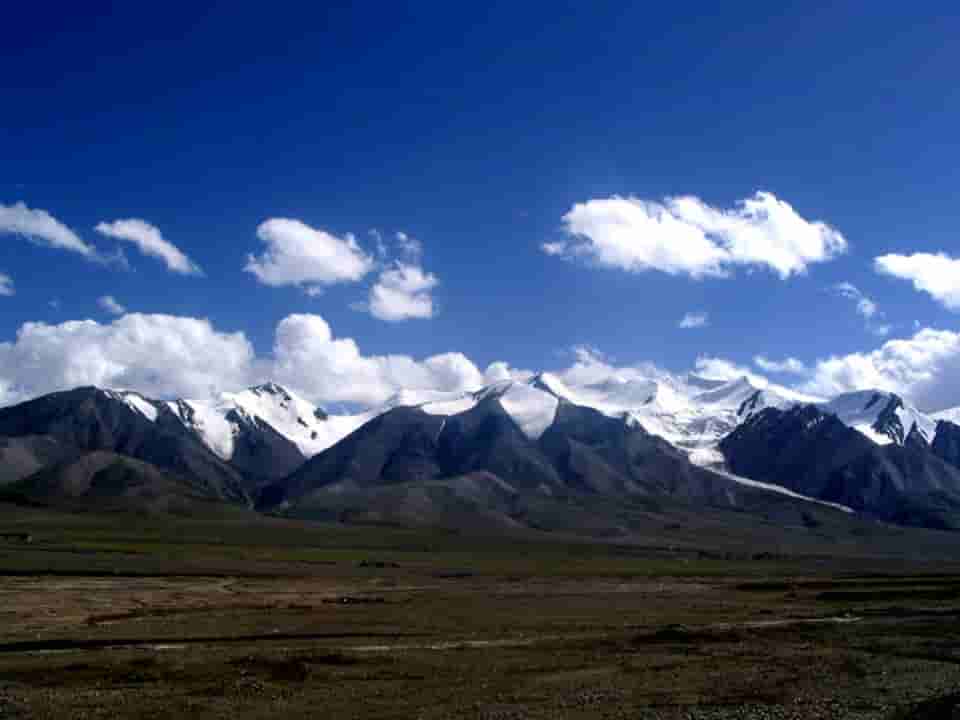
Kunlun Mountains
A majestic mountain range offering stunning landscapes and opportunities for adventure tourism.
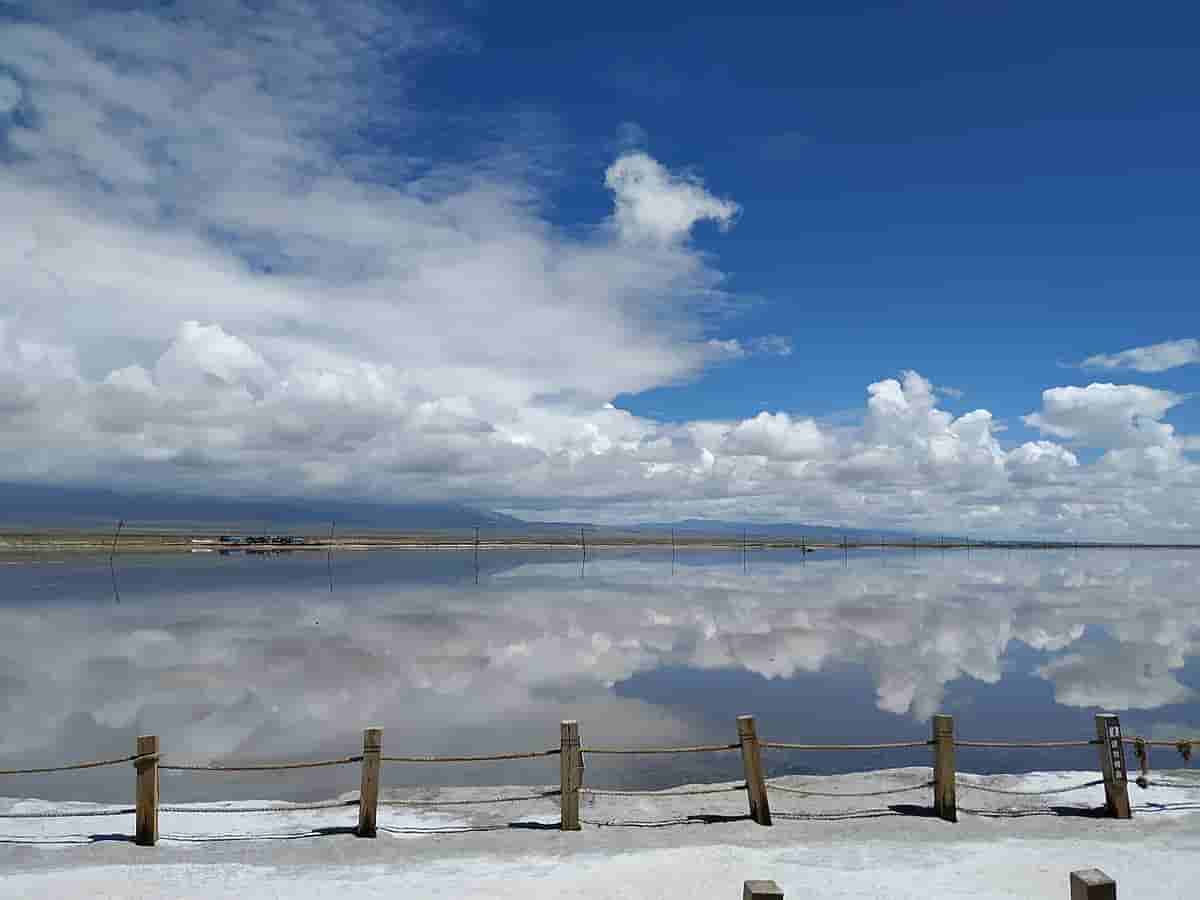
Chaka Salt Lake
Vast, mirror-like salt lake often called the 'Sky Mirror'.
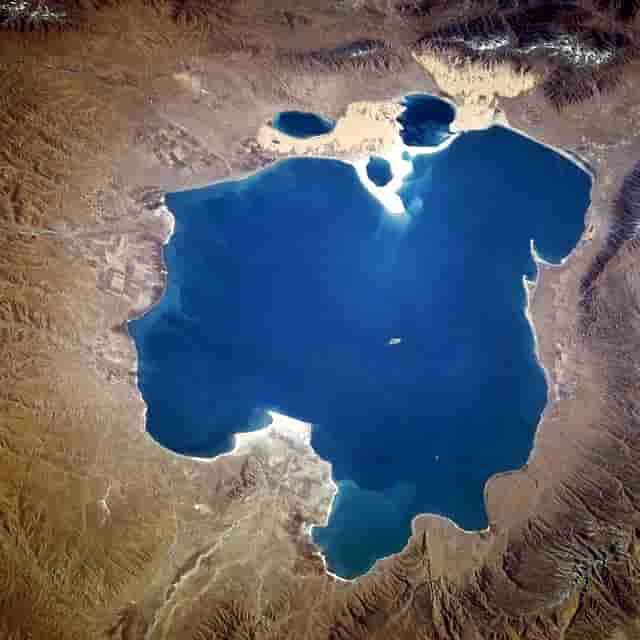
Qinghai Lake
Famous large saltwater lake known for its stunning beauty.
Golmud Vehicle Spare-parts Market
A large market specializing in automotive parts and accessories.
Golmud Salt Lake
A vast salt lake with unique landscapes and photo opportunities.
Golmud Bell Tower
A landmark tower in the city center offering views and cultural insights.
Qarhan Salt Lake
One of the largest salt lakes in the world, known for its unique salt formations and scenery.
Delingha Museum
A museum showcasing local history and culture.
Kunlun Mountain Scenic Area
A stunning natural area with mountain views.
Haixi Cultural Square
A public square often hosting local events.
🏘️ Neighborhoods
Golmud City Center
The functional heart of Haixi, centered around Kunlun Square. This area has the highest concentration of hotels, restaurants, banks, and shops. It's the main transport and logistical hub for the region.
Golmud Railway Station Area
Located to the west of the main center, this area is bustling with transit-related activity. Hotels here are often very practical for those arriving or departing by train.
Delingha City Center
A smaller, greener, and more relaxed urban center compared to Golmud. It serves as a pleasant base for exploring the northern attractions like the Chaka Salt Lake and Delingha Museum.
Qarhan Salt Lake Area
Not a residential neighborhood, but the location of basic guesthouses and lodgings near the salt fields and factories. Offers a truly remote, industrial, and otherworldly atmosphere.
Kunlun Mountains Foothills
Scattered accommodations and guesthouses located along the road south from Golmud into the mountains. Provides stunning mountain views and direct access to hiking and nature.
Chaka Salt Lake Tourist Zone
The developed area directly adjacent to the famous Chaka Salt Lake. Features tourist-oriented hotels, souvenir shops, and easy walking access to the lake's mirror-like surface.
🍽️ Local Cuisine
Haixi's cuisine is a hearty reflection of its high-altitude, nomadic-influenced environment, emphasizing warmth and sustenance. Signature dishes are heavily based on lamb and mutton, dairy, and hand-pulled noodles. Must-try foods include 'Shou Zhua Yangrou' (hand-grasped mutton), simply boiled and eaten with coarse salt; 'Yangrou Paomo' (pita bread soaked in mutton stew); and various types of 'Lamian' (hand-pulled noodles in broth). Tibetan influences bring 'Tsampa' (roasted barley flour) and yak butter tea, while Mongolian touches appear in dairy products and milk tea. Dining is generally casual and functional. In Golmud and Delingha, you'll find small, local restaurants and Hui Muslim noodle shops offering excellent value, with a filling meal often costing between $3-$8. For a more varied, mid-range meal, Han-style stir-fry restaurants are common. Etiquette is straightforward; sharing dishes is standard. Be prepared for robust, salty flavors suited to the climate. Given the remoteness, fine dining is scarce; the focus is on hearty, authentic, and local fare.
💡 Local Tips
🚗 Day Trip Ideas
Chaka Salt Lake
Visit the stunning 'Mirror of the Sky,' a vast salt lake creating perfect reflections of the sky and mountains. Walk on the salt crust, take the tourist train, and capture incredible photos.
Kunlun Mountains Pass
Drive south from Golmud into the majestic Kunlun Mountains. Stop at the Kunlun Mountain Pass monument (over 4,700m), admire glacial scenery, and experience the high-altitude landscape.
Qarhan Salt Lake & Golmud Salt Lake
Explore the world's second-largest salt lake, Qarhan, with its endless evaporation ponds and surreal industrial landscape. Combine with a visit to the smaller Golmud Salt Lake near the city.
Delingha & Delingha Museum
Travel to the smaller city of Delingha. Visit the informative Delingha Museum to learn about the region's geology and ethnic cultures, and explore the town's pleasant central park.
Dachaidan Salt Lake (via Lenghu)
A longer trip to the northwest to see the striking blue and green hues of Dachaidan Salt Lake, passing through the eerie, abandoned oil town of Lenghu.
🛡️ Safety Tips
Haixi is generally a very safe region with low crime rates. The primary safety concerns are environmental and health-related. Altitude sickness is a real risk, as much of the prefecture sits above 3,000 meters. Acclimatize slowly, stay hydrated, avoid alcohol initially, and consider medication if prone. The climate is extreme; protect against sunburn and windburn, and dress appropriately for rapid temperature changes. When traveling to remote salt lakes and basin areas, ensure your vehicle is reliable, you have ample fuel, water, and food, and inform someone of your itinerary as mobile service can be spotty. Road conditions can be poor, and drivers should be cautious of livestock on roads. There are no specific tourist-targeting scams, but as always, use licensed taxis or pre-arranged drivers. Emergency numbers: Police 110, Fire 119, Ambulance 120. It's advisable to have travel insurance that covers emergency evacuation from remote areas.
💰 Budget Guide
Haixi can be traveled on a moderate budget, with costs driven by transportation to sights rather than luxury. Budget travelers can manage on $40-60 per day. This covers a bed in a budget hotel or guesthouse ($25-35), meals at local noodle shops ($3-8 each), and public transport/taxi shares within town. The biggest expense is accessing attractions; joining a shared group tour is the most economical way. Mid-range travelers should budget $80-120 per day. This allows for a private room in a standard hotel (around the $90 average), meals at decent local restaurants, taxi rides, and a private car with driver for a day trip (split between 2-4 people, this can be $50-80 per person). Luxury options are limited, but a budget of $150+ per day would cover the best available hotels, private guided tours, and all meals. Money-saving tips: Travel with a group to split car hire costs, eat at local Hui Muslim restaurants, carry snacks and water for long drives, and visit in the shoulder seasons when accommodation might be slightly cheaper.