Welcome to Haiphong
Haiphong, Vietnam's third-largest city, emerges from the Red River Delta as a captivating blend of French colonial elegance, bustling port energy, and serene coastal charm. Often called the 'City of Red Flamboyants' for its vibrant flowering trees, Haiphong serves as the primary gateway to the wonders of Halong Bay and Cat Ba Island, yet possesses a compelling identity all its own. Its streets are a living museum of ochre-yellow colonial villas, wide boulevards, and historic theaters, while its dynamic port infuses the city with a palpable, industrious spirit. Unlike its more tourist-heavy neighbors, Haiphong offers an authentic slice of northern Vietnamese life, where you can savor legendary street food, explore centuries-old pagodas, and unwind on sandy beaches without the overwhelming crowds. With a comfortable range of 153 hotels catering to every preference, finding a base—from a charming guesthouse to a modern harbor-view suite—is effortlessly simple, allowing you to immerse yourself in the city's unique rhythm. Whether you're using it as a launchpad for island adventures or as a destination to be savored for its own rich culture and cuisine, Haiphong promises a deeply rewarding and distinctly Vietnamese experience.
Overview
Founded as a major seaport in 1887 under French colonial rule, Haiphong's history is etched into its architecture. The grand Haiphong Opera House and rows of faded-yellow administrative buildings stand as elegant testaments to this era. As a key industrial and transportation hub, the city is the economic engine of northern Vietnam, with a busy port that has shaped its resilient and hardworking character. Culturally, Haiphong is renowned for its traditional water puppetry, a unique Vietnamese art form, and its many ancient pagodas like Du Hang Pagoda, which offer peaceful sanctuaries. The city is famous for several things: its role as the primary access point to the UNESCO-listed Cat Ba Archipelago and Halong Bay; its spectacular seafood, particularly crab; and its status as a major center for ceramics and lace production. Key districts include the historic city center around the Opera House and Museum, the modern commercial and residential developments of Vinhomes Imperia with its impressive mall and harbor, and the coastal resort area of Do Son. Haiphong masterfully balances its industrial might with cultural depth and natural beauty, creating a multifaceted urban tapestry.
🗓️ Best Time to Visit
The best time to visit Haiphong is during the dry, pleasant autumn and spring seasons. From October to early December, you'll enjoy cool, comfortable temperatures, low humidity, and minimal rainfall, making it ideal for city exploration and day trips. Spring, from March to April, is similarly agreeable, with warm days and blooming flowers. The peak tourist season aligns with these periods and the summer months (June-August), when domestic tourism surges despite the heat and humidity. Summer brings hot, humid weather and occasional heavy downpours, though it's a vibrant time to experience local life and head to the beaches. The off-peak season is during the rainy season from May to September, with the highest rainfall in July and August; travel is still possible but requires flexibility for wet weather. The winter months (December-February) can be cool, damp, and foggy, which may obscure views of Halong Bay. Major events include the vibrant Haiphong Red Flamboyant Festival in May, celebrating the city's symbol with cultural performances, and the traditional Do Son Buffalo Fighting Festival in August or September, a unique but controversial cultural event.
🌤️ Weather & Climate
Haiphong experiences a humid subtropical climate with distinct seasons: a cool, dry winter, a hot, humid summer with heavy rainfall, and pleasant transitional periods in spring and autumn. The city is influenced by the monsoon, leading to a pronounced wet season.
Seasons
Cool, Dry Winter
💨 Humidity: moderate
Cool and often damp with occasional fog and drizzle. The least humid time of year, but can feel chilly, especially in January.
Hot, Rainy Summer
💨 Humidity: high
Very hot, humid, and wet. Heavy, short-lived downpours are common, especially in July and August. Typhoons can occasionally affect the region.
Pleasant Spring & Autumn
💨 Humidity: moderate
The most comfortable seasons with warm temperatures, lower humidity, and manageable rainfall. Ideal for all outdoor activities.
Monthly Weather Details
January Weather
Best for: city sightseeing, cultural visits
February Weather
Best for: city sightseeing, cultural visits
March Weather
Best for: sightseeing, beginning of beach season
April Weather
Best for: beach, island trips, outdoor activities
May Weather
Best for: beach, early summer festivals
June Weather
Best for: indoor attractions, early day trips
July Weather
Best for: indoor cultural sites, museums
August Weather
Best for: indoor cultural sites, museums
September Weather
Best for: transition period, occasional outdoor trips
October Weather
Best for: ideal for all activities, island hopping
November Weather
Best for: ideal for all activities, island hopping
December Weather
Best for: city sightseeing, cultural visits
🎒 What to Pack
All Year Round
- lightweight rain jacket or umbrella
- comfortable walking shoes
- sun protection (hat, sunglasses, sunscreen)
- power adapter
🚗 Getting Around
Navigating Haiphong is relatively straightforward. The city center is compact and very walkable, allowing you to appreciate the colonial architecture up close. For longer distances, taxis and ride-hailing apps like Grab are widely available, affordable, and recommended for their metered fares and route transparency; short trips within the center cost just a few dollars. Traditional cyclos (pedicabs) offer a leisurely, tourist-friendly way to see the sights for a negotiated price. Local public buses serve extensive routes and are extremely cheap (less than $0.50 per ride), but can be confusing for non-Vietnamese speakers. Renting a motorbike offers maximum freedom for confident riders, with daily rentals around $5-8. For arriving or departing, Cat Bi International Airport (HPH) is about 7km from the city center. Airport taxis are readily available (approx. $10-15 to downtown), or you can book a Grab. A crucial mode of 'getting around' is the ferry from Binh Pier to Cat Ba Island, a scenic 45-minute to 1-hour journey that is an essential experience for most visitors.
🎯 Top Attractions
Vinhomes Imperia Mall
A modern shopping complex with various retail and dining options.
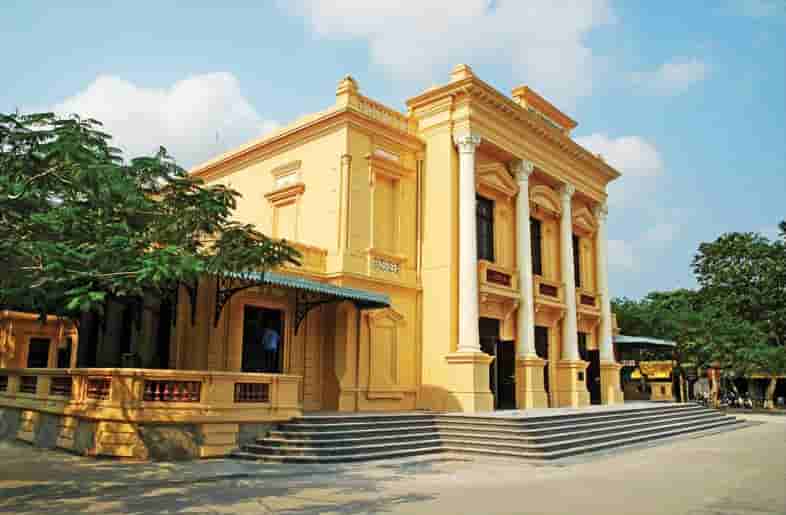
Haiphong Opera House
A beautiful French colonial-era building, a central cultural venue for performances and events.
Do Son Beach
A popular beach resort area with sandy shores, amusement parks, and seafood restaurants.
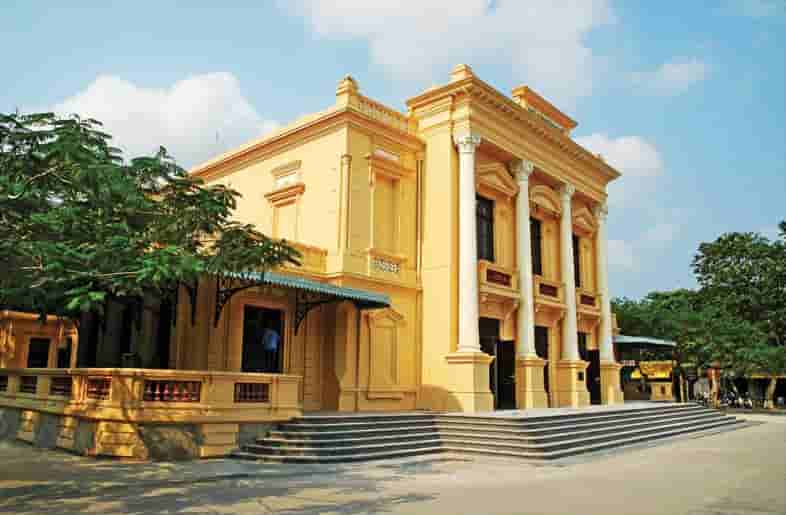
Hai Phong Opera House
This stunning French colonial-style building is a cultural landmark and home to the Hai Phong Philharmonic Orchestra.
Hai Phong Museum
Explore the rich cultural heritage of Vietnam's third-largest city through fascinating exhibits.
Cat Ba Island
Lush island part of a UNESCO Biosphere Reserve, ideal for hiking and kayaking.
Vinhomes Imperia Harbor
Modern harbor area with walking paths, shops, and dining options.
Du Hang Pagoda
Historic Buddhist temple dating back to the 17th century with intricate architecture and peaceful gardens.
Haiphong Museum
A museum showcasing the history, culture, and development of the city and its port.
Cat Ba Island Ferry
Gateway ferry to the stunning Cat Ba Island and Lan Ha Bay.
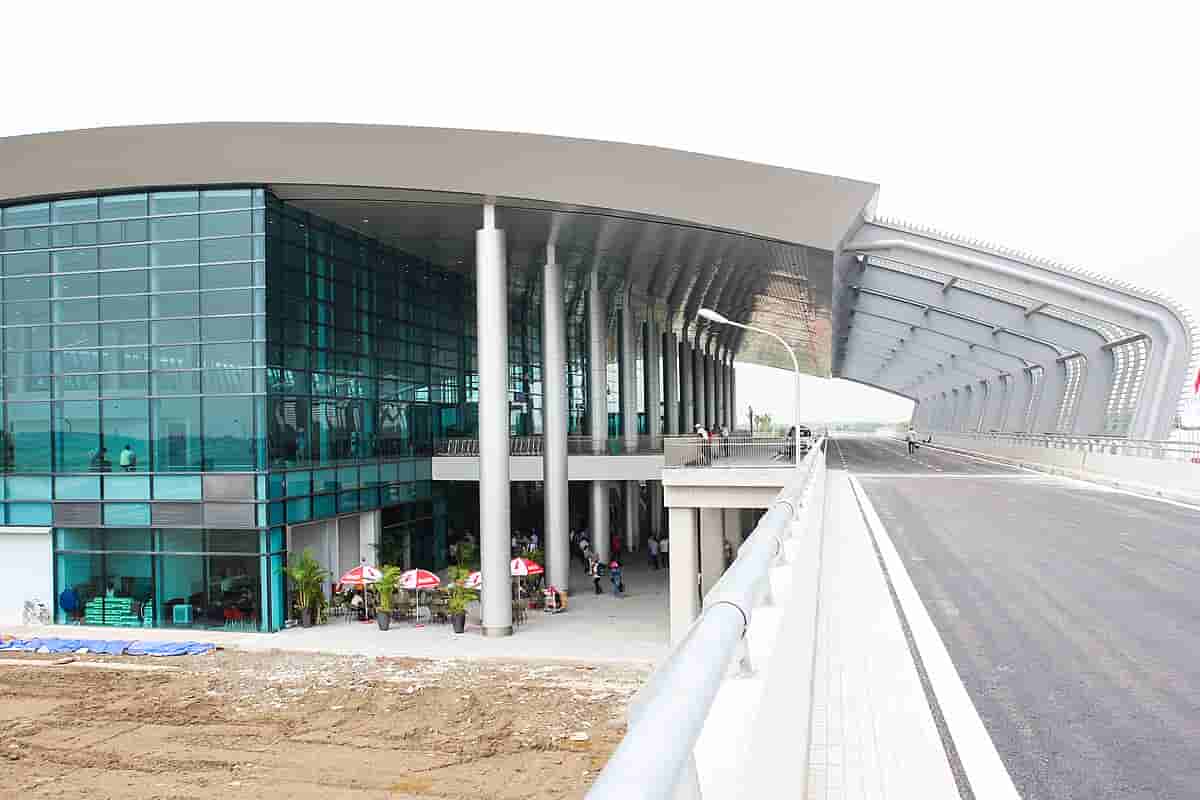
Cat Bi International Airport
Main airport serving Haiphong city
Nguyen Binh Khiem Temple
Temple dedicated to a famous scholar with peaceful gardens.
🏘️ Neighborhoods
City Center (Around Opera House)
The historic heart of Haiphong, featuring French colonial architecture, the iconic Opera House, the Museum, and key government buildings. Wide, tree-lined streets and a concentration of hotels, cafes, and restaurants.
Vinhomes Imperia
A modern, master-planned urban area on the Lach Tray River. Known for its contemporary high-rises, the Imperia Mall, scenic harbor promenade, and upscale residential vibe. Offers a different, polished perspective of the city.
Do Son
A coastal peninsula district about 20km from downtown, home to Do Son Beach, resorts, casinos, and the famous Buffalo Fighting Festival. A mix of local beach culture and developing tourism infrastructure.
Du Hang Pagoda Area
A quieter, more traditional neighborhood centered around the beautiful and ancient Du Hang Pagoda. Offers a glimpse into local residential life and spiritual practices away from the main tourist tracks.
Binh Pier / Ferry Terminal Area
The bustling gateway to Cat Ba Island. This area is functional, with many travel agencies, budget hotels, and eateries catering to travelers coming and going. Lively but less polished.
Old Quarter Streets (e.g., Hoang Van Thu)
A network of narrower, bustling streets with a more traditional Vietnamese urban feel. Packed with local shops, street food stalls, markets, and everyday life. Less colonial, more authentically local.
🍽️ Local Cuisine
Haiphong is a seafood paradise and a street food haven, with a cuisine that is fresh, flavorful, and famously affordable. The city's signature dish is *Bánh Đa Cua* – a rich, crimson-hued crab noodle soup featuring thick, dark brown rice noodles, freshwater crab broth, and often topped with fried crab cakes, blood pudding, and herbs. Another must-try is *Bún Cá* (fish noodle soup), where tender fried fish fillets swim in a light, dill-infused broth. Seafood is king here; visit a *Hải Sản* (seafood) restaurant to point at live crabs, clams, squid, and giant prawns to be grilled, steamed, or prepared to your liking. For a unique local snack, seek out *Nem Cua Bể* (sea crab spring rolls). Dining culture is casual and social, centered around plastic stools on sidewalks and bustling market stalls. Popular food areas include the area around the Central Market and the myriad streets in the old quarter. A fulfilling street food meal can cost as little as $2-4, while a sit-down seafood feast at a mid-range restaurant runs $10-20 per person. Etiquette is relaxed; it's acceptable to slurp noodles, and sharing multiple dishes family-style is the norm.
💡 Local Tips
🚗 Day Trip Ideas
Cat Ba Island & Lan Ha Bay
Explore the largest island in Halong Bay, featuring dramatic limestone karsts, pristine Lan Ha Bay (less crowded than Halong), hiking in Cat Ba National Park, and kayaking. The main ferry destination from Haiphong.
Do Son Beach & Casino
A classic local beach getaway. Relax on the sandy beach, visit the hilltop casino (foreign passport holders allowed), explore the peninsula's temples, and enjoy fresh seafood at waterfront restaurants.
Trang Kenh Relic Site & Bach Dang River
A historical site marking the location of ancient naval battles against invaders. Features monuments, a small museum, and views of the Bach Dang River, famous in Vietnamese history.
Hai Duong Province (Ceramic Villages)
Visit traditional ceramic and pottery villages like Chu Dau, where artisans have been crafting beautiful ceramics for centuries. Great for cultural insight and unique souvenir shopping.
Bat Trang Ceramic Village (near Hanoi)
A more famous and larger ceramic village. A longer trip but worthwhile for pottery enthusiasts. You can watch artisans, try your hand at the wheel, and shop for exquisite pieces.
Halong Bay (Main Bay)
While Cat Ba offers access to Lan Ha Bay, a dedicated trip to the iconic Halong Bay from its main tourist port (Tuan Chau) is possible. Offers classic junk boat cruises among stunning limestone pillars.
🛡️ Safety Tips
Haiphong is generally a safe city for travelers, with a low incidence of violent crime. Petty theft, such as bag-snatching from motorbikes or pickpocketing in crowded markets, is the primary concern. Always keep valuables secure and out of sight, especially when walking near busy streets. Be cautious when crossing roads due to dense, fast-moving traffic; walk slowly and steadily. Common scams are relatively rare but can include taxi drivers taking long routes (use Grab or reputable Mai Linh/Vinasun taxis) or vendors at tourist sites overcharging. It's advisable to be cautious in isolated areas at night. For health, drink only bottled or purified water and be mindful of food hygiene at street stalls—opt for busy ones with high turnover. Key emergency numbers are: Police (113), Fire (114), and Medical Emergency (115). Having travel insurance that covers medical evacuation is recommended.
💰 Budget Guide
Haiphong is a very affordable destination, offering excellent value. A budget traveler can manage on $25-40 per day by staying in hostels or basic guesthouses ($10-15/night), eating primarily street food ($1-3 per meal), using buses and walking for transport, and enjoying free or low-cost attractions like pagodas and markets. Mid-range travelers spending $50-80 per day can enjoy comfortable 3-4 star hotels (aligning with the city's $83 average), dine at a mix of local restaurants and nicer seafood spots ($5-15 per meal), use taxis/Grab freely, and take guided day trips to Cat Ba. A luxury budget of $120+ per day affords 5-star accommodation, fine dining, private car tours, and premium experiences. Money-saving tips include: eating where locals eat, negotiating prices for cyclos and in non-fixed price markets, booking ferries and tours directly at piers, and visiting free public beaches at Do Son. Accommodation prices can spike during major Vietnamese holidays.