Welcome to Da Nang
Da Nang, Vietnam's vibrant coastal metropolis, is a city where emerald mountains meet a seemingly endless coastline of golden sand, and ancient culture pulses alongside a dynamic, modern energy. Strategically positioned along the central coast, Da Nang serves as the perfect gateway to Vietnam's cultural heartland, including the ancient town of Hoi An and the imperial city of Hue. What was once a quiet port city has blossomed into a destination of international acclaim, famed for its iconic Dragon Bridge that breathes fire and water on weekend nights, its stunning beaches like My Khe, and its backdrop of the mystical Marble Mountains. The city's infrastructure has grown to match its ambitions, offering visitors a seamless stay with a remarkable selection of over 1500 hotels, ranging from budget-friendly guesthouses to world-class resorts, ensuring every traveler finds their perfect home base. Da Nang is a city of balance—where you can savor a steaming bowl of Mi Quang in a bustling market by morning and dine in a sophisticated riverside restaurant by night, all under the watchful gaze of the Lady Buddha statue on Son Tra Peninsula.
Overview
Da Nang is the economic and cultural hub of Central Vietnam, a city with a rich history dating back to the ancient Cham Kingdom, whose legacy is preserved at the excellent Museum of Cham Sculpture. Its strategic location made it a pivotal port during the French colonial era and later during the Vietnam War. Today, it's famous for its rapid development, stunning natural beauty, and as a hub for technology and education. The city is loosely divided into key districts: the bustling city center around the Han River, home to the Dragon Bridge and Han Market; the expansive beachfront areas of My Khe and Non Nuoc, lined with resorts; the Son Tra Peninsula with its pristine nature and the Linh Ung Pagoda; and the western districts leading to the Marble Mountains. Da Nang is renowned for its cleanliness, safety, and forward-thinking urban planning, including beautiful bridges and expansive parks. It's a city that effortlessly blends relaxation with adventure, offering everything from world-class golf courses and water sports to profound cultural and historical exploration.
🗓️ Best Time to Visit
The best time to visit Da Nang is from February to May, when the weather is pleasantly warm with low humidity and minimal rainfall, perfect for beach days and sightseeing. This period falls between the rainy season and the peak summer heat. The summer months from June to August are hot and dry, ideal for dedicated sun-seekers, but this is also peak domestic tourist season. The rainy season runs from September to January, with the highest precipitation and potential for typhoons occurring in October and November. While this period sees fewer tourists and lower prices, some outdoor activities may be disrupted. Major events include the spectacular Da Nang International Fireworks Festival (DIFF), typically held from April to June along the Han River, drawing teams from around the world. The city also celebrates Tet (Lunar New Year) in late January or February, a fascinating but busy time to experience Vietnamese culture, though many services may be limited.
🌤️ Weather & Climate
Da Nang has a tropical monsoon climate with two distinct seasons: a hot, dry season from January to August and a warm, rainy season from September to December. Temperatures remain warm to hot year-round.
Seasons
Dry Season
💨 Humidity: moderate
Sunny, hot, and dry weather. Ideal for beach activities and outdoor exploration. Peak heat occurs from May to August.
Rainy Season
💨 Humidity: high
Frequent heavy rainfall and high humidity, with a risk of typhoons, especially in October and November. Fewer tourists and lush greenery.
Monthly Weather Details
January Weather
Best for: sightseeing, cultural visits
February Weather
Best for: beach, festivals, outdoor activities
March Weather
Best for: beach, hiking, perfect weather
April Weather
Best for: beach, water sports, fireworks festival
May Weather
Best for: beach, early morning/late afternoon outings
June Weather
Best for: beach, indoor attractions during peak heat
July Weather
Best for: beach, evening activities
August Weather
Best for: beach, but expect some rain
September Weather
Best for: indoor museums, spa days, flexible planning
October Weather
Best for: indoor activities only, high flood/typhoon risk
November Weather
Best for: cultural visits between rains
December Weather
Best for: sightseeing on clear days
🎒 What to Pack
All Year Round
- lightweight clothing
- rain jacket or umbrella
- sunscreen
- sunglasses
- hat
- comfortable walking shoes
- swimsuit
🚗 Getting Around
Getting around Da Nang is relatively straightforward and affordable. The city has a reliable and inexpensive taxi network, with reputable companies like Mai Linh and Vinasun. Ride-hailing apps like Grab (the Southeast Asian equivalent of Uber) are extremely popular, convenient, and offer transparent pricing for both cars and motorbikes. For the adventurous, renting a motorbike is a common and flexible way to explore, costing around 100,000-150,000 VND per day. However, ensure you have an international driving permit and are confident in chaotic traffic. Public buses cover major routes and are very cheap (around 10,000 VND per ride), but routes and schedules can be confusing for tourists. The city is quite spread out, so walking is best confined to specific areas like the riverfront or My Khe Beach promenade. Biking is a pleasant option along the beach roads. Da Nang International Airport (DAD) is only about 3km from the city center; a taxi or Grab ride to most hotels costs between 50,000-150,000 VND.
🎯 Top Attractions
My Khe Beach
Renowned for its soft white sand and clear blue waters, My Khe Beach is a popular destination for swimming, sunbathing, and water sports.
Marble Mountains
A series of five marble and limestone mountains with intricate caves, pagodas, and hiking trails, offering breathtaking views of the surrounding landscape.
Dragon Bridge
An iconic, dragon-shaped bridge that lights up at night, offering stunning views of the Han River and the city skyline.

Han Market
A bustling indoor market selling a wide variety of local produce, handicrafts, and street food, providing a glimpse into the vibrant culture of Da Nang.
Da Nang Cathedral
This impressive Catholic cathedral, with its neo-Romanesque architecture, is a landmark of Da Nang's skyline.
Cham Museum
Museum dedicated to Cham sculpture and artifacts from the ancient Champa kingdom.
Helio Night Market
Vibrant night market offering local street food, drinks, and entertainment.
Non Nuoc Beach
A peaceful beach area at the foot of Marble Mountains, popular for swimming and sunbathing.
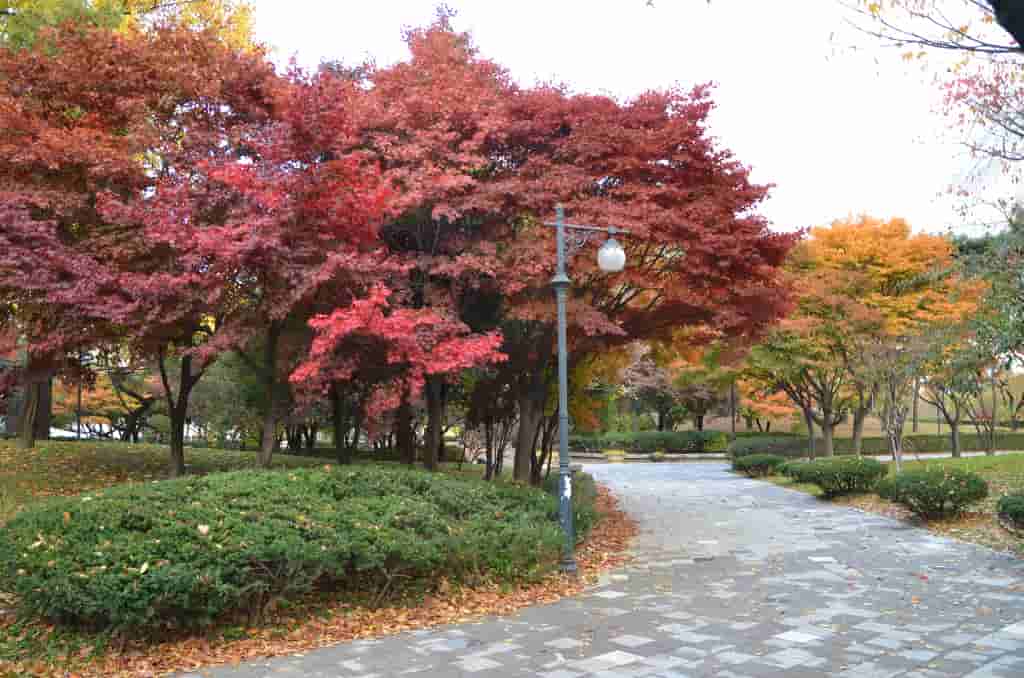
Asia Park
Amusement park with rides, cultural zones, and the iconic Sun Wheel offering city views.
Da Nang Fine Arts Museum
Museum showcasing Vietnamese fine arts, particularly from the central region.
Son Tra Peninsula
A natural reserve known for its lush forests, diverse wildlife, and the Linh Ung Pagoda.
Sun World Ba Na Hills
Mountain resort with cable cars, French village, and Golden Bridge
🏘️ Neighborhoods
City Center (Hai Chau District)
The bustling heart of Da Nang, centered around the Han River. Home to the Dragon Bridge, Han Market, Da Nang Cathedral, and many government buildings. Excellent for dining, shopping, and urban exploration.
My Khe Beach Area
A long stretch of beautiful beach lined with resorts, hotels, restaurants, and bars. The atmosphere is tourist-friendly and vibrant, especially along Vo Nguyen Giap and An Thuong Streets.
Son Tra Peninsula
A lush, mountainous peninsula northeast of the city, known for its pristine nature, the towering Linh Ung Pagoda with the Lady Buddha, secluded beaches, and hiking trails with panoramic views.
Non Nuoc Beach & Marble Mountains
Located south of the city center, this area is famous for the five mystical Marble Mountains (Ngu Hanh Son) and the upscale Non Nuoc Beach, a hub for luxury resorts and world-class golf courses.
An Hai Dong / An Thuong
A popular enclave for expats and long-term visitors, packed with international restaurants, cozy cafes, pubs, and travel agencies. It's lively, social, and just a short walk from My Khe Beach.
Cam Le District (West of River)
A more local, residential area offering an authentic glimpse into daily Vietnamese life. Home to the Champa Museum and several local markets, with fewer tourists and lower prices.
🍽️ Local Cuisine
Da Nang's cuisine is a highlight of any visit, offering a distinctive Central Vietnamese flavor profile—bold, spicy, and complex. Must-try signature dishes include Mi Quang, a turmeric-infused noodle dish with a small amount of rich broth, herbs, and toppings like shrimp, chicken, or pork; and Bun Cha Ca, a fragrant fish cake noodle soup. Seafood is exceptionally fresh and abundant, best enjoyed at the bustling beachfront or riverside restaurants. Banh Xeo (crispy savory pancakes) and Nem Lui (lemongrass skewers) are also local favorites. For dining, head to areas like the Helio Night Market, the seafood stalls on An Thuong Street (popular with expats), or the authentic local spots in small alleys. Street food is incredibly affordable (20,000-50,000 VND), while mid-range restaurant meals cost 150,000-300,000 VND. Etiquette is relaxed; use chopsticks, don't be afraid to slurp noodles, and feel free to point at what you want at street stalls. A tip is not expected but appreciated for good service.
💡 Local Tips
🚗 Day Trip Ideas
Hoi An Ancient Town
A beautifully preserved UNESCO World Heritage site known for its lantern-lit streets, tailors, and historic architecture. A 30km drive south.
Hue Imperial City
The former imperial capital of Vietnam, home to the vast Citadel, royal tombs, and pagodas along the Perfume River.
Ba Na Hills & Golden Bridge
A hill station and theme park famous for the stunning Golden Bridge held by giant stone hands, French village, and cool climate.
Son Tra Peninsula (Monkey Mountain)
Explore the pristine forests, visit the Linh Ung Pagoda with the giant Lady Buddha statue, and look for the rare red-shanked douc langurs.
Hai Van Pass
One of the most scenic coastal roads in the world, immortalized by Top Gear. Stunning ocean and mountain views. Best explored by motorbike or private car.
My Son Sanctuary
Another UNESCO site, these are the haunting ruins of the ancient Hindu Cham Kingdom, set in a lush valley. Less crowded than Angkor Wat.
🛡️ Safety Tips
Da Nang is considered one of Vietnam's safest and most tourist-friendly cities. Violent crime against tourists is rare. However, petty theft like bag-snatching (especially from motorbikes) and pickpocketing in crowded markets can occur, so keep valuables secure and be mindful in busy areas. Common scams include taxi drivers taking longer routes or meters being rigged; always use reputable companies or Grab. When crossing streets, walk slowly and steadily through motorbike traffic; they will flow around you. Be cautious of strong currents and riptides at the beach; only swim in designated areas with lifeguards. Drink bottled water. Emergency numbers are 113 for police, 115 for ambulance, and 114 for fire. For health, ensure travel insurance covers medical evacuation. Pharmacies are widespread for minor issues. Overall, use common sense, and you'll find Da Nang very welcoming and secure.
💰 Budget Guide
Da Nang offers excellent value for money. A budget traveler can manage on $25-35 per day by staying in hostels or basic guesthouses ($10-15), eating street food ($5-10), using buses or walking ($1-3), and enjoying free attractions like beaches and bridges. A mid-range traveler should budget $50-100 per day for a comfortable hotel or Airbnb ($30-60), meals at nicer local restaurants ($15-25), occasional taxis or scooter rental ($5-10), and paid entrance fees to attractions like the Marble Mountains ($5-10). A luxury traveler can expect to spend $150+ per day on beachfront resorts ($80+), fine dining and cocktails ($40+), private car tours ($50+), and spa treatments. Money-saving tips: Use Grab for transport, eat at local street stalls and markets, visit free attractions like the Dragon Bridge show and beaches, drink local beer (Bia Hoi) instead of imports, and travel during the shoulder or rainy season for lower accommodation rates.