Welcome to Haikou
Welcome to Haikou, the sun-drenched capital of Hainan, China's southernmost island province. Often called the 'Coconut City' for its lush, palm-lined boulevards, Haikou serves as the vibrant gateway to tropical Hainan, blending a rich historical tapestry with the energy of a modern coastal metropolis. While it may be overshadowed by the resort glamour of Sanya to the south, Haikou offers a more authentic and culturally immersive Hainanese experience. Here, you'll discover a fascinating juxtaposition: the crumbling elegance of Qilou (arcade buildings) in the Old Town whispers tales of maritime trade, while the soaring architecture of the Haikou Bay area points confidently toward the future. With its volcanic geoparks, expansive public beaches like Holiday Beach, and a remarkably relaxed pace of life, Haikou invites you to explore at your leisure. The city is well-equipped for visitors, boasting a wide range of 692 hotels to suit every preference and budget, ensuring a comfortable base from which to discover its unique charms. Whether you're here for the history, the cuisine, or simply to bask in the tropical climate, Haikou promises a captivating and distinctly Chinese island escape.
Overview
Haikou's history is deeply intertwined with its strategic position on the Qiongzhou Strait. For centuries, it was a crucial port on the ancient Maritime Silk Road, a legacy still visible in the European- and Southeast Asian-influenced Qilou architecture of its historic quarter. Officially established as a port city during the Song Dynasty, it became the capital of Hainan in 1988 when the island was designated a province. Today, Haikou is the political, economic, and cultural heart of Hainan. The city is famous for its exceptional ecological environment, centered around the unique Haikou Volcanic Cluster Global Geopark, a testament to its fiery geological past. Culturally, it is a melting pot of Li and Miao ethnic minority influences, Lingnan traditions, and overseas Chinese heritage. Main districts include the historic Longhua District (home to the Old Town), the bustling commercial core of Xiuying District, and the modern, bay-front development of Meilan District. Haikou is also gaining fame as a hub for the Hainan Free Trade Port, driving rapid development and an influx of new businesses and residents, all while maintaining its green, garden-city ambiance.
🗓️ Best Time to Visit
The best time to visit Haikou is during the dry, sunny, and pleasantly warm season from November to April. This period offers ideal conditions for beach activities, sightseeing, and exploring outdoor attractions like the volcanic geopark. Temperatures are comfortable, typically ranging from 18°C to 28°C (64°F to 82°F), with lower humidity and minimal rainfall. The peak tourist season coincides with Chinese New Year (January or February) and major national holidays, when prices spike and attractions are crowded. The summer months from May to October constitute the off-peak season, characterized by intense heat, high humidity, and the frequent threat of typhoons, particularly from July to September. While hotel rates are lower, outdoor plans can be disrupted by heavy afternoon thunderstorms. Major events include the Hainan International Coconut Festival (usually in April), various cultural festivals of the Li and Miao ethnic groups, and vibrant celebrations during Chinese New Year and Mid-Autumn Festival.
🌤️ Weather & Climate
Haikou enjoys a tropical monsoon climate characterized by warm to hot temperatures year-round, distinct wet and dry seasons, and high humidity. Summers are long, hot, and rainy, while winters are short, mild, and dry.
Seasons
Cool & Dry Season
💨 Humidity: moderate
The most pleasant time to visit, with plenty of sunshine, comfortable temperatures, and minimal rainfall. Ideal for all outdoor activities.
Hot & Rainy Season
💨 Humidity: high
Very hot, humid, and prone to heavy afternoon thunderstorms and occasional typhoons. Beach weather is still possible between rains.
Monthly Weather Details
January Weather
Best for: sightseeing, cultural tours
February Weather
Best for: festivals, park visits
March Weather
Best for: beach, outdoor activities
April Weather
Best for: beach, geopark
May Weather
Best for: early beach days, indoor attractions
June Weather
Best for: indoor attractions, evening strolls
July Weather
Best for: indoor attractions, shopping malls
August Weather
Best for: indoor attractions, typhoon watch
September Weather
Best for: indoor attractions, museums
October Weather
Best for: transition month, mixed activities
November Weather
Best for: sightseeing, beach return
December Weather
Best for: sightseeing, cultural tours
🎒 What to Pack
All Year Round
- sunscreen
- sunglasses
- hat
- light rain jacket or umbrella
- comfortable walking shoes
🚗 Getting Around
Haikou is a relatively spread-out city, but getting around is straightforward. The public bus system is extensive and very affordable, with fares typically 1-2 RMB, covering most tourist areas. For greater convenience, taxis are plentiful and inexpensive; always ensure the meter is used. Ride-hailing apps like Didi Chuxing are widely used and often cheaper than hailing a cab. The city is also very bike-friendly, with numerous dedicated lanes and ubiquitous bike-sharing services (Mobike, Hello Bike) perfect for short trips in flatter areas. The Meilan International Airport (HAK) is about 25km from the city center. The most economical transfer is via airport shuttle bus (20-25 RMB), while taxis or Didi will cost 60-100 RMB. While the downtown core and Old Town are walkable, having a combination of biking for shorter distances and taxis for longer ones is the most efficient way to explore. Traffic can be heavy during rush hours, so plan accordingly.
🎯 Top Attractions
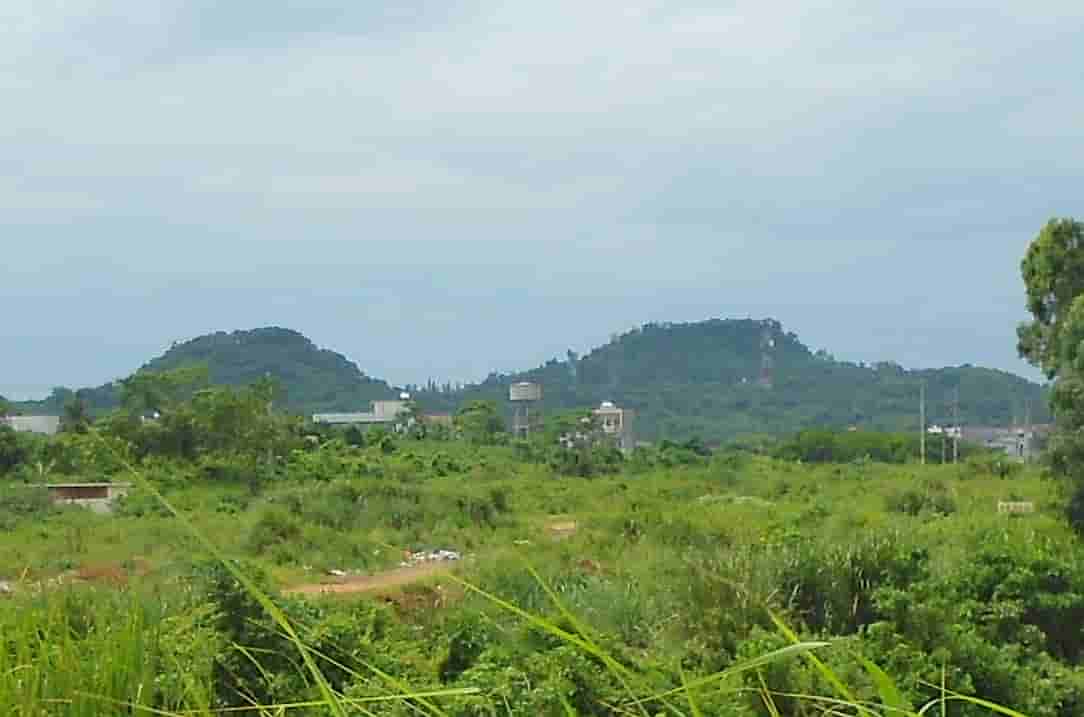
Haikou Volcanic Cluster Global Geopark
Explore the striking volcanic landscapes and teahouse for a scenic, geology‑rich day out.
Holiday Beach
Popular beach with golden sands, water sports, and scenic views of the South China Sea.
Wugong Temple
A historic temple dedicated to five officials, showcasing traditional Chinese architecture.
Haikou Convention Center
Modern convention and exhibition facility for business events
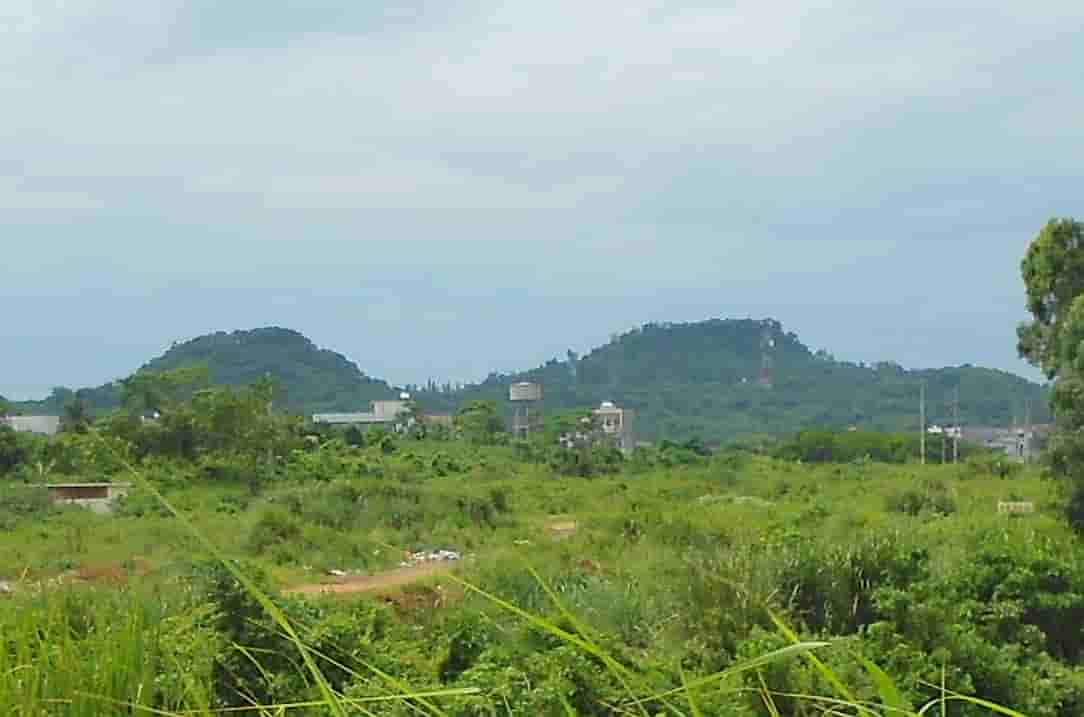
Haikou Volcanic Cluster
Geopark with ancient volcanoes and lush landscapes.
Haikou People's Park
A large, tranquil urban park popular with locals for exercise, relaxation, and cultural activities.
Jinniu Lake Park
Scenic lake park ideal for walking, boating, and relaxation.
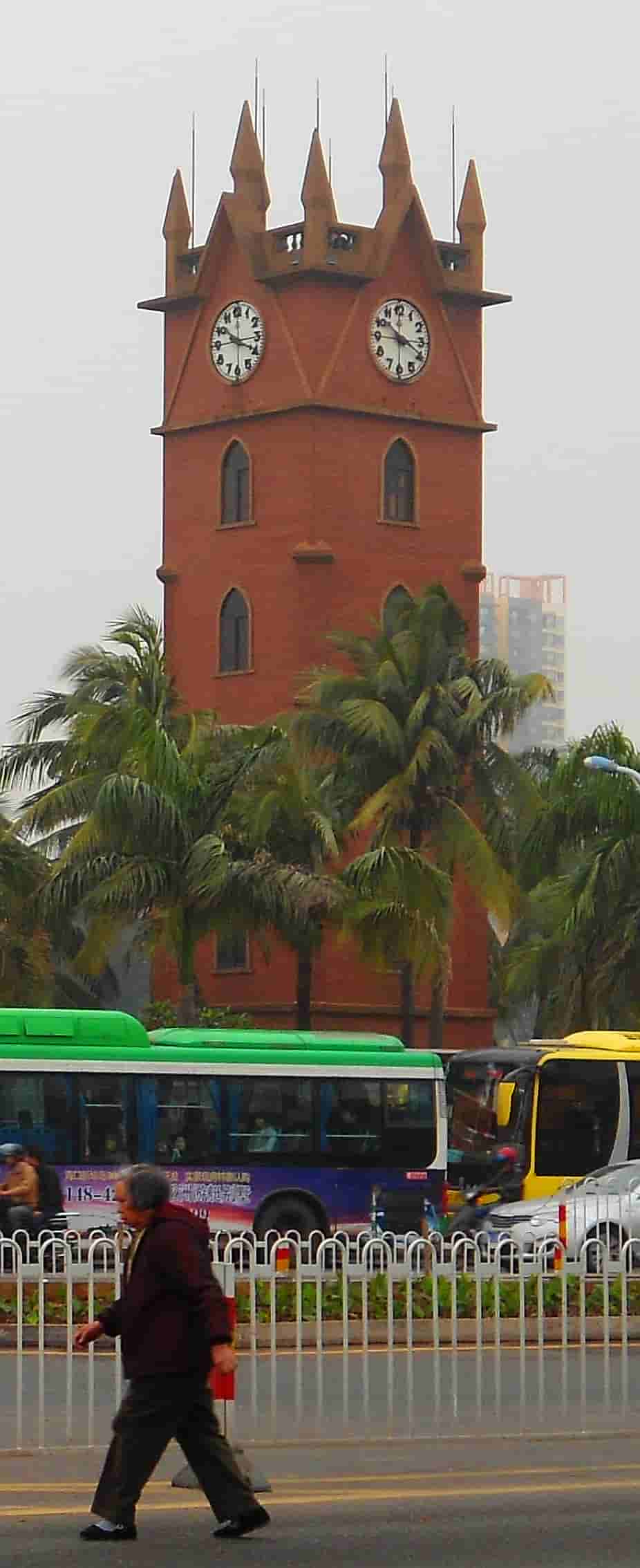
Haikou Clock Tower
Iconic landmark in Haikou, offering a glimpse into the city's colonial history and architecture.
Injoy Plaza
Shopping and entertainment complex with diverse options
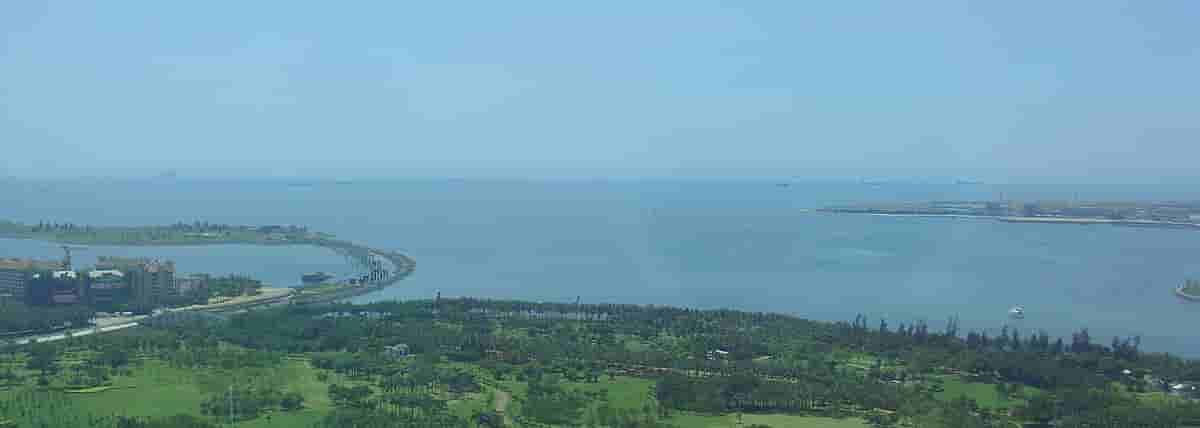
Haikou Bay
A vibrant waterfront area with a seaside promenade, shopping malls, and entertainment options.
Qilou Old Street
A historic street featuring arcaded buildings (qilou) that blend Chinese and European architectural styles.
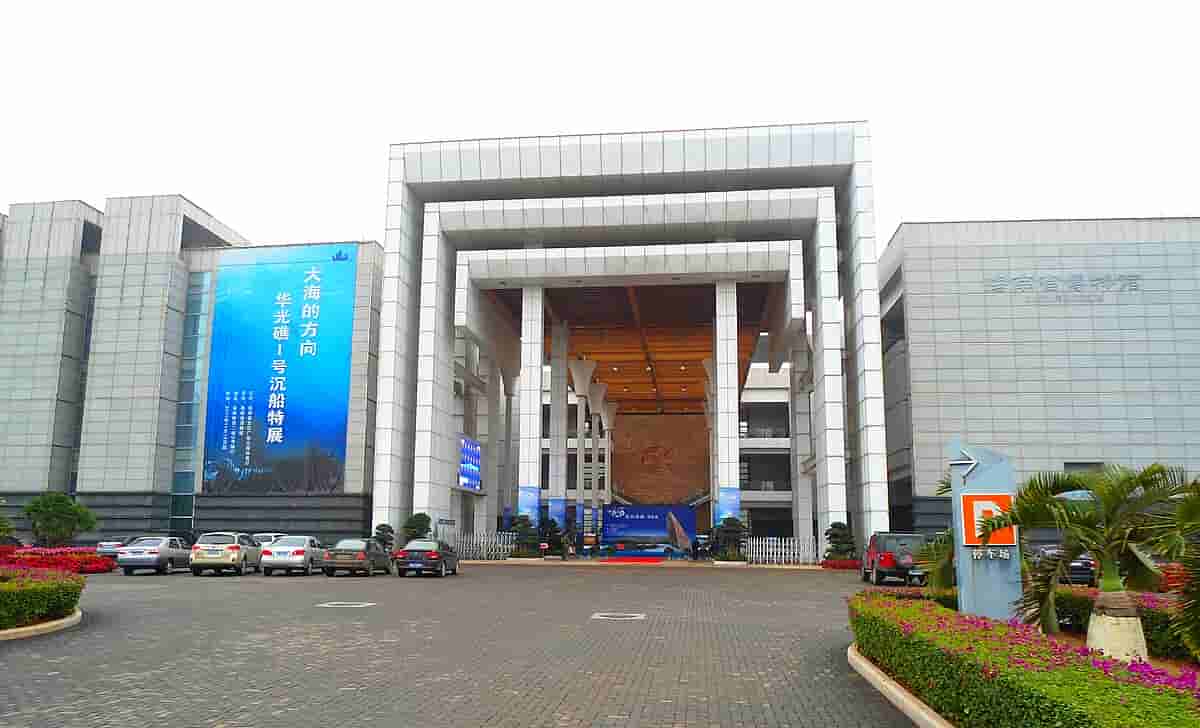
Hainan Museum
Explore the rich cultural heritage of Hainan province at this impressive museum with stunning architecture.
🏘️ Neighborhoods
Longhua (Old Town)
The historic heart of Haikou, famed for its well-preserved Qilou arcade buildings, temples, and traditional shops. A maze of charm and history.
Xiuying
A central commercial and transportation hub, home to the main ferry terminal, major bus stations, and dense local residential life.
Haikou Bay / Meilan
The modern face of the city, featuring luxury hotels, the Convention Center, wide promenades, and stunning bay views.
Guomao / Evergreen
The central business district with towering skyscrapers, upscale shopping malls, international restaurants, and a bustling daytime vibe.
West Coast
A lengthy stretch of coastline featuring Holiday Beach, public parks, and resort hotels. Focused on seaside leisure and relaxation.
Qiongshan
A quieter, more suburban district in the south, offering access to cultural sites like Wugong Temple and a glimpse of local daily life away from the tourist centers.
🍽️ Local Cuisine
Haikou is a paradise for seafood lovers and those seeking light, flavorful Hainanese cuisine. The signature dish is Wenchang Chicken, featuring tender, poached chicken served with fragrant rice cooked in chicken broth, ginger, and garlic paste. Hainanese Seafood Hotpot is a must-try communal experience, where you cook fresh prawns, fish, and shellfish in a light broth at your table. Other specialties include Hele Crab, Jiaji Duck, and various rice noodle dishes. Dining is a social, relaxed affair. For the freshest and most atmospheric experience, head to the sprawling Qilou Snack Street in the Old Town or the bustling seafood markets along the coast, where you pick your catch and have it cooked for a small fee. Street food stalls offer delicious and cheap bites like coconut rice cakes and grilled oysters. Price ranges are wide: a hearty street food meal can cost under 30 RMB, a local restaurant meal 50-150 RMB per person, and upscale seafood dinners 200+ RMB. Etiquette is generally informal, though trying a few words of Mandarin is appreciated.
💡 Local Tips
🚗 Day Trip Ideas
Wenchang
Visit the hometown of Hainanese chicken and explore the historic Song's Ancestral Home and the modern Wenchang Satellite Launch Center.
Ding'an
Discover the ancient Ding'an Old Town, a well-preserved Ming/Qing dynasty settlement offering a step back in time.
Chengmai Coffee Plantations
Tour the lush coffee plantations of Fushan, learn about Hainan's coffee culture, and sample locally grown brews.
Danzhou (Ancient Yangpu Salt Field)
Witness a 1,200-year-old salt harvesting technique at this fascinating and photogenic UNESCO cultural heritage site.
Qionghai (Bo'ao)
Visit the scenic town of Bo'ao, home to the famous forum site, and enjoy the pristine sands of its nearby beaches.
Leiqiong UNESCO Global Geopark (Extended)
Explore the wider volcanic region beyond Haikou's main park, including crater lakes and traditional volcanic stone villages.
🛡️ Safety Tips
Haikou is generally a very safe city for travelers, with low rates of violent crime. Standard precautions apply: be aware of your belongings in crowded areas like markets and bus stations to guard against petty theft. Common scams are rare but can include overcharging by unofficial taxi drivers or at some tourist-oriented markets—always use metered taxis or ride-hailing apps. Traffic can be chaotic; exercise extreme caution when crossing streets, even at marked crosswalks. Health-wise, drink bottled water, and be mindful of food hygiene at street stalls (opt for busy ones with high turnover). The sun is strong year-round, so sun protection is essential. Emergency numbers are 110 for police, 120 for medical ambulance, and 119 for fire. During the typhoon season (July-Oct), monitor weather reports and follow official advisories.
💰 Budget Guide
Haikou can cater to various budgets. A budget traveler can manage on 250-400 RMB per day: dorm beds or basic guesthouses (80-150 RMB), street food and local eateries (60-100 RMB), public buses/bikes (10-20 RMB), and free/low-cost attractions like parks and the Old Town. Mid-range travelers should budget 500-900 RMB daily: comfortable 3-4 star hotels (250-500 RMB), meals at nice local restaurants (100-200 RMB), occasional taxis (50-100 RMB), and paid entrance fees (e.g., Volcanic Geopark ~60 RMB). A luxury daily budget of 1200+ RMB covers 5-star resorts or boutique hotels (600+ RMB), fine dining, private tours, and spa treatments. Money-saving tips: travel during the off-peak summer season for hotel deals, use bike-sharing extensively, eat at busy local food streets, and visit many of the city's excellent free public parks and beaches.