Welcome to Guiyang
Nestled in the heart of China's southwestern Guizhou province, Guiyang emerges as a captivating paradox—a modern provincial capital cradled by lush, rolling mountains and steeped in the rich traditions of the Miao and Dong ethnic minorities. Known as the 'Forest City' for its verdant, park-like setting and remarkably clean air, Guiyang offers a refreshing escape from China's more frenetic metropolises. It serves as the perfect gateway to explore the stunning karst landscapes of the region while providing its own unique urban charm. The city's infrastructure has blossomed to welcome the growing number of curious travelers, with a robust selection of over 1204 hotels catering to every preference, from budget-friendly hostels to luxurious international chains. Whether you're drawn by the historic silhouette of Jiaxiu Tower against the skyline, the serene paths of Qianling Mountain Park, or the vibrant local markets, Guiyang promises an authentic and immersive journey into a less-traveled corner of China.
Overview
Guiyang, the capital of Guizhou Province, boasts a history stretching back over 600 years. Its development was historically shaped by its strategic location along ancient trade routes. Today, it's a bustling modern hub famous for its big data industry, earning the nickname 'China's Big Data Valley.' Culturally, the city is a fascinating blend of Han Chinese and numerous ethnic minority groups, most notably the Miao and Bouyei, whose influences are evident in festivals, cuisine, and handicrafts. The city is famous for its incredibly pleasant summer climate, rarely exceeding 30°C (86°F), making it a popular summer retreat. Key districts include the bustling city center around the landmark Jiaxiu Tower, the commercial and transport hub near Guiyang North Railway Station, and the more modern developments in the Guanshanhu district. Guiyang is also renowned for its natural beauty, with parks and mountains integrated directly into the urban fabric, offering residents and visitors alike easy access to green spaces.
🗓️ Best Time to Visit
The best time to visit Guiyang is from late spring to early autumn, specifically between May and October. During these months, the weather is pleasantly warm and mild, with average temperatures ranging from 20°C to 25°C (68°F to 77°F), earning Guiyang its reputation as a 'Summer Capital.' This period is ideal for exploring the city's outdoor parks and taking day trips to surrounding natural attractions. The peak tourist season aligns with summer holidays (July-August) and major festivals. The rainy season occurs from May to July, bringing frequent but often brief showers. Autumn (September-October) is particularly lovely with clear skies and comfortable temperatures. Winter (December-February) is the off-peak season; it's chilly, damp, and overcast, though hotel prices are at their lowest. Major events include the vibrant ethnic minority festivals throughout the year, such as the Lusheng Festival and Sister's Meal Festival, often held in spring and autumn.
🌤️ Weather & Climate
Guiyang enjoys a subtropical humid monsoon climate characterized by mild temperatures year-round, abundant rainfall, and high humidity. It is famously cool in summer and damp and chilly in winter, with no extreme heat or severe cold.
Seasons
Spring
💨 Humidity: high
Mild and increasingly rainy. Flowers bloom, but always carry an umbrella for frequent showers.
Summer
💨 Humidity: high
The coolest summer among major Chinese cities. Warm days, frequent rain, and high humidity make it lush and green.
Autumn
💨 Humidity: moderate
The most pleasant season with mild temperatures, less rain, and clear skies. Ideal for outdoor exploration.
Winter
💨 Humidity: high
Damp, overcast, and chilly with occasional light frost or sleet. Indoor heating is not universal, so it can feel colder than the temperature suggests.
Monthly Weather Details
January Weather
Best for: indoor cultural sites, temple visits
February Weather
Best for: Spring Festival celebrations, indoor activities
March Weather
Best for: early spring park visits
April Weather
Best for: hiking, botanical garden
May Weather
Best for: outdoor sightseeing (with umbrella)
June Weather
Best for: escaping summer heat, mountain parks
July Weather
Best for: summer retreat, Qianling Park
August Weather
Best for: ethnic festivals, outdoor dining
September Weather
Best for: ideal sightseeing, day trips
October Weather
Best for: perfect weather for all activities
November Weather
Best for: autumn foliage, city walks
December Weather
Best for: budget travel, museum visits
🎒 What to Pack
All Year Round
- umbrella or rain jacket
- comfortable walking shoes
- layers
🚗 Getting Around
Guiyang's public transportation system is efficient and affordable. The city's metro network, while still expanding, connects key areas like Guiyang North Railway Station, the city center, and the airport (Longdongbao). Buses cover an extensive network and are very cheap, though routes can be challenging for non-Mandarin speakers. Taxis and ride-hailing apps like Didi are plentiful and inexpensive for shorter trips within the city; always ensure the meter is used. For airport transfers, the metro Line 2 offers a direct and cheap connection to downtown, while taxis are available outside arrivals. Walking is enjoyable in the compact city center and around major parks. While biking is possible, the hilly terrain can be challenging; look for shared bike options for shorter, flatter routes. Overall, transport costs are low: metro/bus fares start at 2 RMB, taxi flag fall is around 10 RMB, and a cross-city ride rarely exceeds 50 RMB.
🎯 Top Attractions
Jiaxiu Tower
A historic pavilion on the Nanming River, symbolizing Guiyang with its Ming dynasty architecture.
Qianling Mountain Park
A popular park with lush greenery, hiking paths, and the Hongfu Temple, a significant Buddhist monastery.
Hongfu Temple
A renowned Buddhist temple situated on Qianling Mountain, known for its serene atmosphere and architecture.
Guiyang Longdongbao Airport
The main airport serving Guiyang, with domestic and international flights.
Qianling Park
A large urban park centered around Qianling Mountain, featuring hiking trails, a zoo, and historic sites.
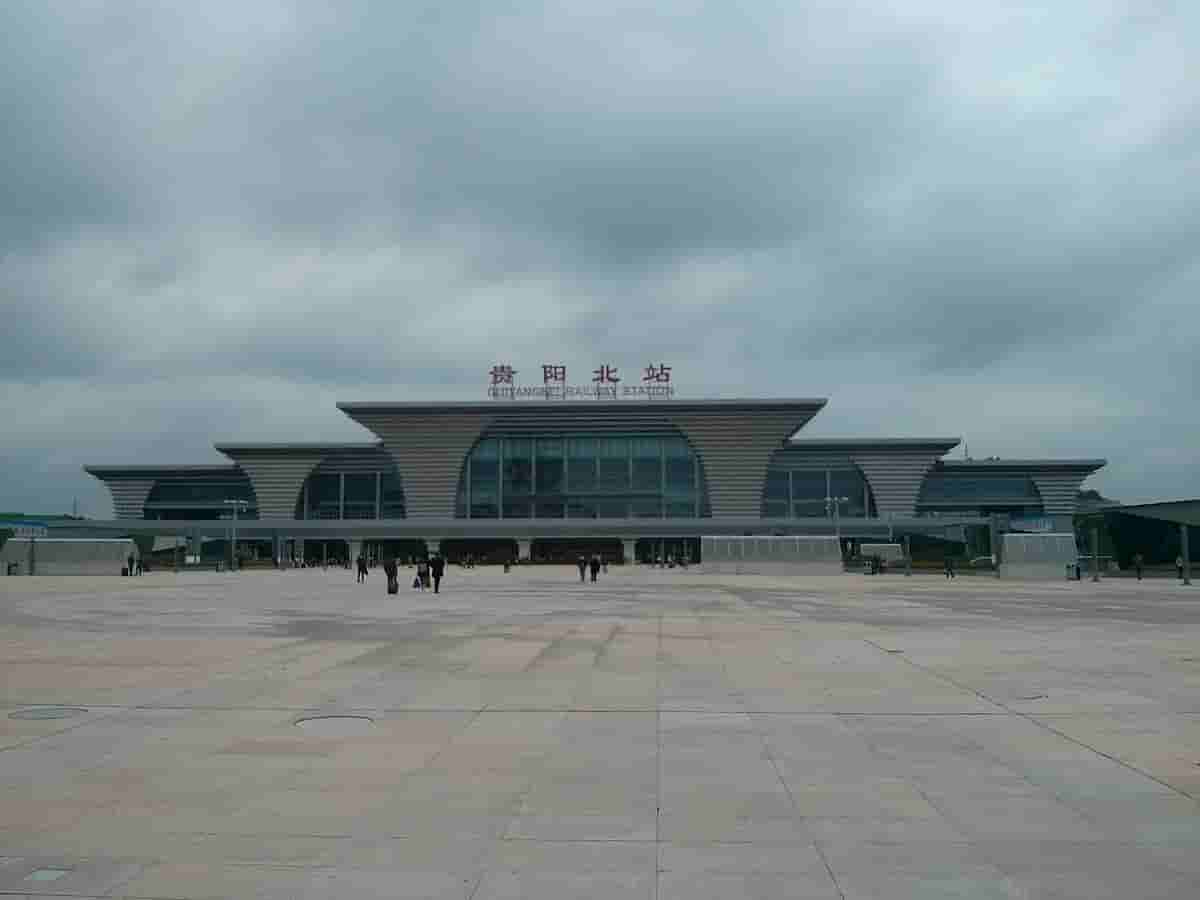
Guiyang North Railway Station
A major transportation hub providing high-speed rail services to various destinations in China.
Wanda Plaza
Large shopping and entertainment complex with many dining options.
Daximen West Zhongshan Metro Station
Metro station providing easy access to Guiyang's attractions.
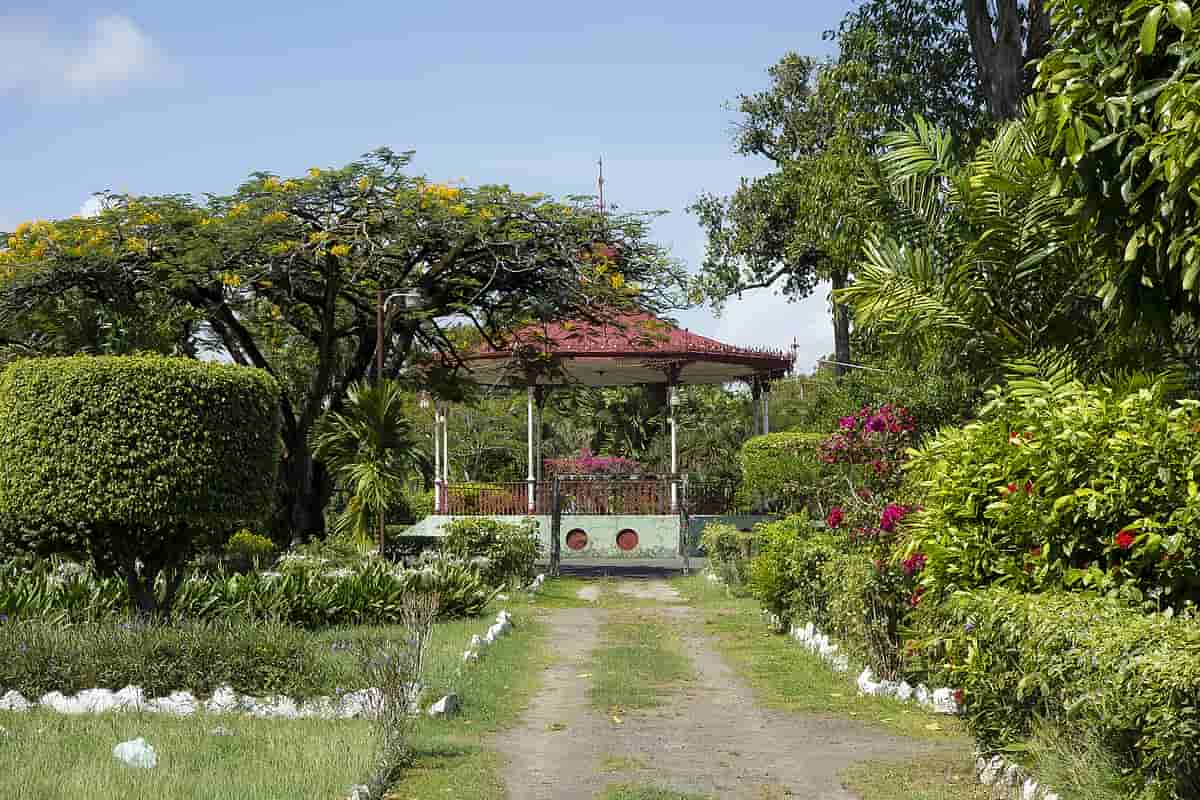
Guiyang Botanical Garden
A large garden showcasing diverse plant species, with walking trails and educational exhibits.
Qianlingshan Zoo
Zoo within the park with a variety of animal exhibits.
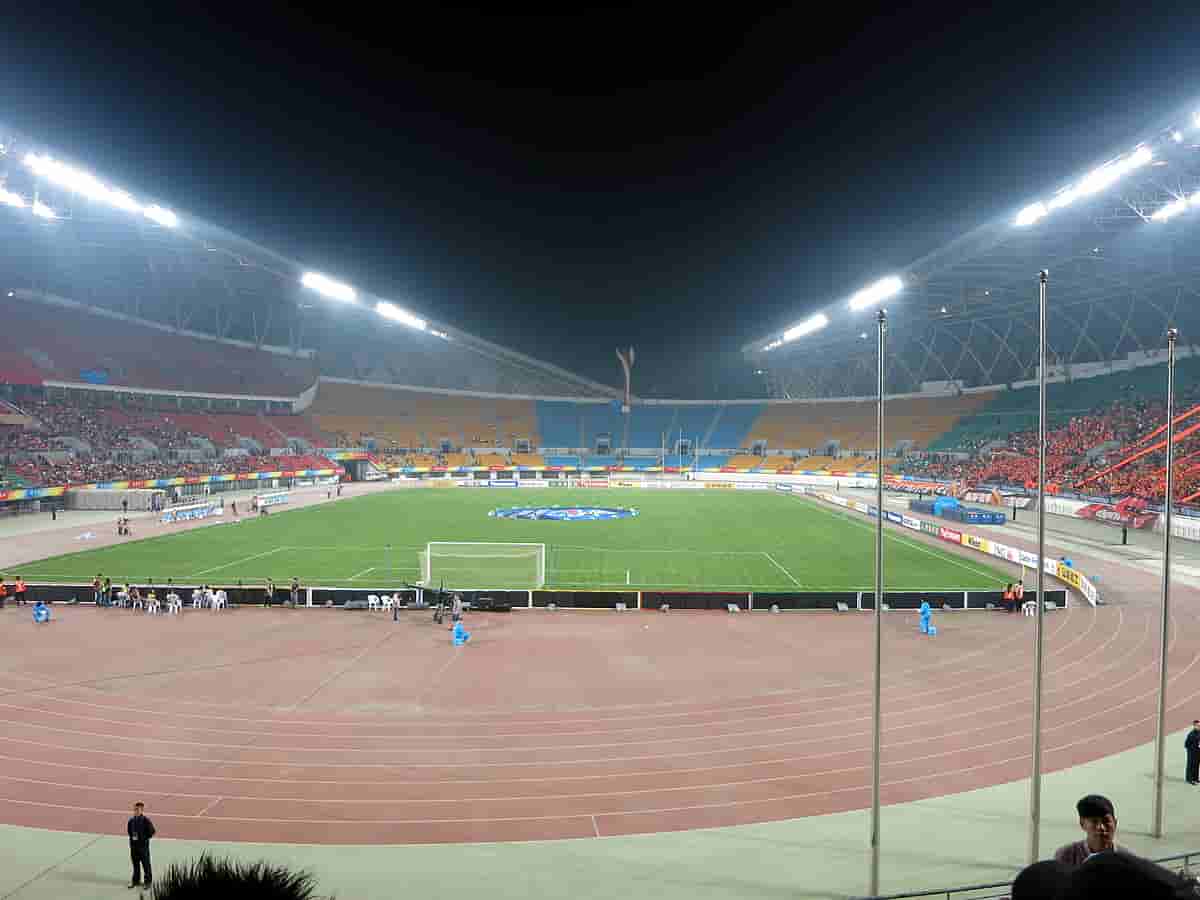
Guiyang Olympic Sports Center
A modern sports venue hosting various athletic events and concerts, with a distinctive design.
Guiyang Forest Park
A large forested area ideal for outdoor activities, picnics, and enjoying nature away from the city.
🏘️ Neighborhoods
Yunyan (City Center)
The historic and commercial heart, home to Jiaxiu Tower, shopping streets, and major hotels. Bustling with energy and convenient for first-time visitors.
Guanshanhu
The modern new district, featuring skyscrapers, international hotels, and the Guizhou Provincial Museum. Represents Guiyang's rapid development.
Nanming (Around Qianling Park)
A greener, more residential area centered around the vast Qianling Mountain Park and Hongfu Temple. Offers tranquility and easy access to nature.
Baiyun District
A quieter suburban area with some industrial history, now developing. More local in feel and closer to the Baiyun Metro line.
Wudang District
Home to the Guiyang North Railway Station, making it a major transport hub. Features large shopping malls like Wanda Plaza for convenience.
Xiaohe
A university district with a youthful, energetic vibe. Plenty of affordable eateries, cafes, and a lively street scene fueled by the student population.
🍽️ Local Cuisine
Guiyang is a paradise for adventurous food lovers, famous for its sour and spicy flavors. The cornerstone of local cuisine is 'Si Wa Wa' (丝娃娃), a DIY wrap of thin pancakes filled with a variety of shredded vegetables and doused in a tangy sauce. Another must-try is 'Chang Wang Mian' (肠旺面), a hearty noodle soup featuring pork intestine, blood curd, and a spicy broth. Street food is integral to the culture; explore the bustling snack streets like Erqi Road (二七路) for treats like grilled fish, stinky tofu, and 'Liu Jiao' (烙锅), a sizzling hotplate dish. Dining is casual and communal. Price ranges are very reasonable: a filling street food meal can cost 20-40 RMB, a local restaurant meal 50-80 RMB per person, and upscale dining 150 RMB+. Etiquette is relaxed; don't be shy to point at what you want. Embrace the spice level, but you can often request 'wei la' (微辣) for mild.
💡 Local Tips
🚗 Day Trip Ideas
Qingyan Ancient Town
A well-preserved Ming-era town with stone streets, ancient city walls, temples, and local snacks. A glimpse into historical Guizhou.
Huangguoshu Waterfall
China's largest waterfall, a spectacular cascade set in a karst landscape. Part of a larger scenic area with several smaller falls and caves.
Tianhe Tan (Heavenly Pool)
A serene scenic area featuring a beautiful lake, karst peaks, and caves. Ideal for boating, hiking, and enjoying nature.
Kaili & Xijiang Miao Village
Venture deeper into Miao territory. Kaili is a hub, but Xijiang is the world's largest Miao village, offering incredible cultural immersion.
Longgang Wudang Karst National Geological Park
Features towering karst stone forests, natural bridges, and caves. Great for geology enthusiasts and photographers.
🛡️ Safety Tips
Guiyang is generally a very safe city for travelers, with a low crime rate. Violent crime against tourists is rare. The most common issues are petty theft like pickpocketing in crowded areas such as markets, train stations, and busy buses. Be cautious with your belongings in these spots. Traffic can be chaotic; always use marked crosswalks and be alert when crossing streets. Scams are not widespread, but be wary of overly friendly strangers inviting you for tea or to play games, which can lead to exorbitant bills. Emergency numbers: Police 110, Fire 119, Ambulance 120. For health, drink bottled or boiled water. The high humidity can be taxing; stay hydrated. Medical facilities in the city center are adequate for minor issues, but travel insurance is recommended. Overall, exercise standard urban vigilance and you will find Guiyang welcoming and secure.
💰 Budget Guide
Guiyang is an affordable destination by Chinese standards. A budget traveler can manage on 200-300 RMB per day: dorm beds (50-80 RMB), street food meals (15-30 RMB), public transport (10-20 RMB), and free attractions like parks. Mid-range travelers spending 400-700 RMB daily can enjoy comfortable hotel rooms (from 250-400 RMB), sit-down restaurant meals (50-100 RMB per person), taxi rides, and paid entrance fees to major sites. A luxury budget of 1000+ RMB per day affords 4-5 star hotels (500+ RMB), fine dining, private guides, and spa treatments. Money-saving tips: Use the metro and buses, eat at local noodle shops and food streets, visit free parks and temples, and travel during the off-peak winter season for the lowest hotel rates. Many museums are free. Bargaining is expected at markets but not in fixed-price stores. Overall, your money goes far in Guiyang.