Welcome to Guilin
Nestled in the dramatic karst landscape of Guangxi, Guilin is a city that has inspired poets and painters for centuries with its ethereal beauty. While the city itself is administratively part of Guangxi Zhuang Autonomous Region, its fame as China's premier scenic destination resonates from Beijing to the world. The phrase "Guilin's landscape is the best under heaven" is no mere boast; it's a lived reality where limestone pinnacles rise like dragon's teeth from the earth, mirrored in serene rivers. This is a place where urban life unfolds against a backdrop so stunning it feels theatrical. Modern Guilin seamlessly blends this natural wonder with comfortable amenities, offering visitors a gateway to an otherworldly region. With a robust tourism infrastructure that includes 904 hotels catering to every taste and budget, finding your perfect base to explore this dreamscape is effortless. Whether you're drifting down the Li River, exploring mystical caves, or wandering through vibrant night markets, Guilin promises an immersion into a landscape that has defined Chinese aesthetic ideals for generations.
Overview
Guilin's history spans over 2,000 years, serving as a key political and cultural center in southern China. Its name, meaning 'Forest of Sweet Osmanthus,' comes from the fragrant trees that line its streets. The city's global reputation is built upon the surreal karst topography formed by ancient seabeds, creating the iconic pinnacle and tower landscapes that dominate the region. Culturally, it is a hub for several ethnic groups, most notably the Zhuang, Yao, and Miao, whose traditions enrich local festivals, markets, and crafts. Guilin is famously the starting point for the Li River cruise to Yangshuo, a journey through a living ink-wash painting. Key districts include the bustling city center around Zhengyang Pedestrian Street, the scenic area near Seven Star Park and Elephant Trunk Hill, and the transport hubs around Guilin North Railway Station and the airport. The city is celebrated not just for its natural wonders like Reed Flute Cave but also for its laid-back atmosphere, making it a perfect blend of scenic awe and relaxed exploration.
🗓️ Best Time to Visit
The best times to visit Guilin are spring (April to May) and autumn (September to early November). These seasons offer mild temperatures, lower humidity, and clear skies, ideal for outdoor activities and river cruises. The landscape is particularly lush in spring, with blooming flowers, while autumn provides golden light and comfortable hiking conditions. Summer (June-August) is the peak tourist season, coinciding with school holidays; it is hot, humid, and rainy, though the rivers are full and vegetation is vibrant. This period sees the highest crowds and prices. The rainy season from May to July can cause the Li River to become muddy and swollen, occasionally disrupting cruises. Winter (December-February) is the off-peak season: it's chilly and damp, with some attractions being less crowded, but the misty atmosphere can create beautifully moody scenes. Major events include the Longsheng Red Yao Hair Festival in spring and various mid-autumn celebrations.
🌤️ Weather & Climate
Guilin has a humid subtropical monsoon climate with four distinct seasons. It features hot, humid summers and cool, damp winters, with abundant rainfall throughout the year, particularly from spring to early summer.
Seasons
Spring
💨 Humidity: high
Warming temperatures with frequent rain showers. The landscape is lush and green, but river cruises may be affected by high water.
Summer
💨 Humidity: high
Hot, humid, and rainy. Peak tourist season despite the heat. Afternoon thunderstorms are common. Rivers are full but can be muddy.
Autumn
💨 Humidity: moderate
The most pleasant season with mild temperatures, low humidity, and clear skies. Ideal for all outdoor activities and photography.
Winter
💨 Humidity: high
Chilly and damp with overcast skies. Rarely sees snow, but the mist creates atmospheric scenes. Fewer tourists but less comfortable for extended outdoor time.
Monthly Weather Details
January Weather
Best for: indoor activities, cultural sites
February Weather
Best for: festivals, misty landscape photography
March Weather
Best for: early spring hikes
April Weather
Best for: sightseeing, river cruises (weather permitting)
May Weather
Best for: lush landscape viewing
June Weather
Best for: river activities
July Weather
Best for: early morning outings
August Weather
Best for: night markets, cave exploration
September Weather
Best for: ideal sightseeing and cruising
October Weather
Best for: hiking, photography, outdoor festivals
November Weather
Best for: comfortable exploration
December Weather
Best for: budget travel, avoiding crowds
🎒 What to Pack
All Year Round
- umbrella or raincoat
- comfortable walking shoes
- power adapter
- reusable water bottle
🚗 Getting Around
Guilin is a manageable city for travelers. The public bus network is extensive and cheap (¥1-2 per ride), covering most attractions, though route information is primarily in Chinese. Taxis are plentiful and affordable for shorter trips; ensure the meter is used or agree on a price beforehand. Ride-hailing apps like Didi are widely used and convenient. For the ultimate Guilin experience, renting a bicycle (available at many hostels and shops) is a fantastic way to explore the city paths and nearby countryside at your own pace. Walking is pleasant in the city center and along the riverbanks. For airport transfers, taxis take about 40 minutes to the city center (¥80-120), while airport shuttle buses are a cheaper option (¥20). The high-speed train station (Guilin North) is well-connected by bus and taxi. For trips to major attractions like the Reed Flute Cave or Seven Star Park, a combination of bus, taxi, or organized tour is most efficient.
🎯 Top Attractions
Guilin Airport
Main airport serving the Guilin region with scenic flight views.
Dongan Area
Local district with markets and traditional architecture.

Li River
Famous for its stunning karst landscape, offering scenic cruises and photography spots.
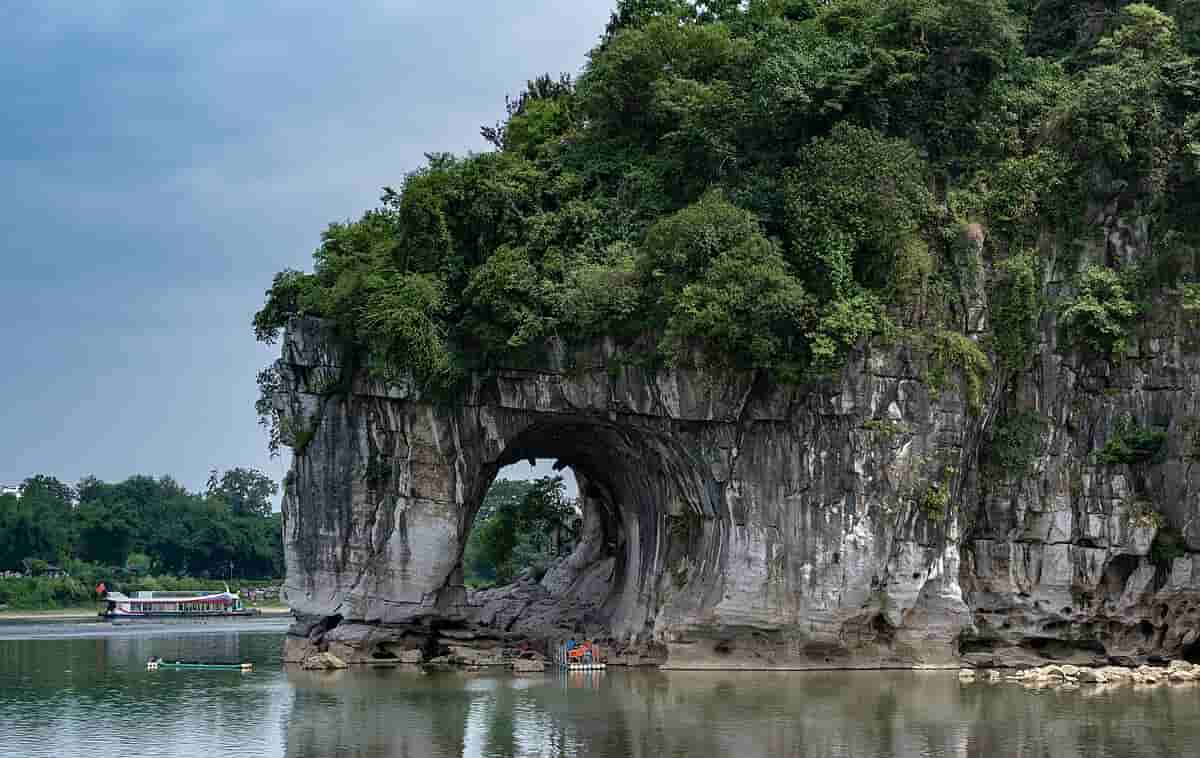
Elephant Trunk Hill
Marvel at the iconic natural landmark that resembles the shape of an elephant's trunk dipping into the Li River.
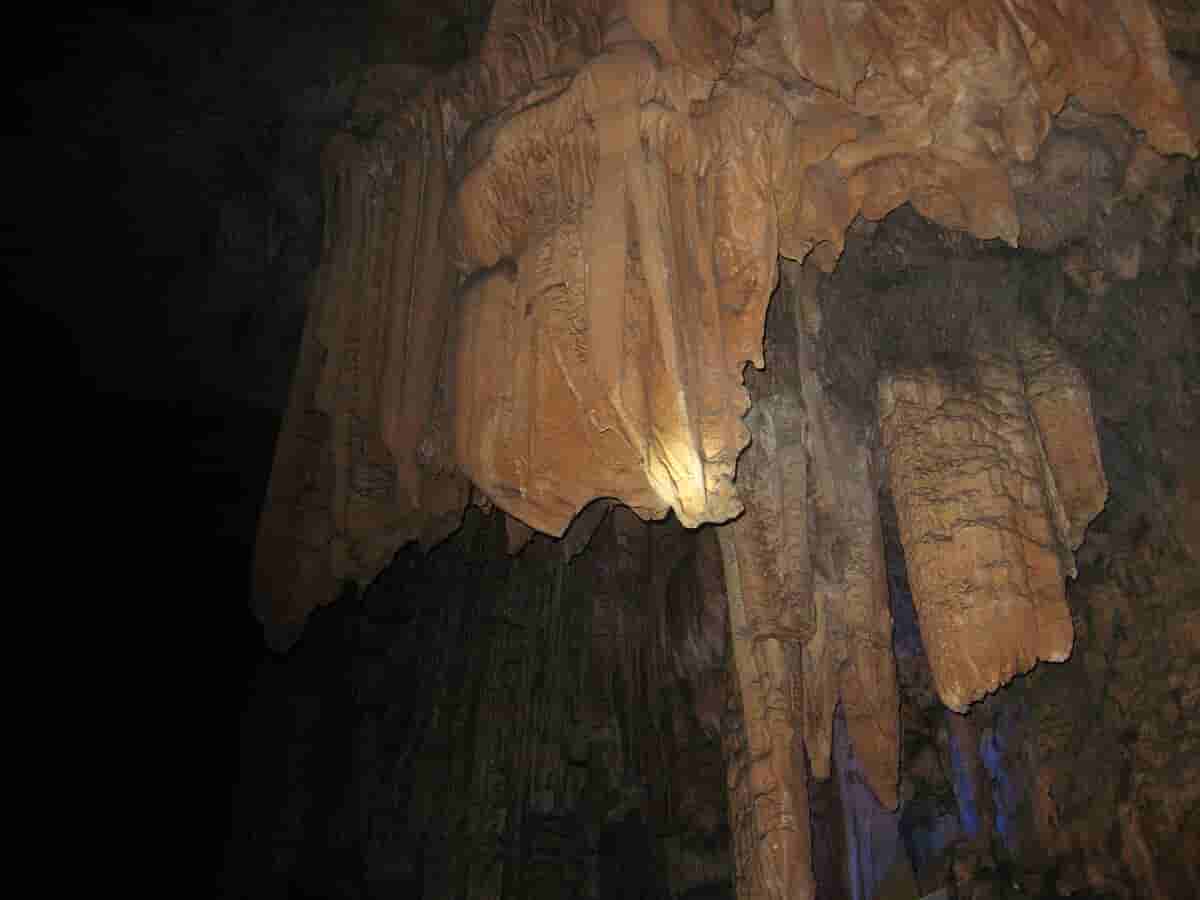
Reed Flute Cave
Explore the stunning limestone cave system, with its dramatic stalactites, stalagmites, and multicolored lighting displays.
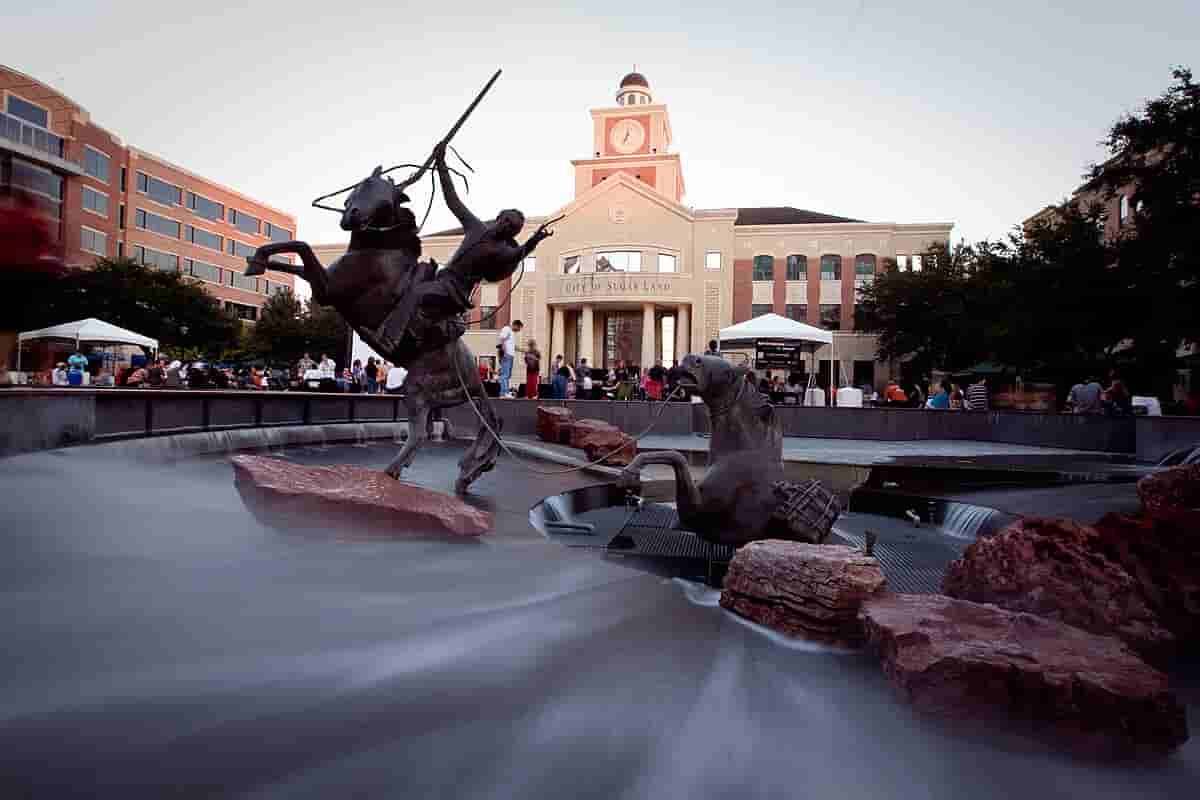
Sunac Land
A large integrated resort complex with a water park, shopping, and entertainment.
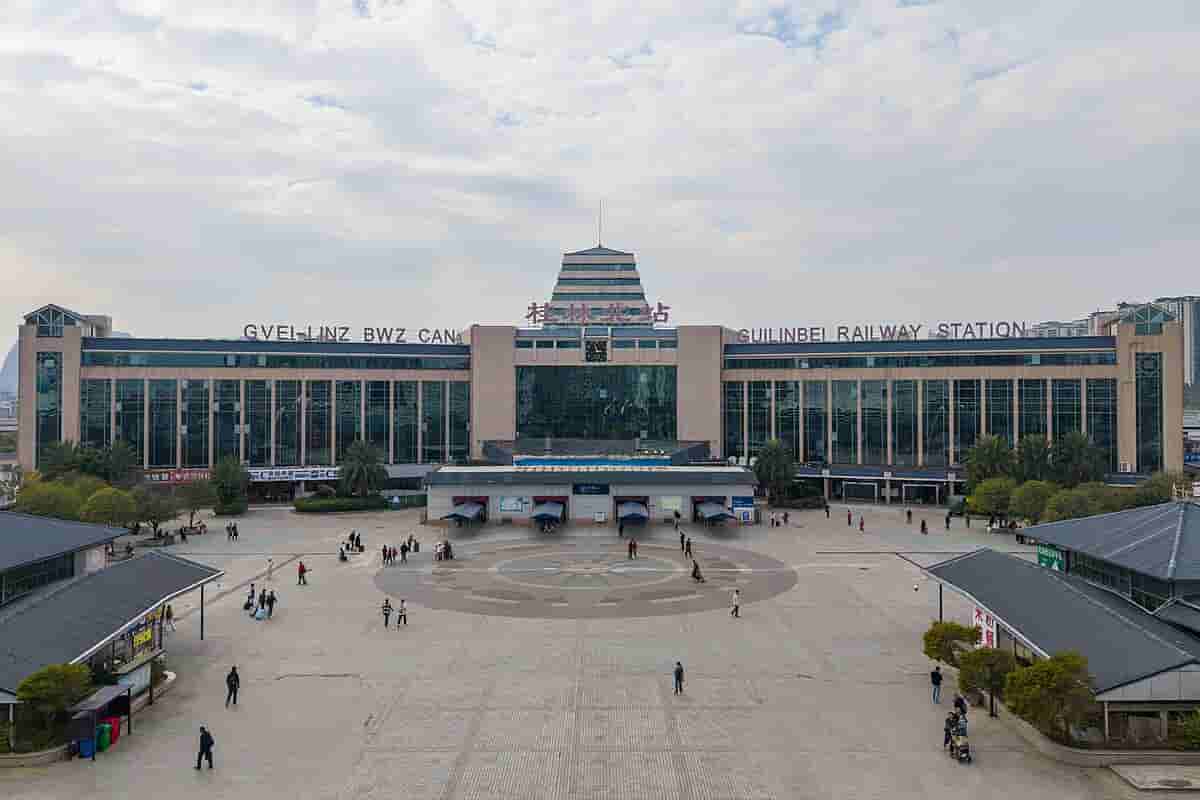
Guilin North Railway Station
Major railway hub providing high-speed train connections to other cities in China.
Seven Star Park
Guilin's largest comprehensive park, featuring hills, caves, a zoo, and monuments.
Guilin Night Market
Vibrant market open in the evenings, famous for street food, souvenirs, and local crafts.

Guilin Zoo
A zoo located within Seven Star Park, home to a variety of animals.
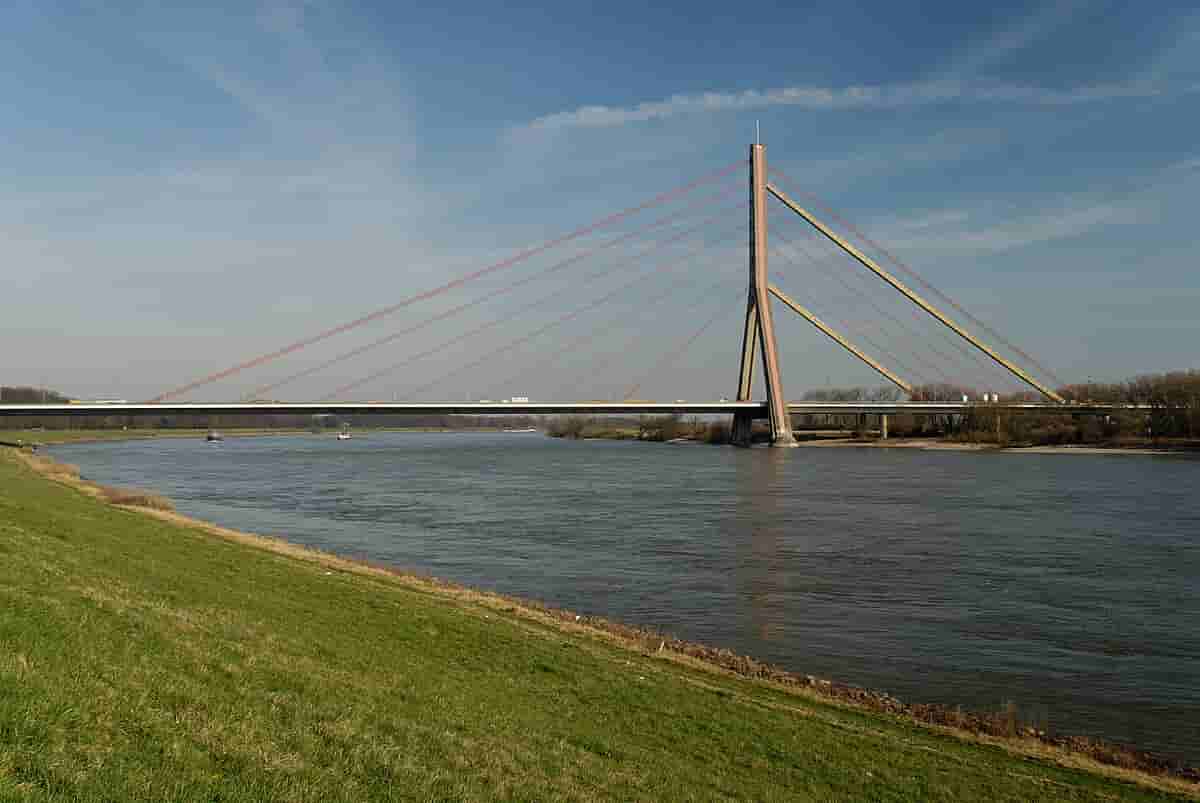
Flower Bridge
Historic bridge offering picturesque views of the park.
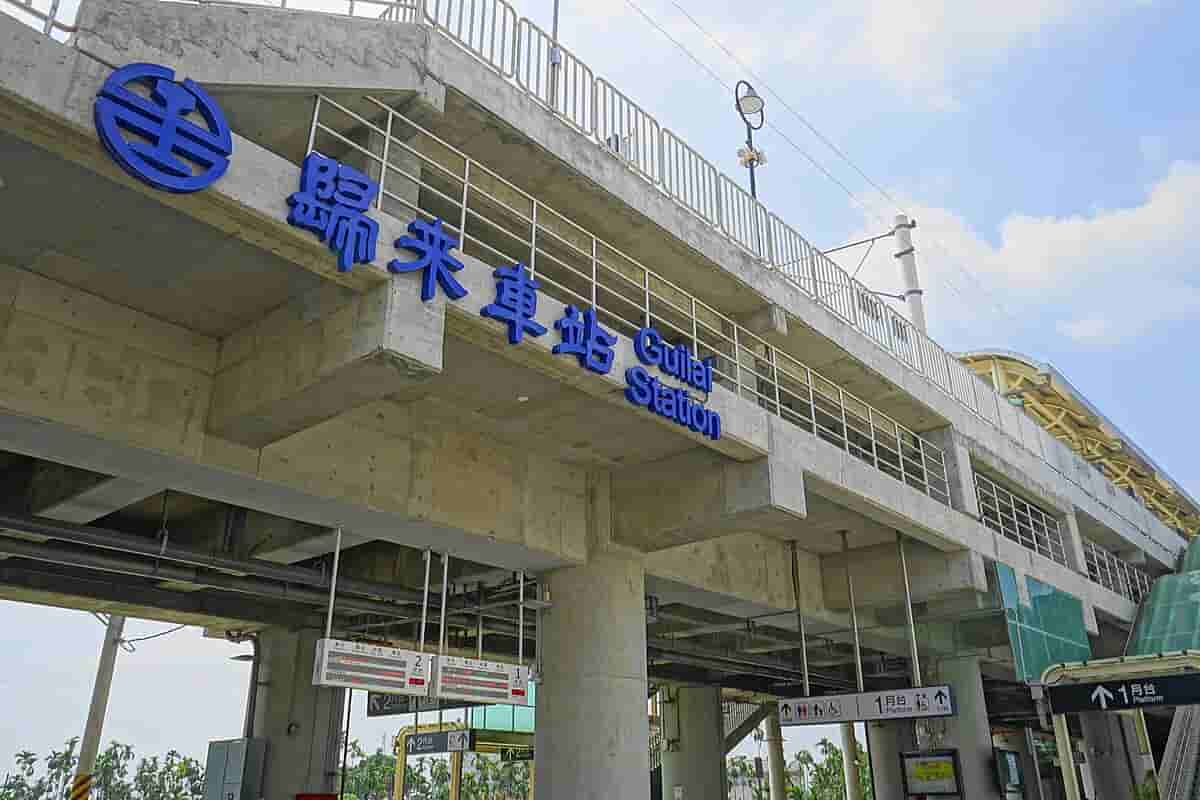
Guilin Railway Station
A major transportation hub providing easy access to Guilin's famous karst landscape attractions.
🏘️ Neighborhoods
City Center (Zhengyang Area)
The bustling heart of Guilin, centered on Zhengyang Pedestrian Street. Packed with shops, restaurants, hotels, and close to the scenic Two Rivers and Four Lakes area.
Seven Star Park Area
Located near the city's largest and most famous park. This area is greener, slightly quieter, and within walking distance of major sights like Seven Star Park and Camel Hill.
Elephant Trunk Hill & Li River Bank
The most iconic scenic area of the city, home to the symbol of Guilin. Hotels here often have spectacular views of the karst peaks and the river.
Guilin North Railway Station Area
A modern transport hub with many new hotels and commercial complexes. Very convenient for arrivals/departures by high-speed rail but further from the classic scenic core.
Dongan Area
A developing commercial and residential district. Offers a more local, everyday feel with good local dining options and access to the Dong'an Market.
Airport Area
Primarily functional, with airport hotels and some logistics businesses. Not ideal for sightseeing due to distance from the city center (about 40 minutes drive).
🍽️ Local Cuisine
Guilin cuisine is a highlight, characterized by fresh ingredients, aromatic spices, and influences from local ethnic groups. The undisputed king is Guilin Rice Noodles (Guilin mifen), a breakfast staple featuring silky rice noodles in a savory broth, topped with sliced beef, peanuts, and pickled vegetables. Beer Fish, a dish from Yangshuo but ubiquitous in Guilin, features river fish braised in local beer and spices. Other must-tries include Lipu Taro Looped Meat (stewed pork with taro) and Oil Tea, a savory, slightly bitter tea soup enjoyed by the Dong and Yao people. Dining culture is casual and communal. The best food areas are the Zhengyang Pedestrian Street, the Guilin Night Market (Zhongshan Road), and the food stalls around Seven Star Park. Meals range from ¥15 for a bowl of rice noodles to ¥100+ per person for a restaurant feast. Etiquette is relaxed; using chopsticks is standard, and it's common to share dishes placed in the center of the table.
💡 Local Tips
🚗 Day Trip Ideas
Yangshuo
The picturesque town at the end of the Li River cruise, surrounded by stunning karst peaks. Famous for its West Street, outdoor activities like biking and rock climbing, and the "Impression Sanjie Liu" show.
Longsheng Rice Terraces (Longji)
Breathtaking, centuries-old terraced fields carved into the mountains by the Zhuang and Yao people. Different villages offer hiking and homestay experiences.
Daxu Ancient Town
A well-preserved ancient town on the east bank of the Li River, with old flagstone streets, Ming and Qing dynasty architecture, and a quieter atmosphere.
Silver Cave (near Yangshuo)
A magnificent karst cave known for its glittering crystal-like formations. Often combined with a trip to Yangshuo.
Jingjiang Prince City
Located within Guilin, this is a restored Ming-era princely complex with city walls, offering a glimpse into the area's royal history.
🛡️ Safety Tips
Guilin is generally a very safe city for travelers, with low violent crime rates. Standard precautions apply: be aware of your belongings in crowded areas like night markets and train stations. Common scams include overcharging by unofficial taxi drivers, "tea house" scams where tourists are lured in and presented with exorbitant bills, and inflated prices for souvenirs. Politely decline unsolicited guides or offers. Use licensed taxis or ride-hailing apps. Areas around major tourist sites can have persistent vendors; a firm "no thank you" (bù yào, xièxie) usually suffices. Tap water is not safe to drink; stick to bottled or boiled water. Emergency numbers: Police 110, Fire 119, Ambulance 120. It's advisable to have travel insurance and carry a card with your hotel's name and address in Chinese.
💰 Budget Guide
Guilin can suit various budgets. A budget traveler can manage on ¥250-400 ($35-55) per day: dorm bed (¥60-100), street food and local meals (¥80), public transport (¥20), and free/low-cost sights (parks, walking). Mid-range travelers spending ¥600-1000 ($85-140) daily can enjoy private hotel rooms (from the average of $93/night), restaurant meals, taxi rides, and paid attractions like Reed Flute Cave (¥90) or Li River cruises (starting around ¥200). Luxury budgets of ¥1500+ ($210+) afford high-end hotels, fine dining, private guides, and premium cruise tickets. Money-saving tips: Travel in the off-season (winter) for lower accommodation rates, eat at local noodle shops, use public buses, buy combination tickets for attractions, and bargain at markets. Many parks, like Seven Star Park, have modest entry fees and offer hours of exploration.