Welcome to Fushun Shi
Nestled in the rolling hills of Liaoning province, Fushun Shi emerges as a city where China's industrial heritage meets unexpected natural beauty. Often overshadowed by its colossal neighbor Shenyang, Fushun carves its own identity as a place of profound historical significance and resilient transformation. Once hailed as the 'Coal Capital of China,' the city's landscape is dotted with reminders of its industrial past, now harmoniously balanced with lush forest parks and modern attractions. For travelers seeking a destination off the typical tourist trail, Fushun offers a compelling narrative of change. Its story is told through unique museums housed in former penitentiaries, scenic mountain retreats, and one of Asia's largest indoor ocean worlds. With a comfortable selection of 76 hotels catering to various preferences, finding a base to explore this multifaceted city is straightforward. Whether you're drawn to delve into 20th-century history, enjoy family-friendly entertainment, or simply soak in the atmosphere of a authentic northeastern Chinese city, Fushun presents a compact and intriguing one to two-day adventure that reveals the many layers of modern China.
Overview
Fushun's history is deeply intertwined with its rich natural resources, particularly coal and shale oil, which fueled its rise as a critical industrial powerhouse throughout the 20th century. This legacy is palpable, giving the city a gritty, authentic character. Culturally, it is a city in Liaoning, part of China's Northeast (Dongbei), known for the straightforward warmth of its people and its significant role in modern Chinese history. The city is famous for several unique attractions: the Fushun War Criminals Management Center Museum, which offers a sobering look at post-WWII history from a Chinese perspective; the sprawling Leifeng Mountain Scenic Area for outdoor pursuits; and the impressive Fushun Royal Ocean World, a massive indoor aquatic theme park. Key districts include the bustling city center around Fushun Business Area, the transport hub surrounding Fushun North Railway Station, and the greener, more recreational zones near the National Forest Park. While its industrial era has waned, Fushun is repurposing its past into tourist attractions and embracing its natural surroundings, making it a city of fascinating contrasts.
🗓️ Best Time to Visit
The best time to visit Fushun is during the temperate and pleasant months of late spring (May to early June) and early autumn (September to October). During these periods, daytime temperatures are comfortable, rainfall is moderate, and the foliage in areas like Leifeng Mountain and the National Forest Park is particularly beautiful. Summer (July-August) can be hot and humid, with the highest rainfall, but it's the peak season for families visiting Royal Ocean World. This season also sees various local festivals and outdoor events. Winter (November to March) is long, bitterly cold, and dry, with temperatures often well below freezing. While this off-peak season offers lower hotel rates and a stark, snowy landscape, many outdoor attractions are less accessible. The city's indoor museums and the ocean world remain viable year-round options. Major public holidays like Chinese New Year (January/February) and National Day (October) see an influx of domestic tourists, so booking in advance is crucial.
🌤️ Weather & Climate
Fushun experiences a temperate continental monsoon climate with four distinct seasons. Winters are long, dry, and very cold, while summers are short, hot, and humid. Spring and autumn are brief but pleasant transitions.
Seasons
Winter
💨 Humidity: low
Bitterly cold and dry with frequent snowfall. Heavy winter clothing is essential. Many outdoor attractions are less accessible.
Spring
💨 Humidity: moderate
A brief, pleasant season with warming temperatures and increasing greenery. Late spring is ideal for outdoor activities.
Summer
💨 Humidity: high
Hot, humid, and rainy. The peak tourist season for indoor attractions like Royal Ocean World. Be prepared for sudden downpours.
Autumn
💨 Humidity: moderate
Crisp, cool, and generally sunny. Foliage is beautiful, making it perfect for hiking and sightseeing.
Monthly Weather Details
January Weather
Best for: indoor museums, historical sites
February Weather
Best for: indoor museums, Chinese New Year events
March Weather
Best for: early spring sightseeing
April Weather
Best for: outdoor parks, sightseeing
May Weather
Best for: hiking, all outdoor activities
June Weather
Best for: outdoor activities, early summer visits
July Weather
Best for: indoor attractions (Ocean World)
August Weather
Best for: indoor attractions, avoiding peak heat
September Weather
Best for: hiking, sightseeing, ideal travel
October Weather
Best for: autumn foliage, outdoor activities
November Weather
Best for: late autumn sightseeing, indoor sites
December Weather
Best for: indoor museums, winter scenery
🎒 What to Pack
All Year Round
- power adapter
- comfortable walking shoes
- personal toiletries
- copies of passport/visa
🚗 Getting Around
Navigating Fushun is relatively straightforward. The city has an extensive public bus network that connects major districts, attractions, and transport hubs. Fares are very affordable, typically a flat rate of 1-2 RMB. Taxis are plentiful and inexpensive for shorter journeys; always ensure the meter is used. Ride-hailing apps like Didi Chuxing are widely used and offer a convenient alternative. For inter-city travel, the high-speed rail services at Fushun North Railway Station connect seamlessly to Shenyang (about 25 minutes) and other major cities, making it an excellent hub. The city itself is quite spread out, so walking is best confined to specific districts like the Business Area. Biking is an option with some bike-share services available, though traffic can be heavy. The nearest major airport is Shenyang Taoxian International Airport (SHE), about a 50-60 minute drive away. Transfers can be made via airport shuttle bus, taxi, or pre-booked private car. Overall, transport costs are low, making getting around very budget-friendly.
🎯 Top Attractions
Fushun War Criminals Management Center Museum
Historical museum detailing post-war history.
Leifeng Mountain Scenic Area
Natural park with hiking trails and scenic views.
Fushun Royal Ocean World
A large aquarium and theme park featuring marine life exhibits and entertainment shows.
Liaoning University of Petroleum and Chemical Technology
Major university campus in Fushun.
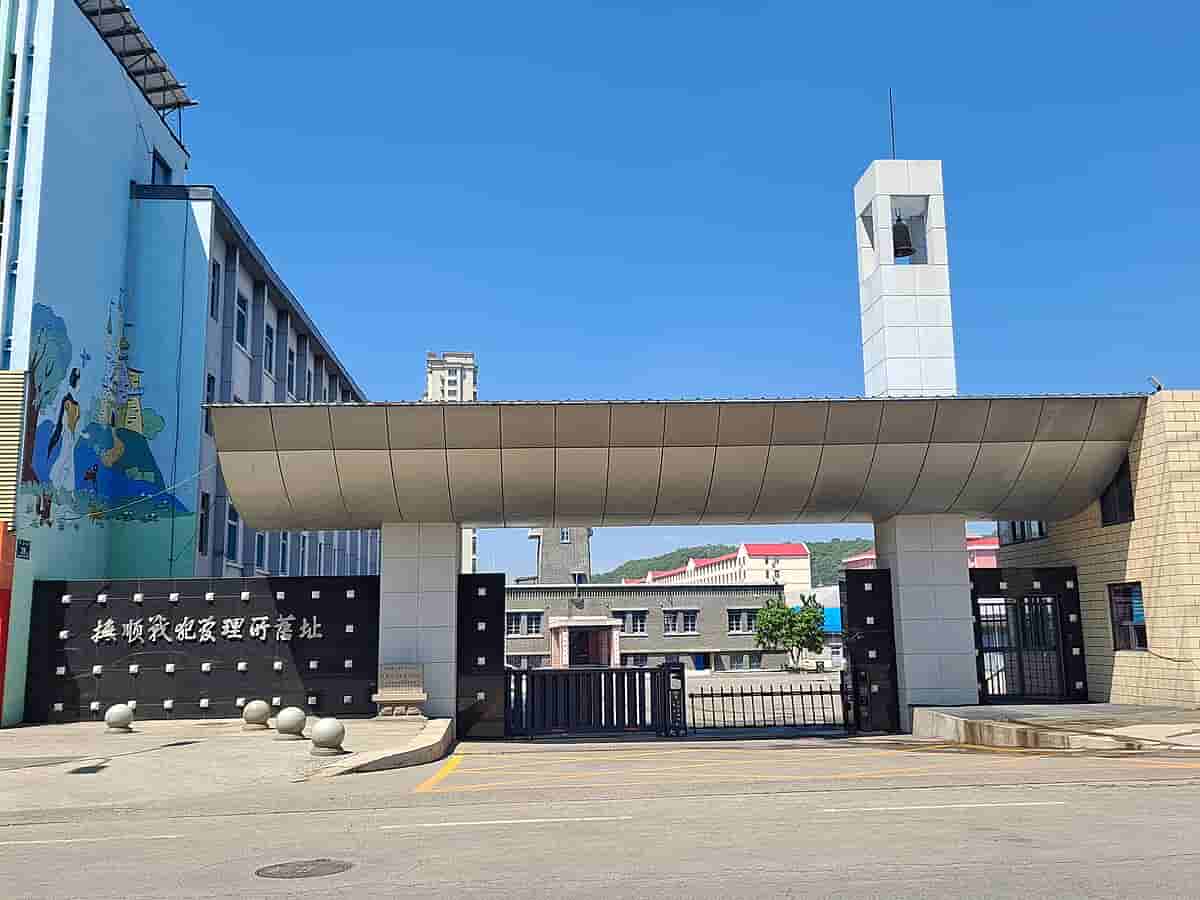
Fushun War Criminals Management Center
A historical site museum detailing the management of war criminals post-World War II.
Lei Feng Memorial Hall
Museum dedicated to Lei Feng, a soldier celebrated as a model of selflessness in China.
Fushun North Railway Station
Transport hub for high-speed trains.
Fushun Transport Hub
Integrated transport center.
Fushun Business Area
Area with offices and hotels.
Fushun National Forest Park
A vast forest park with hiking trails, wildlife, and natural scenery for outdoor enthusiasts.
Fushun Hot Springs
Natural hot springs known for therapeutic properties, offering spa treatments and relaxation.
Fushun Museum
Museum exhibiting local artifacts and historical items.
🏘️ Neighborhoods
Xinfu District (City Center/Business Area)
The bustling heart of Fushun, home to major shopping malls, department stores, and the primary commercial hub. Well-connected by transport and with a high concentration of the city's 76 hotels.
Shuncheng District (North Railway Station Area)
Centered around the main transport hub, Fushun North Railway Station. This area is practical for arrivals/departures and offers a range of accommodation and services for travelers.
Wanghua District (Royal Ocean World Area)
Located in the eastern part of the city, this district is dominated by the massive Fushun Royal Ocean World theme park. Hotels here often cater to families visiting the attraction.
Dongzhou District
A more residential and industrial area with access to some historical sites and the Lei Feng Memorial Hall. Offers a more local, less touristy atmosphere.
Leifeng Mountain Scenic Area
Not a traditional urban neighborhood, but the gateway area to the scenic park. Features some resort-style accommodations and is surrounded by natural beauty.
University Vicinity (Liaoning Shihua University)
The area around Liaoning University of Petroleum and Chemical Technology is lively with affordable eateries, cafes, and shops catering to the student population.
🍽️ Local Cuisine
Fushun's cuisine is classic Northeastern (Dongbei) fare: hearty, savory, and designed to combat the cold. Signature dishes include Suan Cai (pickled cabbage), often stewed with pork and blood sausage in a hot pot; Guo Bao Rou (sweet and sour pork tenderloin); and various dumplings (Jiaozi), which are a staple. Due to its Korean ethnic minority influence, Korean-style barbecue and cold noodles (Naengmyeon) are also exceptionally popular and authentic here. Dining culture is casual and communal, with large shared plates. Must-try foods include local freshwater fish from the Hun River, braised dishes, and iron plate grills. Popular food areas can be found around the Business Area and near university campuses like Liaoning University of Petroleum and Chemical Technology, where small, bustling restaurants offer great value. Price ranges are very reasonable: a hearty local meal can cost 30-50 RMB per person, while Korean BBQ or a nicer restaurant may run 80-150 RMB. Etiquette is informal; sharing is encouraged, and don't be shy to try eating with chopsticks.
💡 Local Tips
🚗 Day Trip Ideas
Shenyang
The capital of Liaoning province, famous for the Shenyang Imperial Palace (UNESCO site), historic Zhongjie Street, and the impressive Zhaoling Mausoleum.
Qipan Mountain Scenic Area
A beautiful natural area offering hiking trails, mountain scenery, and a respite from the city. Popular for cable car rides and panoramic views.
Benxi Shuidong National Park
Famous for its stunning water-filled cavern, the Benxi Water Cave. A boat ride through the illuminated limestone cave is a unique experience.
Dalian
A major coastal city and port on the Liaodong Peninsula. Offers beaches, Russian-influenced architecture, and a very different vibe from inland Fushun.
Anshan (Qianshan National Park)
Home to the magnificent Qianshan (Thousand Mountains) National Park, a sacred Buddhist and Taoist site with numerous temples and hiking paths.
🛡️ Safety Tips
Fushun is generally a safe city for travelers, with a low incidence of violent crime. Standard precautions apply: be aware of your belongings in crowded areas like markets and transport hubs to guard against petty theft. Common scams are rare but be cautious with unsolicited help from strangers, especially around tourist sites. Use licensed taxis or ride-hailing apps to avoid overcharging. Air quality can be an issue, especially in winter; those with respiratory sensitivities should monitor indices and consider wearing a mask on poor days. Tap water is not safe to drink; consume only bottled or boiled water. Emergency numbers are 110 for police, 120 for medical ambulance, and 119 for fire. It's advisable to have your hotel's address written in Chinese to show taxi drivers. Overall, exercising common sense and respecting local customs will ensure a safe and enjoyable visit.
💰 Budget Guide
Fushun is a very affordable destination. A budget traveler can manage on 150-250 RMB per day, staying in hostels or budget hotels (from 150 RMB/night), eating at local noodle shops or street stalls (15-30 RMB/meal), and using public buses. Mid-range travelers spending 400-600 RMB/day can enjoy comfortable 3-4 star hotels (averaging 400-600 RMB/night), dining at sit-down restaurants for most meals, taking taxis frequently, and visiting all major paid attractions. A luxury budget of 800+ RMB/day covers 4-5 star hotels, fine dining, private car hires, and premium experiences. Money-saving tips include traveling in the low season (winter) for hotel discounts, eating where locals eat, utilizing the efficient and cheap bus system, and purchasing combo tickets for attractions like Royal Ocean World. Many museums have low or no entry fees. Staying near the transport hub can also reduce taxi costs.