Welcome to El Vinedo Valencia
Nestled in the heart of Venezuela's Carabobo state, El Vinedo Valencia is a vibrant urban enclave that serves as a dynamic gateway to the broader Valencia metropolitan area. While often considered part of the larger city of Valencia, El Vinedo offers its own distinct flavor—a blend of residential calm and convenient access to the region's most compelling attractions. This district is perfectly positioned for travelers seeking a comfortable base to explore the historical and cultural riches of the area, from the solemn grounds of the Carabobo Battlefield to the lush tranquility of the Valencia Botanical Garden. With a manageable scale that invites exploration, El Vinedo Valencia provides an authentic slice of Venezuelan life, where the warmth of the people is as consistent as the tropical sun. For visitors, the area offers a practical and welcoming stay, underscored by the availability of 7 hotels with an average nightly rate that makes an extended exploration surprisingly accessible. Whether you're here to delve into history, enjoy urban parks, or simply experience the rhythm of daily life in this part of Venezuela, El Vinedo Valencia is a compelling starting point.
Overview
El Vinedo Valencia is intrinsically linked to the history and identity of Valencia, Venezuela's third-largest city and a major industrial hub. The region's significance dates back to the pivotal Battle of Carabobo in 1821, a decisive victory for Simón Bolívar that secured Venezuelan independence. Today, the area blends this proud history with modern urban development. Culturally, it is a city of contrasts, where colonial-era churches stand alongside contemporary shopping centers, and the passion for baseball rivals that for traditional festivals. The city is famous for its pleasant climate, earning it the nickname 'Ciudad del Sol' (City of the Sun), and for its extensive network of parks and green spaces, such as the sprawling Parque Negra Hipólita and Parque Metropolitano. While El Vinedo itself is a primarily residential and commercial district, it provides easy access to Valencia's main attractions, including its acclaimed aquarium, bullring, and art museum. The city's economy has long been driven by manufacturing, but its cultural and touristic offerings provide a rich tapestry for visitors to explore.
🗓️ Best Time to Visit
The best time to visit El Vinedo Valencia is during the dry season, which runs from December through April. This period offers the most reliably sunny and rain-free days, with comfortable temperatures ideal for exploring outdoor attractions like the botanical garden and metropolitan park. The peak tourist season aligns with this dry period and Venezuelan holiday breaks, so booking accommodations in advance from the city's 7 hotels is advisable. The wet season, from May to November, sees higher humidity and frequent, though often brief, afternoon showers. While this is considered the off-peak season, it can be a good time for visitors seeking fewer crowds, and the landscape is at its most lush and green. Major events are scattered throughout the year. The Feria de Valencia, a large annual fair with concerts and cultural events, typically occurs in November. Holy Week (Semana Santa) processions in March or April are significant, and various local patron saint festivals occur in surrounding towns. For ideal weather with minimal rainfall, target a visit in January, February, or March.
🌤️ Weather & Climate
El Vinedo Valencia enjoys a tropical savanna climate with consistently warm temperatures year-round. The year is divided into a distinct dry season and a wet season, with humidity levels generally moderate to high.
Seasons
Dry Season
💨 Humidity: moderate
Sunny, hot days with very little rainfall. The most pleasant and popular time for tourism and outdoor activities.
Wet Season
💨 Humidity: high
Hot and humid with frequent, often heavy, afternoon thunderstorms. Mornings are typically clear before rains develop.
Monthly Weather Details
January Weather
Best for: sightseeing, outdoor parks
February Weather
Best for: sightseeing, outdoor parks
March Weather
Best for: sightseeing, outdoor parks
April Weather
Best for: sightseeing, transitioning season
May Weather
Best for: indoor museums, aquarium
June Weather
Best for: indoor museums, aquarium
July Weather
Best for: indoor museums, aquarium
August Weather
Best for: indoor museums, aquarium
September Weather
Best for: indoor museums, aquarium
October Weather
Best for: indoor museums, aquarium
November Weather
Best for: mixed activities, local fairs
December Weather
Best for: sightseeing, holiday festivities
🎒 What to Pack
All Year Round
- lightweight clothing
- sunglasses
- sunscreen
- hat
- reusable water bottle
- comfortable walking shoes
🚗 Getting Around
Getting around the Valencia metropolitan area, including El Vinedo, involves a mix of options. Public transportation primarily consists of buses and 'por puestos' (shared taxis running fixed routes), which are very inexpensive but can be crowded and less predictable for tourists. Taxis are widely available; it is essential to negotiate the fare before starting your journey or use ride-sharing apps where available, as meters are rarely used. For shorter distances within commercial areas of El Vinedo, walking is feasible. Biking is less common for transportation but can be enjoyed in the city's large parks. The nearest major airport is Arturo Michelena International Airport (VLN), located within Valencia itself. Transfers to El Vinedo are best done via pre-arranged hotel shuttle, if offered, or taxi. Renting a car provides maximum flexibility for day trips to nearby attractions like the Carabobo Battlefield or Puerto de La Guaira, but be prepared for challenging traffic conditions and ensure you have comprehensive insurance. Overall, costs for transport are low by international standards, with taxis being the most convenient, budget-friendly option for most visitors.
🎯 Top Attractions
Parque Negra Hipólita
Urban park with jogging tracks and recreational areas
Acuario de Valencia
An aquarium featuring marine life and educational displays.
Museo de Arte Valencia
Art museum showcasing local and international works
Parque Metropolitano de Valencia
A large urban park with lakes, trails, and recreational areas.
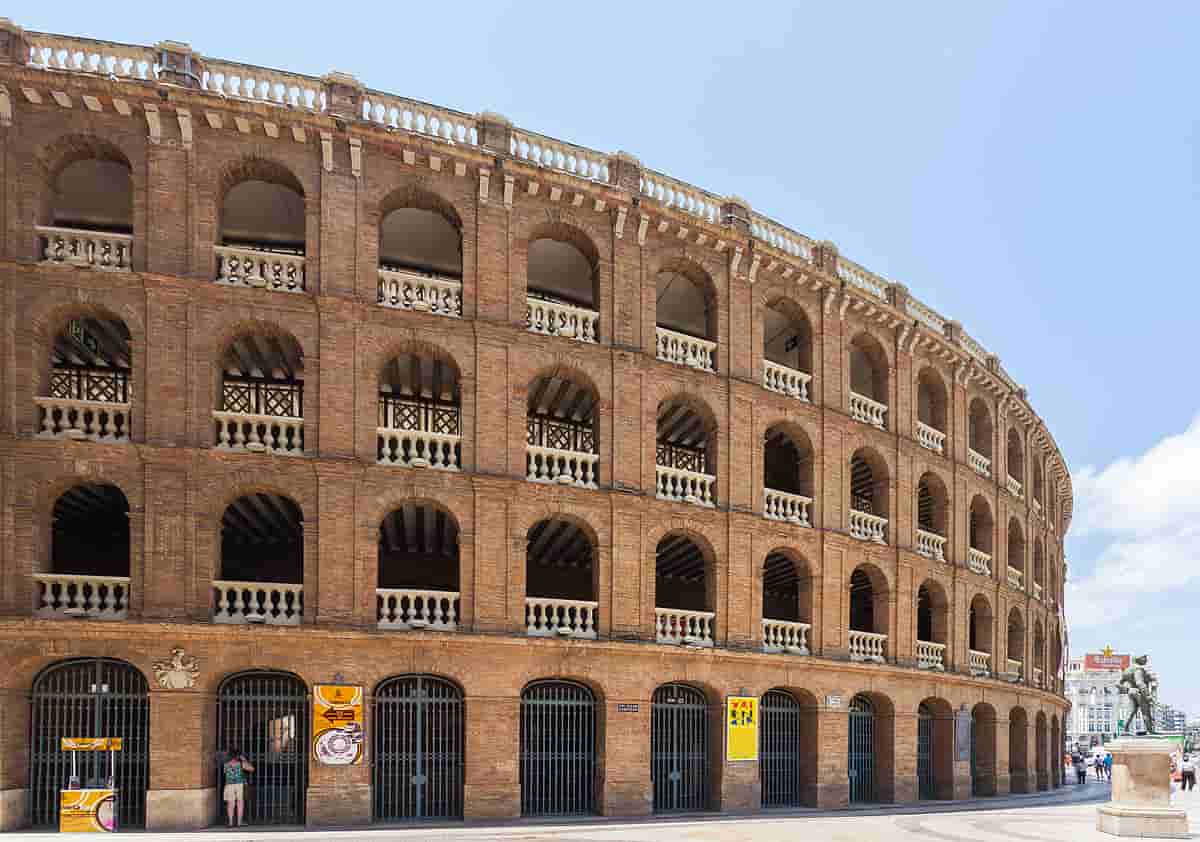
Plaza de Toros de Valencia
A historic bullring with cultural events and tours.
Valencia Botanical Garden
Beautiful garden showcasing a variety of plant species.
Parque Negra Hipolita
Urban park with walking paths, playgrounds, and recreational areas.
Puerto de La Guaira
A major port and gateway to coastal areas.
El Vinedo Park
Local park ideal for picnics and outdoor activities.
Carabobo Battlefield
Historic site commemorating Venezuela's independence battle.
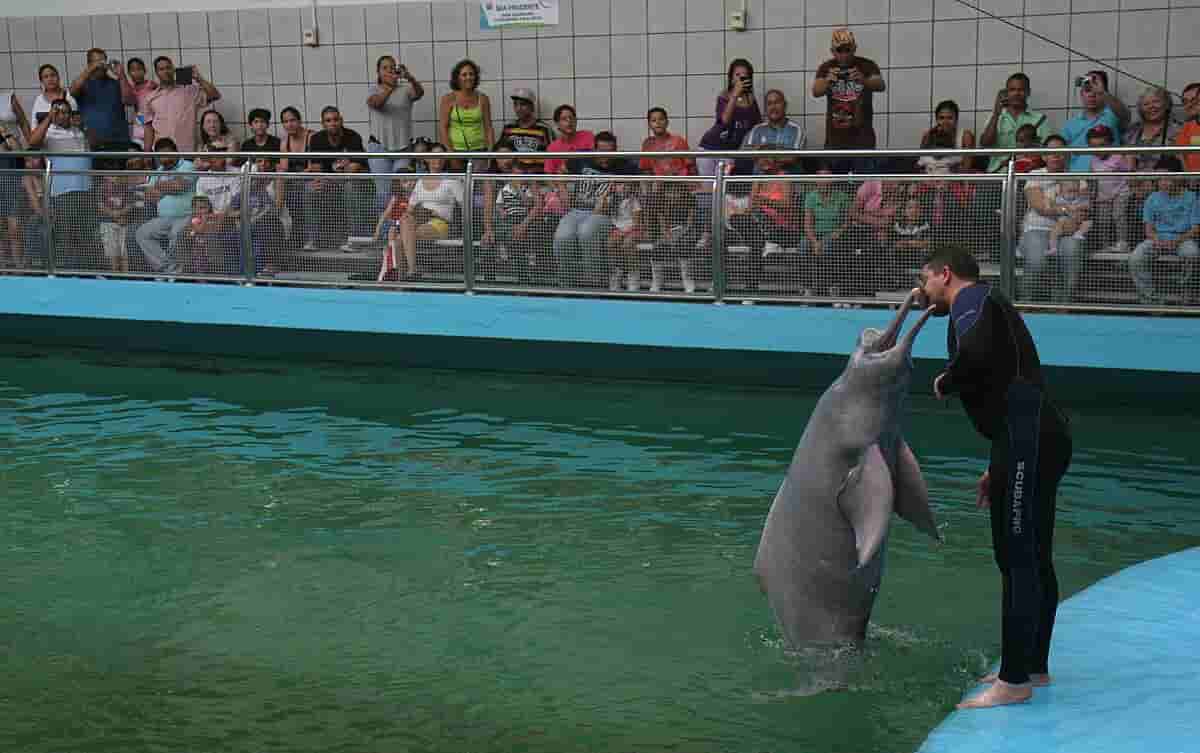
Valencia Aquarium
Modern aquarium featuring marine life from the Caribbean and educational exhibits.
Parque Recreacional Sur
Recreational park with sports facilities, playgrounds, and green spaces.
🏘️ Neighborhoods
El Vinedo
A central commercial and residential district offering convenient access to hotels, shops, and services. It's a practical base for exploring the wider city.
Centro (Historic Center)
The heart of old Valencia, home to Plaza Bolívar, the Cathedral, and colonial architecture. Bustling with markets and local life.
Naguanagua
A modern, upscale district to the north, featuring the Sambil Valencia mall, upscale dining, and more contemporary accommodations.
San Blas
A largely residential area known for its peaceful atmosphere and proximity to the Parque Metropolitano and the Valencia Aquarium.
Santa Cecilia
A vibrant, traditional neighborhood with a strong local community feel, street food, and everyday Venezuelan life.
Ciudad Jardín Mañongo
A planned residential community near the airport and Universidad de Carabobo, offering green spaces and a quieter environment.
🍽️ Local Cuisine
Valencia's cuisine is a hearty and flavorful representation of Venezuelan culinary traditions. The undisputed star is the arepa, a grilled cornmeal patty stuffed with endless fillings like shredded beef (carne mechada), black beans and cheese (reina pepiada), or chicken salad. Another must-try is the pabellón criollo, the national dish featuring shredded beef, black beans, white rice, and fried plantains. For a quick, cheap eat, look for empanadas—deep-fried corn dough pockets filled with cheese, meat, or fish. Dining culture is generally casual and social. Popular food areas include the cafes and restaurants around Plaza Bolívar and the commercial zones of El Vinedo. For a more local experience, visit 'pastelerías' for pastries and coffee. Price ranges are wide; street food and simple eateries are extremely affordable, while upscale restaurants in hotels or malls charge more. A basic etiquette tip is that service is often included in the bill, but a small additional tip is appreciated for good service. Don't leave without trying a glass of 'papelón con limón' (lemonade with raw cane sugar) or a 'chicha' (a sweet rice-based drink).
💡 Local Tips
🚗 Day Trip Ideas
Campo de Carabobo
The historic battlefield where Venezuela secured its independence. Features the monumental Triumphal Arch and solemn monuments.
Puerto de La Guaira / Caracas
A longer trip to the Caribbean coast and the capital. Visit the port, beaches near La Guaira, or the museums and cable car in Caracas.
Colonia Tovar
A unique mountain town founded by German immigrants, known for its alpine architecture, German food, and cooler climate.
Parque Nacional Henri Pittier
Venezuela's oldest national park, offering cloud forest hikes, birdwatching, and access to coastal villages like Choroní.
Lake Valencia (Lago de Valencia)
Explore the shores of Venezuela's second-largest lake, visiting lakeside towns and observing local wildlife.
Hacienda El Trompillo
A historic cocoa plantation where you can learn about the chocolate-making process and the region's agricultural history.
🛡️ Safety Tips
Exercise a high degree of caution in Valencia. Petty crime like pickpocketing and bag snatching is common, especially in crowded areas, markets, and on public transport. Avoid displaying valuables like phones, cameras, and jewelry. Use only official taxis, preferably called by your hotel, or ride-sharing apps. Avoid walking alone at night, especially in poorly lit or unfamiliar areas. Be extremely cautious when withdrawing money from ATMs; use those inside banks or shopping malls during daylight hours. Common scams include overcharging taxis, fake police officers asking for documents/money, and distraction thefts. Always carry a copy of your passport and visa. Emergency numbers are 911 for police, fire, and medical. However, response times can be slow. For serious issues, contact your embassy. Drink only bottled or purified water. Ensure you have comprehensive travel insurance that covers medical evacuation.
💰 Budget Guide
Venezuela's hyperinflation makes budgeting in hard currency (USD) complex, as prices can change rapidly and often differ from official rates. The following are rough estimates based on a parallel market exchange. Budget travelers can manage on $25-40 USD per day. This covers a bed in a budget hostel or guesthouse ($10-15), street food and market meals ($8-12), public transport ($2-4), and free attractions like parks. Mid-range travelers should budget $60-100 USD daily. This allows for a private room in one of the city's 7 hotels (averaging ~$92/night), meals in casual restaurants ($15-25), taxi rides ($5-10), and paid entry to museums or the aquarium ($5-10). Luxury spending starts at $150+ USD per day for upscale hotels, fine dining, private drivers, and guided tours. Major money-saving tips include: using cash (USD) for better exchange rates, eating at 'areperas' and local bakeries, staying in accommodations with kitchen access, and focusing on free outdoor attractions. Always confirm the current cost of services in real-time.