Welcome to Caracas
Caracas, the vibrant capital of Venezuela, is a city of dramatic contrasts nestled in a lush valley, with the majestic Avila Mountain forming its breathtaking northern backdrop. Founded in 1567, it's a metropolis where colonial history collides with modern ambition, offering a raw and authentic South American experience. As the political, cultural, and economic heart of the nation, Caracas pulses with energy, from its bustling plazas to its world-class art museums. The city's unique topography means you're never far from a stunning view, whether from the cable car up Avila or from the towering Parque Central Complex. With a selection of around 25 hotels catering to various budgets, averaging about $142 per night, visitors can find a base to explore this complex and captivating city, though a recommended stay of one day suggests a focused, intense immersion into its key highlights.
Overview
Caracas is a city defined by its history as the birthplace of Simón Bolívar, the liberator of much of South America, and its role as Venezuela's undisputed center of power. Culturally, it's a hub of art, music, and intellectual life, home to institutions like the Museo de Bellas Artes and the Caracas Cultural Center. The city is famous for its challenging urban landscape, its passionate people, and its stunning natural setting against Avila National Park. Main districts include the historic center around Plaza Bolívar and Catedral de Caracas, the modern commercial hub of El Rosal and Las Mercedes, the bohemian charm of Altamira, and the beautifully preserved colonial town of El Hatillo. It's a city of stark contrasts, where gleaming skyscrapers stand alongside informal settlements, reflecting the nation's complex socio-economic reality.
🗓️ Best Time to Visit
The best time to visit Caracas is during the dry season, from December to April, when rainfall is lowest and skies are clearest, offering the best views and conditions for exploring. This period sees pleasant temperatures, though it's also the peak tourist season. The wet season, from May to November, brings daily afternoon showers and higher humidity, which can hinder outdoor plans but also makes the surrounding mountains exceptionally lush. Major events include Carnival (variable dates in February/March), Holy Week processions, and Independence Day celebrations on July 5th. The Christmas season is also vibrant. For fewer crowds and still-manageable weather, the shoulder months of November and early December or April can be ideal.
🌤️ Weather & Climate
Caracas enjoys a tropical climate moderated by its altitude (approx. 900m). It features warm temperatures year-round with distinct dry and wet seasons. Evenings can be pleasantly cool.
Seasons
Dry Season
💨 Humidity: moderate
Sunny days with low chance of rain. Ideal for sightseeing and outdoor activities in the city and Avila National Park.
Wet Season
💨 Humidity: high
Warm, humid days with frequent, heavy afternoon thunderstorms. Mornings are often clear. The landscape is very green.
Monthly Weather Details
January Weather
Best for: sightseeing, hiking
February Weather
Best for: sightseeing, hiking
March Weather
Best for: sightseeing, hiking
April Weather
Best for: sightseeing
May Weather
Best for: indoor cultural activities
June Weather
Best for: indoor cultural activities
July Weather
Best for: indoor cultural activities
August Weather
Best for: indoor cultural activities
September Weather
Best for: indoor cultural activities
October Weather
Best for: indoor cultural activities
November Weather
Best for: sightseeing
December Weather
Best for: sightseeing
🎒 What to Pack
All Year Round
- lightweight clothing
- sunscreen
- sunglasses
- comfortable walking shoes
- light jacket or sweater for evenings
🚗 Getting Around
Navigating Caracas requires planning. The Metro system is modern, efficient, and safe, connecting key areas and is the recommended mode for visitors. Above ground, transportation is more complex. Official taxis are not metered; negotiate fares before entering. Ride-sharing apps like Ridery are increasingly common and safer than hailing cabs on the street. For airport transfers from Simón Bolívar International Airport (CCS), use pre-booked private services or official airport taxis. Walking is feasible in specific, secure neighborhoods like El Hatillo, Las Mercedes, or Altamira during the day, but is not generally recommended at night or across large distances. Biking is not a common or safe option for tourists due to traffic and terrain. Costs: Metro is very cheap (a few cents), taxi rides within the city center start around $5-10 (USD equivalent), and airport transfers can cost $25-40.
🎯 Top Attractions
Simón Bolívar Center
Iconic landmark housing the offices of the Venezuelan president and government.
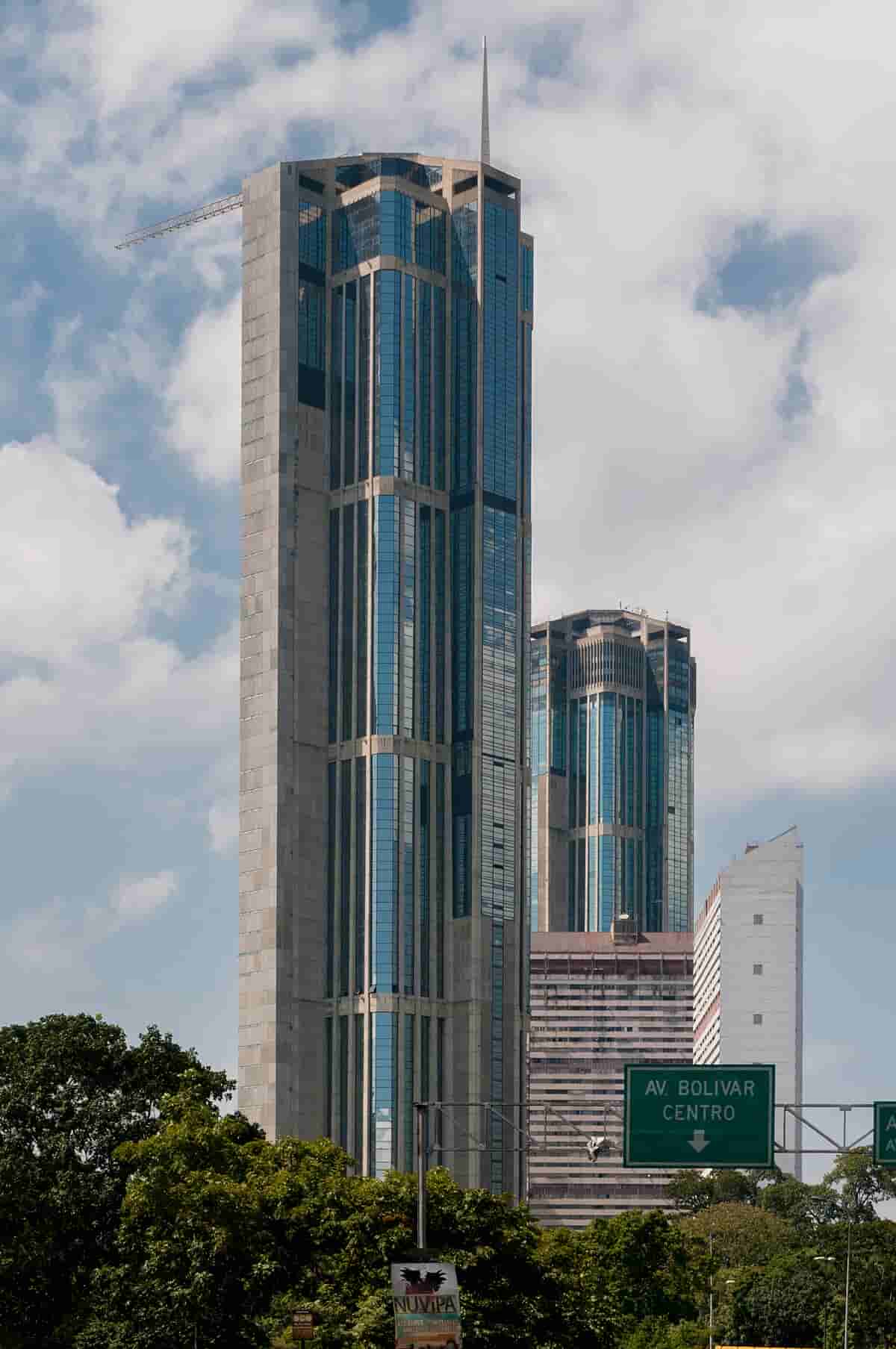
Parque Central Complex
Large urban park with museums, theaters, and recreational facilities.
Catedral de Caracas
Historic Roman Catholic cathedral dating back to the 16th century.
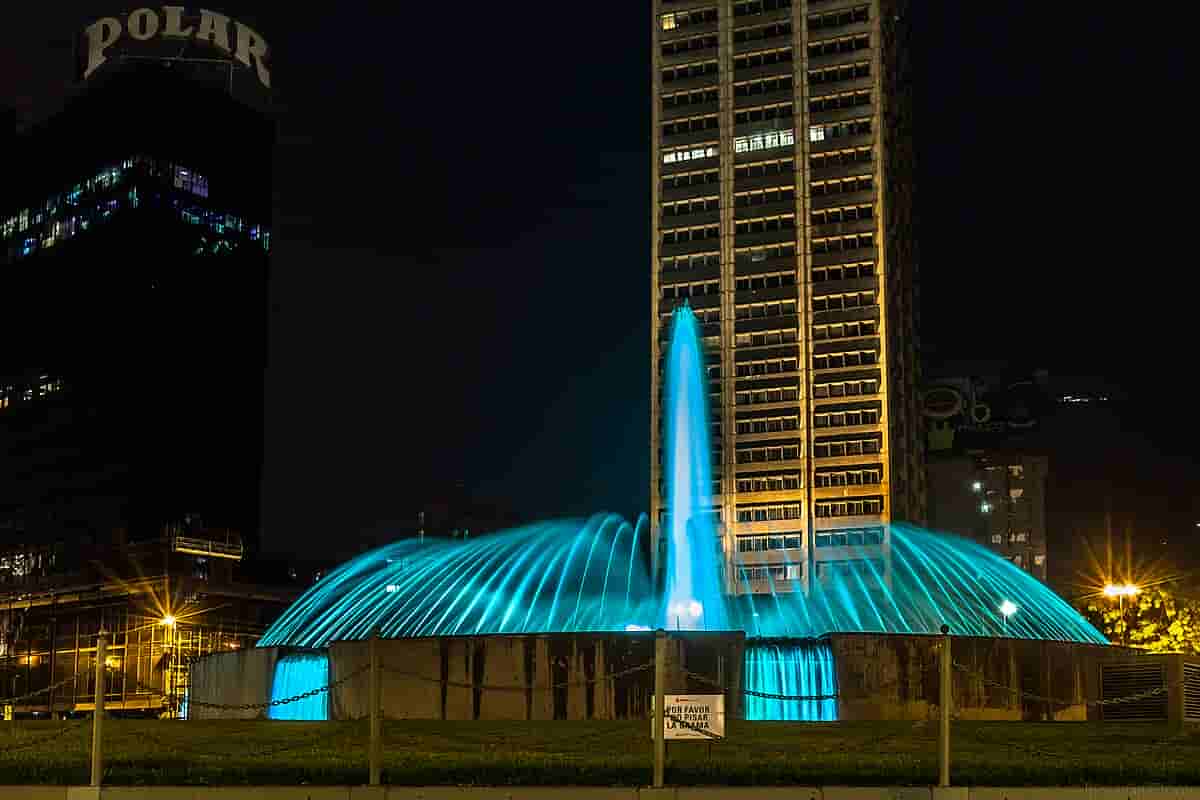
Plaza Venezuela
Central square with cultural events and monuments
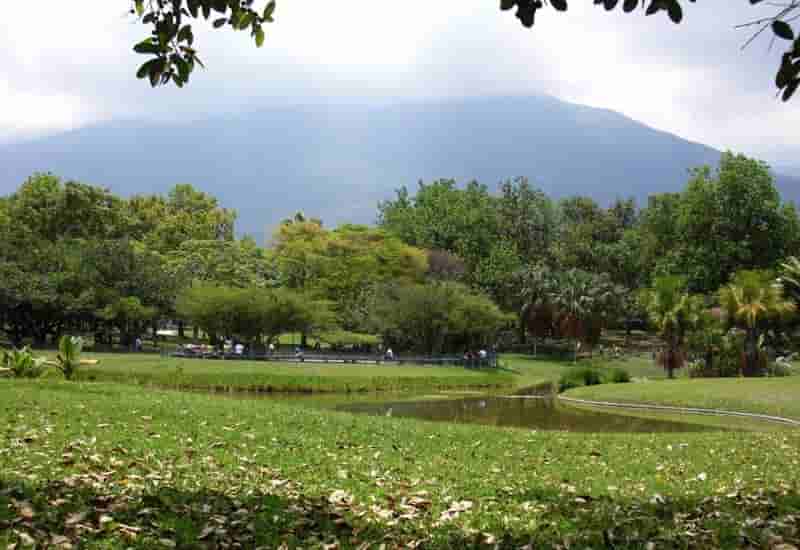
Parque del Este
A tranquil urban park offering lush greenery, walking trails, and a peaceful escape from the city.
Museo de Bellas Artes
Venezuela's oldest fine arts museum featuring colonial and modern works.
El Hatillo
Colonial town with cobblestone streets and shops
Avila National Park
A mountainous park with hiking trails, cable car rides, and city views.
Caracas Cultural Center
Venue for arts and performances
Plaza Bolívar
Historic square surrounded by important government buildings and cathedrals.
Parque Nacional El Ávila
Mountain park offering hiking trails and cable car rides
Plaza Bolivar
Historic square surrounded by important buildings and monuments.
🏘️ Neighborhoods
El Hatillo
A beautifully preserved colonial town on the city's southeast edge, with cobblestone streets, colorful houses, craft shops, and charming restaurants. It feels like a separate village.
Las Mercedes
The city's premier dining and nightlife district, filled with upscale restaurants, trendy bars, clubs, and boutiques. It's a safe and walkable area for evening entertainment.
Altamira
A wealthy, residential and commercial area known for its iconic Plaza Francia and obelisk. It has good hotels, cafes, and is a central, relatively safe hub.
Chacao
The modern commercial and financial heart, encompassing areas like El Rosal. Home to major malls (Sambil), corporate offices, and many hotels.
Sabana Grande
A historic boulevard and commercial district that has seen better days. Still bustling with shops and pedestrians by day, but requires extra caution.
City Center (El Silencio)
The historic heart around Plaza Bolívar, home to key government buildings, the Cathedral, and important historical sites. Best visited by day with guidance.
La Candelaria
A historic neighborhood near the center with colonial architecture, museums, and cultural centers like the Teresa Carreño Theater.
🍽️ Local Cuisine
Caracas offers a hearty and flavorful cuisine. Must-try dishes include *pabellón criollo*, the national dish of shredded beef, black beans, rice, and fried plantains; *arepas*, thick cornmeal patties stuffed with endless fillings like cheese (*arepa de queso*) or shredded chicken (*reina pepiada*); and *tequeños*, fried cheese sticks. For a sweet treat, try *quesillo*, a caramel flan. Dining culture is social and late; dinner often starts after 8 PM. Popular food areas are the upscale restaurants in Las Mercedes and La Castellana, the casual eateries in Altamira, and the traditional spots in El Hatillo. Street food is abundant but requires caution. Price ranges vary widely: a street arepa may cost under $1, a casual restaurant meal $5-15, and a fine-dining experience $30+. Etiquette is generally informal; a 10% service charge is often added.
💡 Local Tips
🚗 Day Trip Ideas
Colonia Tovar
A unique German-style village in the mountains, known for its alpine architecture, German food, and cooler climate.
La Guaira Coast & Macuto
Visit the Caribbean coast for beaches, the historic port of La Guaira, and the coastal road. Note: beach safety varies.
El Avila National Park (Waraira Repano)
A full day hiking or taking the cable car into the lush mountain range separating Caracas from the coast. Stunning views.
Los Roques Archipelago (Fly)
A breathtaking national park of coral islands and pristine beaches. Requires a flight, but possible as a very long day trip.
Higuerote & Caribbean Beaches
A longer drive to more developed beach towns east of Caracas for a full Caribbean day.
🛡️ Safety Tips
Caracas requires a high degree of situational awareness. Petty theft and opportunistic crime are significant concerns. Avoid displaying valuables, using phones openly on the street, and walking alone at night. Stick to reputable taxis or ride-shares; never hail cabs randomly. Be cautious in the city center after business hours and avoid informal settlements (*barrios*). Common scams include distraction thefts and inflated taxi fares. Keep copies of your passport. Emergency numbers: 911 (general), 171 (tourist police). Health recommendations: Drink only bottled or purified water, ensure routine vaccinations are up to date, and consider travel insurance with medical evacuation. The sun is strong; use protection.
💰 Budget Guide
Daily budgets vary greatly. Budget travelers can manage on $30-50 per day by staying in hostels ($15-25), eating street food and *areperas* ($1-5 per meal), using the Metro exclusively, and visiting free attractions like plazas. Mid-range travelers should budget $80-150 per day for a decent hotel ($60-100), restaurant meals ($10-20), occasional taxis, and paid museum entries. Luxury travel exceeds $200+ daily for 4-5 star hotels, fine dining, private drivers, and guided tours. Money-saving tips: Use the Metro, eat *arepas* and *empanadas* from local stalls, stay in neighborhoods like Altamira or El Hatillo for safer self-exploration, and visit free public parks and plazas. Always carry some cash in Bolivars for small purchases, but rely on USD for major expenses.