Welcome to Dumaguete
Nestled on the southeastern coast of Negros Island, Dumaguete City is the gentle, captivating capital of Negros Oriental in the Philippines. Often called the 'City of Gentle People,' it offers a unique blend of provincial charm and vibrant urban energy, set against a stunning backdrop of the Tañon Strait and the silhouette of distant mountains. This is a city where time seems to flow at the pace of a leisurely stroll along the iconic Rizal Boulevard, a seaside promenade perfect for sunset watching and people-watching. As a renowned university town, home to the prestigious Silliman University, Dumaguete pulses with youthful creativity, intellectual spirit, and a surprisingly cosmopolitan dining scene. It serves as the perfect, relaxed gateway to world-class natural wonders, from the marine sanctuary of Apo Island to the mystical Twin Lakes. With a welcoming atmosphere that makes visitors feel instantly at home, the city is well-equipped for travelers, offering a range of 128 hotels to suit every preference and budget, ensuring a comfortable base for your Negrense adventure.
Overview
Dumaguete's history is etched into its very streets, from its name derived from the Cebuano word 'dagit' meaning 'to snatch,' a nod to its past vulnerability to pirate raids, to its establishment as a significant Spanish settlement in the 1800s. The city's cultural and intellectual heart is Silliman University, the first American-founded university in Asia, whose beautiful campus is a must-visit. Dumaguete is famous for its relaxed, walkable downtown centered around Rizal Boulevard, the Dumaguete Public Market, and Quezon Park. It's a hub for education, culture, and commerce in the region. Beyond the city center, the vibe shifts towards coastal tranquility in areas like Barangay Bantayan, known for its beachfront resorts. The city is renowned as a springboard for epic diving and snorkeling trips to Dauin's muck diving sites and the pristine waters of Apo Island, a marine protected area. Its unique charm lies in this duality: a historic, cultured city life seamlessly connected to some of the Philippines' most breathtaking natural environments.
🗓️ Best Time to Visit
The best time to visit Dumaguete is during the dry season, from late November to mid-May, when you can expect plenty of sunshine and minimal rainfall, ideal for beach trips, island hopping, and exploring. Peak tourist season aligns with the coolest and driest months of December to February, so book accommodations early. The summer months of March to May are hotter but excellent for water activities. The wet season runs from June to October, with increased rainfall and the possibility of typhoons, particularly between August and October. This off-peak period sees fewer crowds and lower prices. Major events include the Buglasan Festival in October, Negros Oriental's provincial festival featuring street dancing and cultural shows. The Sandurot Festival in November celebrates Dumaguete's history of welcoming diverse cultures. Christmas season (December) is beautifully festive along the boulevard.
🌤️ Weather & Climate
Dumaguete has a tropical climate with consistently warm temperatures year-round. It experiences a distinct dry season and a wet season, with humidity often high. The city is somewhat shielded from the most severe typhoons but can experience heavy rainfall.
Seasons
Dry Season
💨 Humidity: moderate to high
Sunny and hot, especially from March to May. This is the peak tourist season with ideal conditions for beach and outdoor activities.
Wet Season
💨 Humidity: high
Characterized by frequent, heavy afternoon showers and higher humidity. Possibility of typhoons, particularly in the later months.
Monthly Weather Details
January Weather
Best for: sightseeing, beach
February Weather
Best for: sightseeing, beach
March Weather
Best for: beach, diving
April Weather
Best for: beach, diving
May Weather
Best for: beach, diving
June Weather
Best for: indoor activities
July Weather
Best for: indoor activities
August Weather
Best for: indoor activities
September Weather
Best for: indoor activities
October Weather
Best for: festivals (Buglasan)
November Weather
Best for: festivals (Sandurot), sightseeing
December Weather
Best for: sightseeing, Christmas festivities
🎒 What to Pack
All Year Round
- lightweight clothing
- rain jacket or umbrella
- sunscreen
- hat
- sunglasses
- insect repellent
- swimsuit
- comfortable walking shoes
🚗 Getting Around
Dumaguete is a highly walkable city, especially in the downtown core around Rizal Boulevard and Silliman University. For longer distances, the iconic mode of transport is the 'trisikad,' a pedal-powered tricycle perfect for short hops. Motorized tricycles are ubiquitous and inexpensive; always agree on the fare before boarding. For ride-hailing, Angkas (motorcycle taxi) and standard taxis are available, though taxis are less common than tricycles. There are no Grab cars. For exploring further afield or with a group, renting a motorcycle or car is a popular option. Multicabs (small jeepneys) run fixed routes to nearby towns. For airport transfers from Sibulan Airport (just across the strait), taxis and tricycles are readily available for a short 10-15 minute ride. A ferry from the port connects to nearby islands like Siquijor. Costs are low: tricycle rides within the city center cost around 10-20 PHP per person for short trips.
🎯 Top Attractions
Rizal Boulevard
A famous seaside promenade perfect for evening walks, with views of the sunset over the water.
Silliman University
The first American university in the Philippines, with a beautiful campus and anthropological museum.
Dumaguete Public Market
A bustling local market where you can find fresh produce, seafood, and local delicacies.
Dauin Beach
Black sand beach known for excellent diving and marine sanctuary.
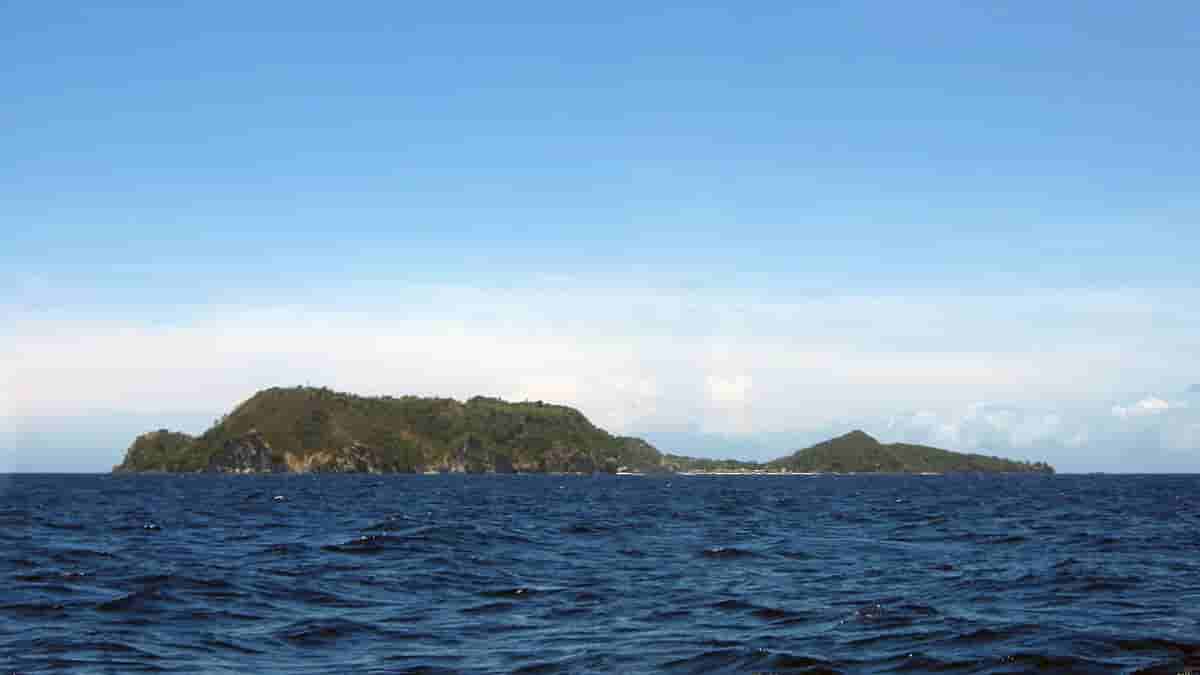
Apo Island
A marine sanctuary famous for its pristine coral reefs and excellent diving spots.
Malatapay Market
A lively weekly market known for fresh produce, local crafts, and a vibrant atmosphere.
Dumaguete Boulevard
Famous seaside promenade perfect for evening strolls.
Robinsons Place Dumaguete
A large shopping mall with department stores, supermarkets, and dining options.
Dumaguete Market
A vibrant local market offering fresh produce, seafood, and handicrafts.
Twin Lakes of Balinsasayao
Two crater lakes surrounded by mountains, offering hiking and boating activities.
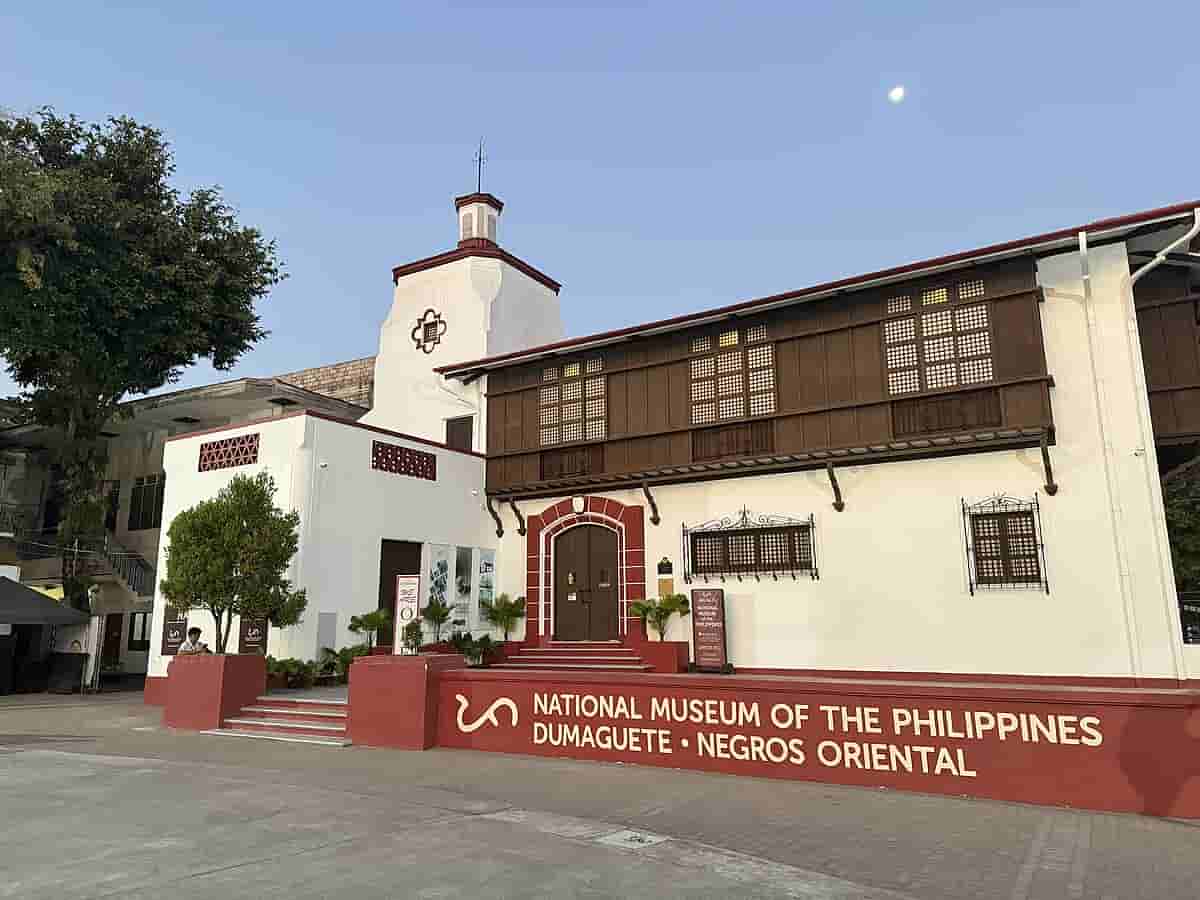
Dumaguete Port
Gateway to nearby islands like Siquijor and Apo Island.
Casaroro Falls
A stunning waterfall nestled in the mountains, accessible via a hike and steep steps.
🏘️ Neighborhoods
Downtown/City Proper
The historic and commercial heart, home to Rizal Boulevard, Silliman University, Quezon Park, and the public market. Walkable and full of dining options.
Bantayan
A coastal barangay south of the city center known for its stretch of beachfront resorts, hotels, and quieter atmosphere.
Barangay Daro
A residential and commercial area housing Robinson's Place mall, many restaurants, and a range of accommodations. Convenient and modern.
Barangay Taclobo
Home to Silliman University's main campus, giving it a distinct academic and youthful vibe with cafes, bookstores, and budget eats.
Barangay Calindagan
A quieter, more suburban area with some guesthouses and resorts along the coast, offering a peaceful retreat not far from the action.
Barangay Piapi
Located near the port and bus terminals, this is a bustling area with lots of local commerce, transportation hubs, and budget lodgings.
🍽️ Local Cuisine
Dumaguete's cuisine is a delicious reflection of Negros Oriental's bounty. Must-try signature dishes include 'Budbud Kabog' (a millet version of sticky rice suman eaten with hot chocolate), 'Sans Rival' cakes and silvanas (buttery, nutty desserts from the famous Sans Rival Cakes & Pastries), and fresh seafood grilled 'inihaw' style. The city is also known for its 'lechon manok' (roasted chicken) and 'pancit' noodles. Dining culture is casual and social, with many eateries clustered along Rizal Boulevard for al fresco dining. For a local experience, visit the Dumaguete Public Market for fresh produce and cheap, hearty meals at 'carinderias' (food stalls). Robinson's Place and nearby areas offer more commercial dining options. Price ranges from 50-150 PHP for a market meal to 300-800+ PHP at a mid-range restaurant. Etiquette is relaxed; it's common to eat with hands ('kamayan') for certain dishes. Don't miss trying the local 'sikwate' (hot chocolate) for breakfast.
💡 Local Tips
🚗 Day Trip Ideas
Apo Island
World-renowned marine sanctuary with stunning coral reefs and sea turtle sightings. Perfect for diving and snorkeling.
Twin Lakes (Balinsasayao & Danao)
Serene crater lakes nestled in a mountain forest. Offers hiking, kayaking, and breathtaking views.
Valencia
A cool mountain town known for the Pulangbato Falls, hot springs, and the Forest Camp. Great for nature lovers.
Dauin Beach & Muck Diving Sites
Famous for its black sand beaches and incredible 'muck diving' to see rare small marine creatures.
Siquijor Island
The mystical island known for its beautiful beaches, waterfalls, and old monasteries. Accessible by fast ferry.
Bais City for Dolphin Watching
Take a boat tour from Bais to see large pods of spinner dolphins in their natural habitat.
🛡️ Safety Tips
Dumaguete is generally considered very safe for travelers, with a low crime rate and friendly locals. However, practice standard precautions: be aware of your surroundings, especially at night, and avoid displaying expensive jewelry or electronics. Petty theft like pickpocketing can occur in crowded markets. Be cautious of overly friendly strangers and unlicensed tour guides. Use registered transportation and agree on fares beforehand. Traffic can be chaotic, so be vigilant when walking or crossing streets. Health-wise, drink bottled or purified water. Use mosquito repellent to prevent dengue. Emergency numbers: 117 (National Emergency Hotline), 911 (Philippine Emergency Hotline). For medical needs, Silliman University Medical Center is a major hospital. Keep photocopies of your passport separate from the original.
💰 Budget Guide
Dumaguete is an affordable destination. A budget traveler can manage on 1,200-1,800 PHP ($22-$33) per day: dorm bed or basic guesthouse (300-600 PHP), market/street food meals (150-300 PHP), tricycle transport (50-100 PHP), and free/low-cost activities like walking the boulevard. Mid-range travelers spending 2,500-4,500 PHP ($45-$82) daily can enjoy a comfortable hotel or Airbnb (1,500-2,500 PHP), nice restaurant meals (800-1,500 PHP), guided tours, and taxi rides. A luxury budget of 6,000 PHP+ ($110+) per day affords beachfront resorts, fine dining, private tours, and spa treatments. Money-saving tips: Eat at local carinderias, use trisikads and multicabs, visit free attractions (Silliman campus, boulevard), and book diving/ island trips directly with operators or in small groups. Travel during the off-peak season for better accommodation rates.