Welcome to Chinon
Nestled in the heart of the Loire Valley, a UNESCO World Heritage site, Chinon is a storybook town where history flows as gently as the river at its feet. This enchanting commune in the Centre region of France is a tapestry of medieval architecture, royal intrigue, and world-class vineyards. Its skyline is dominated by the magnificent ruins of the Château de Chinon, a fortress where Joan of Arc famously recognized the disguised Dauphin, Charles VII, in 1429. The town itself, with its cobbled lanes and half-timbered houses, invites leisurely exploration. The Vienne River, a tributary of the Loire, adds a serene, picturesque quality, perfect for a quiet stroll or a scenic cruise. With a welcoming atmosphere and a manageable scale, Chinon offers an authentic French experience without the overwhelming crowds of larger cities. Visitors will find a comfortable stay among its 18 hotels, which offer an average nightly rate that makes this slice of French heritage accessible. Whether you're a history buff, a wine enthusiast, or simply in search of timeless beauty, Chinon promises a captivating journey into the soul of the French countryside.
Overview
Chinon's history is etched into its very stones. For centuries, it was a key stronghold of the Plantagenet dynasty and later a royal residence of the French monarchy. This rich past is palpable in the imposing Fortress of Chinon, the well-preserved medieval Old Town (Vieux Chinon), and the historic Caves Painctes, troglodyte dwellings carved into the limestone cliffs. The town is world-famous for its wine, particularly the elegant reds of the Chinon AOC, made from Cabernet Franc grapes, and its proximity to the sparkling Vouvray vineyards. Culturally, it celebrates its heritage through museums like the Musée d'Art et d'Histoire and its connection to literary giant Honoré de Balzac, who spent time at the Maison de Balzac. The main districts are compact and walkable: the historic core around Rue Voltaire and Place du Général de Gaulle, the riverside quays offering beautiful views, and the surrounding vineyard-covered hills. Chinon is a town that lives at a human pace, where the primary activities are savoring a glass of local wine, exploring ancient ramparts, and soaking in the tranquil ambiance of the Loire Valley.
🗓️ Best Time to Visit
The best time to visit Chinon is from late spring to early autumn (May to September), when the weather is warm and sunny, ideal for exploring the château and vineyards. Peak season is July and August, offering vibrant energy and numerous outdoor events, but also larger crowds. Shoulder seasons (April-May and September-October) provide milder temperatures, fewer tourists, and the beautiful spectacle of spring blossoms or autumn foliage, perfect for cycling and wine tasting. Winter (November to March) is the off-peak season; it's cold and quiet, with some attractions having reduced hours, but it offers a deeply atmospheric, crowd-free experience of the medieval town. Major events include the Marché Médiéval (Medieval Market) in July, which transforms the town, and various wine festivals (Fête du Vin) in spring and autumn. The summer also sees outdoor concerts and light shows at the château. For ideal conditions, aim for June or September.
🌤️ Weather & Climate
Chinon enjoys a temperate climate with distinct seasons. Winters are cool and damp, while summers are warm and relatively sunny, with moderate rainfall spread throughout the year.
Seasons
Spring
💨 Humidity: moderate
Mild and gradually warming, with blooming gardens and vineyards. Ideal for sightseeing and cycling.
Summer
💨 Humidity: moderate
Warm and pleasant, with long daylight hours. Perfect for outdoor activities, castle visits, and river cruises.
Autumn
💨 Humidity: moderate to high
Crisp air and beautiful fall colors, especially in the vineyards. Grape harvest season brings a festive atmosphere.
Winter
💨 Humidity: high
Chilly and damp, with occasional frost and rare snow. A quiet time for cozy indoor dining and exploring museums.
Monthly Weather Details
January Weather
Best for: museums, cozy dining
February Weather
Best for: indoor attractions
March Weather
Best for: early spring walks
April Weather
Best for: gardens, sightseeing
May Weather
Best for: cycling, vineyard tours
June Weather
Best for: outdoor activities, festivals
July Weather
Best for: river cruises, castle visits
August Weather
Best for: all outdoor pursuits
September Weather
Best for: wine harvest, hiking
October Weather
Best for: autumn foliage, food tours
November Weather
Best for: indoor cultural sites
December Weather
Best for: christmas markets, historic ambiance
🎒 What to Pack
All Year Round
- comfortable walking shoes
- layered clothing
- rain jacket or umbrella
🚗 Getting Around
Chinon is a wonderfully walkable town. The main attractions in the historic center, including the château, old town, and riverside, are all within easy walking distance of each other. This is the best and most enjoyable way to explore. For visiting outlying vineyards or caves, renting a bicycle is highly recommended, with several rental shops available; the Loire à Vélo cycle route passes nearby. Public buses (Rémi network) serve the town and connect to neighboring villages, but services can be infrequent, especially on weekends. Taxis are available but should be booked in advance. Ride-sharing services like Uber are not reliably present. For airport transfers, the closest major airports are Tours Val de Loire (about 45 minutes by car/taxi) and Paris-Charles de Gaulle (about 3 hours). The most cost-effective transfer is often a train to Tours or Saumur followed by a regional bus or taxi to Chinon. Having a car is advantageous for exploring the wider Loire Valley and for day trips.
🎯 Top Attractions
Château de Chinon
A historic fortress where Joan of Arc met the Dauphin, offering stunning views over the Vienne river.
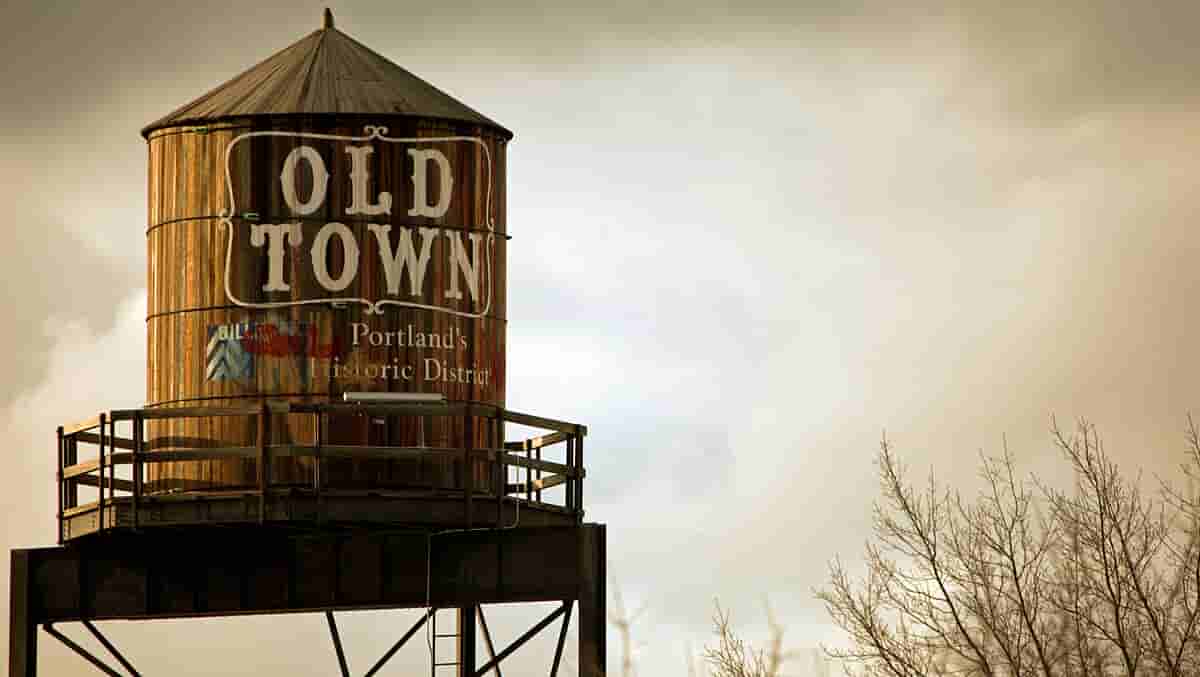
Old Town Chinon
A charming medieval quarter with half-timbered houses, cobbled streets, and delightful cafes.
Loire River
Scenic river perfect for boat tours and picnics.
Musée d'Art et d'Histoire
Museum housed in a former mansion, showcasing local history.
Fortress of Chinon
Impressive medieval castle and UNESCO World Heritage site overlooking the Vienne River.
Caves Painctes
Underground caves with troglodyte dwellings and local history exhibits.
Jardin Mirabeau
Charming public gardens with scenic riverside views.
Loire River Cruise
Scenic boat trips along the Loire, showcasing vineyards, châteaux and historic villages.
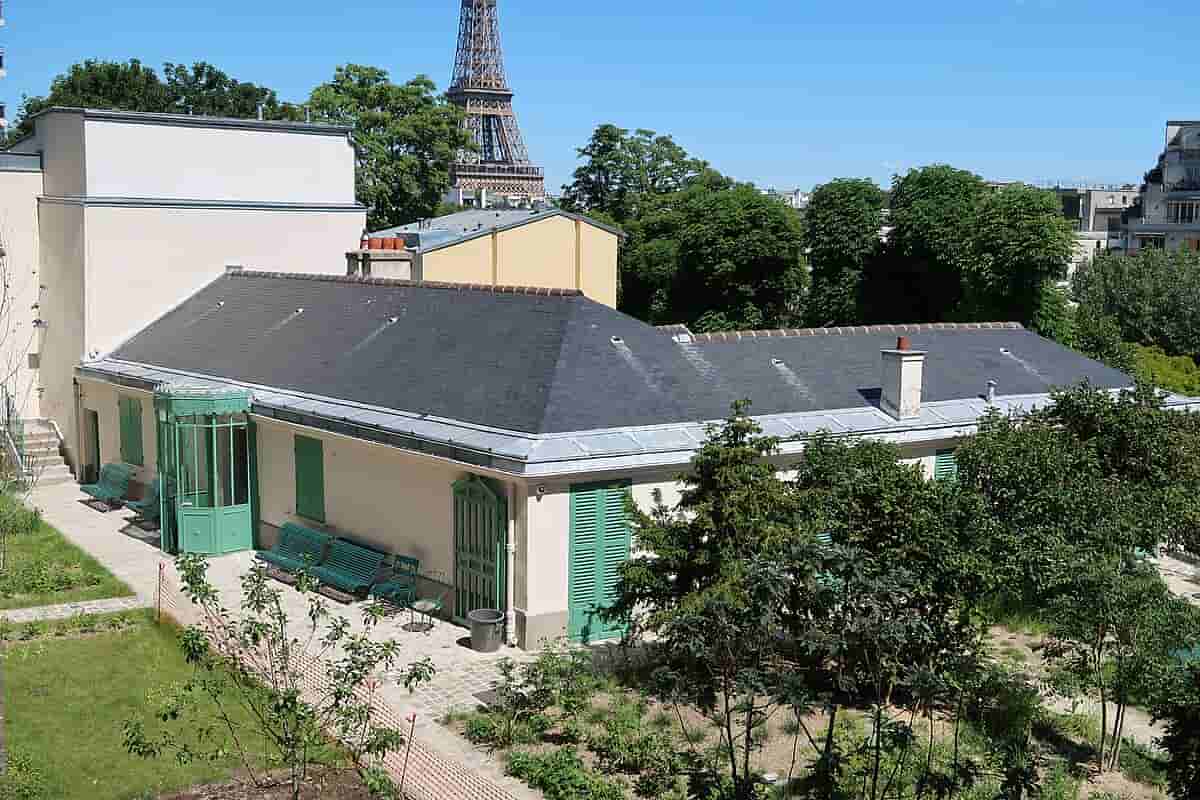
Maison de Balzac
Museum dedicated to the celebrated French novelist, set in his former residence.
Vouvray Vineyards
Renowned wine region producing crisp whites and sparkling wines, perfect for tastings.
Chinon Fortress
Impressive medieval castle overlooking the Vienne River, with stunning panoramic views.
Caves Bouvet-Ladubay
Historic wine cellars offering guided tours and tastings of the region's renowned sparkling wines.
🏘️ Neighborhoods
Vieux Chinon (Old Town)
The historic heart, a maze of cobbled streets, half-timbered houses, and charming squares. Home to most restaurants, shops, and the Maison de Balzac.
Le Château
The hilltop area dominated by the fortress. Offers stunning panoramic views over the town and river. A quieter, more residential feel.
Les Quais (The Quays)
The picturesque area along the Vienne River, with promenades, gardens (Jardin Mirabeau), and views of the château. Location for the weekly market.
Saint-Jacques
A residential neighborhood just west of the old town, with local shops and quieter accommodations. Close to the main bus station.
La Rabaterie
A modern, primarily residential area on the northern edge of town, with some larger chain hotels and supermarkets.
Vineyard Hamlets (e.g., Cravant-les-Côteaux)
The surrounding countryside of small villages immersed in vineyards. Offers chambres d'hôtes (B&Bs) and direct access to wineries.
🍽️ Local Cuisine
Chinon's cuisine is robust, rustic, and deeply tied to the terroir. Signature dishes include rillettes (slow-cooked shredded pork pâté), fouées (small, hollow breads baked in a wood-fired oven and stuffed with various fillings), and freshwater fish from the Loire, like sandre (pike-perch). Local goat cheese (from nearby Sainte-Maure-de-Touraine) is a must-try, often served with a glass of Chinon red wine. Dining culture is relaxed and centered around enjoying good food and wine. Meals are lengthy affairs, especially dinner. Must-try foods also include tarte tatin (upside-down apple tart) and forest mushroom dishes in autumn. Popular food areas are the streets around Place du Général de Gaulle and the old town lanes, brimming with traditional bistros (bouchons) and crêperies. Price ranges: a budget meal (crêpe, sandwich) can be under €15, a mid-range bistro lunch €20-€35, and a fine-dining dinner €50+. Etiquette is standard French: greet with "Bonjour," wait to be seated, and take your time; service is included, but a small extra tip is appreciated.
💡 Local Tips
🚗 Day Trip Ideas
Saumur
Elegant town known for its majestic château, sparkling wine (Crémant de Loire), and the National Riding School.
Tours
The vibrant capital of the Loire Valley, with a stunning cathedral, historic quarter (Le Vieux Tours), and excellent shopping.
Azay-le-Rideau
Visit the exquisite Renaissance château built on an island in the Indre River, surrounded by a romantic park.
Villandry
World-famous for its stunning Renaissance gardens, a masterpiece of ornamental landscaping and vegetable plots.
Fontevraud Abbey
One of Europe's largest monastic cities, the royal necropolis of the Plantagenets, now a cultural center.
Bourgueil & Saint-Nicolas-de-Bourgueil Vineyards
Neighboring wine appellations famous for robust Cabernet Franc reds. Perfect for a scenic wine-tasting tour.
🛡️ Safety Tips
Chinon is an exceptionally safe town with low crime rates. Violent crime is rare. Standard precautions apply: be aware of your surroundings in crowded tourist spots, secure your valuables, and don't leave bags unattended. Petty theft like pickpocketing is the main concern, though less common than in major cities. There are no specific areas to avoid, but exercise normal caution at night. Emergency numbers: 112 (EU-wide), 17 (Police), 15 (Medical). Health recommendations: Tap water is safe to drink. Ensure you have a European Health Insurance Card (EHIC) or travel insurance for medical care. Pharmacies are marked with a green cross. The town is very walkable, but watch for uneven cobblestones. Driving is safe, but be cautious on narrow rural roads and respect cyclists on the Loire à Vélo route.
💰 Budget Guide
Chinon can suit various budgets. A budget traveler can manage on €50-€70 per day: stay in a hostel or budget hotel (€40-€60), eat picnics and crêpes (€15), use free walking tours and cheap castle entry (€10.50), and walk everywhere. Mid-range travelers should budget €100-€150 daily: a comfortable hotel or B&B (€80-€120), bistro meals with wine (€30-€40), taxi/bike rental for vineyard visits (€15), and paid attractions. Luxury spending starts at €250+ per day: boutique hotels or château stays (€150+), fine dining (€80+), private tours, and wine tastings at prestigious domaines. Money-saving tips: visit outside July/August for lower rates, purchase a combined ticket for museums, picnic with market goods, enjoy free attractions like Jardin Mirabeau and riverside walks, and drink house wine in restaurants. Many hotels include breakfast.