Welcome to Bordeaux
Bordeaux, the elegant capital of France's Nouvelle-Aquitaine region, is a city where history, wine, and contemporary culture blend seamlessly along the graceful curve of the Garonne River. Often called 'Port of the Moon' for its crescent-shaped quays, a UNESCO World Heritage site, Bordeaux is a masterpiece of 18th-century architecture, with its luminous limestone facades glowing under the southwestern sun. This is a city for connoisseurs, where the world's most famous wine region meets a vibrant urban center brimming with gastronomy, art, and a distinctly laid-back sophistication. With over 175 hotels catering to every taste and budget, averaging around $107 a night, finding a perfect base to explore its grand squares, world-class museums, and the futuristic Cité du Vin is effortlessly simple. Whether you're tracing the footsteps of philosophers on the quays, losing yourself in Europe's longest shopping street, or simply savoring a glass of local vintage as the sun sets over the river, Bordeaux offers an intoxicating journey for the senses.
Overview
Bordeaux's history is deeply entwined with wine, its prosperity built over centuries from the vineyards of its hinterland. Once a major port for the triangular trade, its wealth funded the magnificent neoclassical architecture that defines its center today, a transformation led by 18th-century Intendants like Tourny. The city is famous globally as the epicenter of wine, but its culture extends far beyond the vineyard. It's a city of learning, with a prestigious university, and of the arts, home to innovative museums like the Bassins de Lumières in a converted submarine base. The main districts each offer a distinct flavor: the historic Triangle d'Or with its luxury shops and grand hotels; Saint-Pierre, the medieval heart around the cathedral; the lively student quarter around Place de la Victoire; the trendy Chartrons district, once the wine merchants' quarter; and the right-bank Bastide, an up-and-coming area with a more modern, artistic vibe. Bordeaux is a city that has beautifully preserved its past while energetically embracing the future.
🗓️ Best Time to Visit
The best time to visit Bordeaux is from late spring to early autumn (May to October), when the weather is warm and sunny, ideal for vineyard tours and outdoor cafe life. Peak season is July and August, bringing crowds and higher prices, but also vibrant street festivals. Shoulder seasons (May-June and September-October) are ideal, offering pleasant temperatures, fewer tourists, and the grape harvest in September. Summer features major events like the Bordeaux Wine Festival (even-numbered years) and the River Festival. Winter (November to March) is the off-peak season: cooler, wetter, and quieter, but perfect for museum-hopping, enjoying the city's festive Christmas markets, and cozy wine bar visits at lower costs. The famous Bordeaux Primeurs wine tastings occur in spring (April), attracting trade professionals.
🌤️ Weather & Climate
Bordeaux enjoys a temperate oceanic climate with mild, wet winters and warm, sunny summers. Influenced by the Atlantic, it has moderate temperatures year-round but is one of France's sunnier cities.
Seasons
Spring
💨 Humidity: moderate
Mild and gradually warming, with increasing sunshine. Perfect for sightseeing and early vineyard visits.
Summer
💨 Humidity: moderate
Warm and sunny, with long days. Ideal for outdoor dining, river walks, and day trips to the coast.
Autumn
💨 Humidity: moderate to high
Pleasantly warm early on, turning cooler and wetter. Harvest season brings a festive atmosphere.
Winter
💨 Humidity: high
Cool, damp, and cloudy, but rarely freezing. Perfect for museum visits and cozy wine bar evenings.
Monthly Weather Details
January Weather
Best for: museums, wine bars, low-season deals
February Weather
Best for: indoor cultural activities
March Weather
Best for: early spring walks, fewer crowds
April Weather
Best for: gardens, Primeurs season
May Weather
Best for: ideal sightseeing weather
June Weather
Best for: outdoor festivals, river activities
July Weather
Best for: beach trips, peak summer vibe
August Weather
Best for: vineyard tours, al fresco dining
September Weather
Best for: wine harvest, pleasant city exploration
October Weather
Best for: autumn colors, food festivals
November Weather
Best for: indoor attractions, truffle season
December Weather
Best for: Christmas markets
🎒 What to Pack
All Year Round
- comfortable walking shoes
- lightweight rain jacket or umbrella
- layers
🚗 Getting Around
Bordeaux is a highly walkable city, with its major attractions clustered in the city center. An excellent, modern tram system (operated by TBM) connects the center to outer districts, the train station, and the Cité du Vin; a single ticket costs €1.80. The city's bike-sharing system, V³, offers a fantastic way to explore, especially along the car-free river quays. Taxis are available but not always necessary for central travel; ride-sharing apps like Uber operate here. For airport transfers, the 30-minute shuttle bus (€8) is the most economical option, while taxis cost around €35-€40. Consider a CityPass for unlimited public transport and free or discounted museum entry. For exploring the surrounding wine regions, renting a car or joining a guided tour is essential.
🎯 Top Attractions
Place de la Victoire
Historic square with a triumphal arch and lively student atmosphere.
Musée d'Aquitaine
Discover the rich history and culture of the Aquitaine region at this acclaimed museum, featuring impressive archaeological exhibits and art collections.
Rue Sainte-Catherine
One of Europe's longest pedestrian shopping streets, filled with shops and cafes.
Basilique Saint-Michel
Gothic basilica with a tall spire and crypt.
Porte Cailhau
Medieval gate offering panoramic views of the Garonne River.
Garonne River
Scenic riverfront perfect for walking and cycling along the banks.
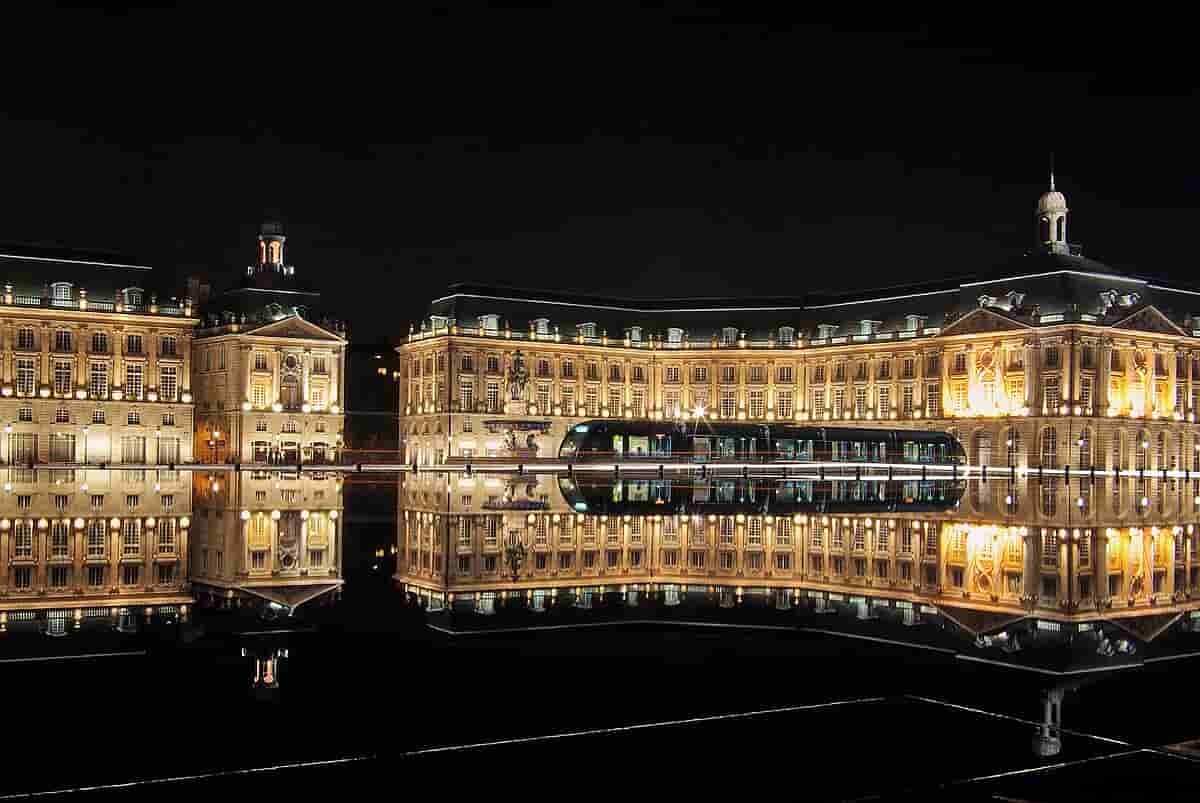
Place de la Bourse
Iconic 18th-century riverfront square with the famous Three Graces fountain and Miroir d'Eau reflection pool.
Saint-André Cathedral
A grand cathedral known for its Gothic design and panoramic city views from the bell tower.
Cité du Vin
World‑renowned wine museum with immersive exhibits and tasting sessions overlooking the Garonne.
La Cité du Vin
An immersive wine museum offering interactive exhibits and panoramic views of Bordeaux.
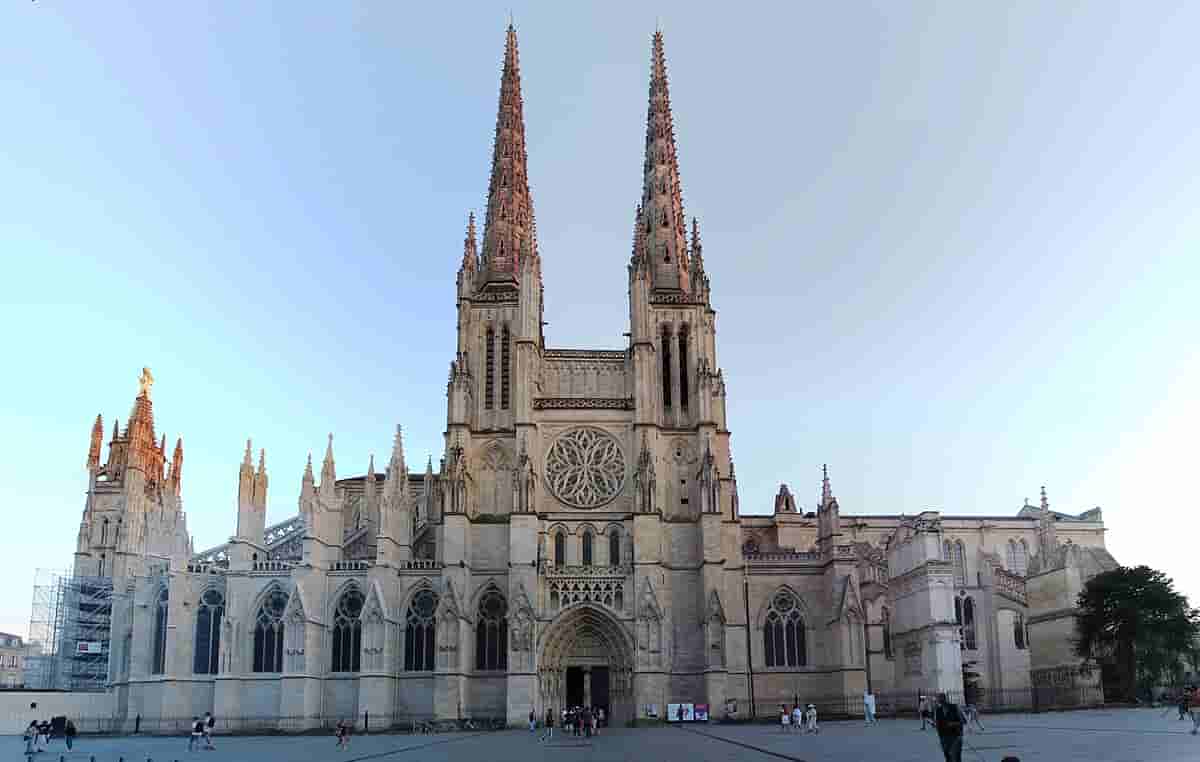
Bordeaux Cathedral
This impressive Gothic cathedral, dating back to the 11th century, is a must-see landmark in the heart of Bordeaux's historic city center.
Château de la Brède
The historic castle and former home of philosopher Montesquieu, set within a beautiful moat and park.
🏘️ Neighborhoods
Saint-Pierre
The historic medieval core surrounding the cathedral. A maze of narrow streets filled with restaurants, bars, and charming squares.
Triangle d'Or
The elegant 18th-century district defined by three grand boulevards. Home to luxury shops, high-end hotels, and beautiful architecture.
Chartrons
The former wine merchants' quarter north of the center. Now a trendy area with antique shops, art galleries, chic cafes, and the CAPC museum.
Saint-Michel
A lively, multicultural neighborhood centered around the flamboyant Gothic basilica and a famous flea market. Bustling with cafes and ethnic eateries.
Quais & Bassins à Flot
The rejuvenated riverfront and old docklands. Features the Miroir d'Eau, the Cité du Vin, chic restaurants, and converted warehouses.
Victoire
The bustling university district around the Porte de la Victoire arch. Packed with student bars, affordable international restaurants, and youthful energy.
La Bastide
The up-and-coming right bank of the Garonne. Offers modern parks, cultural spaces like the FRAC, and fantastic views back to the UNESCO skyline.
🍽️ Local Cuisine
Bordeaux cuisine is robust and wine-centric. Signature dishes include entrecôte à la bordelaise (rib steak in a rich red wine, shallot, and bone marrow sauce), lamproie à la bordelaise (lamprey stewed in its own blood with red wine), and canelés, small caramelized rum-and-vanilla flavored pastries. The Arcachon Bay supplies exquisite oysters and seafood. Dining culture is relaxed yet appreciative; meals are an event. Must-try foods include duck confit, foie gras, and cheese from the Pyrenees. Popular food areas are the Chartrons district for bistros, the Saint-Pierre quarter for traditional restaurants, and the Marché des Capucins, the city's vibrant covered market. Price ranges: budget bistro lunch from €15-€25, mid-range dinner €30-€50 per person, fine dining €70+. Etiquette: take your time, it's rude to rush; wine is almost always ordered with food.
💡 Local Tips
🚗 Day Trip Ideas
Saint-Émilion
A breathtaking medieval village and UNESCO site surrounded by legendary vineyards. Tour underground monolithic church and wine cellars.
Arcachon Bay & Dune du Pilat
Visit Europe's tallest sand dune for panoramic views, then enjoy fresh oysters in the charming oyster villages like Cap Ferret.
Médoc Wine Route
Drive the famous 'Route des Châteaux' past iconic wine estates like Margaux, Pauillac, and Saint-Julien for prestigious tastings.
La Rochelle
A historic port city with a stunning fortified harbor, medieval towers, and excellent seafood restaurants along the Atlantic coast.
Périgueux
Gateway to the Dordogne, known for its Gallo-Roman ruins, Renaissance architecture, and proximity to prehistoric sites and truffle country.
🛡️ Safety Tips
Bordeaux is generally a very safe city for travelers. Normal precautions against petty crime like pickpocketing are advised, especially in crowded tourist areas like Rue Sainte-Catherine, on trams, and around the main train station (Gare Saint-Jean). Be wary of common scams such as the 'petition sign' distraction or overly persistent street vendors. Areas to be cautious in at night include parts of the Saint-Michel district and the quays after dark, though they are often just lively. Standard emergency numbers apply: 112 (EU-wide), 17 (Police), 15 (Medical). Tap water is safe to drink. The sun can be strong in summer, so use sunscreen. Healthcare is excellent; EU citizens should bring an EHIC/GHIC card.
💰 Budget Guide
Daily budget estimates vary: Budget travelers can manage on €50-€70/day by staying in hostels (€25-€40/night), enjoying market picnics and lunch menus (€10-€15), using walking/biking, and visiting free attractions. Mid-range travelers should budget €100-€180/day for a comfortable hotel (€80-€130/night), nice bistro meals (€25-€40 per meal), tram tickets, and paid museum entries. Luxury budgets start at €250+/day for 4-star hotels, fine dining, private wine tours, and taxis. Money-saving tips: Purchase the Bordeaux CityPass for transport and attractions, dine on 'formule' lunch menus, enjoy free museum first Sundays, picnic from Marché des Capucins, and drink house wine ('vin de la maison') which is often excellent local wine.