Welcome to Changchun
Changchun, the capital of Jilin Province in Northeast China, is a city of profound contrasts and quiet charm. Often overlooked by international travelers rushing to Beijing or Shanghai, Changchun offers a deeply authentic and rewarding experience. It is a city where wide, tree-lined boulevards and grand, European-inspired architecture speak to a unique 20th-century history, while its vibrant university districts and cutting-edge film industry point confidently toward the future. Known historically as the 'City of Automobiles' and the 'City of Forests,' Changchun lives up to both monikers, balancing industrial heritage with expansive green spaces like the magnificent Jingyuetan National Forest Park. As a major hub, the city is well-equipped for visitors, boasting a selection of 628 hotels that cater to every preference and budget, ensuring a comfortable base from which to explore its layered identity. Whether you're drawn to the poignant history of the Puppet Emperor's Palace, the artistic wonders of the World Sculpture Park, or the simple pleasure of a stroll through a snowy park, Changchun invites you to discover the soul of China's resilient and culturally rich northeast.
Overview
Changchun's modern story is inextricably linked to its 20th-century role as the capital of the Japanese puppet state of Manchukuo, a period that left an indelible architectural mark seen in buildings like the Imperial Palace of Manchukuo. Post-liberation, it became a cornerstone of New China's heavy industry, famously home to the First Automobile Works (FAW), the nation's first and largest auto manufacturer. This industrial legacy is a point of local pride. Culturally, Changchun is celebrated as the 'Cradle of New Chinese Cinema,' hosting the prestigious Changchun Film Festival and the fascinating Changchun Movie Wonderland theme park. The city is administratively divided into districts, with Chaoyang District serving as the bustling commercial and political heart, home to People's Square. Nanguan District holds much of the historical architecture, while the southern and eastern areas are known for university campuses like Jilin University and expansive green zones. Changchun is famous for its orderly urban planning, its fierce loyalty to local Jilin cuisine, and its surprisingly vibrant arts scene, centered on sculpture and film. It's a city that values education, industry, and a deep connection to the seasonal rhythms of Northeast China.
🗓️ Best Time to Visit
The best time to visit Changchun is during the pleasant and mild autumn (September to early October) and the late spring (May to June). Autumn offers crisp air, brilliant blue skies, and stunning fall foliage, particularly in Jingyuetan Forest Park, making it ideal for outdoor exploration. Spring brings blooming flowers and comfortable temperatures. Summer (July-August) is warm and the greenest season, but can also be rainy and occasionally humid; it's peak domestic tourism time. The highlight is the Changchun International Auto Show in July. Winter (November to March) is long, bitterly cold, and snowy, with temperatures often plunging well below freezing. However, this season has its own stark beauty and unique attractions, like the Jingyuetan Forest Snow Festival with ice and snow sculptures, and winter sports. The city is less crowded in winter, offering a more local experience, but requires serious cold-weather preparation. Major events are clustered in summer (Auto Show, Film Festival) and winter (snow festivals).
🌤️ Weather & Climate
Changchun experiences a temperate continental monsoon climate with four distinct seasons. Winters are long, dry, and extremely cold, while summers are warm, humid, and rainy. Spring and autumn are short but pleasant transitions.
Seasons
Winter
💨 Humidity: low
Bitterly cold, dry, and snowy. Heavy winter clothing is essential. Days are short. Ideal for winter festivals and indoor cultural sites.
Spring
💨 Humidity: moderate
A brief, windy, and unpredictable season. Temperatures rise quickly. Can be dusty. Pleasant by late May for outdoor activities.
Summer
💨 Humidity: high
Warm to hot, with the majority of the year's rainfall. July is the hottest and wettest month. Good for park visits and festivals.
Autumn
💨 Humidity: moderate
The most pleasant season. Crisp air, sunny days, and beautiful fall colors. Perfect for sightseeing and hiking.
Monthly Weather Details
January Weather
Best for: winter festivals, indoor museums
February Weather
Best for: winter festivals, indoor museums
March Weather
Best for: early spring sightseeing
April Weather
Best for: sightseeing as weather improves
May Weather
Best for: outdoor parks and gardens
June Weather
Best for: outdoor activities, early summer visits
July Weather
Best for: summer festivals, indoor attractions on rainy days
August Weather
Best for: summer festivals, park visits
September Weather
Best for: ideal sightseeing and hiking
October Weather
Best for: autumn foliage viewing
November Weather
Best for: late autumn sightseeing before deep cold
December Weather
Best for: winter experience, ice sculptures
🎒 What to Pack
All Year Round
- power adapter
- comfortable walking shoes
- personal medication
🚗 Getting Around
Changchun has an efficient and affordable public transportation system. The backbone is the clean and modern metro (subway), with lines connecting major railway stations, downtown, and key attractions like the Sculpture Park. An extensive network of public buses covers the entire city, though routes can be challenging for non-Mandarin speakers. Taxis are plentiful and inexpensive; always ensure the meter is used. Ride-hailing apps like Didi Chuxing are widely used and convenient. For short distances in central areas like Chaoyang, walking is enjoyable along the wide sidewalks. Bike-sharing is popular, with numerous Mobike and Hello Bike stations, perfect for exploring parks and university areas in good weather. Changchun Longjia International Airport (CGQ) is about a 45-minute drive from the city center. The most convenient transfer is by high-speed airport railway line, which connects to the main railway station in about 15 minutes for a low cost. Taxis and Didi are also available at the airport. Overall, transport costs are low: metro rides start around 2 RMB, taxi flag fall is 8 RMB, and a cross-city Didi ride rarely exceeds 50 RMB.
🎯 Top Attractions
Jingyuetan National Forest Park
A lush, sprawling park with hiking trails, scenic lakes, and diverse wildlife, offering a peaceful escape from the city.
Changchun World Sculpture Park
An expansive park featuring hundreds of sculptures from artists around the world in a garden setting.
Imperial Palace of Manchukuo
A historical palace museum from the Manchukuo era.
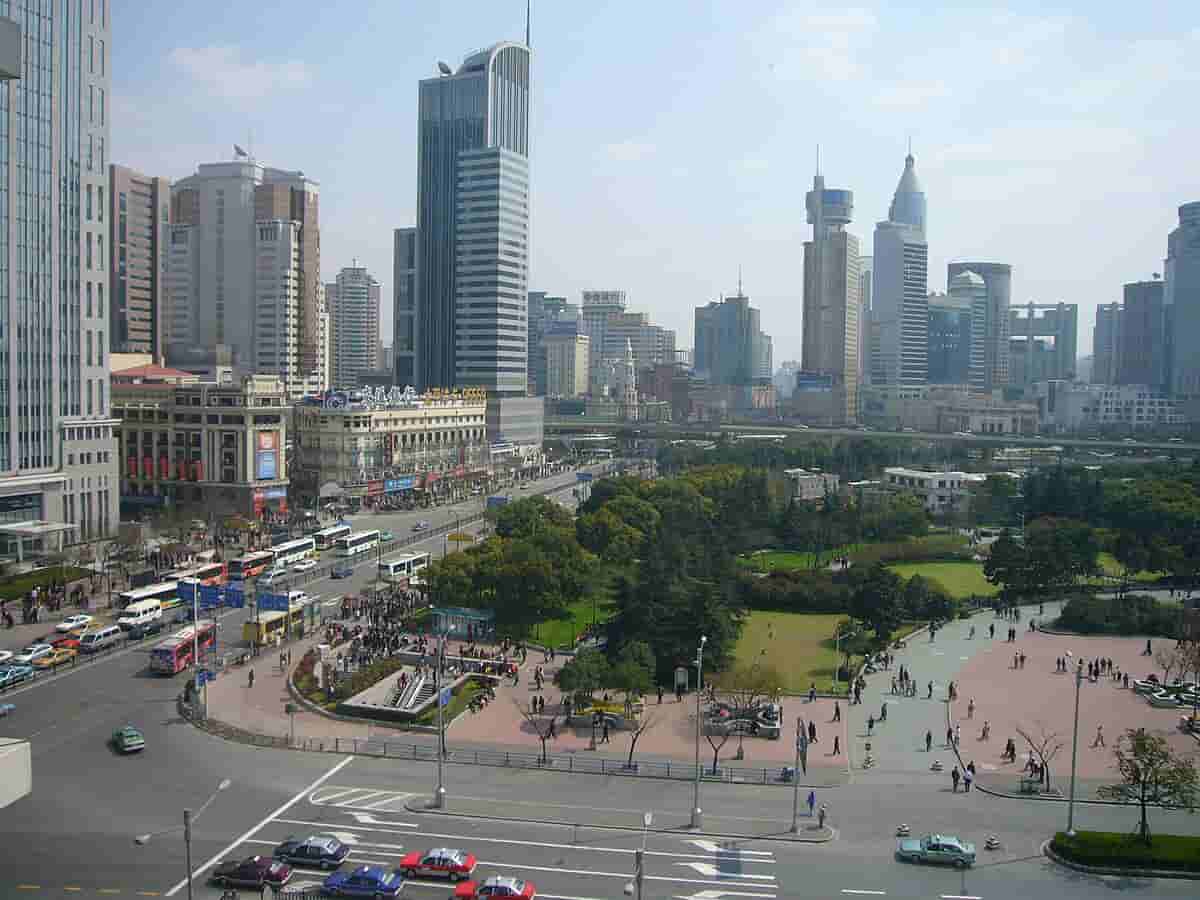
People's Square
A central square in Changchun, often hosting events and surrounded by historic buildings.
Changchun Normal University
A major educational institution with beautiful campus grounds.
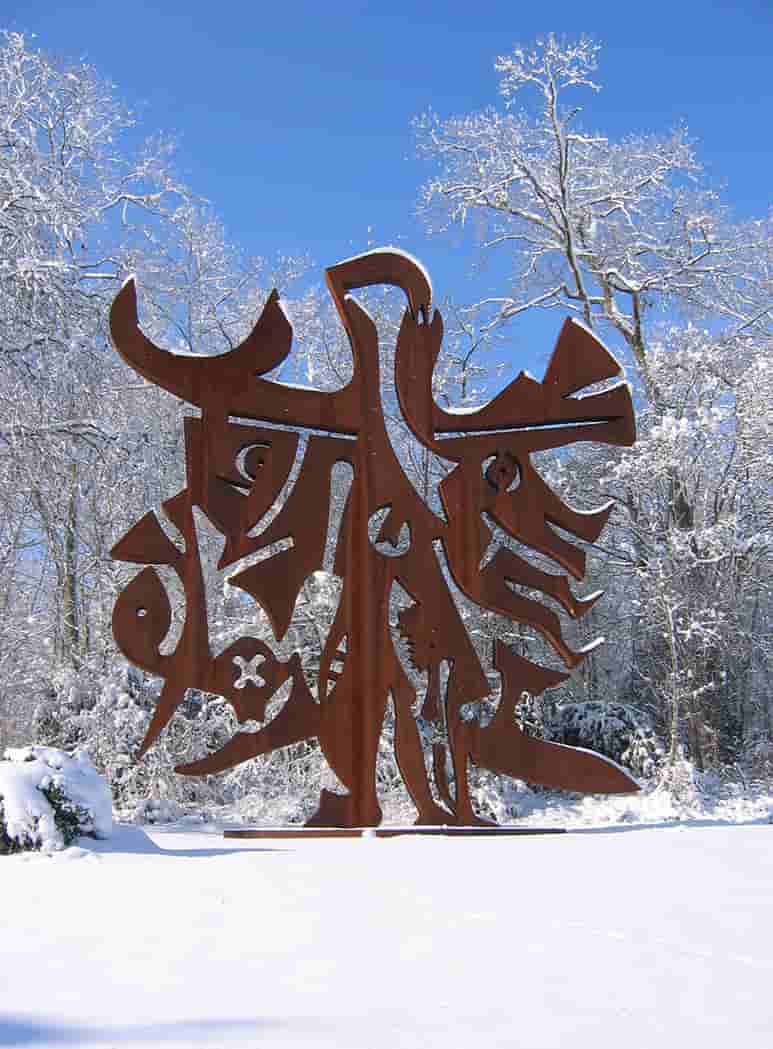
Sculpture Park
Open-air park featuring a large collection of modern sculptures from around the world.
Puppet Emperor's Palace
A historical site from the Manchukuo period, showcasing palace architecture and exhibits.
Jingyue Lake
A picturesque lake surrounded by forests, ideal for hiking and boating.
Changchun Movie Wonderland
A theme park dedicated to film and television with various attractions and shows.
Zhongmao Shopping Center
Large shopping complex with various stores
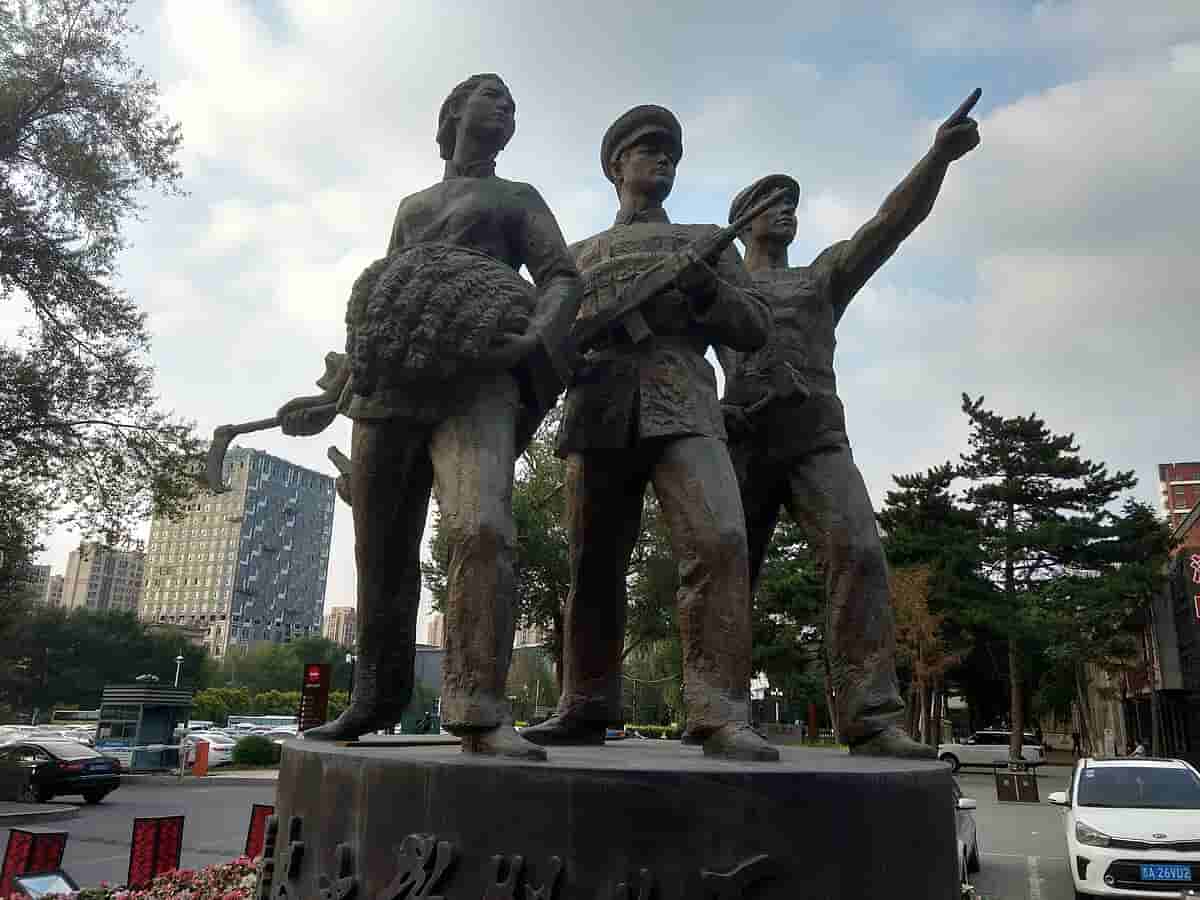
Changchun Film Studio
A legendary film studio that has produced many iconic Chinese movies, offering behind-the-scenes tours and film-themed attractions.
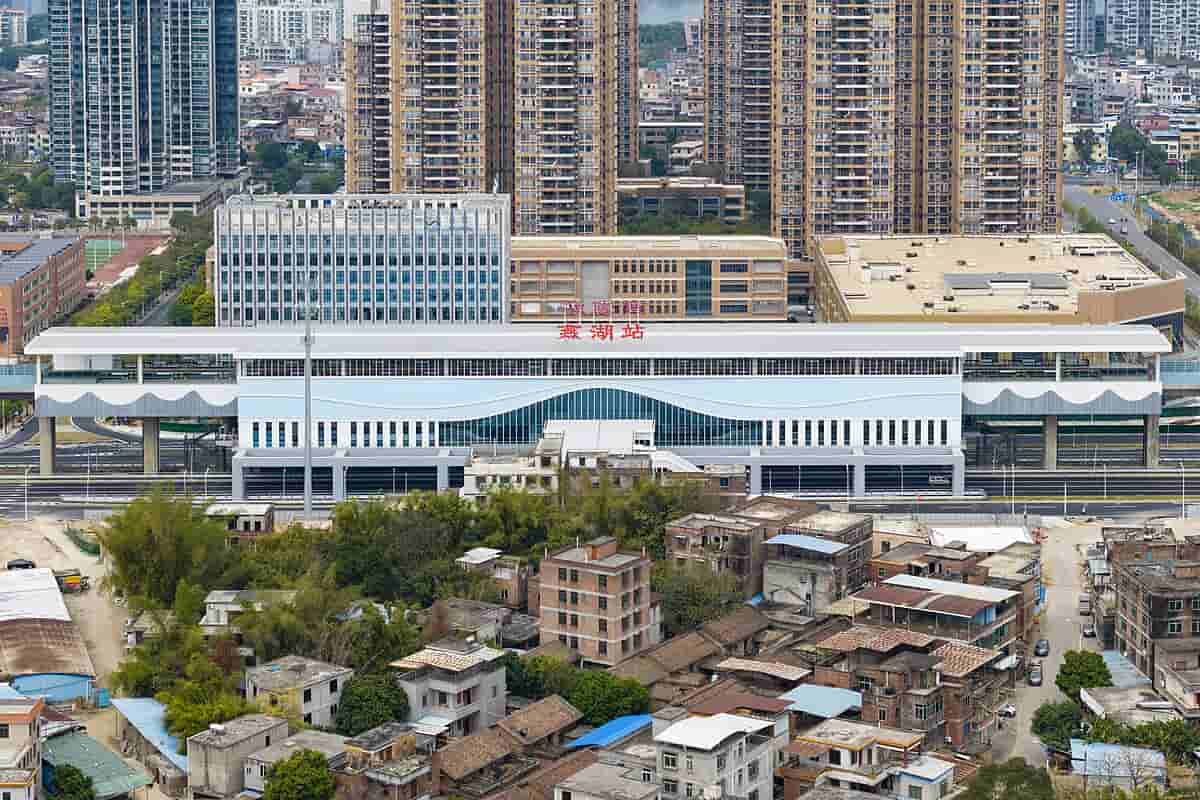
Yushu Railway Station
Main transportation hub in Jilin
🏘️ Neighborhoods
Chaoyang
The central commercial and political heart of the city, home to People's Square, major government buildings, and high-end shopping malls like Zhongmao.
Nanguan
The historical district containing the Imperial Palace of Manchukuo and other early 20th-century architecture, offering a glimpse into the city's past.
Jingyue
A scenic, suburban district dominated by the vast Jingyuetan National Forest Park and lake, offering resorts, villas, and outdoor activities.
Kuancheng
A major transportation hub containing Changchun Railway Station and the bustling wholesale markets around the Blackwater Road area.
Lvyuan
An important industrial area, historically centered on the First Automobile Works (FAW), with related museums and a strong local community feel.
Gaoxin
The High-Tech Development Zone, modern and orderly, with tech companies, new residential complexes, and the Changchun World Sculpture Park.
University Districts (Various)
Areas surrounding Jilin University, Northeast Normal University, etc., buzzing with young energy, affordable eateries, bookshops, and casual cafes.
🍽️ Local Cuisine
Changchun's cuisine is hearty, flavorful, and representative of Dongbei (Northeastern) cooking, designed to combat the cold climate. Signature dishes include Guo Bao Rou (sweet and sour pork loin), a crispy, tangy delight that is a must-try. Dishes often feature wild mushrooms, forest herbs, and hearty potatoes. Another local favorite is Di San Xian, a stir-fry of potatoes, eggplant, and green peppers. Given the Korean ethnic influence in Jilin, Korean-style barbecue and cold noodles (Naengmyeon) are also incredibly popular and authentic here. Dining culture is communal and relaxed. Meals are often shared family-style, and portions are generous. Must-try foods also include steamed dumplings (Jiaozi), especially around Chinese New Year, and various hotpot varieties in winter. Popular food areas include Guilin Road pedestrian street and the areas around universities, which are packed with affordable, delicious eateries. Price ranges are very reasonable: a street food snack can cost 5-15 RMB, a satisfying meal at a local restaurant 30-80 RMB per person, and a fine-dining experience 150 RMB+. Etiquette is straightforward: don't stick chopsticks upright in rice, and it's polite to serve others before yourself.
💡 Local Tips
🚗 Day Trip Ideas
Jilin City
Famous for its winter 'rime ice' phenomenon on the Songhua River and the Beishan Park with temples. A culturally rich sister city.
Changbai Mountain (North Slope)
Visit the stunning Heaven Lake, a volcanic crater lake on the border with North Korea, surrounded by pristine forests and waterfalls.
Siping
Site of the significant WWII Battle of Siping, with memorial museums. Also known for its Manchu cultural heritage and Yehe Ancient City.
Gongzhuling
Explore the nearby countryside and visit the Lianhuashan Ski Resort in winter for skiing and snow activities closer to Changchun.
Yitong Manchu Autonomous County
Experience Manchu culture, traditional villages, and the scenic Yitong River valley, offering a glimpse into ethnic minority life.
🛡️ Safety Tips
Changchun is generally a very safe city for travelers, with low rates of violent crime. Petty crime like pickpocketing can occur in crowded areas such as markets, major shopping streets, and public transport hubs, so remain vigilant with your belongings. Be cautious of taxi drivers who may refuse to use the meter for short trips; insist on it or use Didi. Traffic can be chaotic for pedestrians; always use crosswalks and be alert when crossing. Emergency numbers are 110 for police, 120 for ambulance, and 119 for fire. Air pollution can be an issue, especially in winter; sensitive individuals should monitor AQI levels and consider wearing a mask. In winter, the extreme cold is the primary health concern; dress appropriately to prevent frostbite. Tap water is not safe to drink; always consume bottled or boiled water. Overall, exercising standard urban precautions will ensure a safe and enjoyable visit.
💰 Budget Guide
Changchun is an affordable destination by international standards. A budget traveler can manage on 250-350 RMB per day, staying in hostels or budget hotels (100-200 RMB/night), eating at local noodle shops or street food (30-50 RMB/meal), using public transport, and visiting free attractions like parks. A mid-range traveler should budget 500-800 RMB daily, covering comfortable 3-4 star hotels (300-500 RMB/night), meals at nice local restaurants (80-150 RMB/meal), occasional taxis, and paid entrance fees to major sites. A luxury experience (1,200 RMB+/day) includes 5-star hotels, fine dining, private tours, and premium shopping. Money-saving tips: Utilize the excellent and cheap metro system, visit free public parks and squares, eat where locals eat on university streets, and consider visiting in the shoulder seasons (spring/autumn) for better hotel rates. Many museums have free or low-cost entry. Purchasing a local SIM card with data can save on roaming and help with navigation and translation apps.