Welcome to Cat Ba Island
Emerging from the emerald waters of northern Vietnam, Cat Ba Island is the largest jewel in the Halong Bay archipelago and a gateway to some of Southeast Asia's most breathtaking seascapes. Part of Hai Phong province, this rugged island of limestone karsts, hidden coves, and dense jungle offers a more serene and adventurous alternative to the bustling mainland hubs. While its dramatic landscapes of Lan Ha and Halong Bay often steal the spotlight, Cat Ba itself is a destination of surprising depth, where sleepy fishing villages coexist with a growing adventure tourism scene. The island's main town provides a convenient base with a range of accommodations, including 51 hotels catering to everything from backpackers to luxury seekers. Whether you're kayaking through secluded lagoons, trekking in the UNESCO-recognized Cat Ba National Park, or simply watching the sunset over a horizon dotted with iconic rock formations, Cat Ba Island promises an unforgettable blend of natural wonder and laid-back island life.
Overview
Cat Ba Island's history is a tapestry of ancient settlement, wartime significance, and evolving livelihoods. Originally home to the Cai Beo people over 6,000 years ago, the island later became a strategic military outpost, with sites like Cannon Fort bearing silent witness to its role in the Vietnam War. Today, its culture is a blend of traditional fishing communities and a growing service industry centered around tourism. The heart of the island is Cat Ba Town, a bustling strip along the harbor filled with hotels, tour operators, and restaurants. Beyond the town, the island unfolds into rural villages, lush national park, and stunning coastal areas. Cat Ba is most famous as the primary access point for exploring the less-crowded Lan Ha Bay, an extension of Halong Bay known for its pristine beaches and excellent kayaking. It's equally renowned for the Cat Ba National Park, a biosphere reserve protecting endangered species like the Cat Ba langur, and for its own collection of beautiful beaches like Cat Co 1, 2, and 3. The island's identity is firmly rooted in its dramatic natural beauty and its status as an adventure capital for rock climbing, hiking, and water sports.
🗓️ Best Time to Visit
The best time to visit Cat Ba Island is during the dry season, from October to April, when skies are clearer, humidity is lower, and rainfall is minimal. The peak tourist season falls within this period, particularly from November to March, offering pleasant temperatures ideal for hiking and sightseeing. However, this is also when the island is busiest. The months of April-May and September-October offer a sweet spot with good weather and slightly fewer crowds. The summer months from May to September constitute the rainy season, characterized by high heat, humidity, and frequent, sometimes heavy, afternoon downpours and the occasional tropical storm. While this can disrupt boat tours to the bays, it also brings lush greenery and fewer tourists. There are no major traditional festivals exclusive to Cat Ba, but national holidays like Tet (Lunar New Year, usually January/February) see an influx of domestic tourists. For optimal conditions for boat cruises in Lan Ha and Halong Bay, aim for the dry season windows.
🌤️ Weather & Climate
Cat Ba Island experiences a tropical monsoon climate with two distinct seasons: a hot, humid, and rainy summer, and a warm, dry winter. Temperatures are generally warm year-round, but humidity and precipitation vary dramatically.
Seasons
Dry Season
💨 Humidity: moderate
Pleasant, sunny weather with cooler temperatures from Dec-Feb. Ideal for all outdoor activities, hiking, and bay cruises. Peak tourist season.
Rainy Season
💨 Humidity: high
Hot, humid, and wet with frequent heavy downpours and potential for tropical storms. Lush greenery but boat tours may be cancelled. Fewer tourists.
Monthly Weather Details
January Weather
Best for: sightseeing, hiking
February Weather
Best for: sightseeing, hiking
March Weather
Best for: sightseeing, hiking, beginning of beach weather
April Weather
Best for: beach, cruising, hiking
May Weather
Best for: beach (between rains), indoor activities
June Weather
Best for: indoor activities, flexible planning
July Weather
Best for: indoor activities, flexible planning
August Weather
Best for: indoor activities, flexible planning
September Weather
Best for: transition period, can be good for cruising
October Weather
Best for: cruising, hiking, beach
November Weather
Best for: cruising, hiking, sightseeing
December Weather
Best for: sightseeing, hiking
🎒 What to Pack
All Year Round
- lightweight clothing
- swimsuit
- sunscreen
- insect repellent
- rain jacket or poncho
- comfortable walking shoes
🚗 Getting Around
Getting around Cat Ba Island is relatively straightforward. The most common and flexible mode of transport for visitors is the electric shuttle bus or 'green bus' that runs along the main road from Cat Ba Town to the Cat Co beaches and the national park entrance. For greater freedom, renting a motorbike is extremely popular and affordable (around $5-7 per day), but requires confidence and caution on the hilly, sometimes rough roads. Taxis and ride-hailing services like Grab are available in Cat Ba Town for short trips. Bicycles can be rented for exploring the flatter areas near town. Walking is perfectly feasible within Cat Ba Town itself. To reach the island, most travelers take a bus+ferry+bus combo from Hanoi or a speedboat from Hai Phong. There is no airport on Cat Ba; the nearest major airport is in Hai Phong. Transfers from Hanoi typically cost $15-25 and take 3-4 hours. Once on the island, transport costs are low, with shuttle bus tickets under $1 and motorbike rentals being the best value for exploring independently.
🎯 Top Attractions
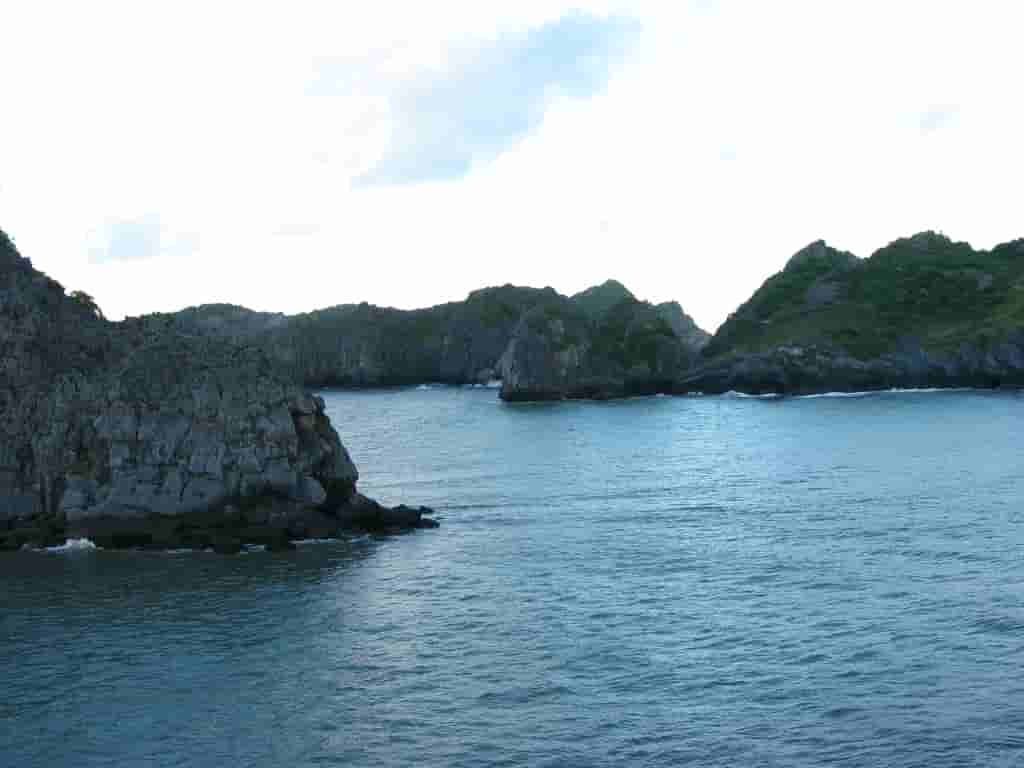
Lan Ha Bay
A tranquil bay, ideal for kayaking and boat tours, offering stunning views and secluded beaches.
Cat Ba National Park
A natural paradise offering hiking trails, diverse wildlife, and breathtaking views of the island's lush landscapes.
Cannon Fort
Historical site offering 360-degree views of Cat Ba Island and its surrounding waters.
Cat Co Beaches
Three small, scenic sandy beaches popular for swimming and sunbathing.
Halong Bay
UNESCO World Heritage site with limestone islands and emerald waters.
Cat Ba Town
Main town with a harbor, markets, and tour operators for Halong Bay.
Cat Ba Island Beaches
Pristine beaches ideal for swimming, sunbathing, and water sports.

Cat Co Cove 1
Beautiful sandy beach perfect for swimming.
Tien Ong Cave
A significant archaeological site showcasing prehistoric artifacts and a glimpse into Cat Ba's early history.
Cat Co Beach
A beautiful sandy beach with clear water, ideal for swimming and sunbathing.
🏘️ Neighborhoods
Cat Ba Town (Harbor Front)
The bustling heart of the island, lined with hotels, tour agencies, restaurants, and bars along the main strip. The primary base for tourists and the departure point for bay cruises.
Cat Ba Town (Back Streets)
The quieter, more residential streets just inland from the main strip. Offers a more local feel, with some guesthouses and cheaper eateries.
Cat Co Cove (Beaches 1, 2, 3)
A series of three beautiful sandy beaches connected by a cliffside path, just south of Cat Ba Town. Home to a few resorts and bungalows right on the sand.
Cai Vieng & Northern Villages
Tranquil rural areas in the north of the island, featuring fishing communities, homestays, and a slower pace of life. Closer to the national park's remote trails.
Phu Long (West Harbor)
The quieter western ferry port area. Less developed than Cat Ba Town, with a few hotels and a more authentic, working-harbor atmosphere.
National Park Area
The forested interior surrounding the park headquarters. Offers eco-lodges and homestays deep in the jungle, ideal for serious hikers and wildlife watchers.
🍽️ Local Cuisine
Cat Ba's cuisine is a delicious reflection of its island setting, heavily focused on supremely fresh seafood. Signature dishes must begin with 'Hai San' (seafood). Visit the floating restaurants or harbor-side eateries for grilled squid, steamed crab with salt and lime, and the iconic 'Cha Muc' (squid patties or sausages), a Cat Ba specialty. 'Bun Ca' (fish noodle soup) is a popular local breakfast. Given its proximity to Halong, 'Nem Cua Be' (sea crab spring rolls) are also a treat. Dining culture is casual and social, with most restaurants open-air and centered around shared plates. The main strip in Cat Ba Town is the primary dining area, offering everything from local family-run spots to tourist-oriented grills. For a more authentic experience, head to the smaller eateries just off the main road or the floating restaurants accessible by boat. Price ranges are very reasonable: a local meal can cost $3-5, while a seafood feast at a mid-range restaurant might be $10-15 per person. Etiquette is relaxed; it's customary to use chopsticks and share dishes family-style. Always check prices for fresh seafood by weight before ordering to avoid surprises.
💡 Local Tips
🚗 Day Trip Ideas
Lan Ha Bay Cruise
A full-day boat trip kayaking through lagoons, swimming at secluded beaches like Ba Trai Dao, and visiting floating villages. Less crowded than Halong Bay.
Cat Ba National Park Hike
Trek through primary rainforest to the summit of Ngu Lam Peak for stunning island views, and visit the Endangered Primate Rescue Center.
Viet Hai Village & Butterfly Valley
Cycle or trek through the national park to this remote, traditional village. Visit a local house and explore the scenic valley.
Monkey Island (Cat Dua)
A short boat trip to a small island with beaches, hiking trails, and, as the name suggests, troops of friendly (but mischievous) monkeys.
Halong Bay (via Boat from Cat Ba)
Join a tour that ventures into the world-famous Halong Bay to see iconic sites like Sung Sot Cave and Titop Island from the Cat Ba side.
Cannon Fort & Hospital Cave
A historical half-day exploring the wartime tunnels and gun emplacements at Cannon Fort and the secret, underground Hospital Cave complex.
🛡️ Safety Tips
Cat Ba Island is generally very safe for tourists, with low rates of violent crime. Petty theft, like bag-snatching from unattended belongings on the beach, can occur, so always keep valuables secure. Be cautious when renting motorbikes; only do so if you are experienced, wear a helmet, and inspect the bike for damage beforehand. Common scams are relatively low-key but can include overcharging for tours or seafood (always agree on prices in advance) and taxi drivers taking longer routes. When on boat tours, always wear a life jacket when advised. Health-wise, drink bottled water, and be mindful of food hygiene at the most basic street stalls. Mosquito-borne illnesses are a risk, so use repellent. Emergency numbers: Police (113), Fire (114), Medical (115). For serious issues, contact your embassy. Overall, use common sense, and you'll find Cat Ba to be a welcoming and secure destination.
💰 Budget Guide
Cat Ba can suit a range of budgets, though it's not as ultra-cheap as some mainland Vietnamese destinations. A budget traveler can manage on $25-40 per day by staying in hostel dorms ($5-10), eating at local 'com pho' stalls ($2-4 per meal), using the shuttle bus, and joining affordable group tours to Lan Ha Bay ($20-25). Mid-range travelers spending $50-80 per day can enjoy private hotel rooms (around the $30-50 average), meals at decent restaurants ($5-10), motorbike rental, and nicer day trips or overnight cruises. A luxury budget of $120+ per day affords stays at high-end resorts, fine dining, private tours, and premium overnight cruises. Money-saving tips: Book tours directly with operators in town after comparing prices, eat where the locals eat away from the main strip, rent a motorbike for independent exploration instead of taxis, and visit in the shoulder or rainy season for lower accommodation rates. Many natural attractions, like beaches and some hiking trails, are free or have minimal entrance fees.