Welcome to Carcassonne
Rising from the sun-drenched plains of southwestern France, Carcassonne is a vision straight from a medieval fairy tale. This fortified city in the Languedoc-Roussillon region is a UNESCO World Heritage site and one of Europe's most spectacular historical treasures. Its iconic double-walled citadel, La Cité, crowns a hill overlooking the Aude River, a silhouette of turrets and battlefires that has captivated travelers for centuries. Beyond the ancient stones, the vibrant lower town, the Bastide Saint-Louis, offers a charming contrast with its elegant 18th-century grid of streets and bustling squares. With 69 hotels ranging from historic inns within the ramparts to modern accommodations in the ville basse, finding a place to stay is easy, with an average nightly rate of around $105. Whether you're drawn by history, gastronomy, or the romance of the French countryside, Carcassonne delivers an unforgettable experience, best savored over a leisurely one to two-day stay.
Overview
Carcassonne's history is etched into its very stones, spanning over 2,500 years from Roman outpost to Visigothic fortress and a pivotal stronghold during the Albigensian Crusade. Its meticulous 19th-century restoration by architect Eugène Viollet-le-Duc preserved its awe-inspiring medieval character. The city is famously divided into two distinct parts: the fortified Cité de Carcassonne, a living museum and the largest medieval fortress in Europe, and the Bastide Saint-Louis (the lower town), a classic example of a planned medieval 'bastide' with a central square, Place Carnot, and radiating streets. Carcassonne is globally renowned for its unparalleled citadel, but its fame also extends to its proximity to the UNESCO-listed Canal du Midi, a 17th-century engineering marvel perfect for boating and cycling. The local culture is deeply Occitan, with a passion for rugby, cassoulet, and the region's robust wines. The city pulses with life during its summer festivals, which transform the ancient walls into stages for jousting tournaments and historical reenactments.
🗓️ Best Time to Visit
The best time to visit Carcassonne is from late spring to early autumn (May to September), when the weather is warm and sunny, ideal for exploring the extensive ramparts. July and August are peak season, bringing vibrant festivals like the spectacular July 14th fireworks display and the medieval jousting festival in August, but also the largest crowds. For a balance of good weather and fewer tourists, consider the shoulder seasons of May-June or September. These months offer pleasant temperatures perfect for walking and enjoying outdoor cafes. Winter (November to February) is the off-peak season; while colder and potentially rainy, it provides a moody, atmospheric, and crowd-free experience of the medieval city, with the possibility of festive Christmas markets in December. Note that some attractions may have reduced hours outside the summer high season.
🌤️ Weather & Climate
Carcassonne enjoys a Mediterranean climate with hot, dry summers and mild, damp winters. It is one of the sunniest cities in France, but can be windy, especially the Tramontane wind from the northwest.
Seasons
Spring
💨 Humidity: moderate
Pleasant and gradually warming, with blooming wildflowers and occasional rain showers. Ideal for sightseeing.
Summer
💨 Humidity: low
Hot, dry, and sunny. Peak tourist season. Evenings are warm. Perfect for outdoor activities and festivals.
Autumn
💨 Humidity: moderate
Warm early autumn gives way to cooler, wetter weather. September is particularly lovely, with fewer crowds.
Winter
💨 Humidity: moderate
Mild but damp and cloudy. Chilly winds are common. Few tourists, offering a quiet, atmospheric visit.
Monthly Weather Details
January Weather
Best for: indoor activities, quiet exploration
February Weather
Best for: sightseeing without crowds
March Weather
Best for: early spring walks
April Weather
Best for: sightseeing, photography
May Weather
Best for: outdoor exploration, canal trips
June Weather
Best for: festivals, rampart walks
July Weather
Best for: beach trips, night festivals
August Weather
Best for: medieval festivals, dining al fresco
September Weather
Best for: wine tasting, cycling
October Weather
Best for: autumn colors, gastronomy
November Weather
Best for: museum visits, cassoulet
December Weather
Best for: Christmas markets
🎒 What to Pack
All Year Round
- comfortable walking shoes
- layered clothing
- sunglasses
- power adapter
🚗 Getting Around
Carcassonne is a highly walkable city, especially within the compact Bastide Saint-Louis and the pedestrian-only Cité. Walking is the best way to soak in the atmosphere. To travel between the lower town and the Cité (about a 30-minute walk), the public bus Line 4 provides a regular and inexpensive service. Taxis are available at ranks at the train station and Place Carnot, and ride-sharing apps operate in the area. For exploring the surrounding countryside, including the Canal du Midi, renting a bicycle is highly recommended. Carcassonne Airport (CCF) is small and conveniently located just a 15-minute drive from the city center; a taxi is the most straightforward transfer option, with a fixed fare of around €20-€25. The main train station, Gare de Carcassonne, connects the city to Toulouse, Montpellier, and beyond, and is a short walk from the Bastide Saint-Louis.
🎯 Top Attractions
Carcassonne Citadel
Medieval fortress, a UNESCO World Heritage site and major tourist attraction.
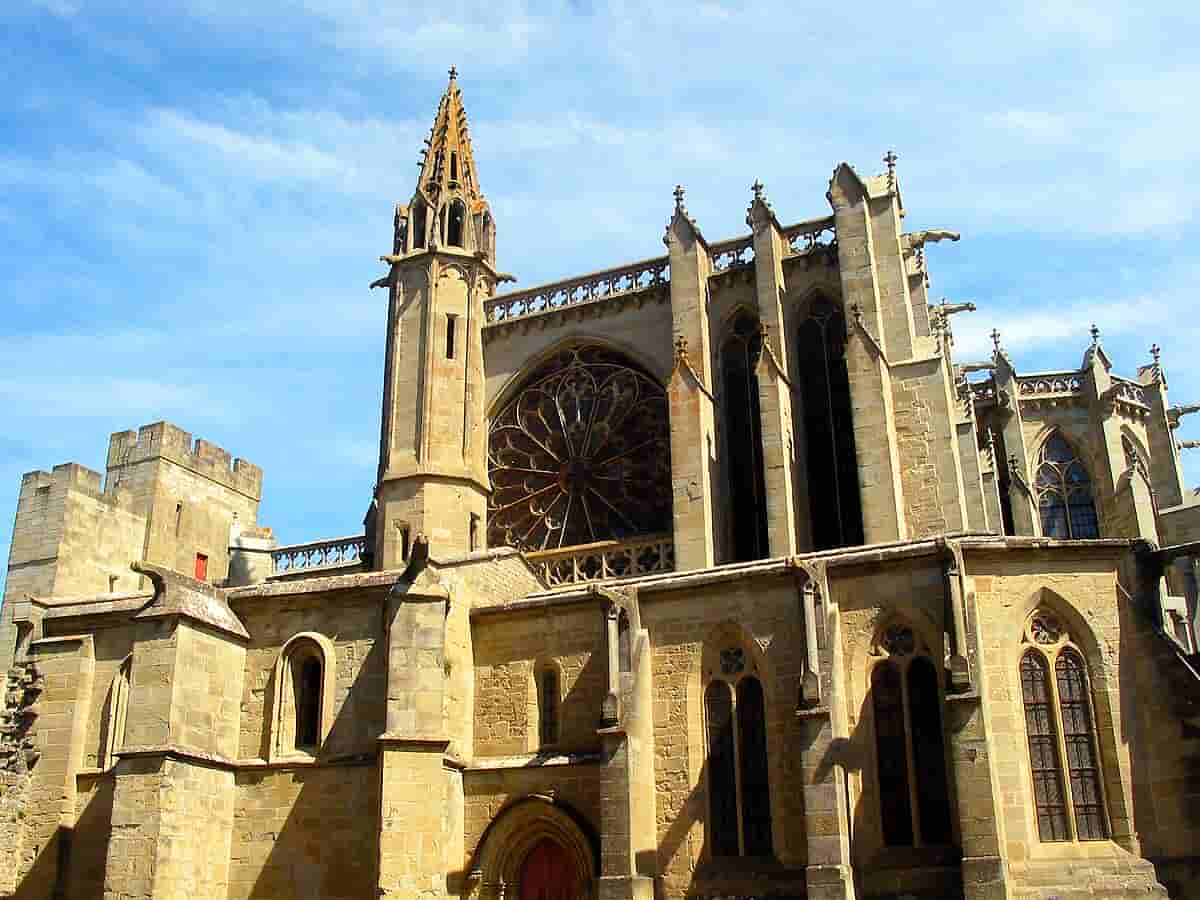
Basilica of Saints Nazarius and Celsus
An architectural gem within the citadel, renowned for its stunning stained-glass windows and historic significance.
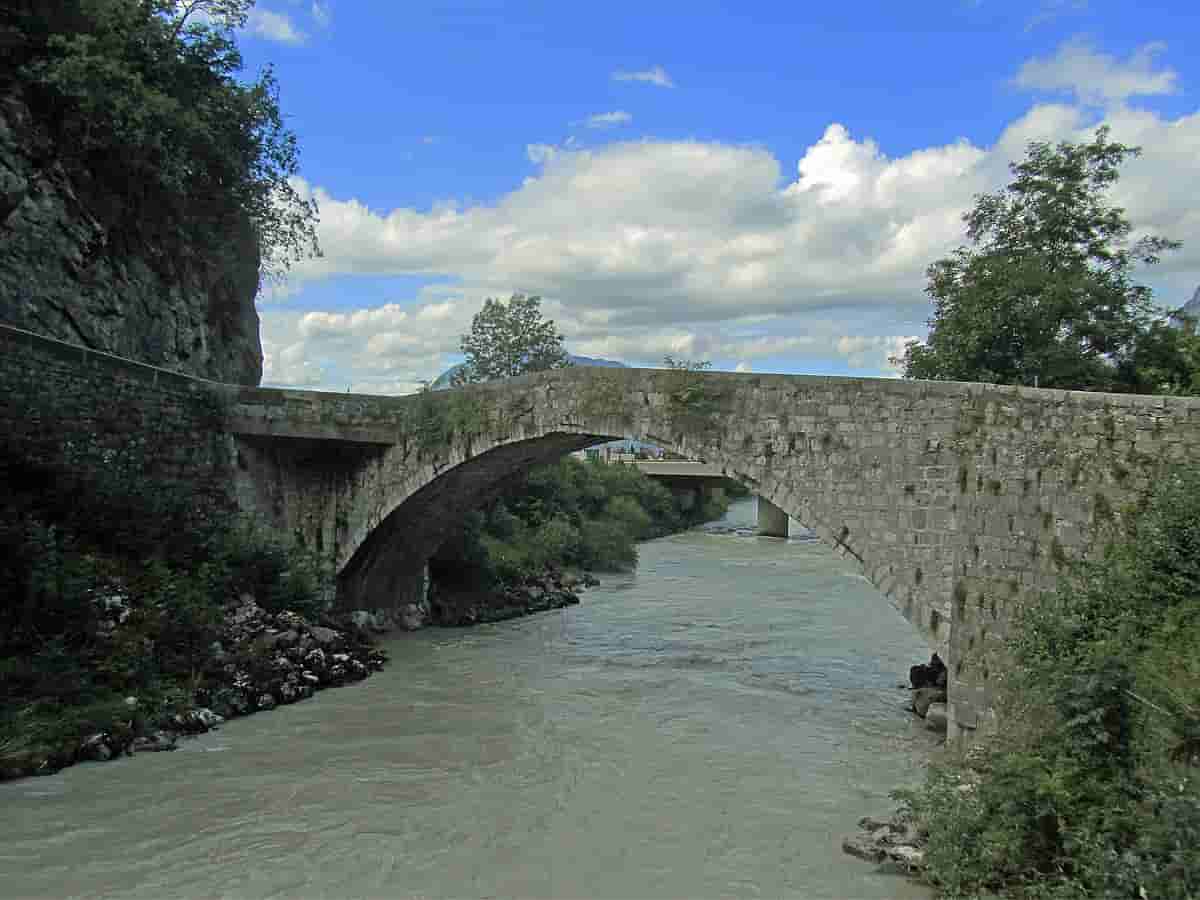
Pont Vieux
The historic bridge providing one of the most iconic and photographed views of the fortified city from across the river.
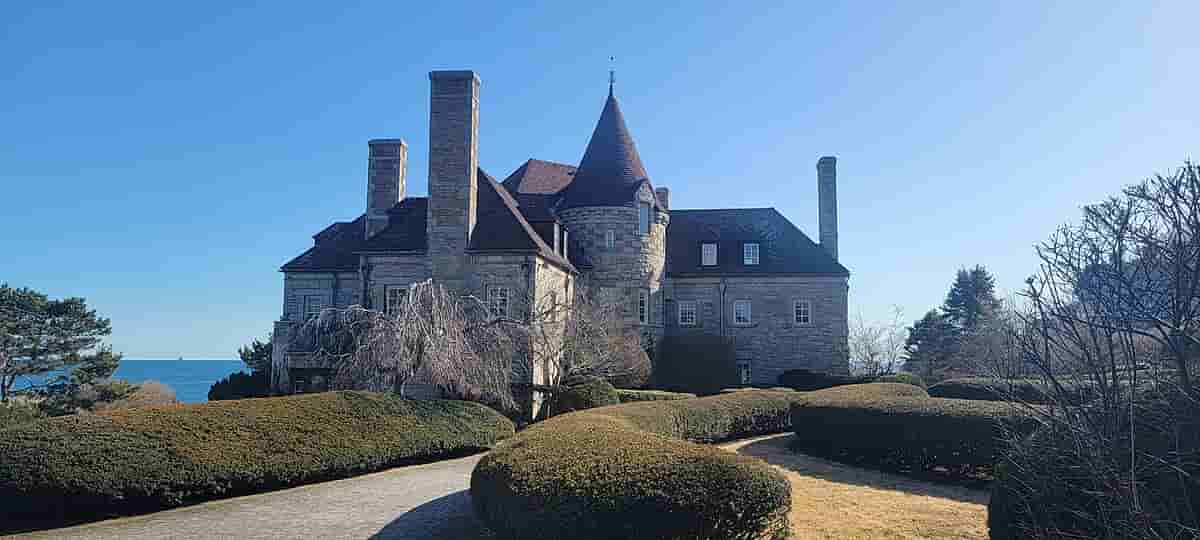
Carcassonne Castle
A medieval fortress and UNESCO World Heritage site with stunning architecture and history.
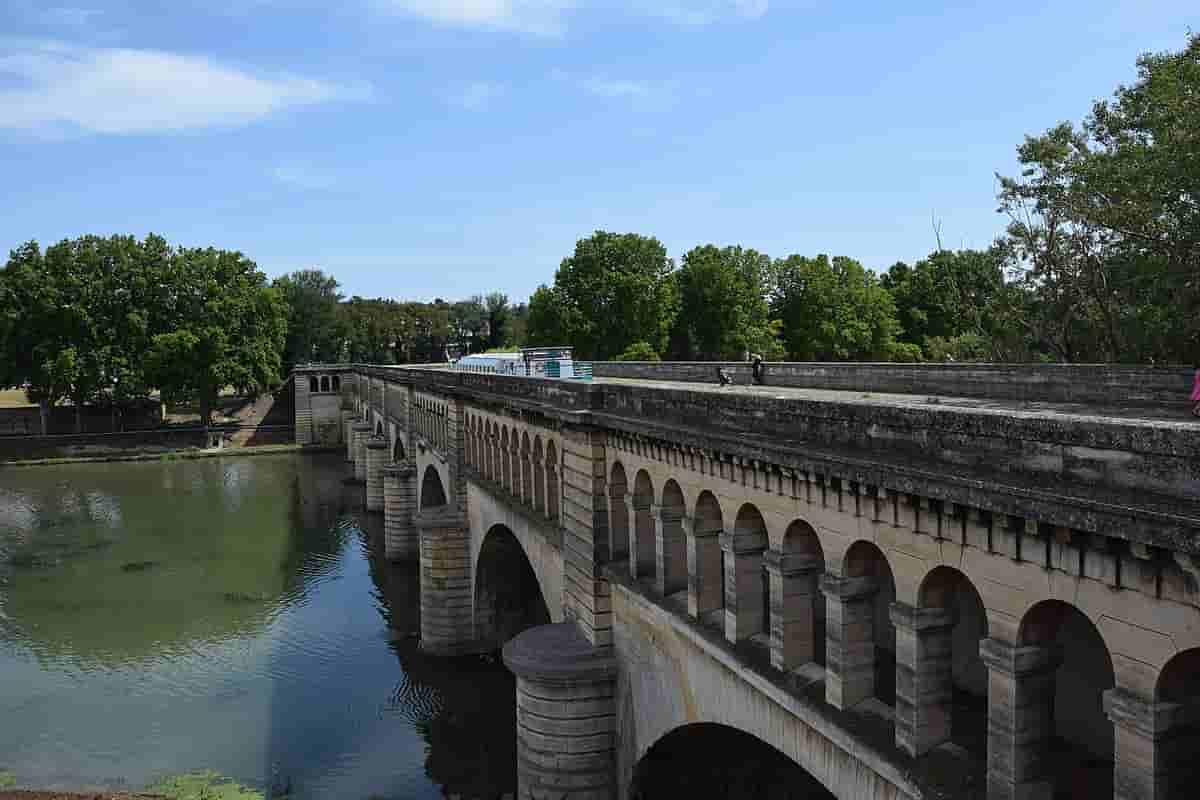
Canal du Midi
A peaceful waterway lined with plane trees, the Canal du Midi offers visitors a chance to explore the region's picturesque countryside by boat or on foot.
Old City
Walled city with shops and cafes
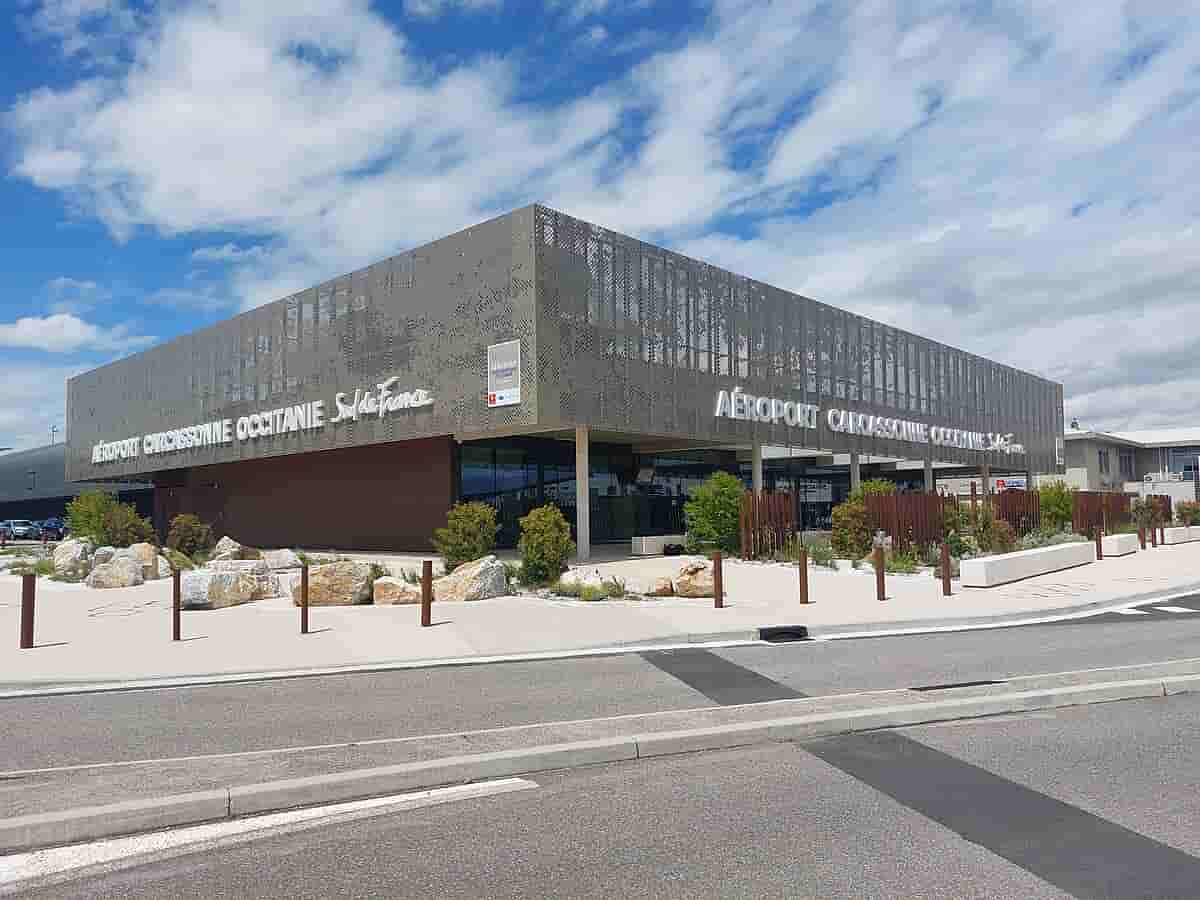
Carcassonne Airport
Regional airport with connections to several European cities.
Medieval City of Carcassonne
A stunning UNESCO World Heritage site, this fortified city is a masterpiece of medieval architecture with a rich history.
Pontcest Michel
Historic bridge with scenic walkways.
Cité de Carcassonne
A UNESCO World Heritage site, the medieval fortress of Cité de Carcassonne is a stunning example of Gothic architecture and a must-visit for history enthusiasts.
Basilica of St. Nazaire and St. Celse
This impressive Romanesque and Gothic-style cathedral features stunning stained glass windows and intricate stone carvings that showcase the region's rich history.
Carcassonne Old Town
Historic center with shops and restaurants
🏘️ Neighborhoods
La Cité (Medieval City)
The UNESCO-listed, double-walled fortress atop the hill. Contains the castle, basilica, museums, and winding cobblestone lanes filled with shops and restaurants.
Bastide Saint-Louis (Lower Town)
The planned 'ville basse' with a grid of streets centered on Place Carnot. The commercial and residential heart with most shops, hotels, and local life.
La Trivalle
The charming, historic district at the foot of the Cité, nestled between the fortress and the Pont Vieux. Quaint houses and restaurants line the riverbank.
Ouest (Around the Station)
The area surrounding the main train station (Gare de Carcassonne). Functional with several hotels and easy transport links, but less picturesque.
Gambetta
A primarily residential neighborhood west of the Bastide, offering a local feel, some good value eateries, and quieter accommodation options.
Domaine de la Citadelle
A modern leisure complex located just outside the Cité walls, featuring a golf course, the casino, a hotel, and upscale dining.
🍽️ Local Cuisine
Carcassonne is the heartland of cassoulet, the iconic slow-cooked casserole of white beans, duck or goose confit, pork, and Toulouse sausage. This hearty dish is a must-try, best enjoyed in a traditional 'auberge'. Other local specialties include 'cargolade' (grilled snails), 'magret de canard' (duck breast), and 'fouace' (a sweet brioche). The region produces excellent wines, notably Corbières and Minervois reds, and the sparkling Blanquette de Limoux. Dining is a leisurely affair; expect to spend 1.5-2 hours for a proper meal. The Bastide Saint-Louis, particularly around Place Carnot, is filled with restaurants and brasseries. A budget meal can be found for under €15, a mid-range restaurant meal costs €20-€40, and fine dining will exceed €50. Remember that service is usually included ('service compris'), but leaving small change is customary.
💡 Local Tips
🚗 Day Trip Ideas
Canal du Midi at Trèbes
A picturesque section of the UNESCO-listed canal, perfect for a boat trip, bike ride, or waterside picnic. See the famous Fonserannes Locks near Béziers if going further.
Limoux
Charming town famous as the birthplace of Blanquette de Limoux sparkling wine. Visit cellars for tastings and, if in winter/spring, experience its unique Carnival festivities.
Lastours Castles
Four dramatic Cathar castle ruins perched on a single rocky ridge, offering breathtaking views and a fascinating history of the Albigensian Crusade.
Toulouse
The vibrant 'Pink City', a major cultural hub with stunning basilicas, the Airbus museum, and bustling squares along the Garonne River.
Castelnaudary
The self-proclaimed 'world capital of cassoulet'. Visit its windmill-lined canal port and, of course, enjoy an authentic version of the famous stew.
Rennes-le-Château
A tiny, mysterious village atop a hill, shrouded in legends of hidden treasure and the Holy Grail, made famous by the book 'The Da Vinci Code'.
🛡️ Safety Tips
Carcassonne is generally a very safe city for travelers. Petty crime like pickpocketing can occur in crowded tourist areas, especially within the Cité during peak season. Be vigilant with your belongings in these spots. The city is well-lit, but it's wise to stick to main streets at night. There are no specific no-go areas, but standard precautions apply. Emergency numbers are 112 (EU-wide), 17 (Police), 15 (Medical), and 18 (Fire). Tap water is safe to drink. In summer, protect against sun exposure and stay hydrated while walking the exposed ramparts. The cobblestone streets in the Cité are uneven, so sturdy footwear is a safety must to prevent trips and falls.
💰 Budget Guide
Carcassonne can suit various budgets. A budget traveler can manage on €50-€70 per day by staying in hostels or budget hotels (from €50/night), enjoying picnic lunches and affordable plat du jour meals (€12-€15), using public transport or walking, and focusing on free sights like walking the city walls. Mid-range travelers should budget €100-€150 per day for a comfortable hotel (€80-€120/night), dining at good local restaurants (€25-€40 for dinner), occasional taxis, and paid attractions like the Château Comtal (€9.50). Luxury travelers can expect €200+ per day for stays in historic 4-star hotels, fine dining with wine pairings, private guides, and hot air balloon rides over the citadel. Money-saving tips: visit outside July/August, purchase the Carcassonne Pass for combined attraction entry, have a picnic with market goods, and enjoy the free rampart walks and lower town exploration.