Welcome to Calais
Calais, France's northernmost city, stands as a historic gateway between two worlds. Perched on the Strait of Dover where the English Channel narrows to a mere 21 miles, this port city has long been a crossroads of cultures, commerce, and conflict. Today, Calais offers visitors a compelling blend of maritime energy, poignant war history, and surprising cultural gems, all wrapped in the distinctive atmosphere of the Nord-Pas-de-Calais region. While many travelers know it only as the French terminus of the Channel Tunnel or a ferry port, those who pause discover a resilient city with a soul shaped by lace-making, fishing, and its strategic position. With 43 hotels offering an average nightly rate of $84.19, Calais is an accessible and often overlooked destination perfect for a one-day immersion. From the imposing Gothic town hall belfry (a UNESCO World Heritage site) to the sweeping sands of its beach, Calais invites you to explore beyond the transit lounge.
Overview
Calais's history is written in stone and sea. Its significance was cemented in 1347 after a famous siege during the Hundred Years' War, an event immortalized by Rodin's sculpture 'The Burghers of Calais.' For centuries, it was an English possession, only returning to French rule in 1558. This Anglo-French heritage is palpable. The city is famously known for its lace industry, which boomed in the 19th century and is celebrated at the superb Cite de la Dentelle et de la Mode. The massive Port of Calais is one of Europe's busiest passenger ports, a constant hive of activity linking France to England. Culturally, Calais is part of the Opal Coast, known for its dramatic cliffs and light. The city center, reconstructed after WWII, is functional yet holds treasures like the ornate Town Hall and the restored Citadel. The St-Pierre district is the historic heart, while the beachfront offers a more leisurely pace. Calais is ultimately a city of arrivals and departures, of resilience, and of a unique identity forged at the continent's edge.
🗓️ Best Time to Visit
The best time to visit Calais is from late spring to early autumn (May through September), when the weather is mildest and the coastal atmosphere most enjoyable. Summer (June-August) is peak season, with the warmest temperatures averaging 18-22°C (64-72°F), long daylight hours, and a lively vibe. This is when the beach is most popular, and outdoor cafes buzz. However, it can be breezy and occasionally crowded. The shoulder months of May and September offer pleasant conditions with fewer tourists, ideal for sightseeing. Winter (November-February) is off-peak: days are short, cold, damp, and windy, but hotel prices are at their lowest, and you'll have museums largely to yourself. Major events include the Braderie de Calais (a huge flea market) in August, the Christmas market in December, and various sailing events in the port during summer. Note that the famous Northern winds mean a jacket is advisable year-round.
🌤️ Weather & Climate
Calais has a temperate oceanic climate characterized by mild temperatures year-round, significant humidity, and frequent winds off the English Channel. Summers are cool and pleasant, while winters are chilly, damp, and often overcast.
Seasons
Spring
💨 Humidity: moderate
Increasingly mild and bright, but still prone to showers and cool breezes. Nature blooms, and crowds are thin.
Summer
💨 Humidity: moderate
The most pleasant season, with long daylight hours. Warm but rarely hot, always with a potential sea breeze.
Autumn
💨 Humidity: high
Temperatures drop steadily, rainfall increases, and skies become grayer. Early autumn can still be pleasant.
Winter
💨 Humidity: high
Cold, damp, and windy with short days. Snow is rare, but frost and fog can occur. Indoor attractions shine.
Monthly Weather Details
January Weather
Best for: museum visits, budget travel
February Weather
Best for: museum visits, budget travel
March Weather
Best for: early sightseeing
April Weather
Best for: sightseeing, coastal walks
May Weather
Best for: sightseeing, coastal walks
June Weather
Best for: beach, outdoor activities
July Weather
Best for: beach, festivals, outdoor dining
August Weather
Best for: beach, festivals, outdoor dining
September Weather
Best for: sightseeing, coastal walks
October Weather
Best for: cultural visits, dining
November Weather
Best for: museum visits
December Weather
Best for: Christmas market, budget travel
🎒 What to Pack
All Year Round
- waterproof jacket
- comfortable walking shoes
- layers
- umbrella
🚗 Getting Around
Calais is a compact city where the center and major attractions are easily navigable on foot. Walking is the best way to explore the Town Hall square, the lace museum, and the beachfront promenade. For longer distances, the local bus network, operated by Opale, is efficient and covers the city and nearby suburbs; a single ticket costs around €1.50. Biking is also excellent, with dedicated cycle paths along the coast and into the city; bike rentals are available. Taxis are readily available at ranks near the ferry terminal, train station, and town center, but hailing on the street is uncommon. Ride-sharing apps like Uber have limited presence. For arrivals, the Calais-Frethun railway station (TGV and Eurostar) is about 5km southwest of the center, connected by bus or taxi. The ferry terminal is a short walk or quick bus ride from the city center. The Channel Tunnel terminal at Coquelles is further out (approx. 10km) and requires a taxi or shuttle bus. Having a car can be useful for day trips but is unnecessary for exploring the city itself.
🎯 Top Attractions
Calais Railway Museum
Displays historic locomotives and the story of French rail travel.
Calais City Walls
Remnants of medieval fortifications with scenic walking paths.
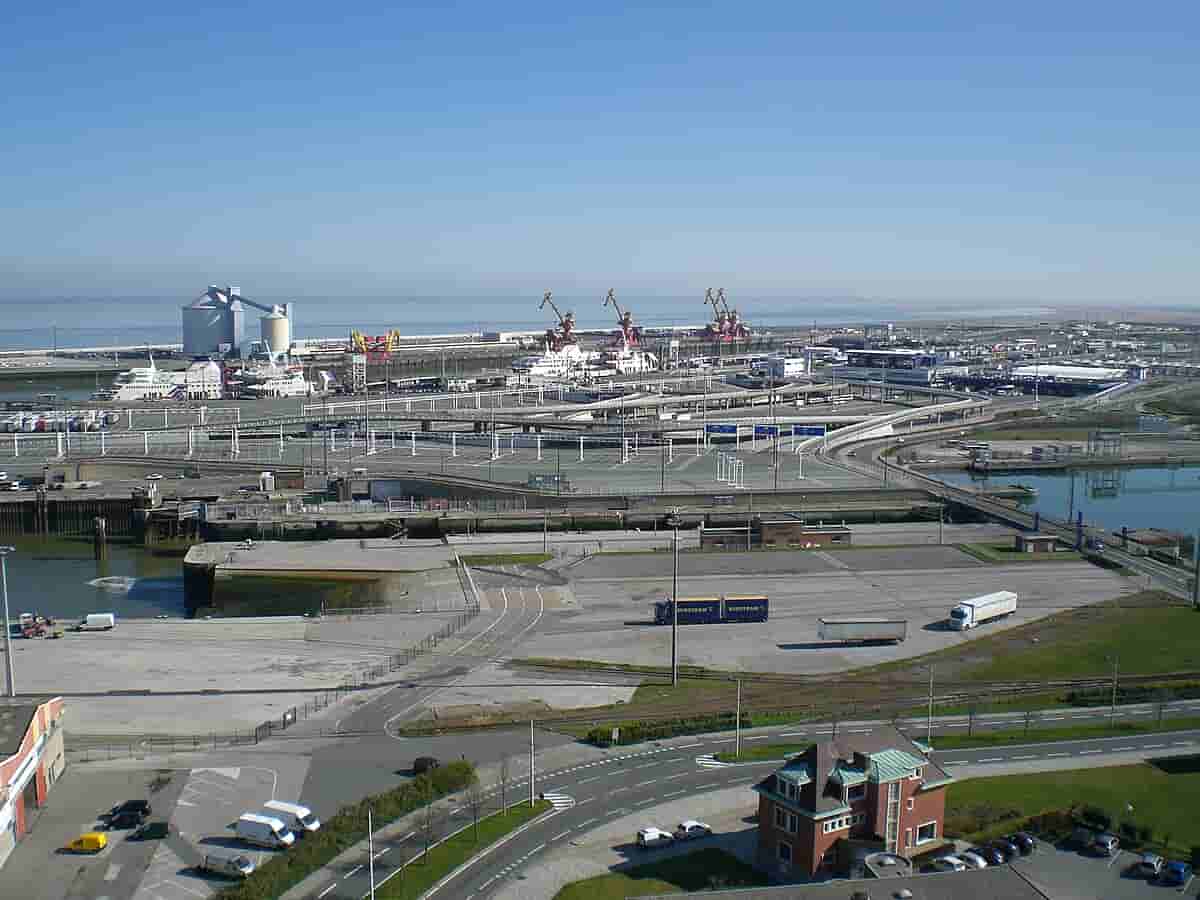
Port of Calais
Busy ferry terminal with impressive maritime activity and nearby cafés.
L'Observatoire de Calais
Astronomy centre with public viewing nights and educational exhibits.
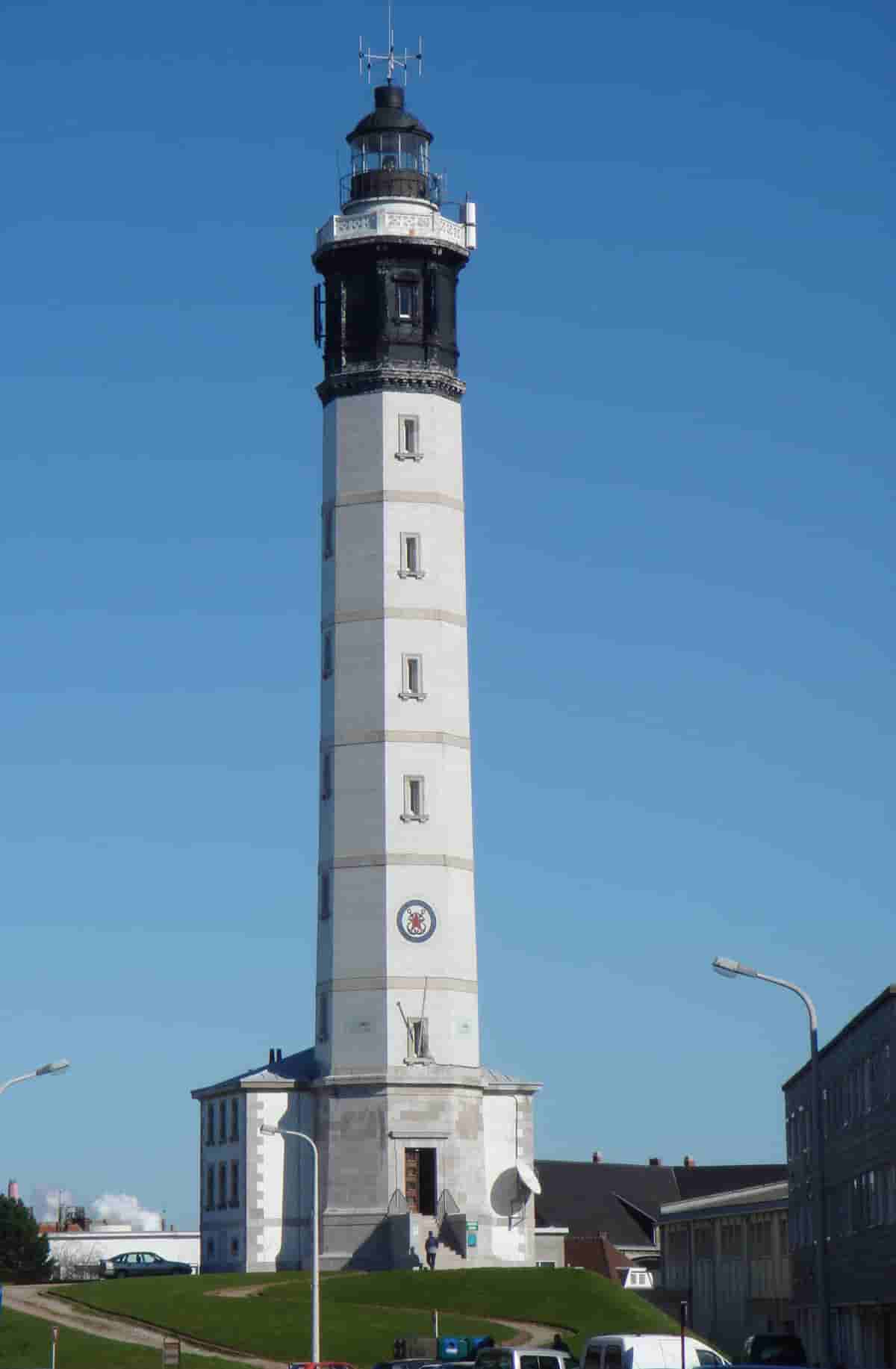
Calais Lighthouse
A historic lighthouse offering panoramic vistas of the Strait of Dover and the coast of England beyond.
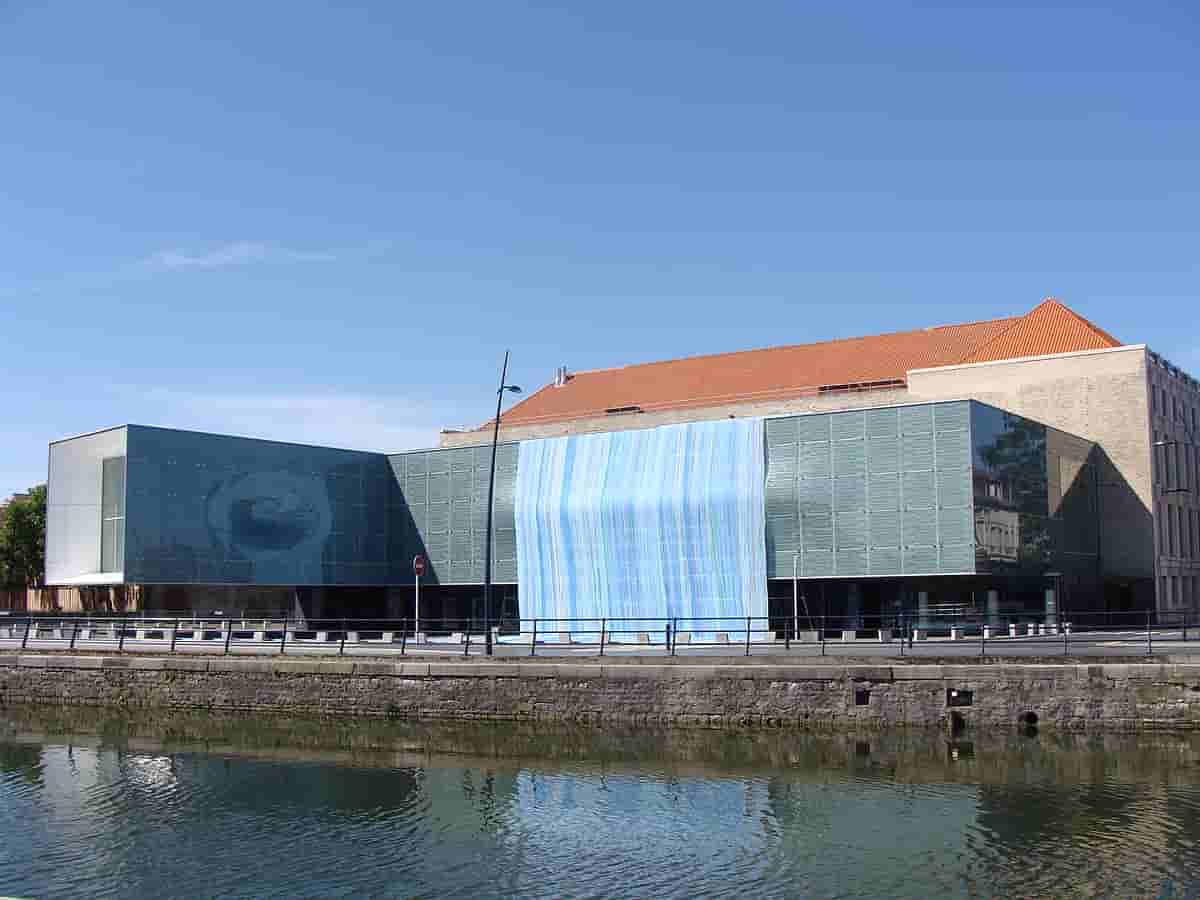
Cite de la Dentelle et de la Mode
A museum dedicated to the history of lace and fashion in Calais.
Calais Beach
A scenic stretch of sandy beach along the English Channel, perfect for strolling, swimming, or simply enjoying the views.
Channel Tunnel Entrance
Access point for the Eurotunnel, connecting to the UK via rail.
Calais Town Hall
Elegant 19th‑century civic building with impressive architecture.
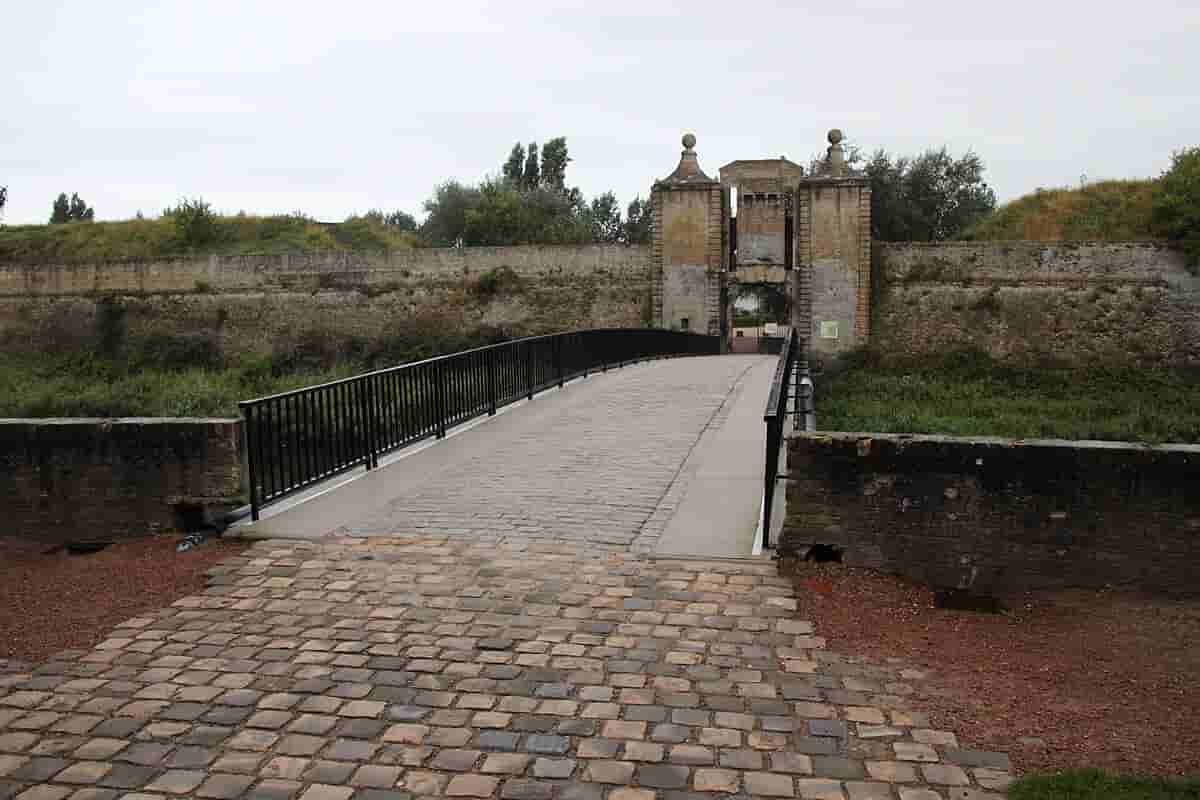
Citadel of Calais
16th-century fortress with park and gardens
International Lace Museum
Museum dedicated to Calais' lace-making heritage
Musee des Beaux-Arts de Calais
Art museum featuring paintings and sculptures.
🏘️ Neighborhoods
Centre-Ville (St-Pierre)
The historic heart around the Town Hall and Place d'Armes. Home to major shops, restaurants, and landmarks like the Notre-Dame Church.
Quai du Commerce / Port
The bustling area around the ferry terminal. Functional with hotels, quick eateries, and a constant flow of travelers.
Beachfront (Plage de Calais)
Stretching east from the lighthouse, this area features the sandy beach, promenade, seafront villas, and the casino.
Fort-Nieulay
A quieter, primarily residential district to the southwest of the center, named after the historic fort. Offers local atmosphere.
Courgain-Maritime
The historic fisherman's quarter near the eastern docks. A village-like area with colorful houses and a strong maritime identity.
Saint-Pierre-Outreau
A suburban area south of the city center across the canal. More modern, with residential complexes and some shopping areas.
🍽️ Local Cuisine
Calais cuisine is a hearty reflection of its maritime and regional roots, emphasizing fresh seafood and Flemish influences. Must-try dishes include 'moules-frites' (mussels and fries), often prepared marinière (with white wine, shallots, and herbs). 'Welsh' is a beloved local specialty: a dish of toasted bread topped with ham, covered in a rich cheddar cheese and beer sauce, and sometimes topped with an egg. Given the port, fish is supremely fresh; look for sole, herring, and cod. Flemish carbonnade, a beef stew made with beer and brown sugar, is winter comfort food. Dining is generally casual and convivial. Popular areas include the streets around the Town Hall and the quayside near the ferry port. A typical meal at a mid-range bistro costs €20-€35. Etiquette is standard French: a greeting is expected, and service is included in the price (though small change left on the table is appreciated). Don't miss trying a local beer from the region's breweries.
💡 Local Tips
🚗 Day Trip Ideas
Cap Blanc-Nez and Cap Gris-Nez
Dramatic chalk cliffs offering breathtaking hikes and the closest view of England. Part of the Opal Coast.
Saint-Omer
A charming historic town with a stunning Gothic cathedral, ancient marshes perfect for boat tours, and excellent dining.
Lille
The vibrant capital of French Flanders, with a magnificent old town, superb art museums, and bustling squares.
Dunkerque (Dunkirk)
Famous for its WWII history and evacuation beaches. Visit the excellent Musee Dunkerque 1940 and the modern port.
Wissant
A picturesque seaside village nestled between the two capes. Lovely sandy beach and relaxed atmosphere.
Boulogne-sur-Mer
A major fishing port with a fascinating fortified old town (Haute-Ville) and Nausicaa, a renowned national sea center.
🛡️ Safety Tips
Calais is generally a safe city for tourists. Standard precautions apply: be aware of your belongings in crowded areas like the ferry terminal, train station, and markets, as pickpocketing can occur. Avoid poorly lit areas at night, particularly around the port outskirts. The city has faced challenges related to migrant camps in the past; while the situation is managed, it's advisable to avoid makeshift encampment areas on the eastern outskirts. Common scams are rare but be wary of unsolicited help at ATMs or aggressive charity collectors. Emergency numbers are the standard EU 112, or 17 for police, 15 for medical, 18 for fire. Tap water is safe to drink. The main health recommendation is to be prepared for changeable weather to avoid chills. Road safety is important; be cautious when cycling or walking near the busy port area.
💰 Budget Guide
Calais is a budget-friendly destination by French standards. A budget traveler can manage on €50-€70 per day: a bed in a hostel or basic hotel (€40-€60), cheap eats like bakery sandwiches or crepes (€5-€10), bus fares (€3-€5), and free attractions like the beach, town hall square, and city walls. Mid-range travelers spending €100-€150 daily can enjoy a comfortable hotel room (€70-€100), sit-down meals at bistros (€20-€35), taxi trips, and entry to museums like the Cite de la Dentelle (€8). Luxury budgets of €200+ afford seafront hotels, fine dining with seafood platters (€50+ per person), and private tours. Money-saving tips: visit multiple museums with a combined ticket, picnic with supplies from the market, walk everywhere in the center, and visit in the off-season for lower hotel rates. Many historic sights are free to view from the outside.