Welcome to Cagayan De Oro
Nestled on the northern coast of Mindanao, Cagayan de Oro, affectionately known as CDO, is a vibrant city where the pulse of urban life meets the thrill of natural adventure. As the capital of Misamis Oriental (and a key regional center for Northern Mindanao), it serves as a dynamic gateway to the island's wonders. The city is famously dubbed the 'City of Golden Friendship,' a title earned through the genuine warmth and hospitality of its people. While its heart beats with modern malls and bustling streets, its soul is defined by the rushing waters of the Cagayan de Oro River, which has carved out its reputation as the whitewater rafting capital of the Philippines. For travelers, the city offers a comfortable and accessible base with a wide range of accommodations, including over 125 hotels catering to every style and budget, ensuring a restful stay after a day of exploration or adrenaline-fueled exploits. Whether you're here to conquer rapids, delve into rich history, or simply savor the local pace of life, Cagayan de Oro promises an experience that is both exhilarating and heartwarmingly familiar.
Overview
Cagayan de Oro's history is a tapestry of indigenous heritage, Spanish colonial influence, and modern development. Originally a settlement known as 'Himologan,' it was moved to its present site in 1622 by Spanish missionaries, with St. Augustine Cathedral standing as a testament to this era. The city played a significant role during World War II and has since evolved into Northern Mindanao's primary economic, educational, and tourism hub. Culturally, it's a melting pot of influences from the indigenous Higaonon people, Visayan settlers, and a dash of Spanish and American colonial past. The city is most famous for its world-class whitewater rafting and kayaking on the Cagayan de Oro River, offering rapids for beginners and experts alike. Beyond adventure, it's known for its sweet, succulent pomelos and its lively Kagay-anon festivals, most notably the Higalaay Festival in August, which celebrates the city's patron saint and its moniker as the City of Golden Friendship. Key districts include the bustling downtown Divisoria area, the modern commercial hub around Limketkai Center and Centrio Mall, and the more tranquil uptown neighborhoods.
🗓️ Best Time to Visit
The best time to visit Cagayan de Oro is during the dry season, from March to June, when sunny skies and lower rainfall provide ideal conditions for outdoor adventures like whitewater rafting, caving, and visiting adventure parks. This period is considered the peak tourist season, so expect more crowds and slightly higher prices. The weather remains warm and tropical year-round. The rainy season typically runs from July to February, with the heaviest rainfall often occurring from November to January. While afternoon showers are common, mornings can still be clear, and the landscape is lush and green. Travel during this off-peak period can mean fewer tourists and better deals. Major events are concentrated in the latter part of the year: the vibrant Higalaay Festival (celebrating the city's charter anniversary and feast of St. Augustine) peaks in late August, and the Christmas season from December to early January is marked by spectacular light displays and festive cheer. For a balance of good weather and cultural immersion, consider visiting in February or March.
🌤️ Weather & Climate
Cagayan de Oro has a tropical rainforest climate with consistently warm temperatures year-round. It experiences a distinct wet and dry season, with high humidity and rainfall distributed throughout the year, though more concentrated in the latter months.
Seasons
Dry Season
💨 Humidity: moderate to high
Hot, sunny days with occasional brief showers. Ideal for all outdoor activities, especially water-based adventures.
Wet Season
💨 Humidity: high
Frequent rainfall, often in heavy afternoon downpours. Mornings can be clear. Lush greenery and fewer tourists.
Monthly Weather Details
January Weather
Best for: sightseeing, cultural events
February Weather
Best for: sightseeing, start of outdoor activities
March Weather
Best for: whitewater rafting, adventure parks
April Weather
Best for: whitewater rafting, beach trips
May Weather
Best for: all outdoor adventures
June Weather
Best for: outdoor adventures
July Weather
Best for: indoor attractions, mall visits
August Weather
Best for: Higalaay Festival (with rain plan)
September Weather
Best for: indoor activities, cave visits
October Weather
Best for: indoor cultural sites
November Weather
Best for: mall shopping, cathedral visits
December Weather
Best for: Christmas festivities, indoor dining
🎒 What to Pack
All Year Round
- lightweight clothing
- rain jacket or umbrella
- sunscreen
- insect repellent
- comfortable walking shoes
- swimwear
🚗 Getting Around
Navigating Cagayan de Oro is an adventure in itself, with a mix of traditional and modern options. The most iconic and affordable mode is the colorful 'multicabs' or 'CDO taxis' – shared jeepneys that follow set routes; fares start at around PHP 10. For more direct routes, regular jeepneys and 'motorelas' (motorized tricycles) are ubiquitous. Taxis are plentiful, metered, and relatively inexpensive for point-to-point travel within the city. Ride-hailing apps like Grab are also operational and reliable. For airport transfers, taxis and Grab are available at Laguindingan Airport, which is about a 45-minute to 1-hour drive from the city center; organized van transfers are another cost-effective option. While the city center (Divisoria, Gaston Park) is walkable, the heat and humidity can be taxing, and distances between major malls and attractions often require transport. Renting a car or motorcycle is an option for the confident, but traffic can be heavy during peak hours. For getting to nearby provinces, the Agora and Bulua bus terminals offer extensive regional connections.
🎯 Top Attractions
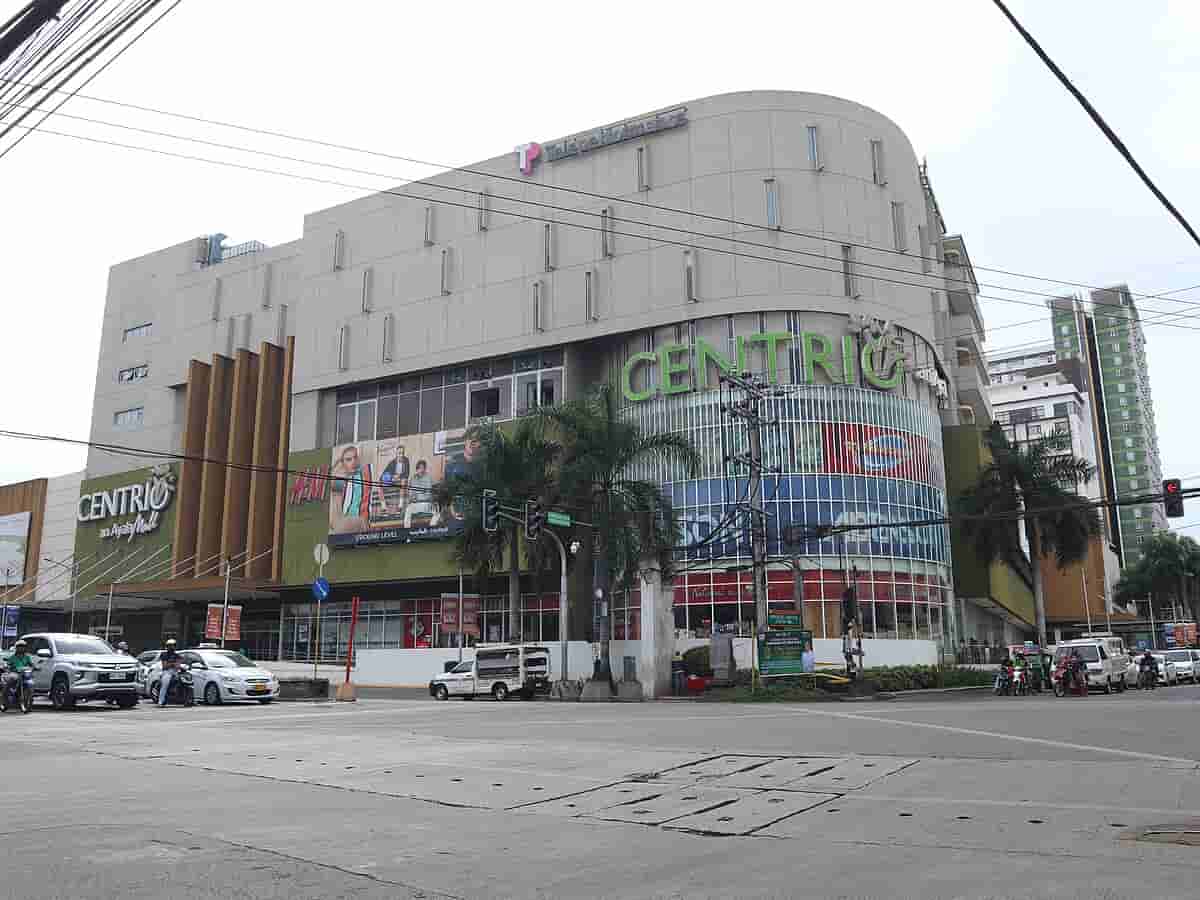
Centrio Mall
A modern shopping mall with a wide range of stores, restaurants, and entertainment options.
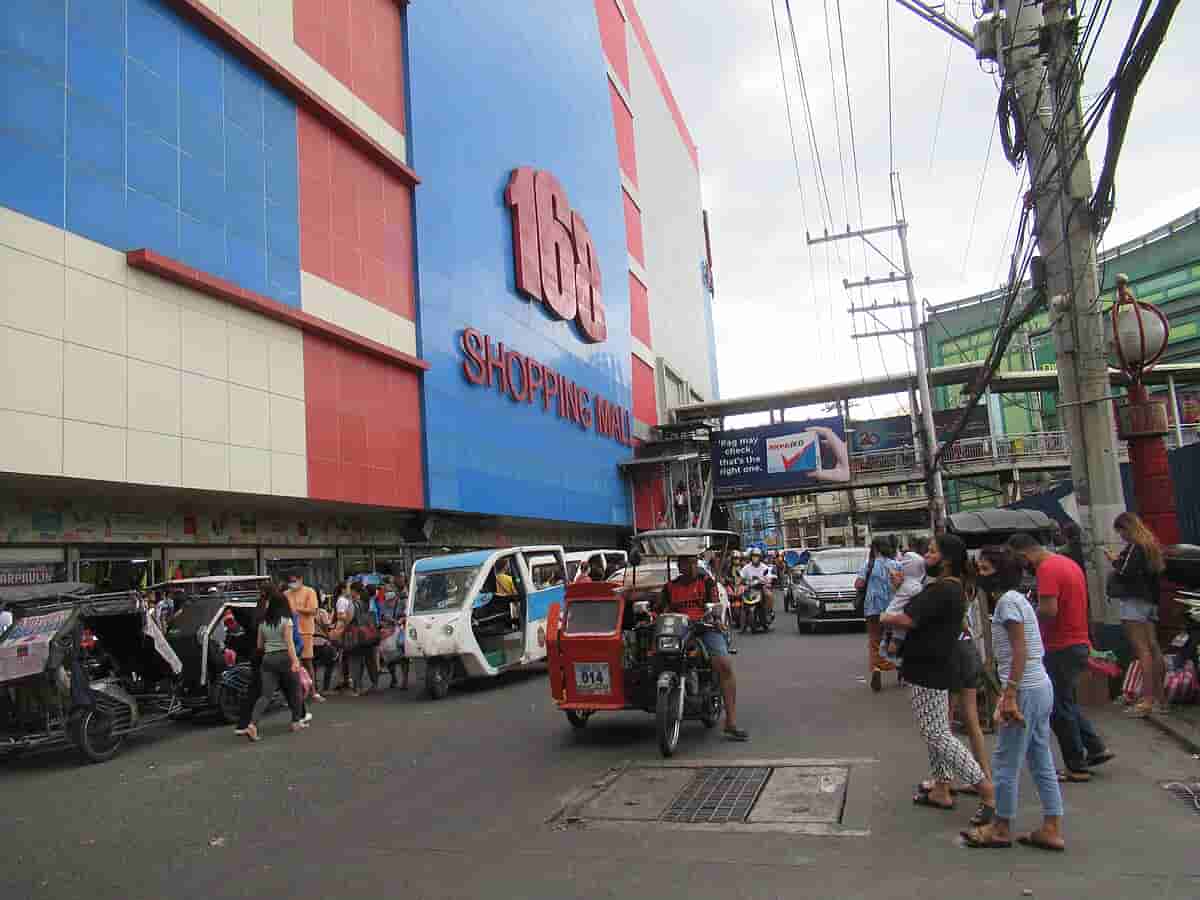
Divisoria
A bustling market area known for affordable goods and local street food.
St. Augustine Cathedral
A historic cathedral showcasing Spanish colonial architecture and religious significance.
Cagayan de Oro River
A popular spot for white-water rafting and other water adventures.
Gaston Park
A historical park and popular recreational spot in the city center.
Divine Mercy Shrine
A popular religious site with a large statue of Jesus and panoramic city views.
Macahambus Cave
Historical cave and gorge with scenic views and adventure activities.
Macahambus Adventure Park
Park offering zip-lining, cave exploration, and views of the Cagayan River gorge.
CDO Whitewater Rafting
Adventure spot for rafting on the Cagayan River
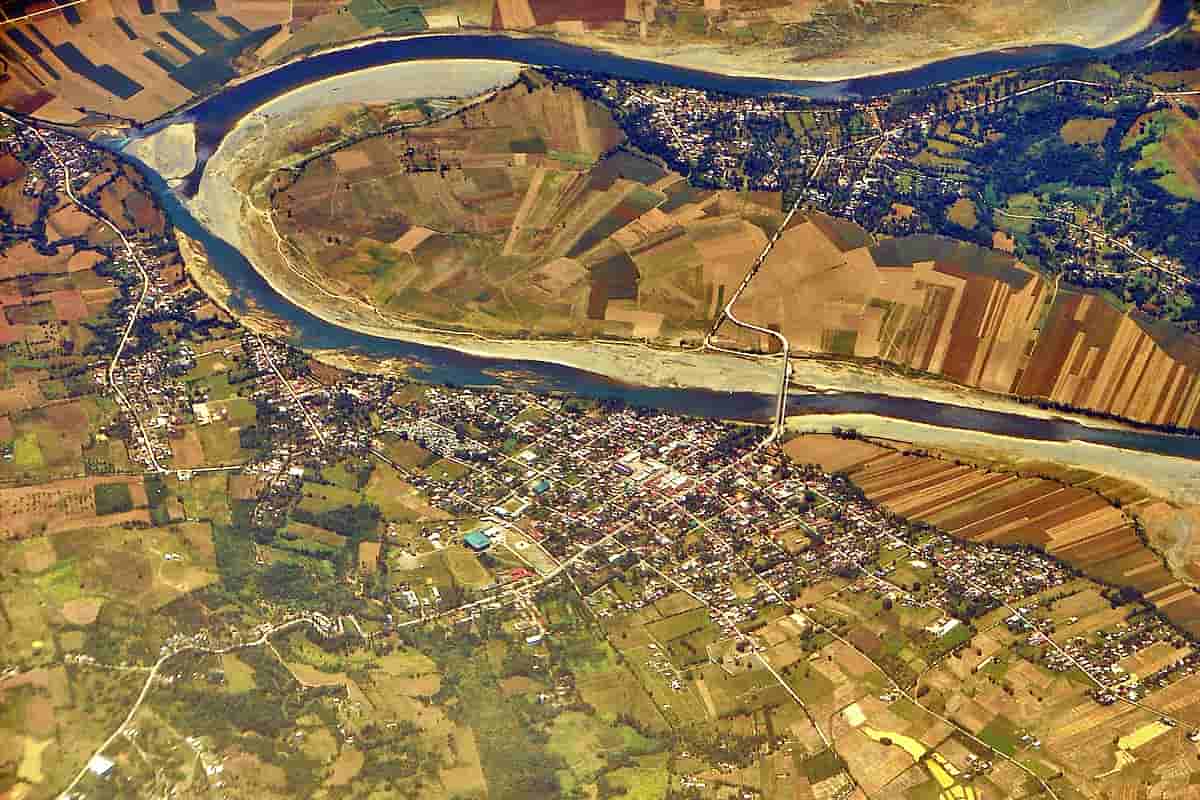
Cagayan River
The city's main river, with parks and walkways along its banks.
Cagayan de Oro City Museum
Museum displaying historical artifacts and cultural exhibits of the region.
Divisoria Market
A bustling market known for affordable goods, clothing, and local products.
🏘️ Neighborhoods
Divisoria (Downtown)
The historic and commercial heart of the city, home to Gaston Park, St. Augustine Cathedral, and the vibrant night market. Bustling, crowded, and full of local character.
Carmen
A major commercial and residential district hosting the large Limketkai Center mall complex. Well-connected and bustling with shopping, dining, and business hotels.
Uptown (Cugman & Gusa)
More suburban and tranquil areas to the east, closer to the airport. Features newer developments, resorts, and the famous Divine Mercy Shrine.
Nazareth
A lively district known for its fantastic local food scene, from carinderias to popular restaurants. Also home to educational institutions.
Macasandig
A riverside area that is a primary hub for whitewater rafting operators and adventure outfitters. Offers easy access to the river and related activities.
Bulua
Located southwest of the center, this area houses one of the main bus terminals and is a transit point. More industrial but with affordable lodging options.
🍽️ Local Cuisine
Cagayan de Oro's cuisine is a hearty reflection of its location and culture, with a focus on fresh river and sea produce, tropical fruits, and Visayan flavors. Must-try signature dishes include 'Sinuglaw' (a unique combination of grilled pork and fish ceviche in a vinegar-based dressing), 'Humba' (a savory-sweet braised pork dish), and 'Pastel' (soft, sweet buns often filled with yema or chicken). The city is famous for its succulent 'Cagayan de Oro Pomelo,' a sweet citrus fruit. For a true local experience, visit the night market at Divisoria for affordable street food like 'isaw' (grilled chicken intestines) and 'balut'. Dining ranges from casual carinderias (eateries) and food parks to upscale restaurants in malls. Popular food areas include the Limketkai Center, Centrio Mall, and the streets of Nazareth. A meal at a local eatery can cost as little as PHP 100-150, while a mid-range restaurant meal may be PHP 300-500 per person. Etiquette is generally relaxed; it's common to eat with hands ('kamayan') for certain dishes, and a simple 'Salamat' (thank you) is always appreciated.
💡 Local Tips
🚗 Day Trip Ideas
Dahilayan Adventure Park, Bukidnon
A cool mountain retreat famous for Asia's longest dual zipline, alpine coaster, and pine tree landscapes.
Mapawa Nature Park, Malasag
A vast eco-park offering horseback riding, trekking to waterfalls, canyoneering, and stunning natural pools.
Iligan City (Maria Cristina Falls & Tinago Falls)
Visit the 'City of Majestic Waterfalls,' including the powerful Maria Cristina Falls and the hidden beauty of Tinago Falls.
Camiguin Island
Take an early ferry to the 'Island Born of Fire' for a whirlwind tour of volcanoes, cold springs, the Sunken Cemetery, and White Island sandbar.
Bukidnon Highlands (Del Monte Pineapple Plantation & Monastery of the Transfiguration)
A scenic drive into the rolling hills of Bukidnon, visiting vast pineapple fields and a serene modern monastery.
Opol Beach Resorts
For a quick coastal escape, head south to Opol for black sand beaches and relaxed resort day trips.
🛡️ Safety Tips
Cagayan de Oro is generally safe for tourists, with friendly locals and a visible police presence. Exercise standard precautions: be aware of your surroundings, especially in crowded areas like Divisoria and markets, to guard against pickpocketing. Avoid displaying expensive jewelry or electronics. Use reputable taxi companies or ride-hailing apps; agree on fares with tricycle drivers before riding. While the city center is safe at night, it's advisable to stick to well-lit, populated areas. Be cautious when engaging in adventure sports; only use licensed operators with proper safety equipment. Emergency numbers are 117 (national emergency) and 911 (in CDO). For health, drink bottled or purified water. Mosquito-borne illnesses like dengue can be a risk, so use repellent. Major hospitals are well-equipped. Overall, common sense and the famous 'Golden Friendship' of the locals will ensure a secure and enjoyable visit.
💰 Budget Guide
Cagayan de Oro offers excellent value for money. A budget traveler can manage on around PHP 1,500-2,500 ($30-50) per day, covering a dorm bed or basic guesthouse (PHP 500-800), street food and carinderia meals (PHP 300), local transport (PHP 200), and free or low-cost attractions like parks and cathedrals. A mid-range budget of PHP 2,500-4,500 ($50-90) allows for a comfortable hotel room (aligning with the city's average of ~$88/night), meals at casual restaurants, taxi rides, and paid activities like a visit to Macahambus Adventure Park. A luxury budget of PHP 4,500+ ($90+) affords upscale hotels, fine dining, private tours, and premium adventure packages like full-day whitewater rafting. Money-saving tips: travel during the wet season for lower accommodation rates, eat at local 'carinderias' and night markets, use multicabs and jeepneys for transport, and look for combo tickets or promotions for adventure activities. Many historical and cultural sites are free to enter.