Welcome to Bukit Lawang
Nestled along the banks of the Bohorok River in the lush highlands of North Sumatra, Bukit Lawang is not your typical Indonesian destination. This small, vibrant village serves as the primary gateway to the legendary Gunung Leuser National Park, a UNESCO World Heritage Site and one of the last places on Earth where you can encounter critically endangered Sumatran orangutans in their natural habitat. The air hums with the sounds of the jungle, and the pace of life is dictated by the river's flow and the forest's rhythms. While it may be a remote escape, comfort is not sacrificed, with a selection of 22 hotels and guesthouses catering to eco-conscious travelers, offering everything from rustic riverside bungalows to more comfortable lodges, all averaging around $93 per night. A visit here is a profound immersion into one of the planet's most vital ecosystems, where every trek promises the possibility of a life-changing wildlife encounter. Though many stay longer to trek deep into the jungle, the essential experience of seeing orangutans and exploring the village can be richly captured in a recommended stay of one day.
Overview
Bukit Lawang's history is intrinsically tied to conservation. Established in the 1970s as a base for the Orangutan Rehabilitation Centre, its original purpose was to care for and reintroduce orphaned and captive orangutans back into the wild. This legacy defines the village's culture and economy today. The community is deeply involved in ecotourism, with many locals working as certified guides, guesthouse owners, and conservation advocates. The village itself is compact, stretching along a single main road that parallels the Bohorok River, with a network of footpaths and hanging bridges connecting guesthouses to the central area. Bukit Lawang is famous for two things: its unparalleled access to Gunung Leuser National Park for jungle trekking and the guaranteed sighting of semi-wild orangutans at the daily feeding platform. The river also provides a social hub, with tubing and swimming popular pastimes. The atmosphere is laid-back and traveler-focused, centered on jungle adventures and environmental appreciation rather than urban attractions.
🗓️ Best Time to Visit
Bukit Lawang's tropical climate means it's warm and humid year-round, but rainfall dictates the best trekking conditions. The ideal time to visit is during the drier seasons, from late December through March and again from June through September. These periods offer more reliable sunshine, lower river levels, and less muddy, leech-ridden trails, making for more pleasant and accessible jungle trekking. The peak tourist seasons coincide with these dry windows and international holidays, so advance booking is wise. The wet season, particularly October to November and April to May, brings heavy, daily downpours. While the jungle is incredibly lush and vibrant, trekking can be challenging, slippery, and some trails may be closed. There are no major cultural festivals in Bukit Lawang itself, but the rhythm of life follows the feeding times at the orangutan platform. Regardless of season, early morning starts are essential to avoid the midday heat and maximize wildlife spotting opportunities.
🌤️ Weather & Climate
Bukit Lawang has a hot, humid, and wet tropical rainforest climate. Temperatures are consistently warm year-round, with high humidity. The primary variation is in rainfall, which is heavy and frequent, defining distinct wet and drier seasons.
Seasons
Wet Season
💨 Humidity: high
Expect daily, often intense, afternoon thunderstorms. Trails are muddy and leech-prone, river levels are high, and jungle trekking can be challenging. The forest is at its most lush and vibrant.
Drier Season
💨 Humidity: high
Rainfall is less frequent and intense, with more sunny periods. This is the best time for jungle trekking, with more manageable trail conditions and lower river levels. Mornings are often clear and sunny.
Monthly Weather Details
January Weather
Best for: jungle trekking, wildlife viewing
February Weather
Best for: jungle trekking, wildlife viewing
March Weather
Best for: jungle trekking, wildlife viewing
April Weather
Best for: lush scenery, river activities
May Weather
Best for: lush scenery, river activities
June Weather
Best for: jungle trekking, wildlife viewing
July Weather
Best for: jungle trekking, wildlife viewing
August Weather
Best for: jungle trekking, wildlife viewing
September Weather
Best for: jungle trekking, wildlife viewing
October Weather
Best for: lush scenery, indoor relaxation
November Weather
Best for: lush scenery, indoor relaxation
December Weather
Best for: jungle trekking, wildlife viewing
🎒 What to Pack
All Year Round
- lightweight, quick-dry clothing
- sturdy hiking shoes/boots
- sandals
- rain jacket/poncho
- insect repellent
- high-DEET mosquito spray
- sunscreen
- hat
- reusable water bottle
- waterproof bags for electronics
🌧️ Wet Season
- leech socks
- extra quick-dry socks
- waterproof backpack cover
🚗 Getting Around
Bukit Lawang is a wonderfully walkable village. The main strip and most guesthouses, cafes, and the trekking trailhead are all accessible on foot via paved paths and scenic bamboo bridges across the river. For longer distances or if carrying luggage, *becak* (cycle rickshaws) are the primary mode of local transport and can be hired for short trips along the main road for a small, negotiable fee (typically 10,000-30,000 IDR). There are no traditional taxis or ride-sharing apps like Grab operating here. Most visitors arrive via private transfer or public bus from Medan's Kualanamu Airport (IATA: KNO), which is about 3-4 hours away. Arranging a private car through your guesthouse is the most convenient and common option, costing approximately 600,000-800,000 IDR one-way. Public buses are significantly cheaper but less comfortable and more time-consuming. Once in the village, your feet and perhaps a *becak* are all you'll need.
🎯 Top Attractions
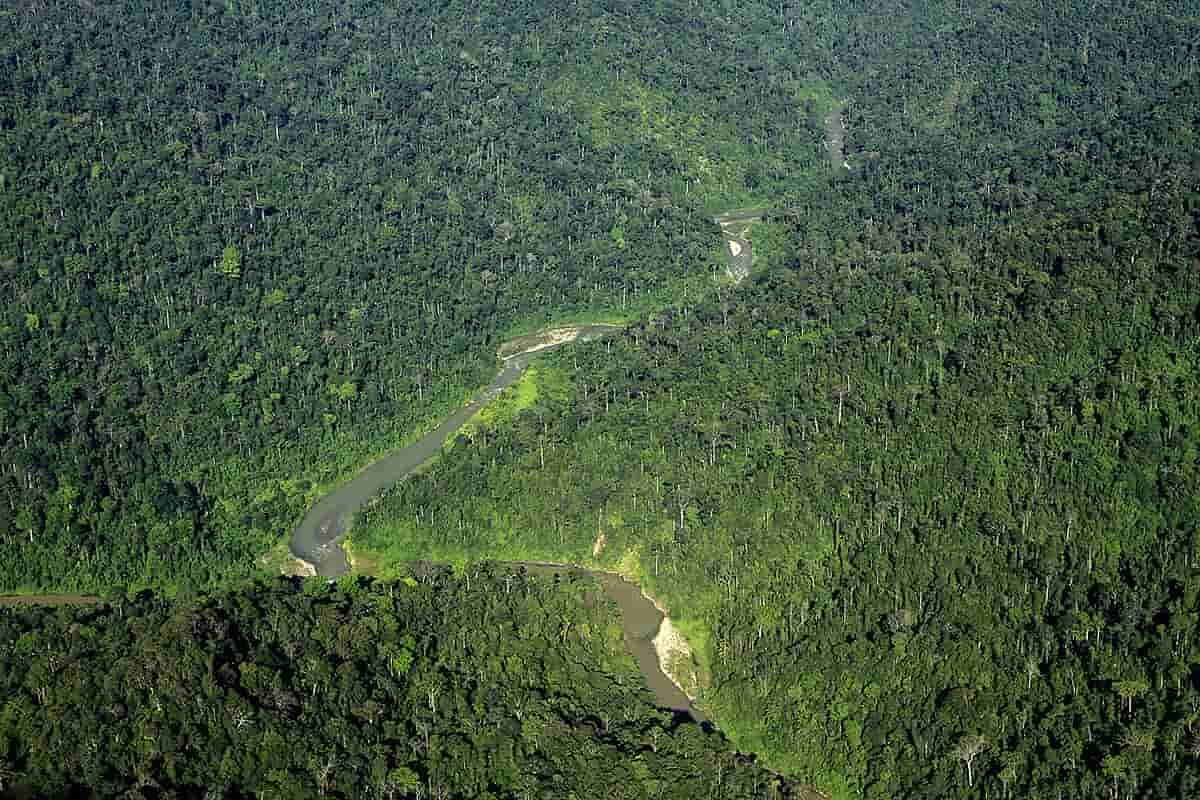
Gunung Leuser National Park
A UNESCO World Heritage Site known for its rainforest and orangutan conservation.
Jungle Trekking Trailhead
Starting point for guided treks into the surrounding rainforest.
Guesthouse Cafe
A cozy on-site spot serving local and Western meals and drinks.
Bukit Lawang Orangutan Sanctuary
Sanctuary for orangutans and starting point for jungle treks.
Landak River
Scenic river perfect for tubing and enjoying nature.
Bukit Lawang River
A popular spot for river tubing and enjoying the natural scenery.
Orangutan Feeding Platform
A designated area where visitors can observe orangutans during feeding times.
Bukit Lawang Village
A riverside village offering local culture and river tubing activities.
Orangutan Rehabilitation Centre
A center dedicated to the rehabilitation and release of orangutans into the wild.
Bohorok River
A popular spot for river activities and relaxing by the water.
Bukit Lawang Wildlife Museum
Small museum showcasing local flora and fauna exhibits.
Bukit Lawang Market
Local market selling fresh produce, snacks, and souvenirs.
🏘️ Neighborhoods
Main Village Road
The central artery of Bukit Lawang, lined with guesthouses, restaurants, tour offices, and souvenir stalls. This is the busiest area, closest to the trekking trailhead and orangutan feeding platform access.
Riverside (North Bank)
A quieter stretch across the bridge from the main road, featuring guesthouses built on stilts overlooking the Bohorok River. Offers serene jungle views and the sound of rushing water.
Jungle Edge
Guesthouses and lodges situated further up the hillside or at the very edge of the national park boundary. Provides a more secluded feel and immediate access to forest trails.
Downriver Area
A more spread-out area east of the main village center. Accommodations here are often newer or more spacious, offering a bit more distance from the daily tourist bustle.
🍽️ Local Cuisine
Dining in Bukit Lawang is a casual, traveler-oriented affair. Menus cater heavily to Western tastes but also offer delicious Indonesian staples. Must-try local dishes include *Nasi Goreng* (fried rice) and *Mie Goreng* (fried noodles), often served with a fried egg on top. *Gado-Gado*, a salad of blanched vegetables with a rich peanut sauce, is a refreshing choice. For something uniquely Sumatran, seek out *Rendang*, a slow-cooked, incredibly flavorful dry beef curry. Fresh river fish, like *Ikan Bakar* (grilled fish), is also common. Most meals are enjoyed at open-air guesthouse restaurants or simple warungs (local eateries) overlooking the river. Prices are very reasonable, with a hearty local meal costing 30,000-80,000 IDR. Western dishes and imported drinks will be more expensive. Etiquette is relaxed; dressing modestly away from the river is appreciated. Always use your right hand for eating if not using utensils.
💡 Local Tips
🚗 Day Trip Ideas
Gunung Leuser National Park (Multi-Day Trek)
The premier experience. Multi-day guided treks deep into the rainforest to search for wild orangutans, Thomas leaf monkeys, gibbons, and other rare wildlife. Includes camping in the jungle.
Orangutan Feeding Platform & Short Jungle Walk
The essential day trip. A guided walk to the feeding station to see semi-wild orangutans, followed by a short trek to spot other monkeys and jungle flora. Perfect for a one-day visit.
Bohorok River Tubing
A relaxing and fun way to see the jungle from a different perspective. Float down the river on an inflated tube, passing by rainforest scenery and local village life.
Bukit Lawang Village Cultural Walk
A self-guided exploration of the village itself. Walk across bamboo bridges, visit the local market, observe daily life, and interact with friendly locals.
Night Jungle Walk
A guided walk after dark to discover the forest's nocturnal creatures, such as insects, frogs, tarantulas, and possibly slow lorises.
🛡️ Safety Tips
Bukit Lawang is generally very safe, with a low crime rate against tourists. The primary risks are environmental. Always hire a certified guide from the official guide association (FPGL) for jungle trekking; never go alone. The forest is home to wildlife including orangutans, which are wild animals—main a safe distance (at least 10 meters) and never touch or feed them. Be cautious when swimming or tubing in the Bohorok River, especially after rain when currents are strong. Secure your belongings in your guesthouse. There are few common scams, but agree on all prices (for guides, *becaks*, transport) upfront. Drink only bottled or properly filtered water. Use mosquito repellent diligently to prevent dengue fever. The nearest hospital is in Binjai or Medan, so travel insurance is essential. For emergencies, contact your guesthouse manager first, who can assist. Police: 110, Ambulance: 118.
💰 Budget Guide
Bukit Lawang is a budget to mid-range destination. A budget traveler can manage on 300,000-500,000 IDR ($20-35 USD) per day: dorm bed or basic guesthouse (100,000-200,000 IDR), local warung meals (30,000-50,000 IDR each), and a short guided trek (from 400,000 IDR shared in a group). Mid-range comfort costs 800,000-1,500,000 IDR ($55-100 USD) daily: private room with fan/AC (300,000-700,000 IDR), meals at nicer restaurants (80,000-150,000 IDR), private transport from Medan, and a private 2-day/1-night jungle trek (approx 1,200,000-2,000,000 IDR per person). Luxury options are limited but some nicer lodges approach $100/night. Money-saving tips: Travel in a group to split guide costs, eat at local warungs, book transport as a group, bring your own reusable water bottle and filter, and avoid the peak season (July-August) for slightly better rates. The biggest expense is the guided trek, which is non-negotiable for safety and regulations.