Welcome to Bandung
Nestled in the highlands of West Java, Bandung is Indonesia's elegant answer to Paris, earning its nickname 'Paris van Java' through colonial-era architecture, cool mountain air, and a sophisticated creative spirit. As the capital of West Java province, this sprawling city of nearly 2.5 million offers a captivating blend of natural beauty, historical significance, and modern urban energy. Visitors are drawn to its dramatic volcanic landscapes, world-class factory outlets, and a culinary scene that is legendary across the archipelago. The city's elevation of 768 meters (2,520 feet) provides a perpetually spring-like climate, a welcome respite from the tropical heat of the lowlands. Bandung's role as a host of the historic 1955 Asia-Africa Conference cemented its place in global diplomacy, while today it thrives as a hub for education, technology, and Sundanese culture. With a staggering 2174 hotels ranging from boutique guesthouses to international chains, finding the perfect base to explore this dynamic city is effortless, whether you seek the colonial charm of Braga Street or the modern buzz of the Dago area.
Overview
Bandung's history is etched into its cityscape, from the grand Art Deco buildings lining Jalan Braga—once the social heart of the Dutch East Indies—to the iconic Gedung Sate, a government building symbolizing Indonesian resilience. The city is the cultural heartland of the Sundanese people, and this influence permeates everything from the melodic local language to the traditional music and dance performances. Bandung is famously known for several things: its volcanic geography, most notably the still-active Tangkuban Perahu crater; its status as a creative and university city, fueling a vibrant arts and indie music scene; and as Indonesia's premier shopping destination for fashion, with countless factory outlets and malls offering high-quality goods at bargain prices. Key districts include the historic city center around Braga and Asia Afrika Street, the upscale commercial area of Dago and Setiabudi, the bustling northern area near the train station, and the southern reaches leading to the picturesque tea plantations. The city's energy is youthful, innovative, and welcoming, making it a endlessly fascinating destination.
🗓️ Best Time to Visit
Bandung's tropical highland climate means pleasant temperatures year-round, but timing your visit can enhance your experience. The dry season, from June to September, is considered the best time to visit. These months offer the most sunshine, minimal rainfall, and comfortable temperatures ideal for exploring volcanoes, hiking, and city sightseeing. This is also the peak tourist season, both domestic and international, so expect larger crowds and slightly higher prices. The wet season runs from October to May, with the heaviest rainfall typically from November to February. While afternoon showers are common, mornings are often clear, and the landscape is lush and green. This period sees fewer tourists and better hotel deals. Major events to consider include the Bandung Fashion Month (usually in the dry season), the Bandung Marathon (often in November), and various cultural festivals. For a balance of good weather and manageable crowds, the shoulder months of May and October are excellent choices.
🌤️ Weather & Climate
Bandung enjoys a tropical highland climate with consistently mild temperatures year-round due to its elevation. The city experiences a distinct wet and dry season, with high humidity and moderate to heavy rainfall during the wet months.
Seasons
Dry Season
💨 Humidity: moderate
Sunny and pleasant with cool mornings and evenings. The best time for outdoor activities and volcano visits.
Wet Season
💨 Humidity: high
Warm, humid, and rainy with frequent afternoon showers. Lush green landscapes but potential for travel disruption.
Monthly Weather Details
January Weather
Best for: indoor museums, shopping malls
February Weather
Best for: indoor museums, shopping malls
March Weather
Best for: sightseeing, early outdoor trips
April Weather
Best for: sightseeing, early outdoor trips
May Weather
Best for: sightseeing, transitioning to outdoor activities
June Weather
Best for: hiking, volcano visits, all outdoor activities
July Weather
Best for: hiking, volcano visits, all outdoor activities
August Weather
Best for: hiking, volcano visits, all outdoor activities
September Weather
Best for: hiking, volcano visits, all outdoor activities
October Weather
Best for: sightseeing, transitioning to indoor activities
November Weather
Best for: indoor museums, shopping malls
December Weather
Best for: indoor museums, shopping malls
🎒 What to Pack
All Year Round
- light layers
- comfortable walking shoes
- rain jacket or umbrella
- sunscreen
- hat
- reusable water bottle
☀️ Dry Season
- light sweater for evenings
- sunglasses
🌧️ Wet Season
- quick-dry clothing
- waterproof bag
- sturdy umbrella
- anti-mosquito spray
🚗 Getting Around
Navigating Bandung requires a mix of transport modes. The city lacks a metro system, so the backbone of public transport is the extensive network of angkot (public minivans) following set routes—cheap but confusing for newcomers. For convenience, ride-hailing apps like Gojek and Grab are ubiquitous, affordable, and offer both car and motorbike taxi options. Traditional bluebird taxis are also reliable and metered. For shorter distances in pedestrian-friendly areas like Braga Street, walking is enjoyable. Renting a motorbike or car with a driver (often arranged through hotels) is a popular choice for day trips to surrounding volcanoes and plantations. The city is served by Husein Sastranegara International Airport (BDO), located close to the center. A taxi or ride-hailing service from the airport to most city hotels takes 30-60 minutes and costs approximately $5-$15. Traffic in Bandung is notoriously heavy, especially on weekends, so always factor in extra travel time.
🎯 Top Attractions
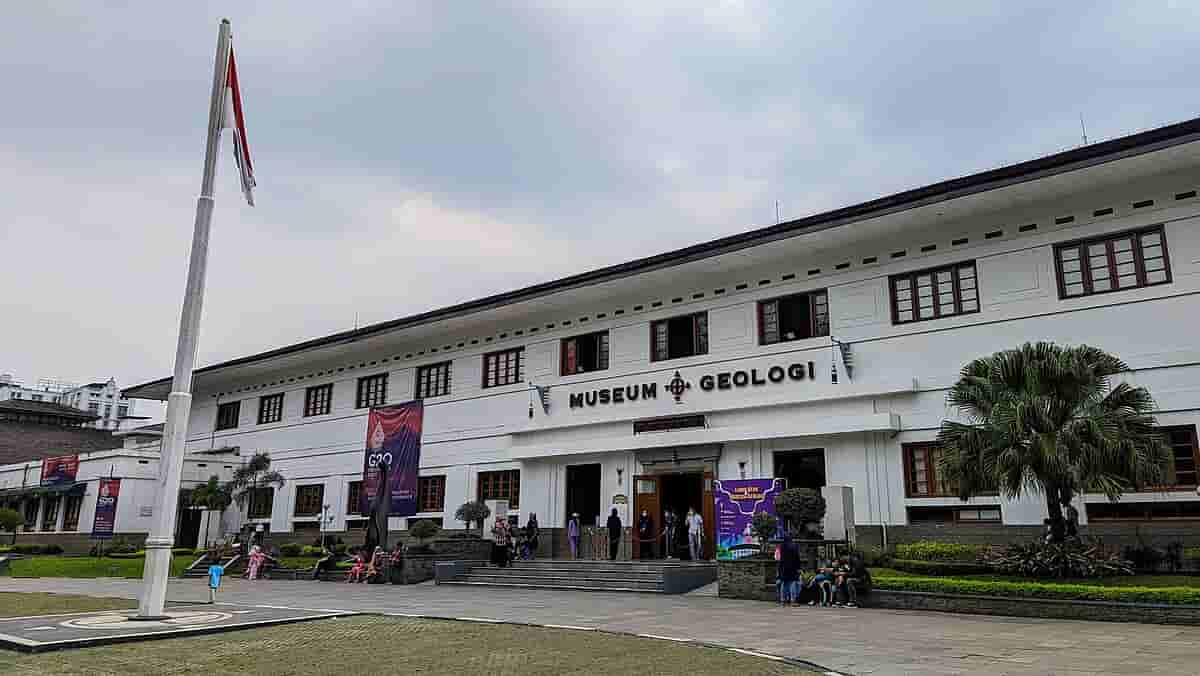
Bandung Geological Museum
Museum showcasing geological collections, including fossils, minerals, and volcanic exhibits.
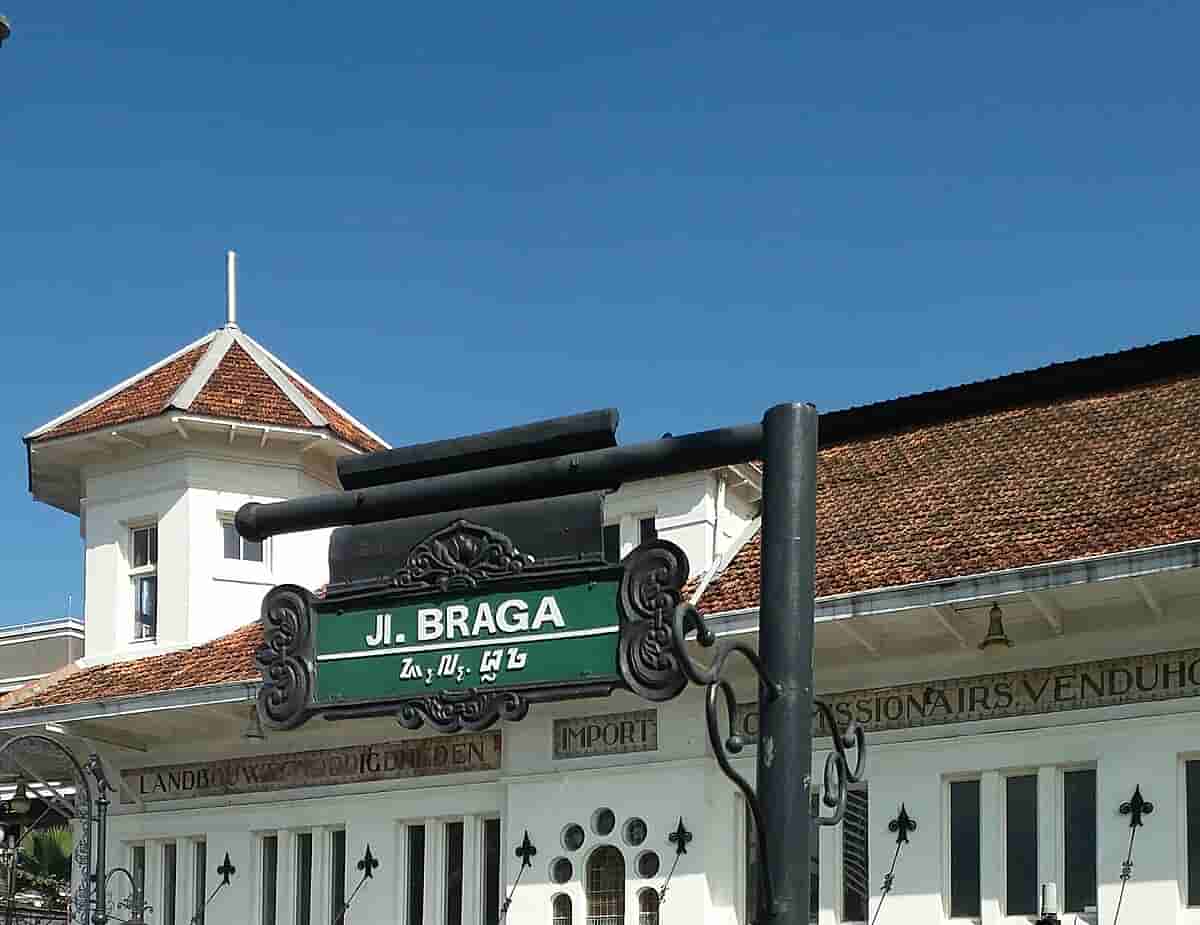
Braga Street
A historic and fashionable street lined with Dutch colonial architecture, trendy cafes, and boutique shops.
Tangkuban Perahu Volcano
Active volcano with a distinctive shape, offering hiking trails and views into the crater.
Trans Studio Mall
Large shopping and entertainment complex with indoor theme park and dining options.
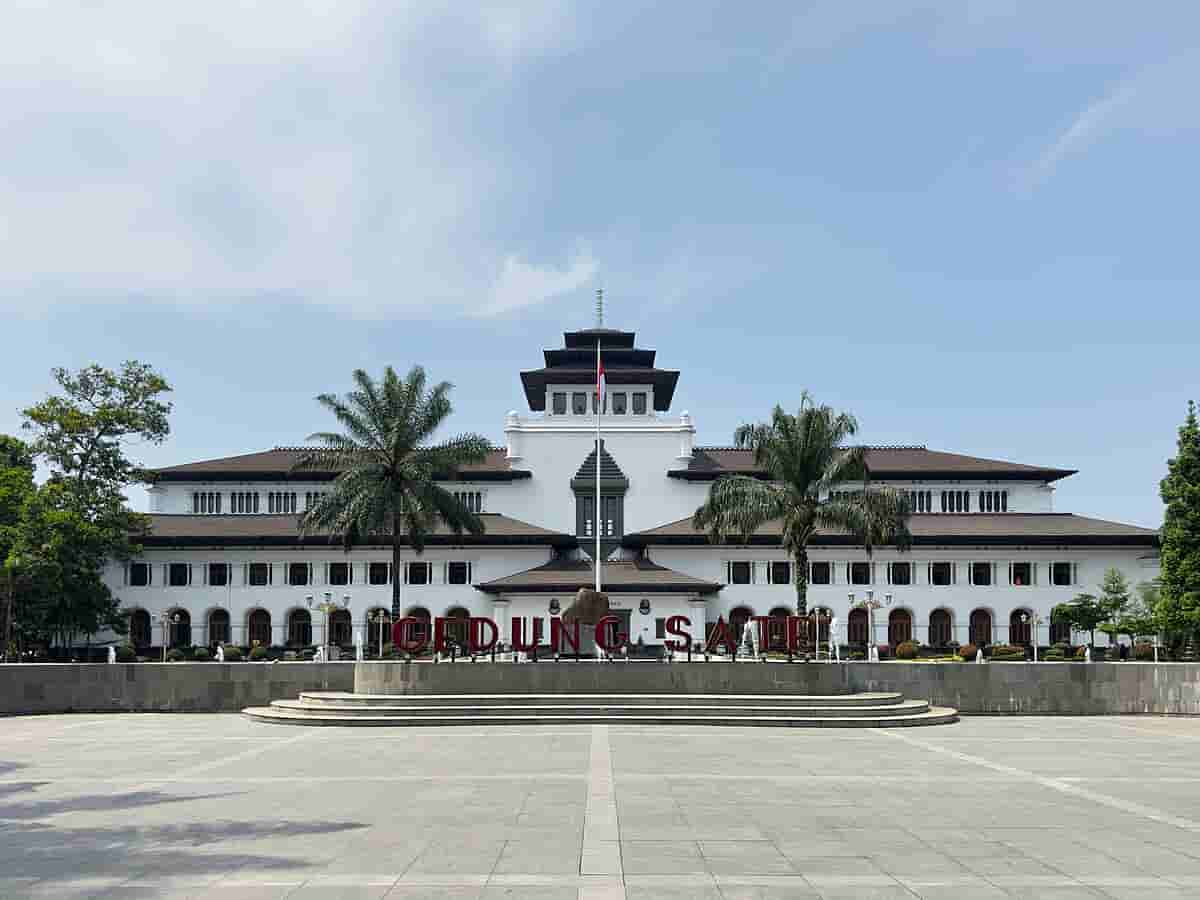
Gedung Sate
A colonial-era building and a symbol of Bandung's heritage, housing the provincial government and offering stunning architecture.
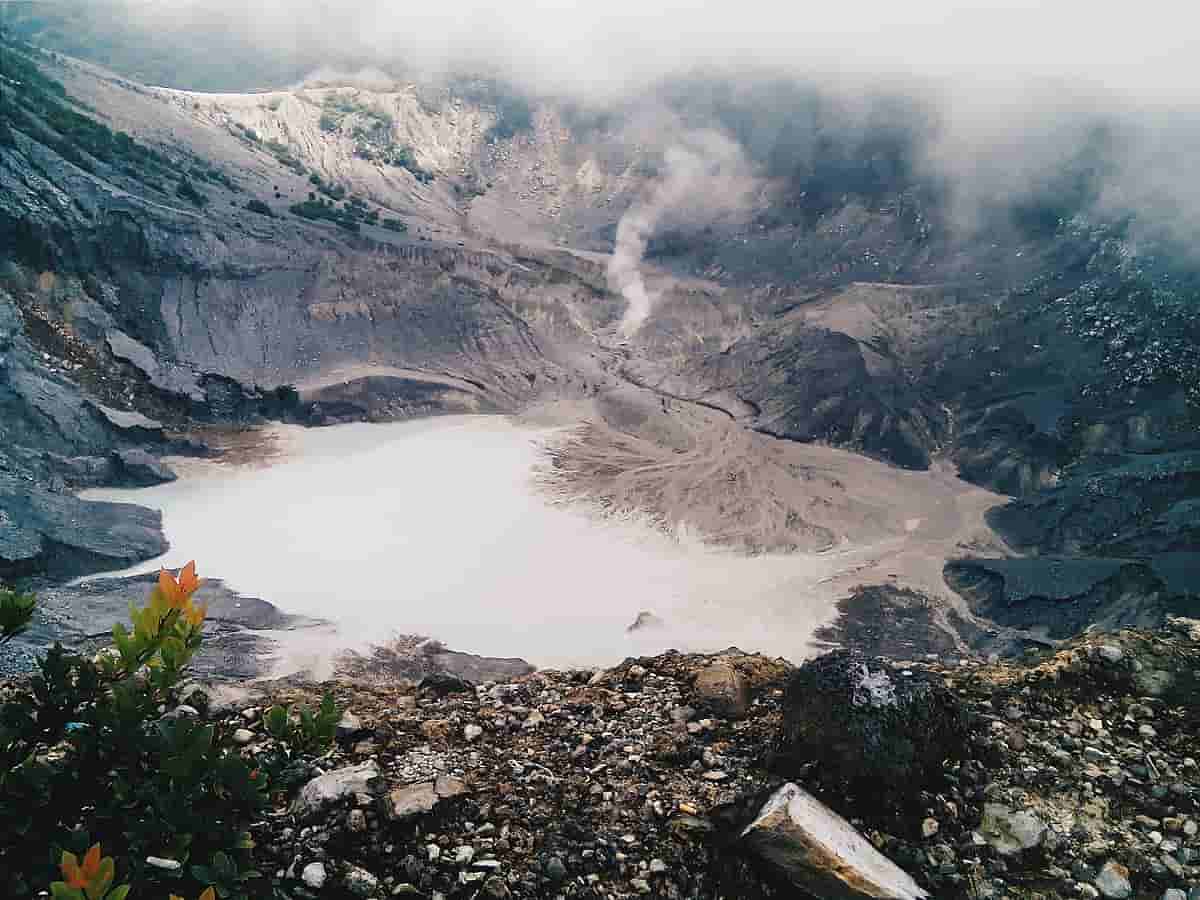
Tangkuban Perahu
An active volcano with a breathtaking crater, ideal for trekking and enjoying scenic views of the surrounding area.
Asia Africa Conference Museum
Museum commemorating the 1955 Asia-Africa Conference, housed in a historic building.
Dago Tea House
Historic restaurant in the hills north of Bandung, famous for its views and traditional Sundanese food.
Paris Van Java Mall
Modern shopping mall with trendy stores, restaurants, and entertainment venues.
Bandung City Center
The bustling heart of the city, known for shopping, colonial architecture, and culinary delights.
Punclut Highland
A scenic area with restaurants and views over Bandung.
Dago Pakar
A scenic area in the northern hills of Bandung, known for its views, cafes, and hiking trails.
🏘️ Neighborhoods
Braga & City Center
The historic heart of Bandung, famous for its colonial Art Deco architecture along Braga Street, museums, and classic cafes. The atmosphere is nostalgic and walkable.
Dago (Ir. H. Juanda)
An upscale, tree-lined avenue known for its high-end factory outlets, trendy restaurants, lively nightlife, and proximity to the iconic Dago Tea House.
Setiabudi
A modern, affluent residential and commercial area in the northern hills, offering cooler temperatures, boutique hotels, and stunning views of the city below.
Riau (Jalan Riau)
The ultimate shopping district, a long street densely packed with factory outlets and distro stores. Energetic and constantly buzzing with shoppers.
Cihampelas
Famous for its jeans street (Cihampelas Walk) and a major mall. A bustling, commercial area popular with younger crowds and families.
Lembang
A cool highland area north of the city center, known for its strawberry farms, floating market, picturesque tea plantations, and family-friendly attractions.
Antapani & Gedebage
Eastern suburbs that are rapidly developing, offering more local residential experiences, large modern malls, and easier access to the highway.
🍽️ Local Cuisine
Bandung is a food lover's paradise, celebrated for its diverse and flavorful Sundanese cuisine, which emphasizes fresh vegetables, grilled fish, and spicy sambal. Must-try signature dishes include Nasi Timbel (steamed rice wrapped in a banana leaf, served with fried chicken, tofu, tempeh, and sambal), Soto Bandung (a clear beef soup with daikon radish and fried soybeans), and the famous Batagor (fried fish dumplings served with peanut sauce). Street food is an integral part of the culture; seek out Martabak (sweet or savory stuffed pancakes) and Cireng (fried tapioca snacks). For dining, the areas around Jalan Riau and Jalan Setiabudi are packed with trendy cafes and restaurants, while traditional eateries (warungs) are found everywhere. A hearty local meal can cost as little as $2-$5. Etiquette is generally relaxed; eating with your right hand is common, and it's polite to say 'Selamat makan' (enjoy your meal) before starting. Don't leave without trying Bandung's signature drink, Bandrek (a hot, spiced ginger drink) or a glass of fresh sugarcane juice.
💡 Local Tips
🚗 Day Trip Ideas
Tangkuban Perahu Volcano
An active stratovolcano with a distinct overturned boat shape. Walk along the crater rim, see steaming vents, and buy sulfur souvenirs.
Kawah Putih (White Crater)
A stunning turquoise sulfuric crater lake located in a volcanic crater near Ciwidey. The otherworldly landscape is a photographer's dream.
Lembang & Floating Market
A cool highland area with a popular floating market (food stalls on boats), strawberry farms, and beautiful tea plantations.
Ciater Hot Springs
Relax in natural hot spring pools at the foot of Mount Tangkuban Perahu. A perfect activity after a volcano hike.
Saung Angklung Udjo
A cultural workshop and performance center in the eastern suburbs where you can experience traditional Sundanese music and angklung playing.
Patenggang Lake & Tea Plantations
A scenic volcanic lake surrounded by vast, rolling tea plantations in the Rancabali area. Ideal for hiking, boating, and photography.
🛡️ Safety Tips
Bandung is generally a safe city for tourists, with a low rate of violent crime. However, petty crime like pickpocketing and bag-snatching, especially from motorbikes, can occur in crowded markets, train stations, and tourist areas. Stay vigilant, keep valuables secure and out of sight, and avoid displaying expensive jewelry or electronics. Use reputable ride-hailing apps or registered taxis. Be cautious of overly friendly strangers offering unsolicited tours or deals. Traffic is chaotic; cross roads carefully and be extremely alert as a pedestrian. Drink only bottled or filtered water. For emergencies, dial 110 for police, 118 for ambulance, and 113 for fire. Keep the number of your country's embassy handy. Overall, common sense and basic precautions will ensure a very safe and enjoyable visit.
💰 Budget Guide
Bandung offers excellent value, catering to all budgets. A budget traveler can manage on $25-$40 per day: staying in hostels or basic guesthouses ($10-$15), eating at local warungs ($2-$5 per meal), using angkot and ride-hail bikes ($2-$5 daily), and enjoying free or low-cost attractions like city walks and museums. Mid-range travelers should budget $50-$100 per day: comfortable hotel or boutique homestay ($30-$60), dining at nice restaurants and cafes ($5-$15 per meal), using Grab cars frequently ($5-$15 daily), and paid entrance fees for attractions and tours. A luxury experience ($150+ per day) includes 4-5 star hotels (from the average $89 and up), fine dining, private car hire with driver ($40-$70/day), and premium shopping. Money-saving tips: visit factory outlets for quality bargains, eat street food, travel on weekdays to avoid inflated weekend hotel rates, and book ride-hailing bikes for quick, cheap transport. Many attractions have minimal entrance fees.