Welcome to Bukhoro
Bukhoro, often spelled Bukhara, is not merely a city in Uzbekistan; it is a living museum, a UNESCO World Heritage site, and a soul-stirring testament to the Silk Road's grandeur. Located in the heart of Central Asia, this ancient oasis city has been a pivotal center of trade, theology, and culture for over two millennia. Stepping into its historic center is like walking through a storybook of Islamic architecture, where every turquoise dome, intricate tile mosaic, and sun-baked brick wall whispers tales of scholars, caravans, and empires. The city's compact, pedestrian-friendly core makes its profound history astonishingly accessible. With a selection of around 20 hotels offering an average nightly rate of approximately $77, visitors can find comfortable lodging within the atmospheric Old City or its immediate surroundings, allowing for an immersive experience where history is literally at your doorstep. Bukhoro is a destination that demands to be felt as much as seen—a place where the past is palpably present.
Overview
Bukhoro is one of Central Asia's holiest cities, historically known as a pillar of Islamic learning and a crucial stop on the Silk Road. Its history spans over 2,500 years, with influences from Persian, Arab, and Turkic empires, most notably as a capital of the Samanid dynasty in the 9th and 10th centuries. The city is famed for its exceptionally well-preserved medieval core, the Bukhara Historical Center, which boasts over 140 architectural monuments. Culturally, it is a city of contrasts, where ancient madrasahs now house artisan workshops and bustling bazaars. The city is famous for its stunning architecture, including the iconic Kalyan Minaret, the fortress of Bukhara Ark, and the serene Lyab-i Hauz complex. The main district for visitors is the compact Old City, a labyrinth of lanes centered around the Lyab-i Hauz pond, containing the majority of historical sites, markets, and traditional guesthouses. Beyond this, the city expands into more modern, Soviet-era residential areas, but the heart and soul of Bukhoro remain firmly within its ancient walls.
🗓️ Best Time to Visit
The best times to visit Bukhoro are during the shoulder seasons of spring (April to early June) and autumn (September to October). During these months, daytime temperatures are pleasantly warm, ideal for extensive walking and sightseeing, while nights are cool. Spring brings blooming trees and comfortable weather before the summer heat. Autumn offers clear skies, mild temperatures, and the harvest season. Summer (July and August) is the peak tourist season but can be intensely hot, with temperatures often soaring above 40°C (104°F), making midday exploration challenging. Winter (November to March) is the off-peak season; it's cold, with occasional snow, but you'll find fewer crowds and lower prices. Major events include the Silk and Spices Festival in late spring, a vibrant celebration of local culture, and various religious observances throughout the year. For a balance of good weather and manageable crowds, aim for late April, May, September, or October.
🌤️ Weather & Climate
Bukhoro experiences a cold desert climate with long, hot, dry summers and short, cold winters. There is a significant temperature variation between seasons, but precipitation is very low year-round.
Seasons
Spring
💨 Humidity: moderate
Pleasant and mild, with warming temperatures and occasional rain showers. Ideal for sightseeing.
Summer
💨 Humidity: low
Extremely hot, dry, and sunny. Midday heat can be intense; plan activities for early morning or evening.
Autumn
💨 Humidity: moderate
Warm, sunny days and cool nights. September and October are prime visiting months.
Winter
💨 Humidity: moderate
Cold, with occasional frost and rare snow. Few tourists and lower prices.
Monthly Weather Details
January Weather
Best for: indoor museums, low-crowd sightseeing
February Weather
Best for: indoor museums, low-crowd sightseeing
March Weather
Best for: sightseeing
April Weather
Best for: sightseeing, festivals
May Weather
Best for: sightseeing, festivals
June Weather
Best for: early morning/evening tours
July Weather
Best for: early morning/evening tours
August Weather
Best for: early morning/evening tours
September Weather
Best for: ideal sightseeing
October Weather
Best for: ideal sightseeing
November Weather
Best for: sightseeing
December Weather
Best for: indoor museums, low-crowd sightseeing
🎒 What to Pack
All Year Round
- sunglasses
- sunhat
- sunscreen
- comfortable walking shoes
- scarf (for visiting mosques)
🚗 Getting Around
Getting around Bukhoro's main tourist areas is remarkably easy and best done on foot. The Old City is compact, pedestrianized, and flat, allowing you to wander between major sights like the Ark, Lyab-i Hauz, and the trading domes with ease. For longer distances, taxis are plentiful and inexpensive. Use registered taxi stands or have your hotel call one; always agree on a fare before getting in, as meters are rarely used. Short rides within the city center should cost 10,000-20,000 UZS ($1-$2). There is limited public transportation, mainly buses and minibuses (marshrukas), which are useful for reaching outer neighborhoods but not necessary for the core historical zone. There is no ride-sharing like Uber. For airport transfers, pre-arranging a taxi through your hotel is the most reliable option, with a fixed cost of around 30,000-50,000 UZS ($3-$5) for the 10-15 minute ride to the Old City. Biking is possible, but the uneven pavements and pedestrian crowds in the center make walking the superior choice.
🎯 Top Attractions
Bukhara Ark
Ancient fortress and historical residence of the Bukharan rulers.
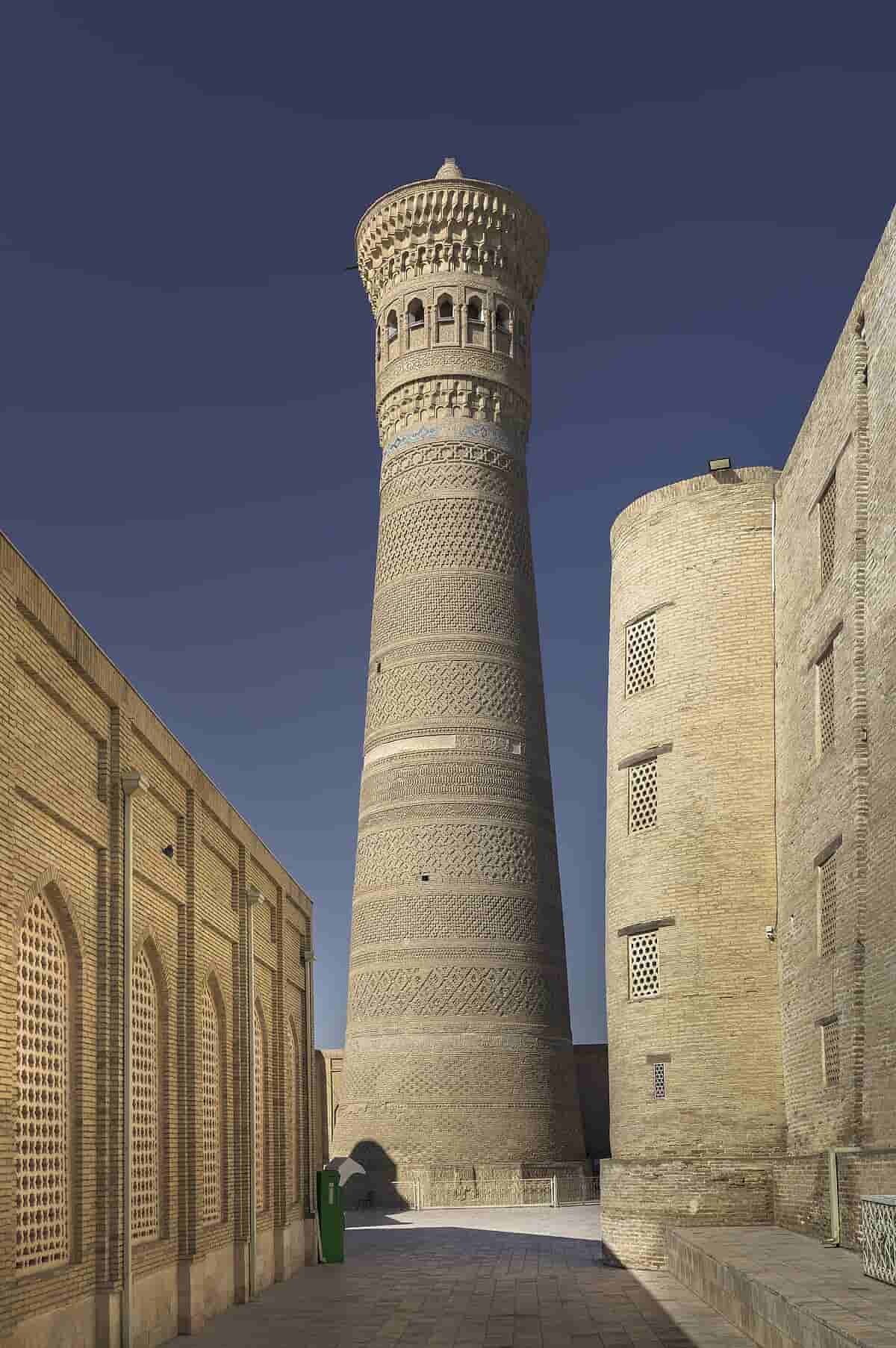
Kalyan Minaret
Iconic 12th-century tower, known as the 'Tower of Death', part of Po-i-Kalyan complex.
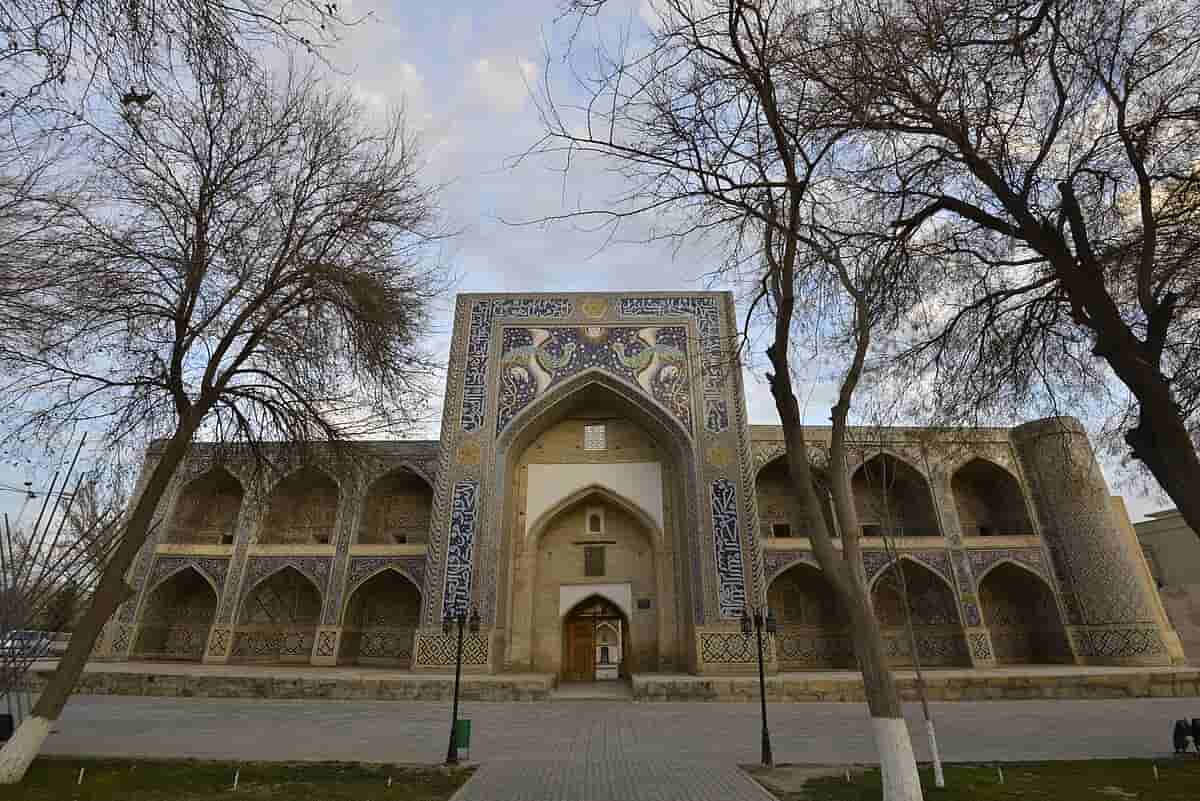
Lyab-i Hauz
Historic pond surrounded by mulberry trees, madrasas, and a tranquil atmosphere.
Bukhara Synagogue
Historic Jewish place of worship
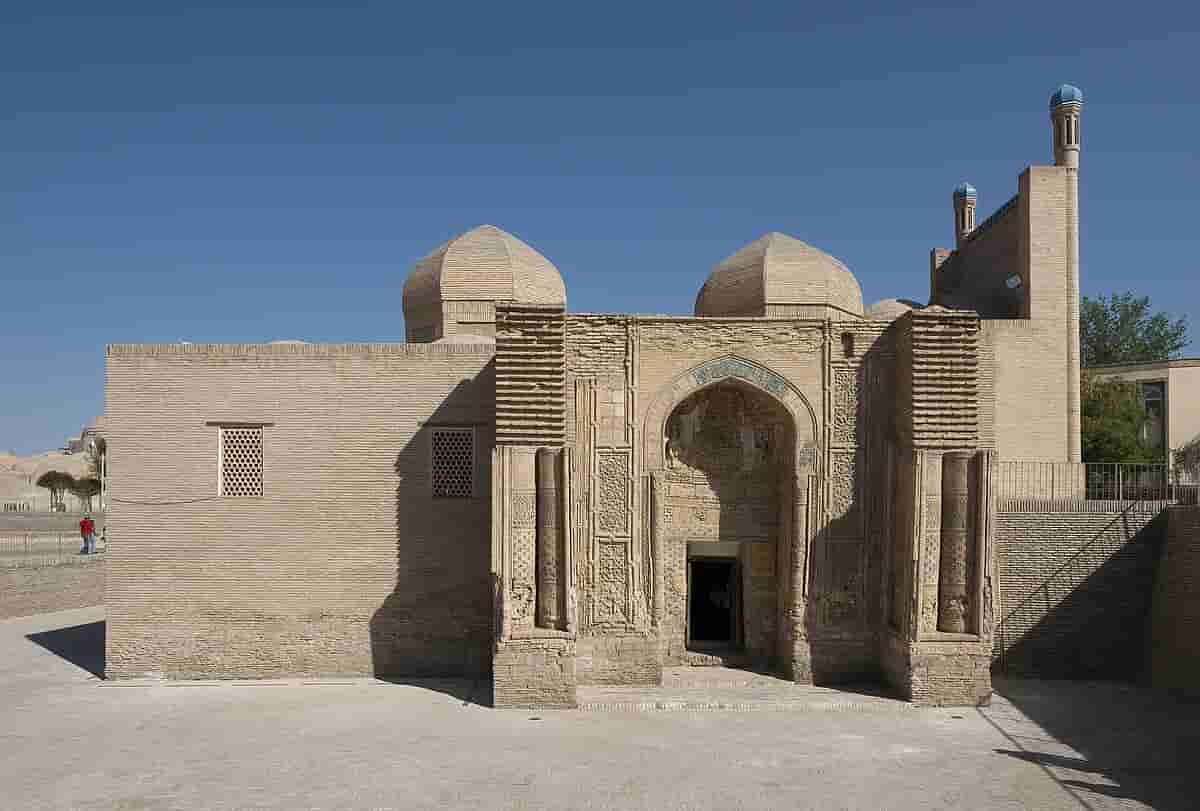
Magoki-Attori Mosque
Ancient mosque with ornate facade
Bukhara Historical Center
UNESCO site with numerous landmarks
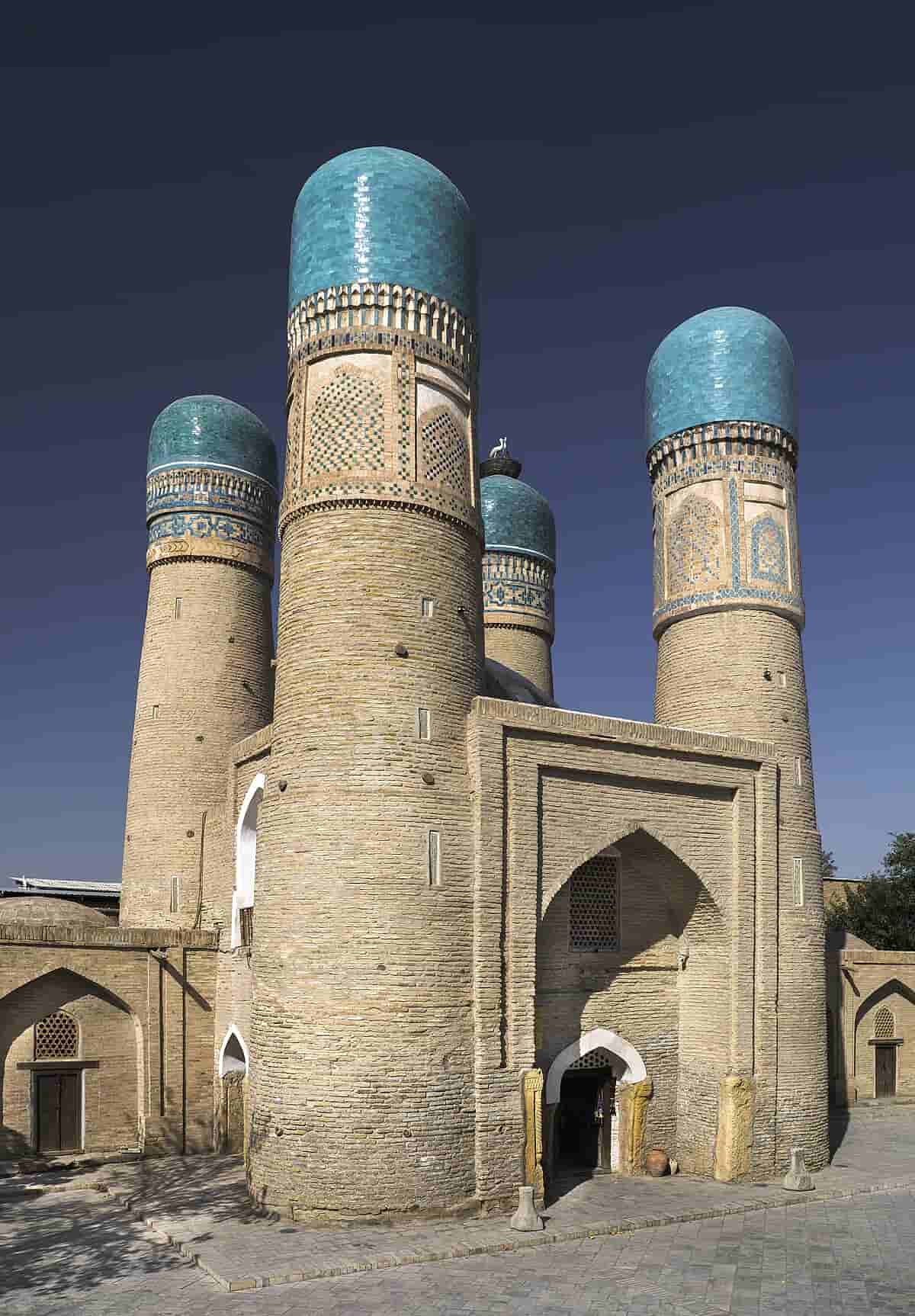
Chor Minor
Unique monument with four minarets
Trading Domes
Historic market domes selling crafts
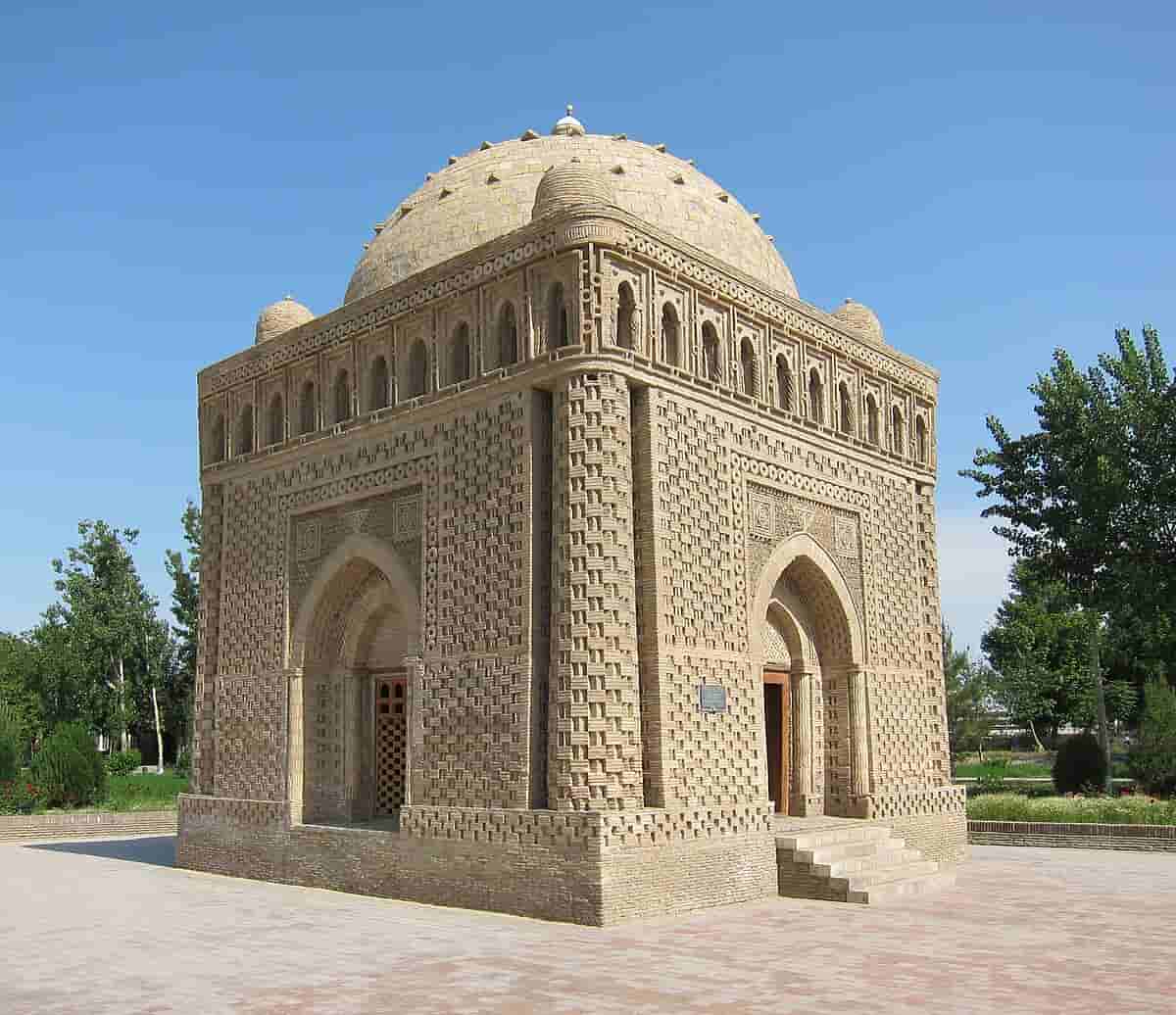
Samanid Mausoleum
10th-century brick masterpiece
Bukhara Old City
UNESCO World Heritage site with ancient mosques and madrasas.
Ark Fortress
An ancient fortress that was the residence of Bukhara's rulers.
Bukhara Historic Center
UNESCO World Heritage site with ancient monuments
🏘️ Neighborhoods
Old City (Historic Center)
The UNESCO-listed heart of Bukhoro, containing the Ark, Lyab-i Hauz, Kalyan Minaret, and all major historical monuments. A maze of pedestrian lanes filled with madrasahs, mosques, and bazaars.
Lyab-i Hauz Area
The vibrant social hub centered around the ancient pond. Lined with restaurants, tea houses, and hotels, it's the perfect base for exploring and people-watching.
Around the Railway Station
A more modern, Soviet-era district with wider streets and utilitarian buildings. Offers practical, often cheaper accommodation but is a taxi ride from the sights.
Samanid Recreation Park Area
A greener, quieter residential area near the famous Samanid Mausoleum. Offers a local feel while still being within walking distance of the Old City walls.
Khodja Nurobod (South)
A southern suburb with newer developments and some upscale hotels. Quieter than the center but requires transportation to reach the main historical sites.
Trade Dome Districts (Tokis)
Not a residential area, but the commercial heart for shopping. The streets connecting the covered bazaars (Toki Zargaron, etc.) are packed with workshops and stalls.
🍽️ Local Cuisine
Bukhoro's cuisine is a hearty and flavorful cornerstone of Uzbek culture, centered around plov (pilaf), the national dish. Bukharan plov is distinct, often slightly sweeter and cooked with carrots, raisins, and chickpeas. Other must-try dishes include shurpa (a hearty meat and vegetable soup), laghman (hand-pulled noodles with meat and vegetables), and manti (steamed dumplings filled with pumpkin or meat). Dining is a social affair, often enjoyed on a raised platform (a 'sufra') in a chaikhana (teahouse). The area around Lyab-i Hauz is perfect for an atmospheric meal. For an authentic experience, visit a local market like the Toki Zargaron trading dome for fresh non (bread) and dried fruits. Meals are incredibly affordable: a feast at a local chaikhana can cost $5-$10, while mid-range restaurants charge $10-$20 per person. Etiquette is simple: accept tea gratefully, try eating with your hands (right hand only) as locals do for plov, and remember that hospitality is paramount.
💡 Local Tips
🚗 Day Trip Ideas
Gijduvan
Famous for its unique ceramic school and vibrant pottery workshops. Visit the studio of the renowned Narzullayev family.
Nurata
A town at the edge of the Kyzylkum Desert, known for its ancient fortress ruins, holy spring, and petroglyphs.
Sitorai Mohi Hosa (Emir's Summer Palace)
The last emir's extravagant summer residence, blending Russian and traditional Bukharan architecture and gardens.
Chashma Complex (Nurata area)
A pilgrimage site centered around a sacred spring, fish pond, and ruins of Alexander the Great's fortress.
Karakul
Visit a village in the desert known for its Karakul sheep and traditional wool carpet weaving.
🛡️ Safety Tips
Bukhoro is generally a very safe city for tourists, with low rates of violent crime. The main concerns are petty scams and pickpocketing in crowded market areas. Be cautious of overly friendly strangers offering guided tours or inviting you for tea, as this can lead to pressured souvenir purchases. Always agree on taxi fares upfront. Areas around major tourist sites are well-patrolled. Emergency numbers are: 102 (police), 103 (ambbulance), 101 (fire). It's advisable to carry a copy of your passport and visa. Tap water is not safe to drink; stick to bottled water. Food hygiene in reputable restaurants is good, but be cautious with street food if you have a sensitive stomach. Respect local customs by dressing modestly, especially when visiting religious sites (covered shoulders and knees).
💰 Budget Guide
Bukhoro is an affordable destination. A budget traveler can manage on $30-$40 per day, staying in hostels or guesthouses ($15-$25), eating at local chaikhanas ($5-$10), and walking everywhere. A mid-range budget of $60-$80 per day covers a comfortable hotel ($40-$60), meals at nice restaurants ($15-$25), occasional taxis, and entrance fees to major sights (most are $2-$5 each). A luxury budget of $120+ affords boutique hotels in historic buildings, fine dining, private guides, and souvenir shopping. Money-saving tips: Many architectural sights can be admired from the outside for free. Purchase a combined ticket for several museums if planning intensive sightseeing. Eat where locals eat for authentic and cheap meals. Bargain politely in the bazaars. Accommodation prices can drop significantly in the winter off-season.