Welcome to Bijie
Nestled in the verdant, mountainous heart of Guizhou province, Bijie is a city where dramatic karst landscapes meet a vibrant, forward-looking urban energy. Often overshadowed by its more famous provincial neighbors, Bijie offers a compelling blend of natural grandeur and modern development, serving as a gateway to some of China's most breathtaking rural scenery. The city itself is a testament to rapid growth, with sleek new districts rising alongside pockets of traditional life. For travelers, this means the comfort of modern amenities, including a selection of 218 hotels catering to every style and budget, set against a backdrop of profound cultural richness. Whether you're drawn by the allure of the nearby Zhijin Cave or the unique Miao and Yi ethnic cultures, Bijie is a destination that surprises and rewards the curious explorer, providing a less-trodden path into the soul of Southwest China.
Overview
Bijie, a prefecture-level city in northwestern Guizhou, is historically significant as part of the ancient Yelang Kingdom and a crucial area along the Tea Horse Road. Today, it's renowned for its stunning natural environment, particularly the colossal Zhijin Cave, one of the world's most magnificent karst formations located just outside the city. The urban core reflects this duality: the Qixingguan district buzzes with contemporary life around landmarks like the Grand Theater and Financial District, while the Bijie Museum and Qixingguan Park offer glimpses into local history and serene green spaces. The city is a hub for the diverse cultures of the Miao, Yi, and Bouyei ethnic groups, with their vibrant festivals, intricate embroidery, and distinctive architecture influencing the local character. Bijie is famous for its role as an ecological showcase and for its rapid infrastructural development, exemplified by the modern Qianxi High Speed Railway Station, which connects it seamlessly to Guiyang and beyond.
🗓️ Best Time to Visit
The best time to visit Bijie is during the spring (April to June) and autumn (September to early November). These seasons offer the most pleasant weather, with mild temperatures, lower humidity, and manageable rainfall, perfect for exploring both the city and the surrounding natural attractions. Spring brings blooming flowers and lush greenery, while autumn provides clear skies and comfortable hiking conditions. Summer (July-August) is warm and rainy, which can be humid but also makes the landscapes exceptionally verdant; it's a popular time for domestic tourism. Winter (December-February) is chilly and damp, with occasional frost, making it the off-peak season, though hotel rates are at their lowest. Major events are often tied to ethnic festivals, which follow the lunar calendar; look for the Torch Festival of the Yi people in summer and various Miao New Year celebrations in winter, offering incredible cultural immersion.
🌤️ Weather & Climate
Bijie has a humid subtropical highland climate, characterized by mild summers, cool winters, and significant rainfall year-round. The weather is greatly influenced by its high elevation, leading to moderate temperatures but high humidity.
Seasons
Spring
💨 Humidity: moderate
Mild and pleasant with increasing rain. Flowers bloom, making it ideal for outdoor sightseeing.
Summer
💨 Humidity: high
Warm, humid, and the rainiest season. Landscapes are lush, but be prepared for sudden showers.
Autumn
💨 Humidity: moderate
Cool, crisp, and relatively dry. Considered the best time for travel and hiking, with clear skies.
Winter
💨 Humidity: moderate
Chilly and damp with occasional frost or light sleet. Indoor attractions and cultural sites are best.
Monthly Weather Details
January Weather
Best for: museum visits, indoor activities
February Weather
Best for: cultural festivals, city exploration
March Weather
Best for: early spring sightseeing
April Weather
Best for: hiking, park visits
May Weather
Best for: outdoor activities, nature
June Weather
Best for: lush landscape viewing
July Weather
Best for: ethnic festivals
August Weather
Best for: summer travel
September Weather
Best for: ideal sightseeing
October Weather
Best for: hiking, photography
November Weather
Best for: autumn exploration
December Weather
Best for: budget travel, indoor sites
🎒 What to Pack
All Year Round
- umbrella or raincoat
- comfortable walking shoes
- layered clothing
🚗 Getting Around
Navigating Bijie is straightforward, with a mix of public and private options. The city's public bus network is extensive and very affordable, with fares typically around 1-2 RMB, covering most urban areas and major attractions. Taxis are plentiful and inexpensive for shorter trips; always ensure the meter is used. Ride-hailing apps like Didi Chuxing are widely used and convenient. For the most flexibility, especially for reaching outlying natural sites, renting a car with a driver is a recommended option, though navigating yourself can be challenging. The Qianxi High Speed Railway Station is well-connected by bus and taxi to the city center, a journey of about 30-40 minutes. While the city center is walkable, the distances between some modern districts and older areas are best covered by vehicle. Biking is less common due to the hilly terrain.
🎯 Top Attractions
Grand Theater
Performing arts venue
Financial District
Area with banks, offices, and business services.
City Exhibition Center
Trade shows and exhibitions
Chuangmei Innovation Park
Park focused on creative industries and startup companies.
Design Center
Center showcasing modern design and architectural works.
Exhibition Hall
Hall used for trade shows, art exhibitions, and cultural events.
Qixingguan Park
A peaceful park with walking paths and lush greenery.
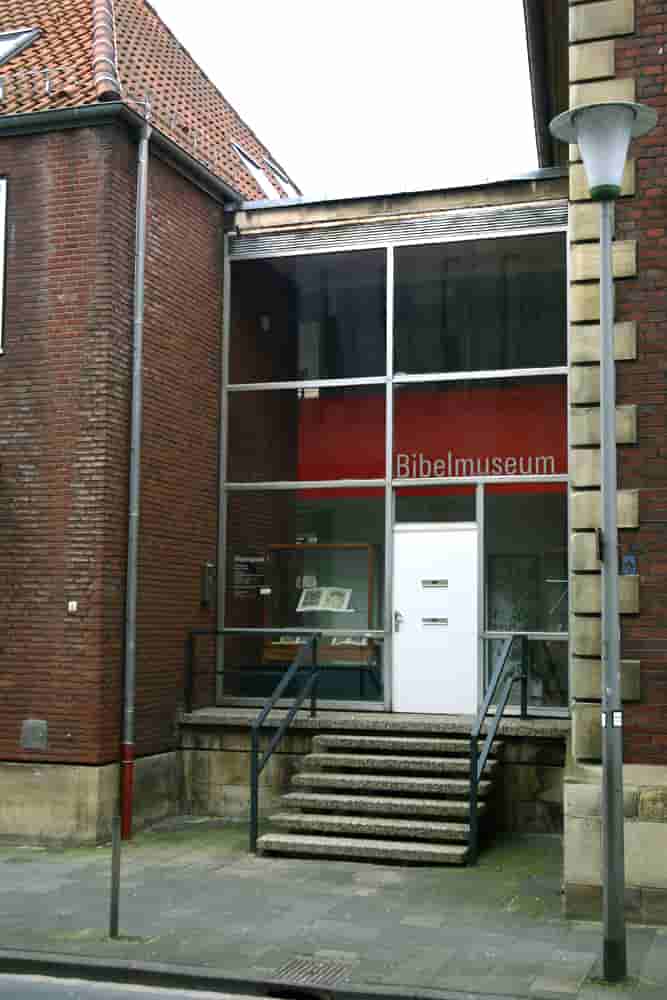
Bijie Museum
A cultural institution highlighting local history and ethnic minority heritage.
Zhaoshanghuayuan Garden
Beautiful garden area perfect for relaxation and photos.
Qianxi High Speed Railway Station
High-speed rail station connecting to major cities.
Bijie Karst Landscapes
Area featuring unique karst topography and caves.
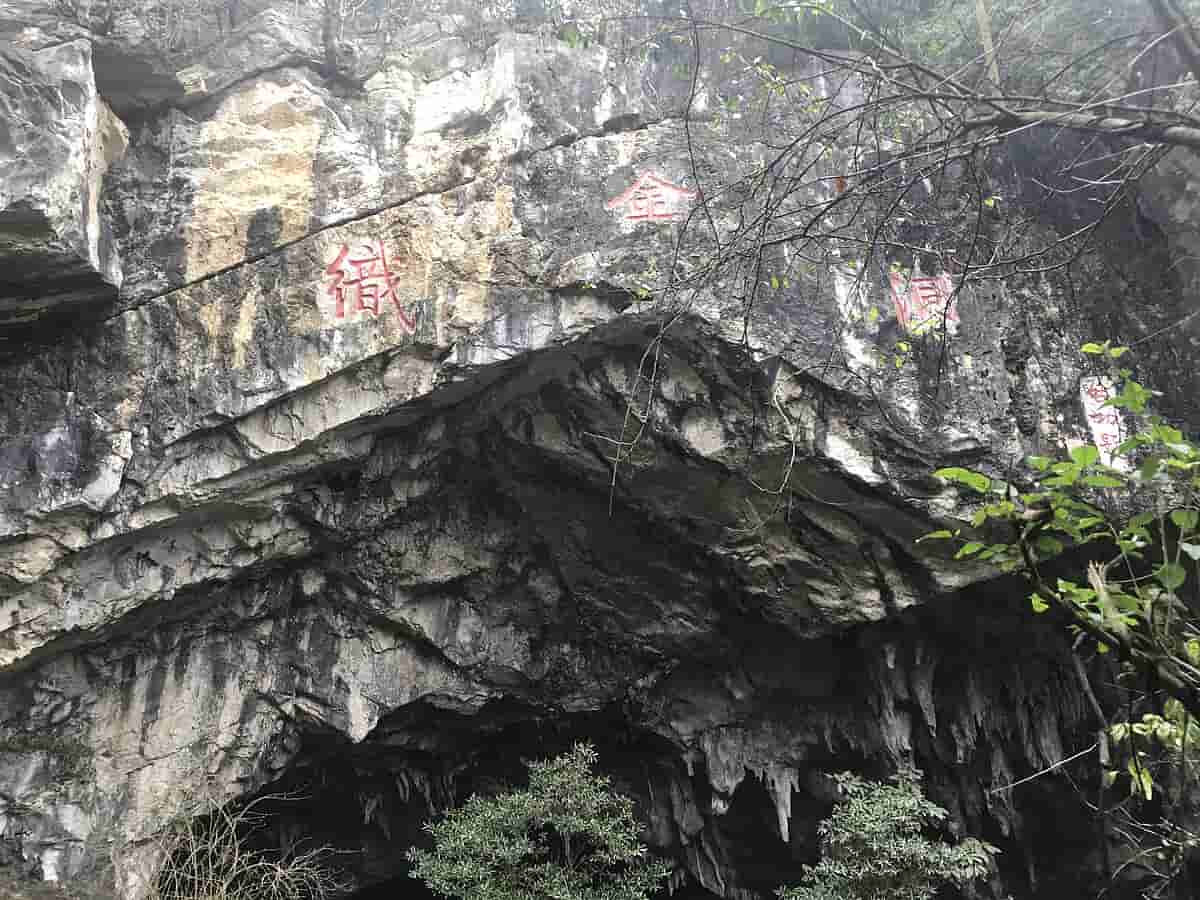
Zhijin Cave
One of the largest caves in China, known for its vast chambers and unique scenery.
🏘️ Neighborhoods
Qixingguan District
The historical and administrative heart of Bijie, home to Qixingguan Park, the Bijie Museum, and older commercial streets. It offers a mix of local life and government buildings.
Bijie New District
The modern face of the city, featuring the Grand Theater, Financial District, Design Center, and sleek high-rises. This is the center of business and contemporary development.
Qianxi High-Speed Rail Area
Developing rapidly around the transportation hub. It's convenient for arrivals/departures and has growing commercial and hotel facilities, but is further from the city center.
Chuangmei Innovation Park Area
A burgeoning district focused on technology, innovation, and creative industries. It has a younger, more dynamic vibe with new cafes and co-working spaces.
Zhaoshanghuayuan Garden Area
A pleasant residential and commercial zone with green spaces and gardens. It offers a quieter stay with good local amenities and dining options.
University District
Area surrounding local colleges and universities. Vibrant with affordable eateries, cafes, bookshops, and a youthful energy, especially during the academic year.
🍽️ Local Cuisine
Bijie's cuisine is a hearty, flavorful reflection of Guizhou's love for sour and spicy notes, with influences from the local Miao and Yi cultures. Must-try dishes include 'Suan Tang Yu' (sour soup fish), a tangy and mildly spicy fish stew, and 'La Rou' (cured bacon), often smoked and stir-fried with vegetables. 'Yang Yu Ba Ba' (potato cake) is a beloved local snack. Dining is a communal and casual affair. For an authentic experience, seek out small, bustling local restaurants or night market stalls. The areas around Qixingguan Park and near the university often have concentrations of popular eateries. Meals are incredibly affordable: a bowl of noodles can cost 10-15 RMB, a local restaurant meal 30-50 RMB per person, and a fine dining experience 100 RMB+. Etiquette is relaxed; sharing dishes is standard, and it's polite to try a bit of everything.
💡 Local Tips
🚗 Day Trip Ideas
Zhijin Cave
One of the world's largest and most spectacular karst cave systems, known as 'The Palace of Karst'. A UNESCO World Heritage site with stunning formations.
Jiudong Tian (Nine Cave Sky)
A magnificent scenic area featuring a natural bridge, canyons, and a series of karst caves with underground rivers and waterfalls.
Weining Caohai Lake
A stunning alpine wetland and lake, a crucial wintering ground for migratory birds including the rare Black-necked Crane. Best visited in winter.
Dafang County & Jiulong Mountain
Explore traditional architecture, including the Dafang Ancient Town, and visit the scenic Jiulong Mountain for hiking and temple views.
Qianxi Salaxi Miao Village
An authentic Miao ethnic village offering insights into traditional customs, architecture, and handicrafts like batik and embroidery.
Guiyang
The vibrant provincial capital, accessible via high-speed rail. Explore Qianling Park, Jiaxiu Pavilion, and experience a much larger city's dining and culture.
🛡️ Safety Tips
Bijie is generally a very safe city for travelers, with low rates of violent crime. Standard precautions apply: be aware of your belongings in crowded areas like markets and bus stations to guard against petty theft. Scams are rare but be cautious with unsolicited help from 'tour guides' at major transport hubs. Traffic can be hectic, so exercise caution when crossing streets. The tap water is not potable; drink only bottled or boiled water. For emergencies, dial 110 for police, 120 for medical ambulance, and 119 for fire. It's advisable to have your hotel's name and address written in Chinese to show taxi drivers. Healthcare facilities are adequate for minor issues, but serious conditions may require transfer to Guiyang; comprehensive travel insurance is recommended.
💰 Budget Guide
Bijie is an affordable destination. A budget traveler can manage on 150-250 RMB per day, staying in hostels or budget hotels (80-120 RMB), eating at local noodle shops or street food (10-30 RMB per meal), and using public buses. Mid-range travelers spending 350-600 RMB daily can enjoy comfortable 3-4 star hotels (200-400 RMB), meals at nice local restaurants (50-100 RMB per person), taxi rides, and entrance fees to attractions like Zhijin Cave. A luxury budget of 800+ RMB per day covers high-end hotels, fine dining, private car hires, and guided tours. Money-saving tips include traveling in the winter off-season, eating where locals eat, using public buses, and bundling day trips. Many city parks and gardens are free to enter.