Welcome to Biarritz
Perched on the Basque coast where the Pyrenees meet the Atlantic, Biarritz is a legendary seaside resort that has captivated European aristocracy, surfers, and discerning travelers for over a century. This elegant city, located in France's Aquitaine region, masterfully blends Belle Époque grandeur with a vibrant, youthful surf culture. Its dramatic coastline, punctuated by rocky outcrops and golden beaches, provides a breathtaking backdrop for a sophisticated yet relaxed getaway. With approximately 50 hotels ranging from historic palaces to charming boutiques, finding your perfect base is effortless, with an average nightly rate that makes luxury surprisingly accessible. Whether you're drawn by the call of the waves at Grande Plage, the panoramic views from the Rocher de la Vierge, or the chic ambiance of its coastal promenades, Biarritz offers a uniquely French coastal experience infused with a distinct Basque soul.
Overview
Biarritz's transformation from a humble whaling village to the 'Queen of Beaches' and resort of kings began in the mid-19th century when Empress Eugénie, wife of Napoleon III, built a palace here. This royal endorsement sparked a golden age, attracting European royalty and creating the city's enduring architectural legacy of grand villas and casinos. Today, Biarritz is famous as the birthplace of European surfing, a sport introduced in the 1950s, which lends it a dynamic, sporty energy alongside its historic elegance. The city is culturally rich, deeply influenced by its Basque heritage, evident in its language, pelota (a traditional sport), and vibrant festivals. Key districts include the historic center around the Halles market, the chic shopping streets near the Casino, the surf-centric Côte des Basques area, and the majestic coastline dominated by landmarks like the Lighthouse and the Musée de la Mer aquarium. It's a city where you can savor a gourmet meal, watch world-class surfers, and stroll past imperial history all in one afternoon.
🗓️ Best Time to Visit
The best time to visit Biarritz is from late spring to early autumn (May to October). Summer (June-August) is peak season, offering warm, sunny weather perfect for beach days and surfing, with average highs around 73°F (23°C). This period buzzes with energy but also sees higher prices and crowds. The shoulder seasons of May-June and September-October are ideal for many travelers, featuring pleasant temperatures, fewer tourists, and lower accommodation rates. These months are perfect for sightseeing, golfing, and enjoying outdoor cafes. Winter (November-March) is the off-peak season; it's cooler, rainier, and many seasonal establishments close, but hotel prices drop significantly, and you'll experience a more local, tranquil atmosphere. Major events include the Biarritz Festival (July), various surfing competitions throughout the summer, and the Fêtes de Bayonne in nearby Bayonne (late July), a massive Basque festival.
🌤️ Weather & Climate
Biarritz enjoys a temperate oceanic climate, characterized by mild winters, warm summers, and moderate rainfall spread throughout the year. The Gulf Stream ensures generally pleasant temperatures.
Seasons
Spring
💨 Humidity: moderate
Mild and gradually warming, with increasing sunshine. Ideal for sightseeing and early beach visits.
Summer
💨 Humidity: moderate
Warm and sunny, perfect for beach activities and surfing. The most popular and busiest season.
Autumn
💨 Humidity: moderate to high
Pleasantly warm early on, becoming cooler and rainier. September is often an extended summer.
Winter
💨 Humidity: moderate
Mild but damp, with occasional storms. Few tourists, a time for cozy cafes and dramatic coastal walks.
Monthly Weather Details
January Weather
Best for: indoor activities, cultural sights
February Weather
Best for: sightseeing, coastal walks
March Weather
Best for: sightseeing, golf
April Weather
Best for: sightseeing, outdoor cafes
May Weather
Best for: beach, surfing, sightseeing
June Weather
Best for: beach, surfing, all outdoor activities
July Weather
Best for: beach, surfing, festivals
August Weather
Best for: beach, surfing, festivals
September Weather
Best for: beach, surfing, golf
October Weather
Best for: sightseeing, food tours
November Weather
Best for: cultural sights, spa visits
December Weather
Best for: indoor activities, holiday markets
🎒 What to Pack
All Year Round
- rain jacket or umbrella
- comfortable walking shoes
- sweater or light jacket
🚗 Getting Around
Biarritz is a highly walkable city, especially around the central attractions, coastline, and main shopping districts. For longer distances, the Chronoplus bus network efficiently connects Biarritz with neighboring Bayonne and Anglet; a single ticket costs around €1.20. Biking is an excellent option, with numerous rental shops and dedicated coastal paths. Taxis are readily available but can be expensive; ride-sharing services like Uber operate in the area. For airport transfers, Biarritz Pays Basque Airport (BIQ) is just a 10-minute drive from the city center, accessible by taxi (approx. €20-€25) or a direct Chronoplus bus line (€1.20). Renting a car is useful for exploring the wider Basque Country but unnecessary for a short city stay, as parking can be challenging and expensive in the center.
🎯 Top Attractions
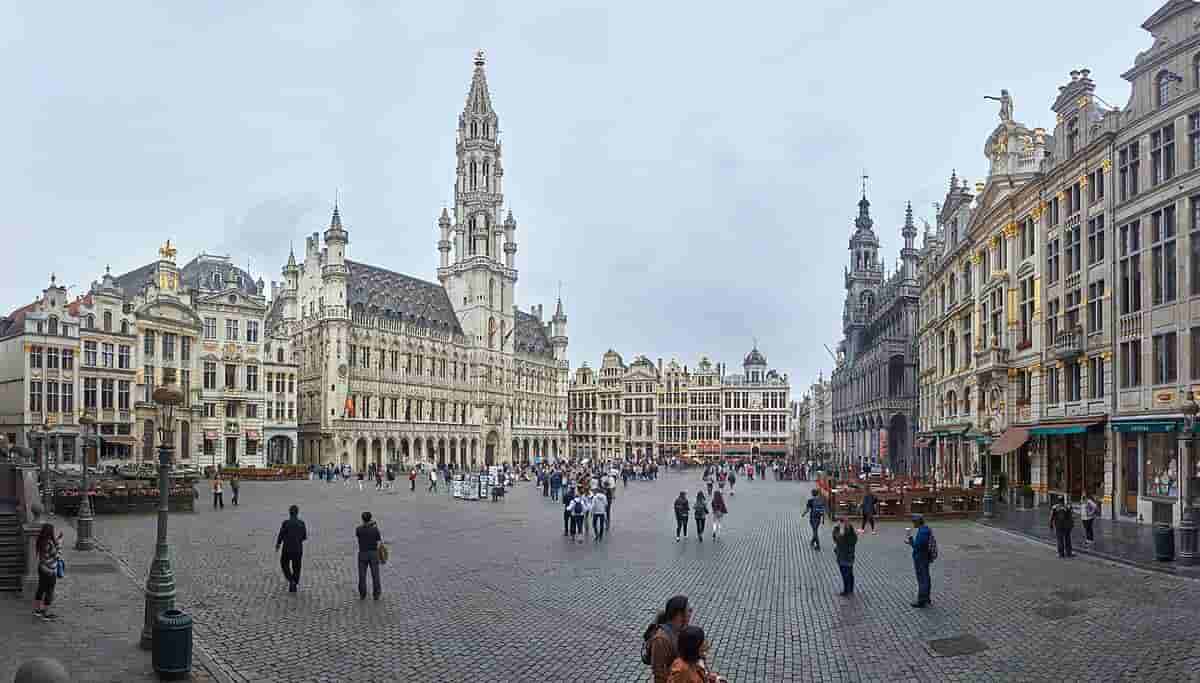
Grande Plage
Biarritz's famous beach, known for its golden sands and great surf conditions, perfect for sunbathing or swimming.
Biarritz Lighthouse
Climb the steps of this iconic lighthouse for breathtaking panoramic views of the Basque coastline and the Bay of Biscay.
Musée de la Mer
Fascinating maritime museum showcasing the history and culture of Biarritz's seaside heritage.
Biarritz Market
A bustling market with fresh local produce, seafood, and artisanal goods, perfect for a taste of the region.
Lighthouse of Biarritz
Historic lighthouse offering panoramic coastal views from the top.
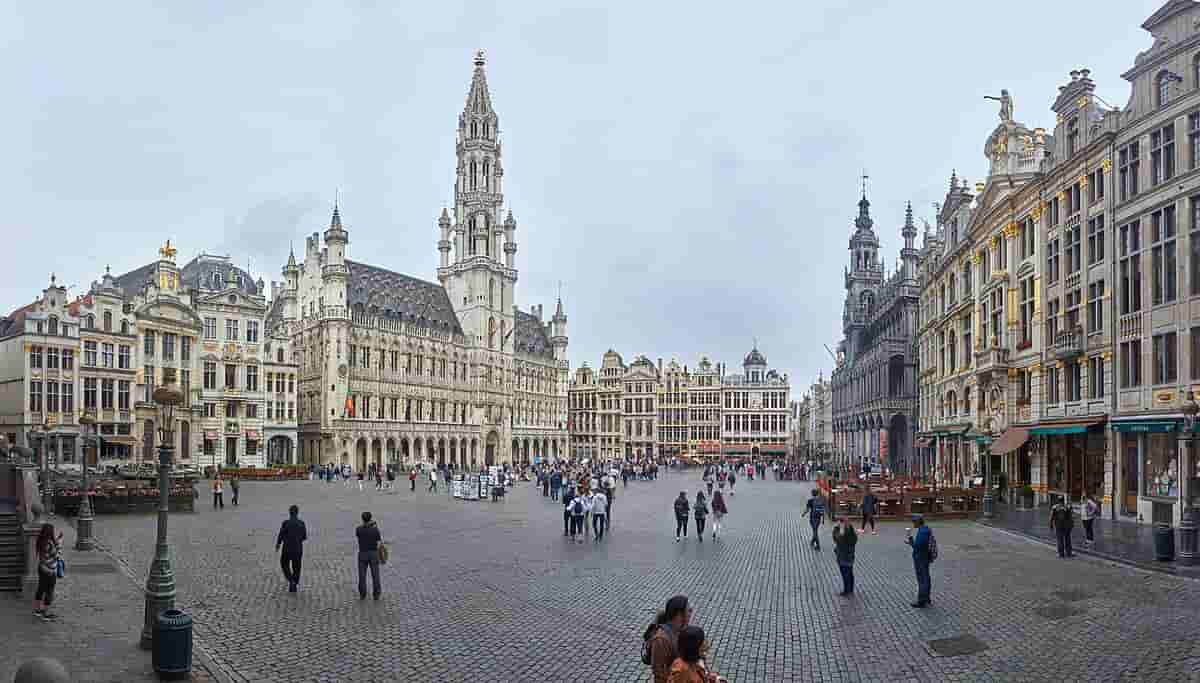
Grande Plage (Biarritz)
Biarritz's main beach, a large sandy bay popular with surfers.
Rocher de la Vierge
A dramatic rock formation accessed by a Gustave Eiffel-designed footbridge, crowned by a statue of the Virgin Mary and offering stunning ocean views.
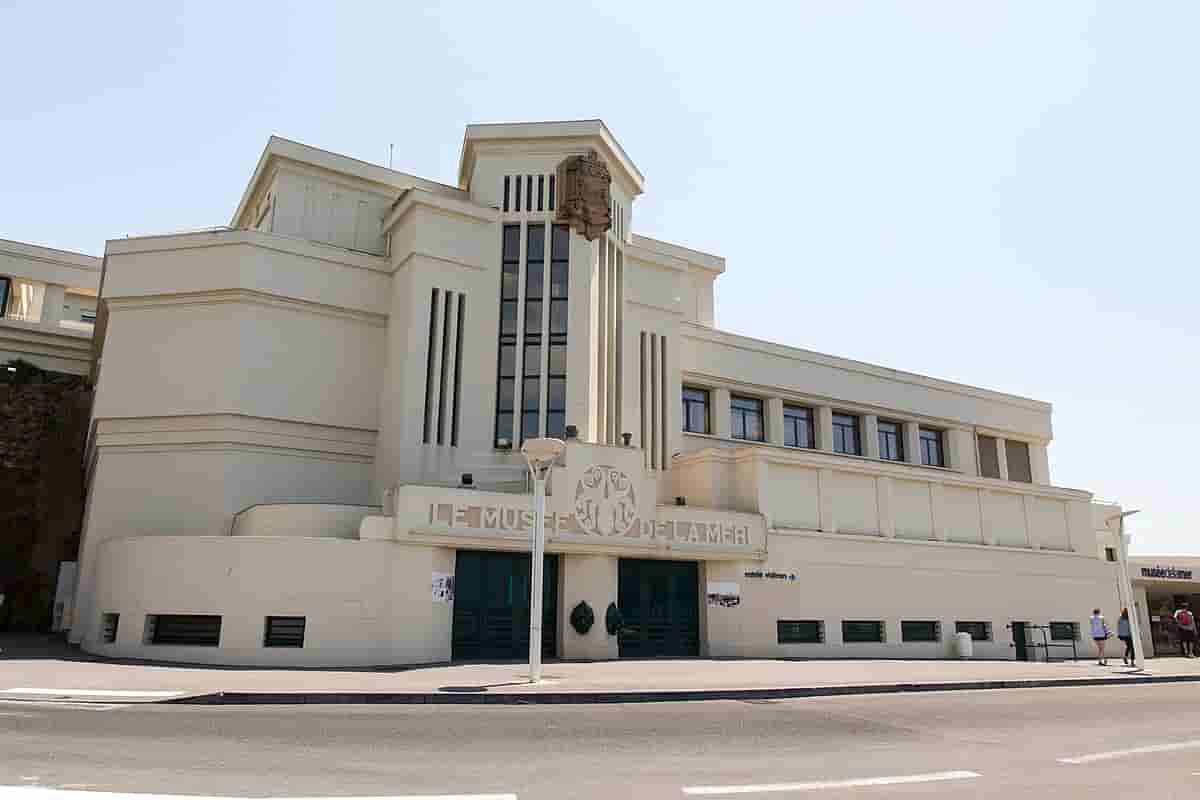
Biarritz Aquarium
A marine-themed attraction with impressive displays of sea life, ideal for families and nature enthusiasts.
Biarritz Beach
Famous for its golden sands and vibrant surf culture, Biarritz Beach is just a short walk away, offering guests stunning ocean views.
Plage de la Côte des Basques
A legendary surfers' beach with beautiful golden sand, framed by cliffs and villas, offering a quintessential Biarritz seaside experience.
Grande Plage Biarritz
Iconic surfing beach with golden sand
Phare de Biarritz
Historic lighthouse with panoramic coastal views
🏘️ Neighborhoods
City Center & Les Halles
The historic heart, centered around the vibrant covered market. A maze of pedestrian streets filled with shops, cafes, and pintxo bars.
Grande Plage & Casino
The iconic beachfront district, home to the main beach, the historic Casino, luxury hotels, and upscale shopping. The epicenter of Belle Époque glamour.
Port Vieux
A charming, sheltered cove with a small beach, popular with families. Surrounded by traditional Basque houses and seafood restaurants.
Côte des Basques
The legendary surf beach south of the main town. A more bohemian, relaxed area with surf schools, casual eateries, and stunning sunset views.
Lighthouse & Rocher de la Vierge
The dramatic rocky headland offering the city's best panoramic views. A primarily residential and scenic area perfect for spectacular walks.
Saint-Charles
A residential neighborhood slightly inland, known for its beautiful villas and gardens. Offers a more local feel while still being close to the center.
🍽️ Local Cuisine
Biarritz's cuisine is a delicious fusion of classic French techniques and robust Basque flavors from both the sea and the mountains. Signature dishes include *axoa* (a veal or lamb stew with Espelette pepper), *ttoro* (a hearty fish stew similar to bouillabaisse), and *piperade* (scrambled eggs with tomatoes, peppers, and ham). Seafood is paramount: don't miss fresh *chipirons* (baby squid), grilled *txangurro* (spider crab), or oysters from nearby Arcachon. Basque cider houses (*sidrerías*) offer a unique dining experience. For dessert, try *gâteau basque* (a filled pastry) or *mouchou* (a caramelized cream). Dining ranges from casual pintxo (Basque tapas) bars in the Halles market area to Michelin-starred establishments. A budget meal can be found for €15-€25, while a mid-range restaurant dinner costs €30-€50 per person. Etiquette is standard French; a simple "bonjour" upon entering and waiting to be seated is customary.
💡 Local Tips
🚗 Day Trip Ideas
Bayonne
The historic capital of the French Basque Country, famous for its cathedral, half-timbered houses, chocolate, and ham.
Saint-Jean-de-Luz
A charming fishing port and resort town with a beautiful sandy bay, excellent seafood restaurants, and a historic church where Louis XIV was married.
Espelette
A picturesque village nestled in the hills, renowned for its drying red peppers that adorn the whitewashed houses. The heart of Basque pepper production.
San Sebastián (Spain)
The glamorous Spanish Basque city across the border, world-famous for its breathtaking La Concha beach and unparalleled pintxo (tapas) culture.
The Pyrenees & Rhune Mountain
Take a scenic drive or a vintage train to the summit of La Rhune for stunning panoramic views over the Basque coast and mountains.
Bidart & Guéthary
Explore these charming coastal villages south of Biarritz, offering quieter beaches, scenic cliffs, and a more laid-back local atmosphere.
🛡️ Safety Tips
Biarritz is generally a very safe city for travelers. Violent crime is rare. The most common issues are petty theft, such as pickpocketing and bag-snatching, particularly in crowded tourist areas, on beaches, and in busy markets. Always keep valuables secure and never leave belongings unattended on the beach. Exercise normal caution at night, especially in less-lit areas. There are no specific neighborhoods to avoid, but standard vigilance applies. Emergency numbers are 112 (EU-wide), 17 (Police), 15 (Medical). The tap water is safe to drink. Healthcare is excellent; EU citizens should bring an EHIC/GHIC card. For surfing, always heed local flag warnings and lifeguard instructions, as currents can be strong.
💰 Budget Guide
Daily budgets in Biarritz vary by style. Budget travelers can manage on €60-€80 per day: stay in hostels or budget hotels (€40-€60), eat picnic lunches and pintxos (€15-€25), use public transport/walk (€5), and enjoy free beaches and walks. Mid-range travelers should budget €120-€200 per day: comfortable hotel (€80-€150), meals at casual restaurants (€40-€60), some taxis/bus fares (€10-€20), and paid attractions like the aquarium (€15). Luxury budgets start at €300+ per day: boutique or palace hotels (€200+), fine dining (€100+), private tours, and spa treatments. Money-saving tips: visit in shoulder seasons, book accommodation well in advance for summer, enjoy a picnic from the Halles market, use the Chronoplus bus pass, and seek out free attractions like the Rocher de la Vierge and lighthouse views.