Welcome to Batangas
Batangas, the bustling capital of Batangas province in the Philippines, is far more than just a gateway to the country's southern islands. This vibrant city and its surrounding province offer a compelling tapestry of natural wonders, rich history, and coastal charm. Often called the 'Industrial Port City of CALABARZON,' Batangas balances its economic significance with stunning landscapes, from the iconic, smoldering Taal Volcano to the powdery white sands of Laiya Beach. It's a place where you can trek up a mountain in the morning, explore a heritage town in the afternoon, and unwind on a world-class beach by sunset. With its strategic location just a few hours south of Manila, Batangas provides an accessible escape into Philippine culture and nature. The city caters to all travelers, offering a wide range of accommodations with over 177 hotels available, ensuring options from budget-friendly stays to luxurious resorts, with an average nightly rate of around $96. Whether you're an adventurer, a history buff, or a sun-seeker, Batangas promises a rich and diverse experience that captures the heart of the Philippines.
Overview
Batangas City serves as the provincial capital and a major seaport, with a history deeply intertwined with Philippine nationhood. It was a significant site during the Philippine Revolution and the subsequent Filipino-American War. The province is famously known as the birthplace of many national heroes and is celebrated for its strong cultural identity, including the traditional 'subli' dance and its distinct Tagalog dialect. Batangas is renowned globally for its coffee production, particularly the Barako variety, and for its cattle industry. Geographically, it's famed for the breathtaking Taal Volcano, the world's smallest active volcano situated within a lake (Taal Lake) on an island, creating a unique 'lake within a volcano within a lake' geological formation. Key areas include the historic Taal Town with its ancestral houses and basilica, the coastal resort zones of Laiya and Matabungkay for beach tourism, the city proper for urban and port activities, and the highland retreats like Tagaytay Ridge (which overlooks Taal) and Nasugbu for cooler climates and luxury estates. The blend of volcanic landscapes, extensive coastlines, and rich heritage makes Batangas a microcosm of Luzon's diverse attractions.
🗓️ Best Time to Visit
The best time to visit Batangas is during the dry season, from November to April, when you can expect sunny skies and minimal rainfall, perfect for beach outings, hiking, and sightseeing. The coolest and most pleasant months are typically December to February, with temperatures ranging from 22°C to 30°C (72°F to 86°F). This period is peak tourist season, especially around Christmas and Holy Week, so expect higher prices and crowds. The summer months of March to May are hot and dry, ideal for beach vacations but can be quite intense for strenuous outdoor activities. The wet season runs from May to October, with the highest rainfall and possibility of typhoons from July to September. While this is the off-peak season with fewer tourists and lower prices, some outdoor activities and boat trips (like to Taal Volcano) may be canceled due to weather. Major events include the Feast of Santo Niño in January, the colorful 'Ala Eh!' Festival in late January, and the solemn Holy Week observances in March or April, which are deeply cultural but make travel and accommodation very busy.
🌤️ Weather & Climate
Batangas has a tropical climate with two distinct seasons: a dry season from November to April and a wet, rainy season from May to October. Temperatures are consistently warm to hot year-round, moderated by altitude in areas like Tagaytay.
Seasons
Dry Season
💨 Humidity: moderate
Sunny and dry weather, ideal for all outdoor activities. Coolest from December to February, hottest in April.
Wet Season
💨 Humidity: high
Hot, humid, and rainy with frequent afternoon showers and the risk of typhoons, especially from July to September.
Monthly Weather Details
January Weather
Best for: sightseeing, hiking, beach
February Weather
Best for: sightseeing, hiking, beach
March Weather
Best for: beach, outdoor activities
April Weather
Best for: beach, water sports
May Weather
Best for: indoor attractions, early month beach
June Weather
Best for: indoor attractions, cultural sites
July Weather
Best for: indoor attractions, museums
August Weather
Best for: indoor attractions, shopping malls
September Weather
Best for: indoor attractions, coffee shops
October Weather
Best for: indoor attractions, transitioning to outdoor
November Weather
Best for: sightseeing, beach, hiking
December Weather
Best for: sightseeing, festivals, beach
🎒 What to Pack
All Year Round
- lightweight clothing
- rain jacket or umbrella
- sunscreen
- sunglasses
- hat
- comfortable walking shoes
- swimsuit
- power adapter
🚗 Getting Around
Getting around Batangas province requires a mix of transportation modes. The most common and affordable public transport are jeepneys and tricycles for short distances within towns and cities. For longer trips between municipalities (e.g., from Batangas City to Laiya or to Tagaytay), air-conditioned vans and buses are the best options, with frequent departures from major terminals. Taxis are available in Batangas City and Tagaytay, while ride-hailing apps like Grab operate primarily in urban and tourist-heavy areas. Renting a car or van with a driver is a highly recommended and convenient option for families or groups exploring multiple sites in a day, offering flexibility. Walking is pleasant in specific areas like Taal Heritage Town or resort complexes, but not generally feasible for city-wide exploration. There is no major airport within Batangas province itself; the nearest international gateways are Ninoy Aquino International Airport (NAIA) in Manila or Clark International Airport. From there, you can take a bus or van (2-3 hours) or arrange a private transfer to your destination in Batangas. Costs are low: jeepney/tricycle rides start at around $0.20-$1, bus/van fares between towns range from $2-$5, and private car rentals can cost $50-$100 per day.
🎯 Top Attractions
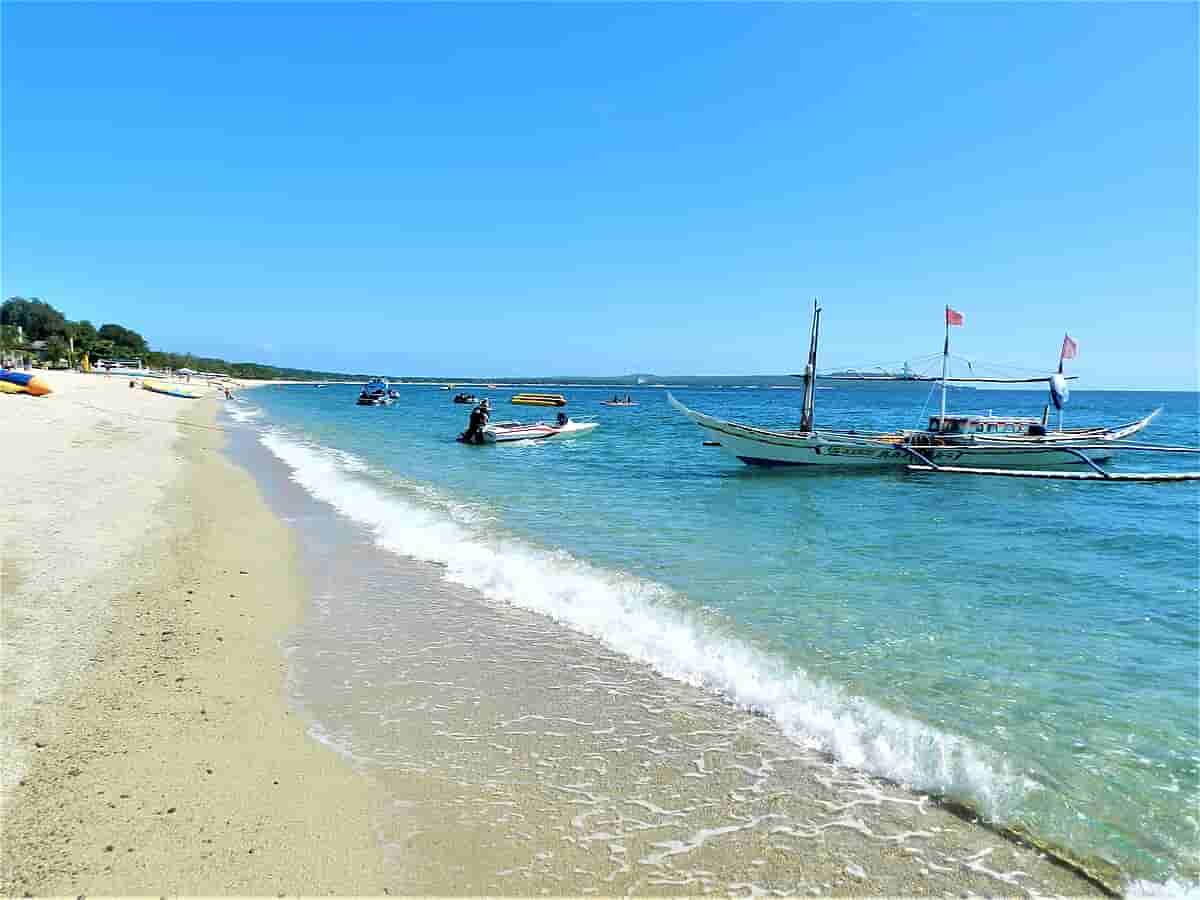
Laiya Beach
Picturesque white sand beach perfect for swimming, sunbathing, and water sports
Mt. Maculot
A mountain known for hiking trails and stunning views of Taal Lake.
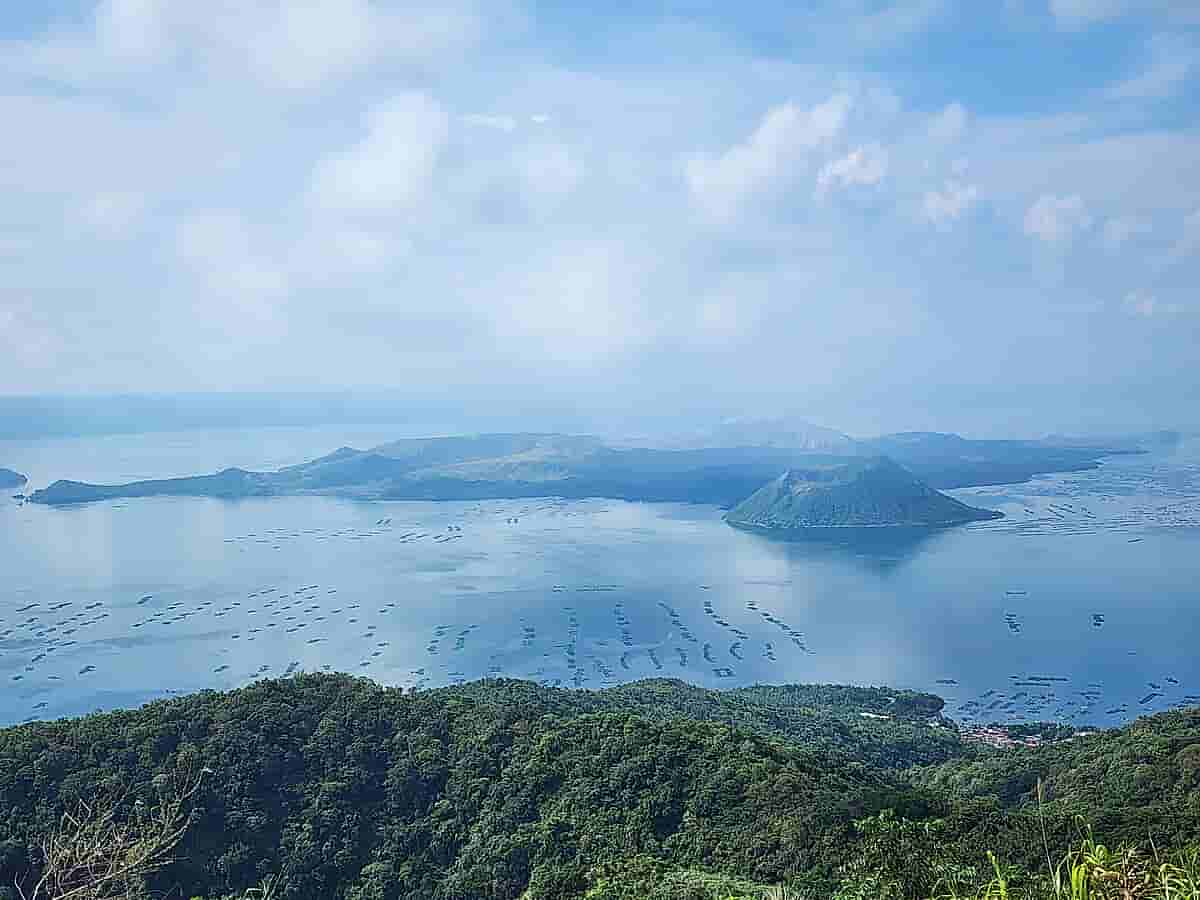
Taal Volcano
One of the world's smallest active volcanoes, offering breathtaking vistas and adventure
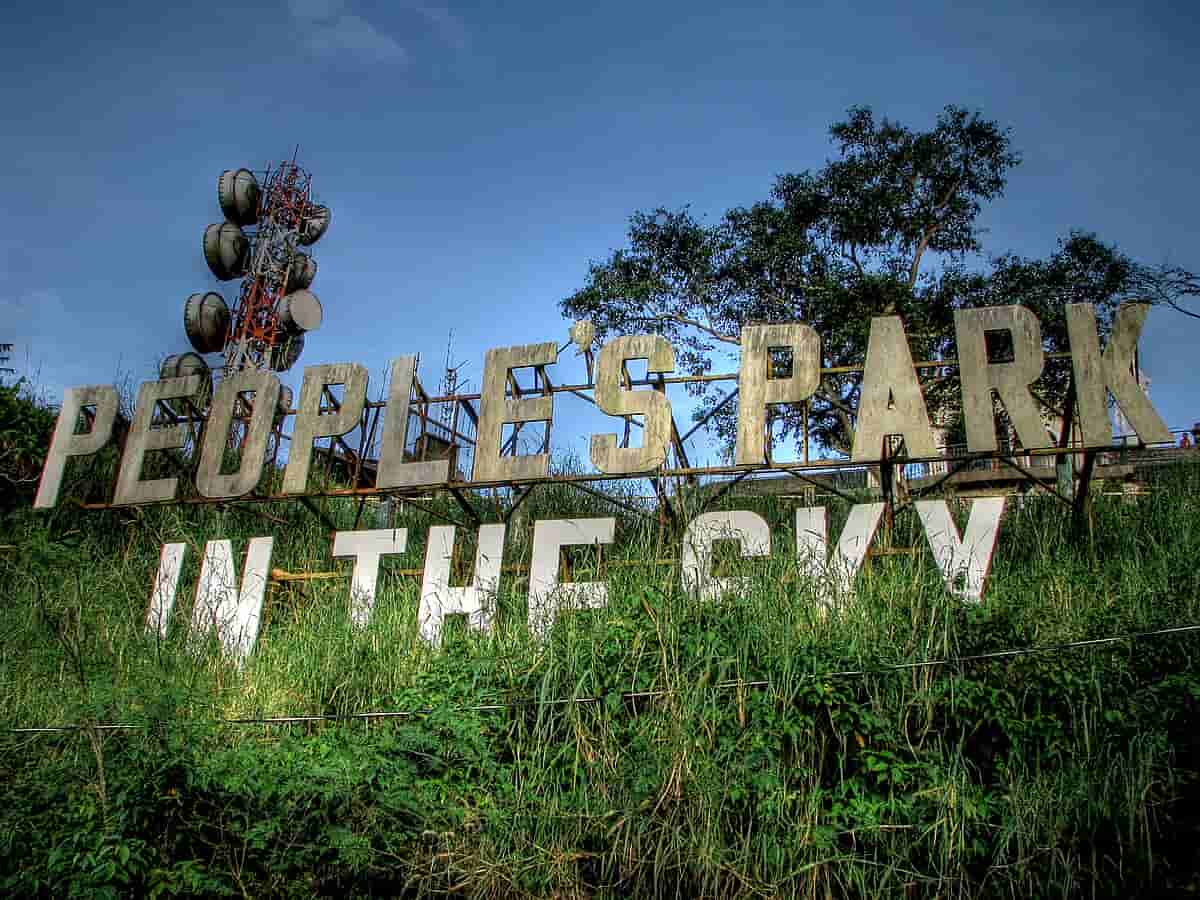
People's Park in the Sky
Park with gardens and panoramic views of Taal Lake.
Sky Ranch
Amusement park featuring a Ferris wheel and family rides.
Taal Lake
A large freshwater lake with the iconic Taal Volcano island at its center.
Matabungkay Beach
Long sandy beach popular for swimming, water sports, and weekend getaways.
Caleruega Church
A beautiful church and retreat center known for its scenic hillside location.
Pontefino Estates
Upscale residential community with manicured landscapes and amenities.
Punta de Santiago Beach
A serene beach ideal for relaxation and water activities.
Batangas City Port
A major port for ferry trips to nearby islands like Puerto Galera and Mindoro.
SM City Batangas
A large shopping mall with a wide variety of stores, dining, and entertainment.
🏘️ Neighborhoods
Batangas City Proper
The bustling urban and port center of the province. This is the main hub for transportation, commerce, and government. Offers a range of hotels, restaurants, and malls, with a more local, city feel.
Laiya (San Juan)
A long stretch of coastline famous for its white sand beaches and clear waters. Lined with numerous beach resorts ranging from simple to luxurious. The premier beach destination in Batangas.
Tagaytay Ridge
A cool, breezy city on a ridge overlooking Taal Volcano and Lake. Known for its panoramic views, restaurants, leisure parks (Sky Ranch, People's Park), and retreat centers.
Taal Town
A well-preserved heritage town full of Spanish colonial architecture, including the Taal Basilica and ancestral houses. Offers a deep dive into history, culture, and local crafts.
Nasugbu
A coastal municipality known for its upscale beach resorts (like Punta Fuego), golf courses, and the historic Caleruega Church. Offers a more exclusive and luxurious coastal experience.
Lipá City
Known as the 'Little Rome of the Philippines' for its many churches and religious sites. Also a major center for Barako coffee production and commerce.
Matabungkay (Lian)
A classic beach destination closer to Manila, known for its long stretch of gray sand and family-friendly resorts. A popular weekend getaway for locals.
Talísay (Taal Lake Area)
The lakeside town that serves as the main jump-off point for boat trips to Taal Volcano Island. Offers homestays, lakeside restaurants, and stunning views of the volcano.
🍽️ Local Cuisine
Batangas cuisine is hearty, flavorful, and a point of local pride. The province is famous for its beef, leading to signature dishes like 'Bulalo,' a rich and savory bone marrow beef shank soup, and 'Beef Tapa,' marinated and cured beef often served with garlic rice and egg. Another must-try is 'Lomi,' a thick, hearty noodle soup loaded with meat, vegetables, and a starchy sauce. For seafood, fresh catches are grilled or cooked in coconut milk ('ginataan') along the coastal areas. The province is also the heartland of 'Kapeng Barako,' a strong, aromatic liberica coffee variety, best enjoyed black. Dining is often a communal and casual affair. Popular food areas include the roadside eateries ('carinderias') along the highways, the seafood grills at beach resorts, and the restaurants in Tagaytay overlooking Taal Lake. Meals are very affordable: a local meal can cost $2-$5, mid-range restaurant dining $5-$15 per person, and fine dining in upscale Tagaytay resorts $20+. Etiquette is relaxed; it's customary to say 'po' and 'opo' (terms of respect) when speaking to servers and elders. Don't be shy to eat with your hands ('kamayan') when served a bountiful spread on banana leaves.
💡 Local Tips
🚗 Day Trip Ideas
Taal Volcano & Heritage Town
Trek the world's smallest active volcano on an island within Taal Lake, then explore the nearby Spanish colonial town of Taal with its basilica and ancestral houses.
Tagaytay City
Enjoy the cool climate, panoramic views of Taal Volcano, visit Sky Ranch or People's Park in the Sky, and dine at one of the many ridge-side restaurants.
Anilao (Mabini)
A world-renowned diving and snorkeling destination. Explore vibrant coral reefs and marine biodiversity, even as a beginner with a discovery dive.
Calatagan Beaches & Lighthouse
Visit the historic Cape Santiago Lighthouse and relax on the less crowded beaches of the Calatagan peninsula, like Stilts Calatagan.
Lipa City Coffee Tour
Discover the coffee capital of the Philippines. Visit coffee farms, learn about Barako coffee production, and see the city's impressive churches.
Puerto Galera (Oriental Mindoro)
Take a fast ferry from Batangas Port to this famous island destination for a day of beach hopping, snorkeling, and island life.
🛡️ Safety Tips
Batangas is generally safe for tourists, with common-sense precautions advised. Petty crime like pickpocketing can occur in crowded markets or bus terminals, so keep valuables secure and be mindful of your belongings. When traveling to remote beaches or hiking trails, go with a guide or in a group. Be cautious of overly friendly strangers offering tours or deals; always book activities through reputable operators. When visiting Taal Volcano, heed all warnings from authorities, as volcanic activity can change. Traffic can be chaotic; exercise extreme caution when crossing streets. For emergencies, dial 117 for police or 911 for general emergency response. Health-wise, drink bottled or purified water. Use mosquito repellent, especially in rural and lakeside areas, to prevent dengue. Ensure your routine vaccinations are up to date. Medical facilities are adequate in Batangas City and Tagaytay, but serious conditions may require transfer to Manila.
💰 Budget Guide
Batangas can cater to a wide range of budgets. A budget traveler can manage on $25-$40 per day: staying in hostels or basic lodges ($10-$20/night), eating at local carinderias ($2-$5 per meal), using public transport ($2-$5 daily), and enjoying free or low-cost activities like public beaches or town walks. Mid-range travelers should budget $60-$120 per day: for comfortable hotel or resort rooms ($40-$80/night), meals at casual restaurants ($5-$15 per meal), occasional taxis or van rentals, and paid tours like island hopping or Taal Volcano treks ($15-$30). A luxury experience costs $150+ per day, covering high-end beach resorts or boutique hotels ($100+/night), fine dining, private car transfers, and exclusive tours. Money-saving tips: Travel during the wet season (off-peak) for lower accommodation rates. Eat where the locals eat. Use jeepneys and buses for inter-town travel. Book tours directly with local operators or through your accommodation. Look for accommodation with kitchenettes to prepare some meals. Many natural attractions, like beaches and viewpoints, have minimal or no entrance fees.