Welcome to Basco
Perched on the northernmost edge of the Philippine archipelago, Basco is not just a town; it's a breathtaking gateway to the windswept, emerald-green landscapes of Batanes. As the capital of the country's smallest province, this coastal settlement offers a profound sense of place, where the Pacific Ocean and the South China Sea converge in a dramatic display of nature's power. Basco is a world apart from the typical tropical hustle, defined by rolling hills, stone-walled fields, and a resilient Ivatan culture shaped by typhoons. Its compact size belies its immense scenic wealth, with a dramatic coastline, a dormant volcano, and iconic lighthouses. With a focus on intimate, authentic experiences rather than sprawling resorts, the town offers a cozy selection of 12 hotels, ensuring your stay is personal and connected to the local rhythm. A day here feels like a deep breath of the freshest air, an immersion into a slower, more intentional way of life at the edge of the map.
Overview
Basco serves as the provincial capital and main gateway to Batanes, an archipelago of ten islands. Founded as a Spanish outpost in 1783 and named after Spanish Governor-General José Basco y Vargas, its history is etched in the stone houses (known as *stonehouses* or *jin-jin*) built to withstand the fierce typhoons. The town is the cultural and administrative heart of the Ivatan people, whose unique language, traditions, and stone-age heritage are proudly preserved. Basco is famous for its stunning, untouched landscapes: the postcard-perfect Basco Lighthouse standing sentinel on Naidi Hills, the surreal pebble-strewn expanse of Valugan Boulder Beach, and the challenging climb up the forested slopes of Mount Iraya. The town center is compact and walkable, centered around the town plaza, the historic San Carlos Borromeo Church, and the Ivatan-inspired Provincial Capitol. Life here moves with the weather, and the community's deep connection to the land and sea is palpable in every corner, from the meticulously maintained hedgerows to the vibrant weekly market.
🗓️ Best Time to Visit
The best time to visit Basco is during the dry season, from March to June. This period offers the most stable weather, with sunny skies, calm seas ideal for island-hopping, and minimal rainfall, making it perfect for hiking and outdoor photography. The peak tourist season falls within these months, especially around Holy Week and summer vacations, so advance bookings are essential. July to October is the typhoon season, characterized by frequent heavy rains, strong winds, and potential flight cancellations; this is the off-peak season, with fewer tourists but significant travel risks. November to February brings the *amihan* (northeast monsoon), with cooler temperatures, occasional showers, and consistently strong winds that define the Ivatan landscape. While not as reliably dry as summer, this period offers dramatic skies and a truly authentic experience of Batanes' famed winds. Major local events like the *Vakul-Kanayi Festival* in June celebrate Ivatan culture and are a highlight for cultural immersion.
🌤️ Weather & Climate
Basco has a tropical rainforest climate moderated by the ocean and frequent winds. It experiences two main seasons: a dry, warm period and a very wet, typhoon-influenced season. Temperatures are relatively stable year-round, but wind and rainfall vary dramatically.
Seasons
Dry Season
💨 Humidity: moderate
Sunniest and most stable weather. Ideal for all outdoor activities, hiking, and island-hopping. Calm seas and warm days.
Typhoon Season
💨 Humidity: high
Heavy rainfall, strong winds, and high risk of typhoons. Frequent flight cancellations. Lush green landscapes but significant travel disruptions.
Amihan (Cool Winds) Season
💨 Humidity: moderate
Cooler temperatures with constant strong northeast winds. Occasional showers. Dramatic skies and rough seas, less ideal for boat trips.
Monthly Weather Details
January Weather
Best for: sightseeing, cultural tours
February Weather
Best for: sightseeing, hiking
March Weather
Best for: hiking, photography
April Weather
Best for: beach, hiking, island-hopping
May Weather
Best for: all outdoor activities
June Weather
Best for: festivals, outdoor activities
July Weather
Best for: indoor cultural activities
August Weather
Best for: indoor cultural activities
September Weather
Best for: indoor cultural activities
October Weather
Best for: indoor cultural activities
November Weather
Best for: sightseeing, hiking
December Weather
Best for: sightseeing, cultural tours
🎒 What to Pack
All Year Round
- windbreaker/rain jacket
- sturdy walking shoes
- sunscreen
- hat
- reusable water bottle
🚗 Getting Around
Getting around Basco and Batan Island is an adventure in simplicity. There is no formal public transportation system like buses. The primary modes are rented motorcycles or bicycles, which offer freedom to explore the scenic coastal and hill roads at your own pace. Motorcycle rentals cost around $10-$15 per day. For groups or those less comfortable on two wheels, hiring a tricycle (the local motorized rickshaw) for a half-day or full-day tour is the most common and convenient option, with negotiated rates typically ranging from $20 to $40. Walking is entirely feasible within Basco proper. Taxis and ride-sharing apps do not exist here. From Basco Airport, the only airport in Batanes, most hotels arrange pick-up transfers, or you can easily hire a tricycle waiting outside the terminal for a short 5-minute ride into town for about $2-$3. Always confirm fares before departure.
🎯 Top Attractions
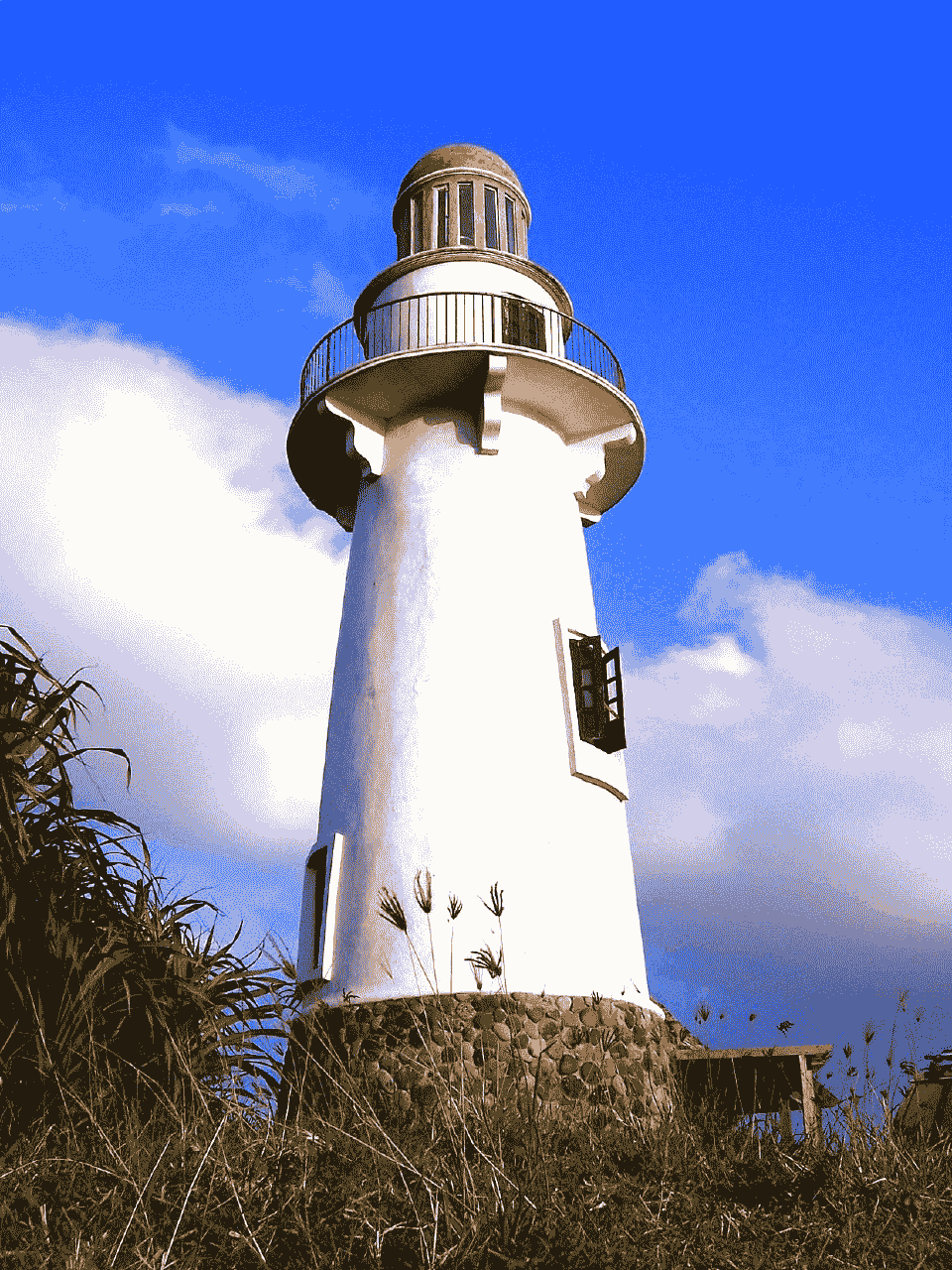
Basco Lighthouse
A picturesque lighthouse providing stunning coastal views, especially at sunset.
Valugan Boulder Beach
A unique shoreline covered with large, smooth boulders from volcanic eruptions.
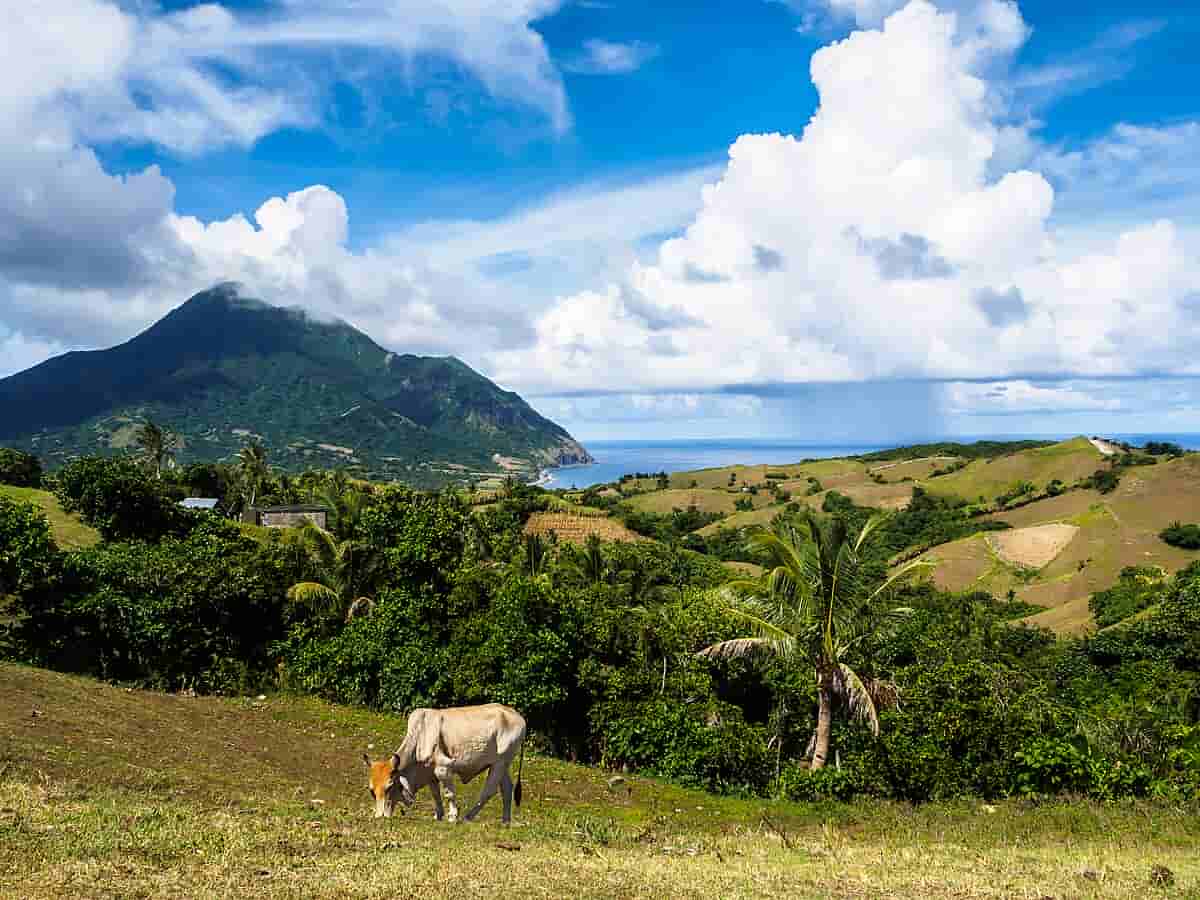
Mount Iraya
A dormant volcano offering challenging hikes and panoramic views of Batanes.
Mt. Iraya
Volcano offering challenging hikes and scenic vistas
🏘️ Neighborhoods
Town Center
The heart of Basco, home to the plaza, San Carlos Church, government buildings, and most restaurants and shops. Compact and very walkable.
Naidi Hills
A scenic residential area on rolling hills overlooking the sea. Features the iconic Basco Lighthouse and offers stunning panoramic views.
Chanarian
A coastal area south of the town center, known for its proximity to Valugan Boulder Beach and quieter, more spread-out accommodations.
Kayvaluganan
Located near the airport, this area offers easy airport access and views of the runway and coastline. A mix of local homes and some guesthouses.
San Antonio
A northern coastal neighborhood offering a local residential feel, closer to the fishing port and views of Mount Iraya.
Iraya Foothills
The area leading towards the base of Mount Iraya. Lush, green, and remote, ideal for those seeking solitude and direct access to hiking trails.
🍽️ Local Cuisine
Ivatan cuisine in Basco is a testament to resilience, featuring hearty, preserved foods designed to last through stormy seasons. Signature dishes are must-tries: *Uved* (dried pork or beef), *Vunes* (dried gabi or taro stalks), and the iconic *Lunuis* (cured beef). Seafood is incredibly fresh, with lobster, coconut crab (*tatus*), and flying fish (*dibang*) often grilled or steamed. Don't miss *Uvud* balls (minced meat and banana pith) and *Vakay* (yellow ginger tea). Dining is casual, with small, family-run eateries and carinderias offering the most authentic meals. Popular spots are clustered around the town center and market. A hearty local meal can cost as little as $3-$5, while a seafood feast at a nicer restaurant may range from $10-$20 per person. Etiquette is simple and respectful; using hands to eat is common for certain dishes. Always try the local turmeric rice.
💡 Local Tips
🚗 Day Trip Ideas
Sabtang Island
A short boat ride to a UNESCO-nominated island with traditional stone houses, stunning cliffs, and authentic Ivatan villages like Savidug and Chavayan.
Itbayat Island
For the adventurous, a longer boat trip to the Philippines' northernmost inhabited island, known for its dramatic cliffs, caves, and unique topography.
South Batan Tour
Explore the southern part of Batan Island, including the towns of Ivana, Uyugan, and Mahatao. Highlights are Racuh a Payaman (Marlboro Hills), Honesty Coffee Shop, and Spanish-era bridges.
North Batan Loop
A scenic loop from Basco covering Valugan Boulder Beach, Tukon Church (Mt. Carmel Chapel), Dipnaysupuan Japanese Tunnel, and the rolling hills of Vayang.
Mount Iraya Summit Hike
A challenging trek through lush forest to the summit of Batan's dormant volcano for breathtaking 360-degree views of the islands. Requires a guide.
Chadpidan Boulder Beach & Nakabuang Arch
Visit the less-crowded western coast for Chadpidan's dramatic boulder formations and the natural stone arch of Nakabuang on Sabtang (included in island tour).
🛡️ Safety Tips
Basco is exceptionally safe with very low crime rates. The primary risks are environmental. Always heed typhoon warnings and be prepared for flight delays or cancellations, especially from July to October. When hiking Mount Iraya, hire a local guide and inform your accommodation of your plans. Be cautious on coastal roads and cliffs, as paths can be slippery and winds are strong. There are no common scams targeting tourists. Emergency numbers are 911 (national emergency) and the local police. For health, bring motion sickness medication for boat trips and any personal prescriptions, as pharmacy selection is limited. Tap water is not potable; drink only bottled or purified water. Respect local customs and always ask permission before entering private property or taking photos of people.
💰 Budget Guide
Basco can be experienced on a range of budgets, though costs are higher than mainland Philippines due to its remoteness. Budget travelers can manage on $40-$50 per day: staying in basic guesthouses ($15-$25/night), eating at carinderias ($3-$5 per meal), and using bicycles for transport. Mid-range budgets of $70-$100 per day allow for comfortable hotel stays (around the $65 average), nicer restaurant meals ($8-$15), and hired tricycle tours. Luxury spending over $120/day includes the best boutique hotels, private guided tours, and seafood feasts. Major costs are tours/transport and accommodation. Save money by traveling in a small group to split tricycle costs, eating local food, booking flights and hotels well in advance, and bringing cash (credit card acceptance is limited). Many natural attractions are free.