Welcome to Banten
Banten, a province on the western tip of Java, Indonesia, is a land where history, industry, and raw natural power converge. While often overlooked by travelers racing to Jakarta or Bali, Banten offers a compelling, compact adventure rich with contrasts. Here, the serene spirituality of ancient mosques stands in the shadow of modern steel factories, and palm-fringed beaches lead to the untamed wilderness of a UNESCO World Heritage site. The region serves as a gateway to the legendary Krakatoa volcano and protects the endangered Javan rhinoceros in its pristine national park. With a well-developed infrastructure for visitors, including 41 hotels averaging around $97 per night, Banten is perfectly suited for an immersive one-day exploration or a short, focused getaway. It's a destination that rewards the curious traveler with stories of sultanates, the roar of the ocean, and the quiet dignity of a culture shaped by trade and tradition.
Overview
Banten's history is etched into its very foundations. Once a powerful Islamic sultanate and a major pepper-trading port that rivaled Malacca, its legacy is embodied by the majestic Banten Great Mosque, a 16th-century architectural marvel. The province's capital, Serang, is the administrative and cultural heart, while Cilegon is the bustling industrial center, home to the massive Krakatau Steel complex. Banten is famously the launching point for expeditions to the awe-inspiring Anak Krakatau (Child of Krakatoa), the active volcano that emerged from the cataclysm of 1883. It is equally renowned for the Ujung Kulon National Park, the last refuge of the critically endangered Javan rhino. Culturally, Banten is a blend of Javanese, Sundanese, and Bantenese traditions, with a strong Islamic influence evident in its daily life and festivals. From the relaxed coastal vibe of Anyer to the urban energy of its city centers, Banten presents a multifaceted portrait of modern Indonesia.
🗓️ Best Time to Visit
The best time to visit Banten is during the dry season, from May to September, when rainfall is lowest and skies are generally clear. This period offers ideal conditions for beach activities in Anyer, trekking, and boat trips to see Krakatoa. The weather is consistently warm and humid year-round. The wet season, from October to April, brings heavier, more frequent rains, which can disrupt outdoor plans and make some rural or park areas more challenging to access. There is no true off-peak season for tourism, but weekdays outside of major Indonesian holidays will be less crowded. Major events include the annual Banten Festival, usually held around October, showcasing local culture, and various Islamic holidays celebrated with community gatherings, especially around the historic Great Mosque. For optimal comfort and accessibility, plan your visit in the heart of the dry season.
🌤️ Weather & Climate
Banten has a tropical rainforest climate with consistently high temperatures and humidity year-round. The year is divided into a distinct wet season and a drier season, with rainfall being the primary variable.
Seasons
Wet Season
💨 Humidity: high
Expect frequent, heavy afternoon downpours and high humidity. Outdoor activities can be disrupted, but rain is often short-lived.
Dry Season
💨 Humidity: moderate
Sunny and hot days with significantly less rainfall. This is the ideal time for beach visits, hiking, and volcano tours.
Monthly Weather Details
January Weather
Best for: cultural sightseeing, indoor visits
February Weather
Best for: cultural sightseeing, indoor visits
March Weather
Best for: mixed activities
April Weather
Best for: mixed activities
May Weather
Best for: beach, outdoor adventures
June Weather
Best for: beach, outdoor adventures
July Weather
Best for: beach, outdoor adventures
August Weather
Best for: beach, outdoor adventures
September Weather
Best for: beach, outdoor adventures
October Weather
Best for: mixed activities
November Weather
Best for: cultural sightseeing
December Weather
Best for: cultural sightseeing
🎒 What to Pack
All Year Round
- lightweight clothing
- rain jacket or umbrella
- sun hat
- sunscreen
- insect repellent
- comfortable walking shoes
- reusable water bottle
🚗 Getting Around
Getting around Banten requires a mix of transportation modes. There is no comprehensive public transit system, so ride-hailing apps like Gojek and Grab are the most convenient and affordable options for short to medium distances within cities like Serang and Cilegon, costing just a few dollars per trip. Traditional angkot (public minivans) follow set routes but can be confusing for newcomers. Metered taxis are available but less common. For exploring attractions like Anyer Beach or traveling between cities, renting a car with a driver is highly recommended for flexibility and ease. Walking is pleasant in specific areas like Alun Alun Kota Serang or beachfront paths, but not for cross-city travel. Soekarno-Hatta International Airport (CGK) in Jakarta is the main gateway; the transfer to Serang takes about 1.5-2 hours by pre-booked car or taxi, costing approximately $30-$50.
🎯 Top Attractions
Citraland Puri Serang
A residential and commercial area with shops and cafes.
Serang City Center
The main commercial and administrative area of Serang.
Banten Great Mosque
A historical mosque with significant cultural heritage.
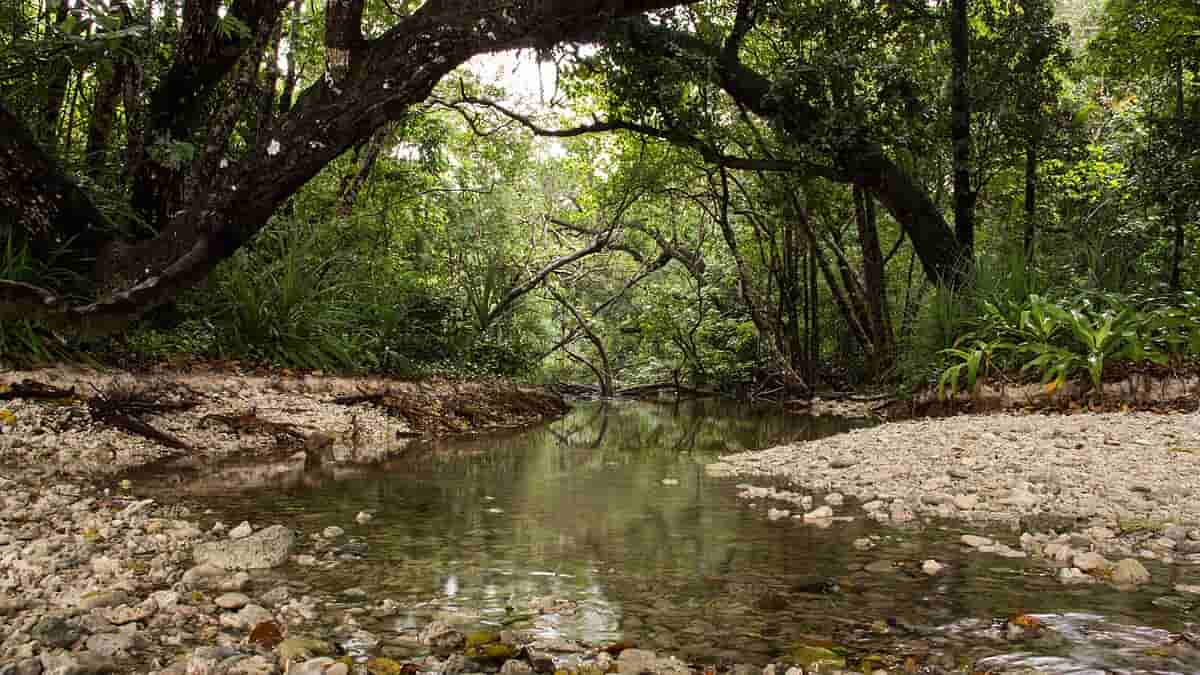
Ujung Kulon National Park
A UNESCO World Heritage site, home to the endangered Javan rhinoceros and pristine rainforest.
Anyer Beach
A long stretch of beach on the Sunda Strait, popular for resorts and views of Krakatoa.
Mount Krakatoa
Famous volcanic island accessible by boat.
Cilegon City Center
The main commercial and shopping area of Cilegon.
Krakatau Steel Monument
A monument representing the local steel industry.
Krakatoa Steel Factory
One of the largest steel plants in Indonesia, of industrial interest.
Alun Alun Kota Serang
The central town square of Serang, a social and cultural hub.
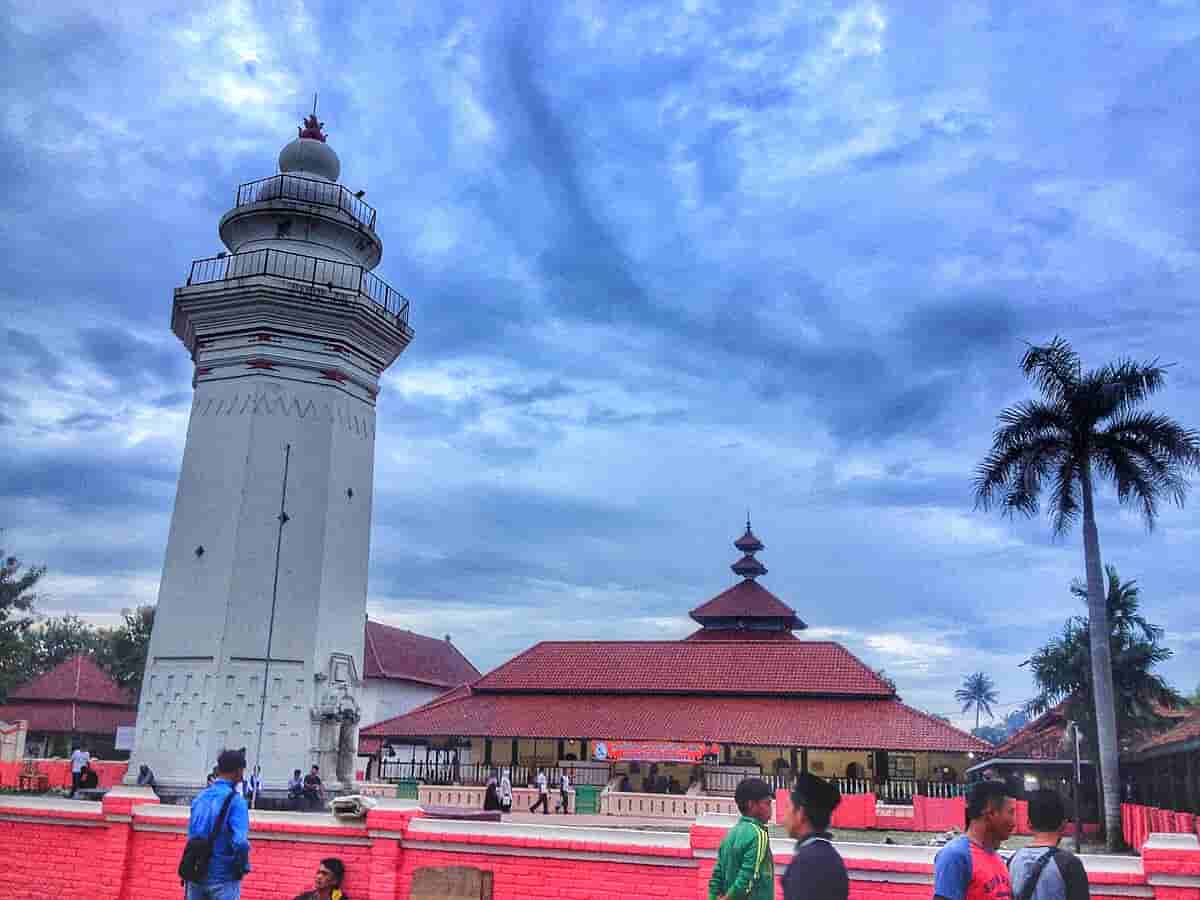
Great Mosque of Banten
One of the oldest mosques in Indonesia with a unique five-tiered roof.
Surosowan Palace
The ruins of the former royal palace of Banten.
🏘️ Neighborhoods
Serang City Center
The administrative and cultural capital, home to the historic Banten Great Mosque, government offices, and the main city square (Alun Alun). A hub of local activity.
Cilegon City Center
The bustling industrial heart of Banten, dominated by the Krakatau Steel complex. Offers practical amenities, shopping, and a glimpse into modern Indonesia's industry.
Anyer
A popular coastal resort area with a long black-sand beach, lined with hotels, seafood restaurants, and water sports operators. The traditional lighthouse is a key landmark.
Citraland Puri Serang
A modern, planned residential and commercial development on the outskirts of Serang. Features newer hotels, restaurants, and a more suburban, orderly atmosphere.
Ujung Kulon Peninsula
The remote, pristine gateway to the national park. Not a town but an area of rustic accommodations and jungle lodges used as bases for wildlife and nature tours.
Kasemen
The historical core of old Banten, near the Great Mosque and ancient ruins of the Surosowan Palace. An area steeped in the legacy of the Banten Sultanate.
🍽️ Local Cuisine
Bantenese cuisine is a flavorful testament to its coastal and cultural heritage, known for its fresh seafood and spicy, coconut-rich dishes. Must-try specialties include Sate Bandeng (deboned milkfish satay), a unique and delicious local invention, and Rabeg, a hearty goat or beef stew with distinct spices. Seafood is king along the coast, with grilled fish, squid, and prawns served at simple warung (eateries) on Anyer Beach. For a quick snack, try Emping (melinjo nut crackers) or Kue Cucur (palm sugar pancake). Dining is casual and communal. Popular food areas are found in city centers like Serang and along the beach roads. A meal at a local warung can cost as little as $2-$5, while a mid-range restaurant may charge $10-$20 per person. Etiquette is relaxed; using your right hand to eat is customary, and it's polite to try a bit of everything offered.
💡 Local Tips
🚗 Day Trip Ideas
Ujung Kulon National Park
A full-day wildlife adventure to this UNESCO site, home to Javan rhinos, jungle trekking, and pristine beaches. Requires a guide and boat.
Anyer Beach & Krakatoa Viewpoint
Relax on the famous black-sand beach, visit the historic lighthouse, and take a boat tour for views of the legendary Anak Krakatau volcano.
Old Banten Historical Site
Explore the ruins of the Surosowan Palace, the ancient Chinese temple, and the magnificent 16th-century Banten Great Mosque.
Cilegon Industrial Tour
A unique look at modern Indonesia with visits to the Krakatau Steel Monument and the surrounding industrial area, contrasting with the region's history.
Pulau Dua Bird Sanctuary
A boat trip to this small island sanctuary near Serang, a haven for migratory birds, ideal for birdwatchers and nature photographers.
Baduy Indigenous Village
A culturally immersive trip to the homeland of the isolated Baduy people, who maintain strict traditional ways. Requires permission and a guide.
🛡️ Safety Tips
Banten is generally safe for travelers, but standard precautions apply. Petty crime like pickpocketing can occur in crowded markets or bus stations, so keep valuables secure and be mindful of your belongings. Use reputable ride-hailing apps for transportation. When visiting remote natural areas like Ujung Kulon or boating near Krakatoa, always go with licensed, professional guides and operators, as conditions can change rapidly. Traffic can be chaotic; exercise extreme caution when crossing streets. Drink bottled water. Emergency numbers are 110 for police, 118 for ambulance, and 113 for fire. Health-wise, ensure routine vaccinations are up to date and consider hepatitis A and typhoid vaccines. Mosquito-borne illnesses like dengue are present, so consistent use of repellent is advised.
💰 Budget Guide
Banten can cater to various budgets, though it is not an ultra-budget destination due to the cost of guided tours and private transport. Budget travelers can manage on $30-$40 per day by staying in basic guesthouses ($15-$25), eating at local warung ($2-$5 per meal), using ride-hailing apps sparingly, and focusing on free attractions like beaches and city squares. Mid-range travelers spending $60-$100 per day can enjoy comfortable hotel rooms (around the $97 average), nicer restaurant meals, private car hire for day trips, and paid entrance fees to sites. A luxury budget of $150+ allows for premium beachfront resorts, fine dining, private guided tours to Ujung Kulon or Krakatoa (which can cost $100+ per person), and total convenience. Money-saving tips: Travel in a small group to split car and guide costs, eat local food, and avoid visiting during major Indonesian holidays when prices spike.