Welcome to Bandar Lampung
Nestled at the southern tip of Sumatra, Bandar Lampung is a vibrant, sprawling city that serves as the gateway to the island's untamed natural wonders. As the capital of Lampung province, it's a fascinating blend of urban energy and coastal charm, where the bustle of a major port meets the laid-back rhythms of island life. The city is your perfect basecamp for adventures, from exploring the legendary Krakatoa volcano to trekking through the elephant-rich jungles of Way Kambas. With a comfortable selection of 229 hotels catering to every traveler, finding a welcoming place to rest is effortless, whether you seek a luxurious resort overlooking the sea or a cozy budget-friendly guesthouse in the city center. Bandar Lampung may not be on every tourist's radar, and that's precisely its charm—offering an authentic, unvarnished look at Sumatran culture and some of Indonesia's most breathtaking landscapes right on its doorstep.
Overview
Bandar Lampung is a relatively young city, formed in the 1980s from the merger of the port town of Telukbetung and the administrative center of Tanjungkarang. This dual heritage is still evident in its layout and character. The city is the economic and cultural heart of Lampung province, famous for its rich tapestry of indigenous Lampung culture, visible in its traditional woven fabrics (tapis) and intricate architecture. It's primarily known as the jumping-off point for world-class natural attractions: the volcanic islands of Krakatoa, the pristine marine paradise of Pahawang Island, and the critically important Way Kambas National Park, a sanctuary for Sumatran elephants and rhinos. Within the city itself, districts like the Hajimena area offer glimpses of traditional villages, while the City Center pulses with modern Indonesian life, markets, and government buildings. It's a city of contrasts, where the call to prayer echoes between shopping malls, and the scent of the sea mingles with street food aromas.
🗓️ Best Time to Visit
The best time to visit Bandar Lampung is during the dry season, which typically runs from May to September. These months offer the most sunshine, lower humidity, and minimal rainfall, making it ideal for island hopping to Pahawang, wildlife spotting in Way Kambas, and exploring the city comfortably. The peak tourist season aligns with this period and Indonesian school holidays (June-July, December), so booking accommodations in advance is wise. The wet season lasts from October to April, with rainfall peaking from November to February. While travel is still possible, heavy rains can disrupt ferry services to the islands and make forest treks muddy. Major cultural events are spread throughout the year. The Krakatoa Festival, celebrating the region's history and culture, often occurs in August. Various Islamic holidays, like Eid al-Fitr, bring vibrant local celebrations but can mean crowded transport. Visiting during the shoulder months of April-May or September-October can offer a good balance of decent weather and fewer crowds.
🌤️ Weather & Climate
Bandar Lampung has a tropical rainforest climate with consistently high temperatures and humidity year-round. The year is divided into a wet season and a drier season, with rainfall being the primary variable.
Seasons
Wet Season
💨 Humidity: high
Expect frequent, heavy afternoon downpours and high humidity. Travel to islands may be disrupted, but landscapes are lush and green.
Dry Season
💨 Humidity: moderate
Sunny and less humid days prevail, with occasional short showers. This is the ideal time for outdoor activities, beach trips, and wildlife viewing.
Monthly Weather Details
January Weather
Best for: indoor activities, museum visits
February Weather
Best for: indoor activities, city exploration
March Weather
Best for: mixed activities, early dry season prep
April Weather
Best for: transition period, sightseeing
May Weather
Best for: beach trips, outdoor adventures
June Weather
Best for: island hopping, national park visits
July Weather
Best for: peak outdoor season, festivals
August Weather
Best for: peak outdoor season, festivals
September Weather
Best for: beach trips, outdoor adventures
October Weather
Best for: transition period, sightseeing
November Weather
Best for: indoor cultural activities
December Weather
Best for: indoor activities, city exploration
🎒 What to Pack
All Year Round
- lightweight, breathable clothing
- rain jacket or poncho
- sturdy sandals or walking shoes
- sun protection (hat, sunglasses, high-SPF sunscreen)
- insect repellent
- reusable water bottle
🚗 Getting Around
Navigating Bandar Lampung requires a mix of transport modes. The city lacks a formal bus network, so the primary public transport is the 'angkot' (angkutan kota), shared minivans that run on set routes. They are very cheap (around 5,000 IDR) but can be confusing for non-Indonesian speakers. For more convenience, ride-hailing apps like Gojek and Grab are ubiquitous and affordable for both car rides and motorcycle taxis (ojek). Traditional metered taxis are also available but ensure the meter is used. Walking is feasible in specific areas like City Square or certain market districts, but the city is spread out and not particularly pedestrian-friendly overall. Renting a car with a driver is a popular and cost-effective option for day trips to national parks or the harbor. For airport transfers, Rajabasa Airport is close to the city center; taxis and ride-hailing services are readily available for a short, inexpensive trip into town.
🎯 Top Attractions
Lampung Museum
Museum displaying cultural artifacts, traditional textiles, and historical exhibits of the region.
Pahawang Island
A popular island destination known for its clear waters, coral reefs, and snorkeling spots.
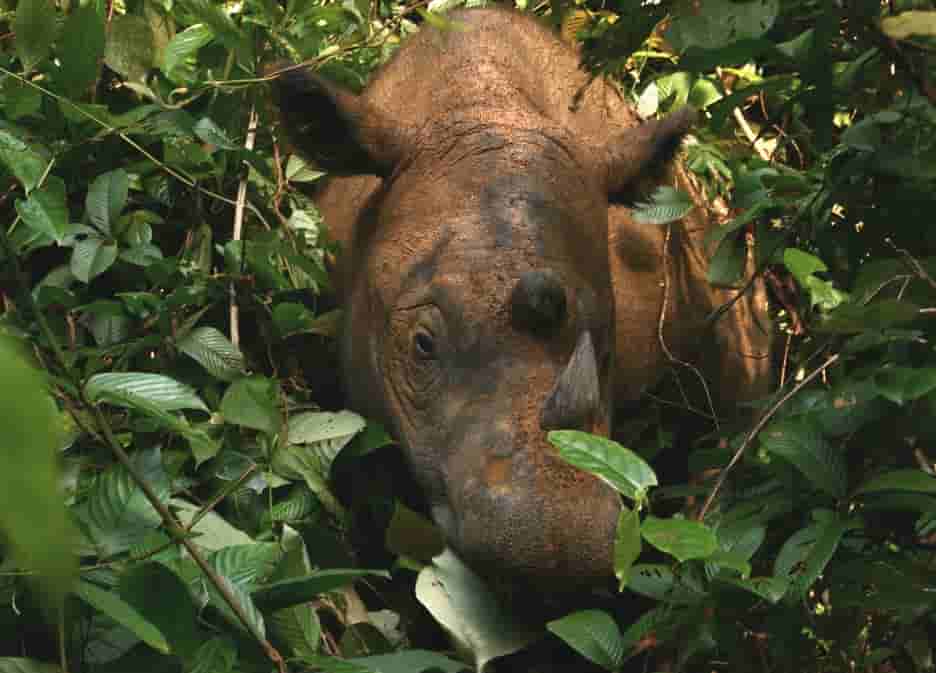
Way Kambas National Park
A national park famous for its elephant conservation center and diverse wildlife.
Hajimena Area
Local residential and commercial area.
Bandar Lampung City Center
The bustling downtown area with shopping, dining, and entertainment options.
Bandar Lampung City Park
Urban green space with walking paths, playground, and peaceful lake for relaxation and recreation.
Krakatoa Monument
A monument commemorating the volcanic eruption of Krakatoa, with educational displays.
Taman Merdeka Metro
A popular city park ideal for relaxation and family outings.
Pasar Seni Enggal
Art market offering local crafts, souvenirs, and traditional items.
Bandar Lampung City Square
A central public space often used for events, with nearby shopping and dining options.
Pahoman Stadium
Multi-purpose stadium for sports and community events.
Tanjung Karang Beach
A local beach with calm waters and seafood stalls.
🏘️ Neighborhoods
City Center (Tanjungkarang)
The commercial and administrative heart, home to government buildings, banks, the main shopping street (Jalan Raden Intan), and a concentration of hotels and restaurants.
Telukbetung
The historic port area with a more local feel, featuring the Krakatoa Monument, older markets, and access to ferry terminals for island trips.
Rajabasa
A bustling district near the university and the airport, known for its dense population, affordable eateries, and vibrant street life.
Kemiling
A quieter, more residential suburb with greener spaces, popular for family homes and offering a retreat from the city bustle.
Hajimena Area
Located on the outskirts, this area is known for its traditional Lampung villages (pekon), handicraft centers, and cultural sites.
Sukarame
A developing area with newer housing complexes, some upscale dining options, and a more modern suburban vibe.
Enggal
Home to the famous Pasar Seni Enggal (art market), this district is a key destination for shoppers seeking authentic Lampung crafts and textiles.
🍽️ Local Cuisine
Bandar Lampung's cuisine is a hearty reflection of its coastal and Sumatran roots, characterized by bold, spicy flavors and fresh seafood. The signature dish is Seruit, a spicy fish dish where grilled or fried fish is flaked and mixed with a chili-based sambal terasi (shrimp paste chili) and tempoyak (fermented durian), served with rice and fresh vegetables. Other must-tries include Gulai Taboh, a rich curry made with unripe jackfruit, and Pempek, though originating from Palembang, is found everywhere here. Seafood is king—visit waterfront warungs (small local eateries) for grilled fish, squid, and crabs at very reasonable prices. The Hajimena area and Pasar Seni Enggal (Enggal Art Market) are excellent spots to sample local fare. Dining is casual and communal. Meals are often eaten with your right hand. Price ranges are wide: a fantastic meal at a street stall can cost under $3, while a sit-down restaurant meal might be $5-$15. Don't miss trying Lampung coffee, known for its strong, earthy flavor.
💡 Local Tips
🚗 Day Trip Ideas
Pahawang Island
A stunning island paradise known for its crystal-clear waters, white sand beaches, and excellent snorkeling spots with vibrant coral reefs.
Way Kambas National Park
A renowned elephant conservation park where you can see Sumatran elephants, possibly take a jungle trek, and visit the Elephant Conservation Center.
Krakatoa (Anak Krakatau) Viewing
Take a boat tour from Carita or any nearby port to view the active volcanic island of Anak Krakatau, child of the legendary Krakatoa. Note: Climbing is often restricted due to activity.
Taman Merdeka Metro
A pleasant city park and recreational area in the quieter city of Metro, featuring a large lake, paddle boats, and family-friendly attractions.
Kiluan Bay
Famous for its frequent sightings of large pods of wild dolphins, offering a chance for an early morning dolphin-watching boat tour in a beautiful bay setting.
Badak Sumatra Sanctuary (SRS)
Located within Way Kambas, this is a critical conservation facility dedicated to the breeding and protection of the critically endangered Sumatran rhinoceros. Visits may require special permission.
🛡️ Safety Tips
Bandar Lampung is generally safe for travelers, with standard precautions advised. Petty crime like pickpocketing can occur in crowded markets and bus stations, so keep valuables secure and be mindful of your belongings. Use reputable ride-hailing apps (Grab, Gojek) over unmarked taxis when possible. While violent crime against tourists is rare, it's wise to avoid isolated areas at night. Traffic is chaotic; exercise extreme caution when crossing streets. For emergencies, dial 110 for police, 118 for ambulance, and 113 for fire. Health-wise, drink only bottled or purified water. Mosquito-borne diseases like dengue fever are present, so use repellent. Ensure your routine vaccinations are up to date and consider hepatitis A and typhoid vaccines. Street food is generally safe if it's cooked fresh and hot; opt for busy stalls.
💰 Budget Guide
Bandar Lampung is an affordable destination. A budget traveler can manage on $25-$35 per day by staying in hostels or basic losmen ($10-$15/night), eating exclusively at warungs and street stalls ($5-$8/day), using angkot and ride-hailing bikes ($3-$5/day), and enjoying free or low-cost attractions like city parks and markets. A mid-range traveler spending $50-$80 per day can enjoy comfortable hotel rooms (around the $30-$50 average), dine in nicer local restaurants, use Grab cars frequently, and join guided day trips to nearby islands or Way Kambas. A luxury budget of $120+ per day affords stays in top hotels, fine dining, private car hire with a driver for flexible exploration, and exclusive tours. Money-saving tips: Travel with a group to split costs for drivers and boats to islands, eat where locals eat, negotiate for non-metered transport (but know approximate fares first), and visit national parks independently if you're adventurous (though a guide enhances the experience).