Welcome to Baishan
Nestled in the rugged embrace of Jilin Province, Baishan is not just a city but a gateway to one of China's most breathtaking natural wonders: the Changbai Mountain range. This frontier city, whose name translates poetically to 'White Mountain,' serves as the primary access point for adventurers, spiritual seekers, and nature lovers drawn to the legendary Changbai Mountain and its crown jewel, the volcanic Heaven Lake. Far from the relentless pace of China's coastal megacities, Baishan offers a profound sense of escape into pristine forests, thundering waterfalls, and geothermal wonders. The city itself hums with a quiet, practical energy, providing all the necessary amenities for explorers. With 57 hotels ranging from functional lodgings to comfortable resorts, visitors can find a suitable basecamp, averaging around $112 a night, before venturing into the wild. A recommended stay of one to two days is perfect for organizing your foray into the UNESCO biosphere reserve, making Baishan the essential, if understated, prologue to an unforgettable natural epic.
Overview
Baishan's identity is inextricably linked to Changbai Mountain, a sacred site in Manchu and Korean culture, revered as the birthplace of the Manchu people. The city's history is one of forestry, mining, and, increasingly, eco-tourism. It administers a vast area bordering North Korea, with the Yalu and Tumen rivers forming natural boundaries. Culturally, it sits at a fascinating crossroads, with significant Korean ethnic influences evident in its cuisine and community. While the urban center is a functional hub with districts like Hunjiang serving as the main administrative and commercial core, the city is famous not for metropolitan attractions but for its role as a launchpad. The surrounding region is a treasure trove of volcanic geology, featuring the magnificent Changbai Waterfall, the mysterious Underground Forest of solidified lava, and the serene Songhua River. Baishan Forest Park offers a more accessible taste of the region's dense woodlands. The city is fundamentally a service center for the Changbai Mountain National Nature Reserve, making it famous for unparalleled access to alpine landscapes, hot springs, and biodiversity.
🗓️ Best Time to Visit
The best time to visit Baishan is heavily dictated by your desired experience at Changbai Mountain. The peak season is summer (June to August) when the weather is mild (10-22°C/50-72°F), the mountain slopes are lush and green, and Heaven Lake is most likely to be free of ice and fog, offering stunning views. This is the ideal time for hiking and sightseeing. However, it is also the busiest and rainiest period. Autumn (September to early October) is a spectacular and less crowded shoulder season, with crisp air and brilliant fall foliage painting the mountains in reds and golds. Winter (November to March) is the off-peak season for general tourism but peak for winter sports enthusiasts. Changbai Mountain becomes a frozen wonderland, with the waterfall turning to ice and opportunities for skiing. Access to some mountain areas may be restricted due to heavy snow. Spring (April to May) is unpredictable, with melting snow and variable conditions, often considered the least ideal time to visit. Major events are scarce in the city itself, with focus on seasonal natural phenomena.
🌤️ Weather & Climate
Baishan experiences a temperate continental monsoon climate with long, bitterly cold winters and short, cool, rainy summers. The weather is significantly influenced by the high elevation of the surrounding Changbai Mountain range.
Seasons
Winter
💨 Humidity: low
Extremely cold and dry with heavy snowfall, especially in the mountains. Landscapes are frozen and pristine. Access to some natural attractions may be limited.
Spring
💨 Humidity: moderate
A short, unpredictable season with melting snow, rain, and fluctuating temperatures. Can be muddy. Not the most scenic time.
Summer
💨 Humidity: high
Cool and pleasant in the city, but rainy. The mountain areas are lush and green, but fog and rain can obscure views of Heaven Lake.
Autumn
💨 Humidity: low
Crisp, sunny days and cool nights. The most stable weather for clear mountain views and stunning fall foliage. Highly recommended.
Monthly Weather Details
January Weather
Best for: winter sports, frozen landscapes
February Weather
Best for: winter sports, frozen landscapes
March Weather
Best for: late winter scenery
April Weather
Best for: indoor activities
May Weather
Best for: early hiking, spring blooms
June Weather
Best for: hiking, sightseeing
July Weather
Best for: summer hiking (be prepared for rain)
August Weather
Best for: hiking, sightseeing
September Weather
Best for: optimal sightseeing, fall foliage
October Weather
Best for: fall foliage, photography
November Weather
Best for: early winter scenery
December Weather
Best for: winter sports
🎒 What to Pack
All Year Round
- passport/ID copies
- power adapter
- personal medication
- reusable water bottle
🚗 Getting Around
Getting around Baishan city proper is straightforward. The city has a network of public buses that connect major districts and the long-distance bus station, with fares being very inexpensive (around 1-2 RMB). Taxis are plentiful and affordable for intra-city travel; always ensure the meter is used. Ride-hailing apps like Didi are operational. However, the primary transportation challenge is reaching the Changbai Mountain scenic areas. Most visitors book tours or hire a private car/driver for the day from their hotel or a local agency, as the North Slope entrance is about a 2-hour drive from Baishan city. There are also tourist shuttle buses from the city's main bus station to the mountain during peak season. Walking is feasible within city neighborhoods, but biking is not common for tourists due to hilly terrain. The nearest major airport is Changbaishan Airport (NBS), about 30 minutes from the city center; airport taxis and pre-arranged hotel transfers are the best options.
🎯 Top Attractions
Changbai Mountain
A volcanic mountain with a stunning crater lake, hiking trails, and natural scenery.

Heaven Lake
A serene crater lake located at the summit of Changbai Mountain, often shrouded in mist.
Changbaishan Waterfall
A majestic waterfall cascading down the mountain, surrounded by pristine nature.
Changbaishan Volcano
An active volcano with a stunning crater lake, Heaven Lake, at its summit.
Underground Forest
A unique forest growing in a volcanic crater, accessible via wooden walkways.
Baishan Forest Park
Protected forest area with diverse flora and fauna, ideal for nature walks.
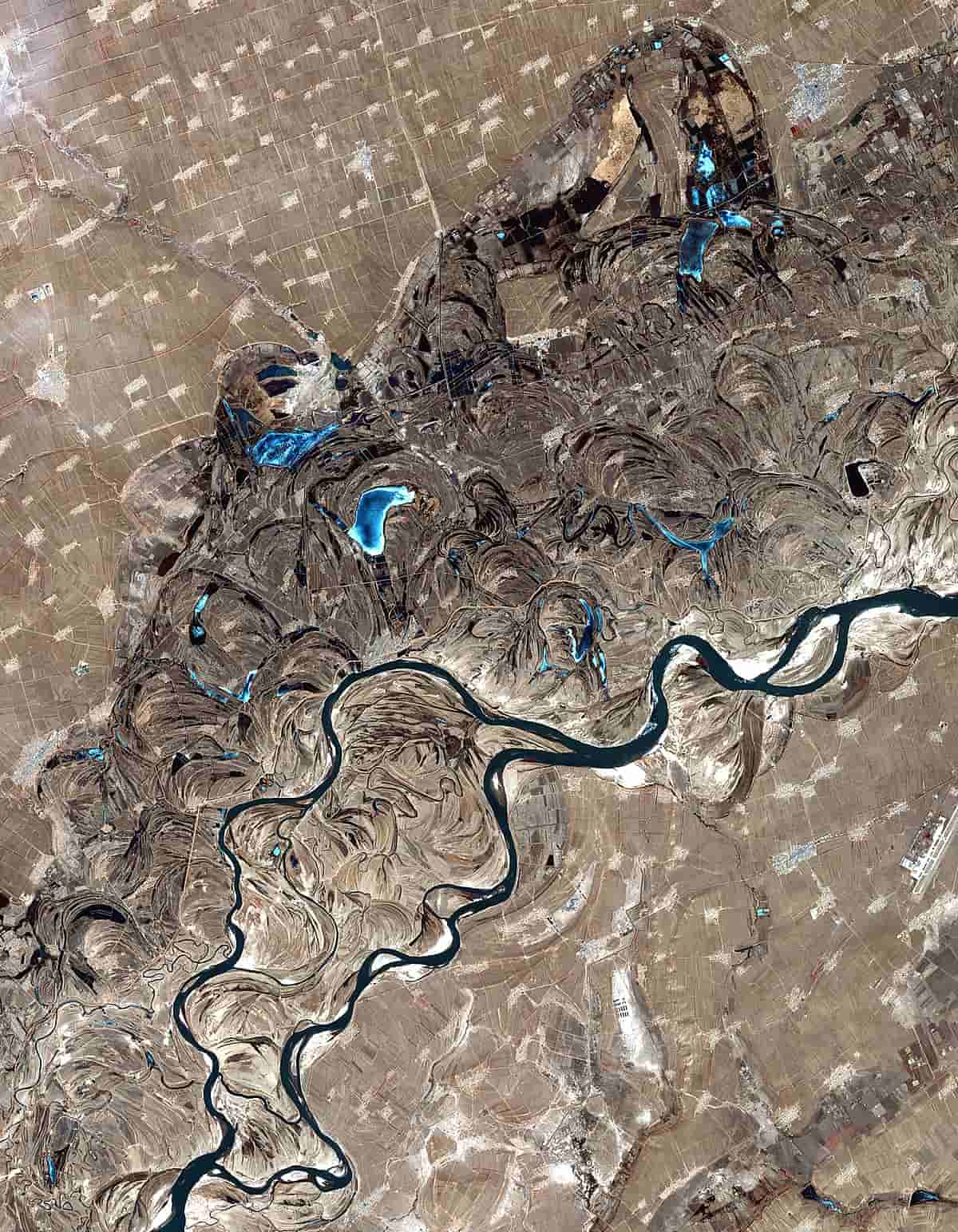
Songhua River
A major river offering boat tours, fishing, and scenic walks along its banks.
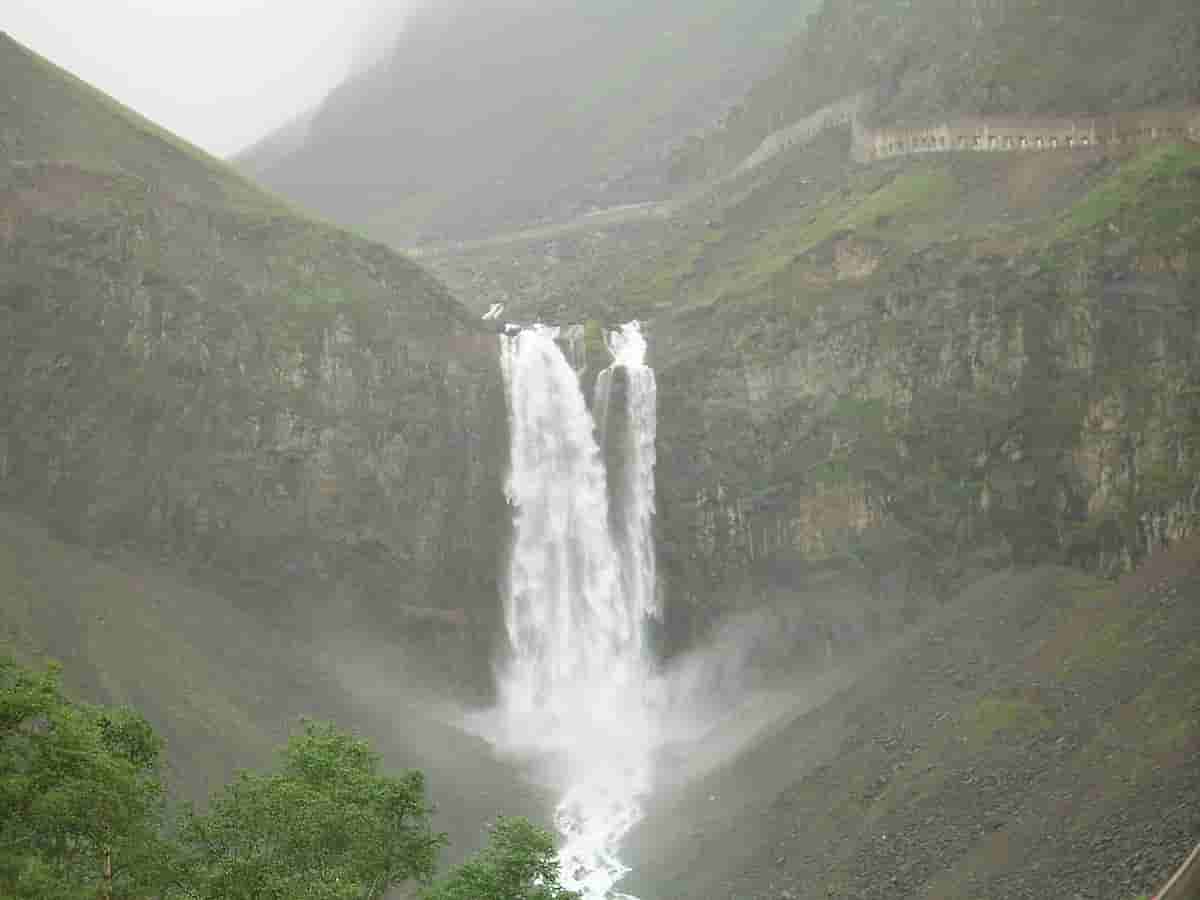
Changbai Waterfall
A majestic waterfall cascading down the mountain, accessible via scenic paths.

Shopping Mall
A large mall with international brands and dining options.

Business Park
An area with modern offices and corporate amenities.
City Park
A green space with walking paths and recreational facilities.
Changbaishan Ski Resort
Popular ski destination with slopes for all skill levels
🏘️ Neighborhoods
Hunjiang District (City Center)
The administrative and commercial heart of Baishan. Home to government buildings, main shopping areas, the long-distance bus station, and a concentration of the city's 57 hotels.
Badaojiang District
A more residential and industrial district, offering a local, authentic feel with fewer tourists. Close to the Songhua River.
Jiangyuan District
A developing area with newer infrastructure. Offers some modern housing and quieter accommodations away from the main bustle.
Fusong County Area
Not strictly a neighborhood of Baishan city but a crucial nearby county. It's closer to the West Slope of Changbai Mountain and known for its mineral water industry.
Erdao Baihe Town
The closest major settlement to the North Slope of Changbai Mountain, about 2 hours from Baishan city. Packed with hotels, restaurants, and tour agencies catering solely to mountain visitors.
Changbai Korean Autonomous County
A remote county under Baishan's administration, bordering North Korea along the Yalu River. Rich in Korean ethnic culture and frontier scenery.
🍽️ Local Cuisine
Baishan's cuisine is hearty, mountain-inspired fare with strong Korean ethnic influences due to its geographic and cultural proximity. Signature dishes revolve around wild foraged ingredients, river fish, and game. Must-try foods include 'Changbai Mountain Wild Mushroom Hotpot,' featuring locally foraged fungi; 'Iron Plate Deer Tendon,' a unique and savory delicacy; and Korean-style dishes like 'Naengmyeon' (cold buckwheat noodles) and 'Kimchi.' The dining culture is casual and focused on substance. Popular food areas are found around the city center and near major hotels, with many small, family-run restaurants. Price ranges are very reasonable: a hearty local meal can cost 30-60 RMB per person, while Korean barbecue or a nice hotpot might run 80-150 RMB. Etiquette is standard for northern China; sharing dishes family-style is common. Don't be shy to try the local wild berry wines and ginseng-infused liquors, which are regional specialties.
💡 Local Tips
🚗 Day Trip Ideas
Changbai Mountain North Slope Scenic Area
The classic day trip featuring Heaven Lake, Changbai Waterfall, Hot Springs, and the Underground Forest. Requires a full day.
Changbai Mountain West Slope Scenic Area
A less crowded alternative with a scenic hike up 1442 steps to Heaven Lake and views of the Jinjiang Grand Canyon.
Fusong County & Mineral Water Town
Visit the source of famous mineral water brands, explore the town, and enjoy local hot spring resorts.
Songhua River Rafting (in summer)
Experience scenic rafting on a calm section of the Songhua River, surrounded by forested mountains.
Baishan Forest Park
An easily accessible park within the city for a gentle hike, picnicking, and enjoying local flora without the long drive.
Changbai Korean Autonomous County
A long but culturally rich drive to the border area to experience Korean ethnic culture and the Yalu River frontier scenery.
🛡️ Safety Tips
Baishan is generally a very safe city with low crime rates. The primary safety concerns are environmental. When visiting Changbai Mountain, always stay on marked trails, heed weather warnings, and be prepared for rapid temperature drops, especially near Heaven Lake. Altitude sickness can be an issue for some visitors at the mountain peak. In the city, standard precautions apply: be aware of your belongings in crowded areas like bus stations. Scams are rare but be cautious of unofficial tour operators or drivers offering too-good-to-be-true deals to the mountain; book through reputable hotels or agencies. Emergency numbers are 110 for police, 120 for ambulance, and 119 for fire. Health-wise, tap water is not for drinking; stick to bottled water. Ensure you have adequate travel insurance that covers potential outdoor activities and emergency evacuation from remote mountain areas.
💰 Budget Guide
Baishan can cater to various budgets, with costs centered on the trip to Changbai Mountain. Budget travelers can manage on 250-400 RMB per day. This covers a bed in a budget hotel or hostel (150-250 RMB), local meals from small eateries (50 RMB), public bus fares (10 RMB), and a shared group tour to the mountain (varies, but can be 200+ RMB). Mid-range travelers spending 500-800 RMB per day can enjoy a comfortable 3-4 star hotel (300-500 RMB), nicer restaurant meals (100 RMB), taxi rides, and a private car hire or better-organized tour to the mountain. Luxury budgets of 1000+ RMB per day afford premium hotels or resort stays near the mountain, fine dining, and private guided tours with all-access passes. Money-saving tips: Visit in the shoulder seasons (autumn) for slightly lower accommodation rates. Eat where locals eat. Consider staying in the town of Erdao Baihe, closer to the mountain, to save on daily transport costs. Book mountain entrance tickets and transport in advance online if possible.