Welcome to Anyang
Nestled in the northern reaches of Henan province, Anyang is a city where the echoes of ancient China resonate through modern streets. As one of the Eight Great Ancient Capitals of China and the birthplace of Chinese archaeology, Anyang offers a profound journey into the cradle of Chinese civilization. The city is a captivating blend of profound historical significance and contemporary Chinese urban life, where millennia-old oracle bone inscriptions meet bustling shopping districts and serene public parks. With a comfortable infrastructure for travelers, including a selection of 207 hotels catering to various preferences, Anyang invites you to explore its layers of history without sacrificing modern convenience. Its unique appeal lies in its authenticity; this is not a museum-piece city but a living community built upon one of humanity's most important archaeological sites. From the solemn grounds of the Shang Dynasty ruins to the lively energy of ShuGuang Road, Anyang presents a compelling and often overlooked chapter in the story of China.
Overview
Anyang's claim to fame is its status as the last capital of the Shang Dynasty (c. 1600–1046 BCE), known as Yin. The UNESCO World Heritage Site of Yinxu, the ruins of this ancient capital, is the city's heart and soul. It was here that oracle bones—the earliest known form of Chinese writing—were discovered, fundamentally reshaping the understanding of early Chinese history. Today, the city is administratively divided into districts like Beiguan, Wenfeng, Yindu, and Long'an, with the city center around Wenfeng Pagoda serving as a modern hub. Culturally, Anyang is famous for the Yinxu Museum and its associated archaeological park, which preserves palaces, tombs, and workshops. Beyond its ancient roots, the city is a center for traditional crafts and hosts vibrant cultural festivals. It's a city that proudly wears its 3,000-year history while functioning as a dynamic regional center in Henan, offering visitors a deep, unfiltered look into China's foundational past.
🗓️ Best Time to Visit
The best times to visit Anyang are during the mild and pleasant shoulder seasons of spring (April to early June) and autumn (September to October). Spring brings blooming flowers and comfortable temperatures, perfect for exploring outdoor archaeological sites. Autumn offers clear, crisp air and fewer rain showers, ideal for sightseeing. Summers (July-August) can be hot, humid, and rainy, though this is when some local festivals may occur. Winters (December-February) are cold and dry, with occasional snowfall, which can provide a starkly beautiful backdrop to the historical sites but requires bundling up. The peak tourist season aligns with Chinese national holidays like Golden Week in October and the Spring Festival, when domestic travel surges. For a balance of good weather and manageable crowds, aim for late spring or early autumn.
🌤️ Weather & Climate
Anyang experiences a temperate continental monsoon climate with four distinct seasons. Summers are hot and rainy, while winters are cold, dry, and often windy. Spring and autumn are short but pleasant transitions.
Seasons
Spring
💨 Humidity: moderate
Mild and windy, with increasing warmth and occasional sandstorms in early spring. Ideal for outdoor exploration.
Summer
💨 Humidity: high
Hot, humid, and rainy, with July and August being the wettest months. Afternoon thunderstorms are common.
Autumn
💨 Humidity: moderate
Cool, crisp, and generally sunny. The most comfortable season for sightseeing, with beautiful foliage later in the season.
Winter
💨 Humidity: low
Cold, dry, and often windy, with occasional snowfall. Requires warm winter clothing, but skies are often clear.
Monthly Weather Details
January Weather
Best for: indoor museums, cultural sites
February Weather
Best for: indoor museums, cultural sites
March Weather
Best for: sightseeing, park visits
April Weather
Best for: sightseeing, outdoor activities
May Weather
Best for: sightseeing, outdoor activities
June Weather
Best for: early morning/late evening outings
July Weather
Best for: indoor museums, planning for rain
August Weather
Best for: indoor museums, planning for rain
September Weather
Best for: sightseeing, outdoor activities
October Weather
Best for: sightseeing, outdoor activities
November Weather
Best for: sightseeing, park visits
December Weather
Best for: indoor museums, cultural sites
🎒 What to Pack
All Year Round
- comfortable walking shoes
- power adapter
- personal toiletries
- copies of passport/visa
🚗 Getting Around
Getting around Anyang is straightforward and affordable. The city has an extensive public bus network that covers most attractions and neighborhoods; fares are typically 1-2 RMB per ride. Taxis are plentiful and inexpensive, with flag-down fares starting around 6-8 RMB. Ride-hailing apps like Didi are widely used and convenient. For the truly independent, bicycle-sharing systems (both docked and dockless) are popular for short trips within the city center and parks. The city is relatively walkable in its core areas, especially around the City Center and between sites like Wenfeng Pagoda and the shopping districts. Anyang does not have a metro system. For airport transfers, the nearest major airport is in Zhengzhou (Zhengzhou Xinzheng International Airport), about a 2-hour drive or train ride away; direct airport shuttle buses and high-speed trains to Anyang East Railway Station are available.
🎯 Top Attractions
Shuguang New Community Park
Community park with fitness equipment.
Anyang Yinxu Museum
UNESCO site featuring Shang Dynasty ruins and ancient oracle bone inscriptions.
ShuGuang Road Shopping Area
Local shopping street with various stores.
Yinxu Museum
A UNESCO World Heritage site showcasing ruins and artifacts from the Shang Dynasty.
Anyang City Center
The bustling downtown area with shopping centers, restaurants, and cultural landmarks.
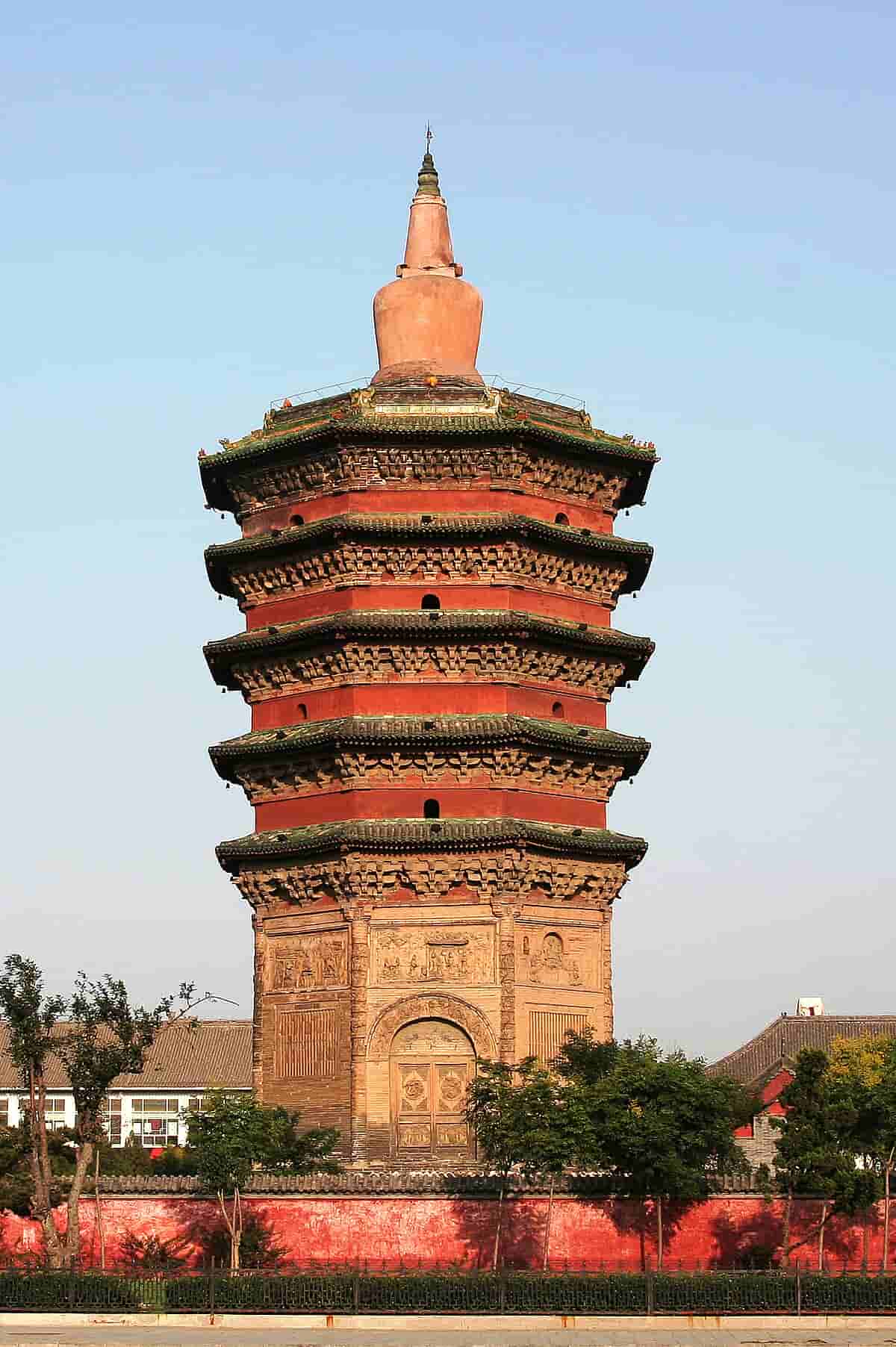
Wenfeng Pagoda
A historic pagoda offering views over Anyang, symbolizing the 'City of Characters'.
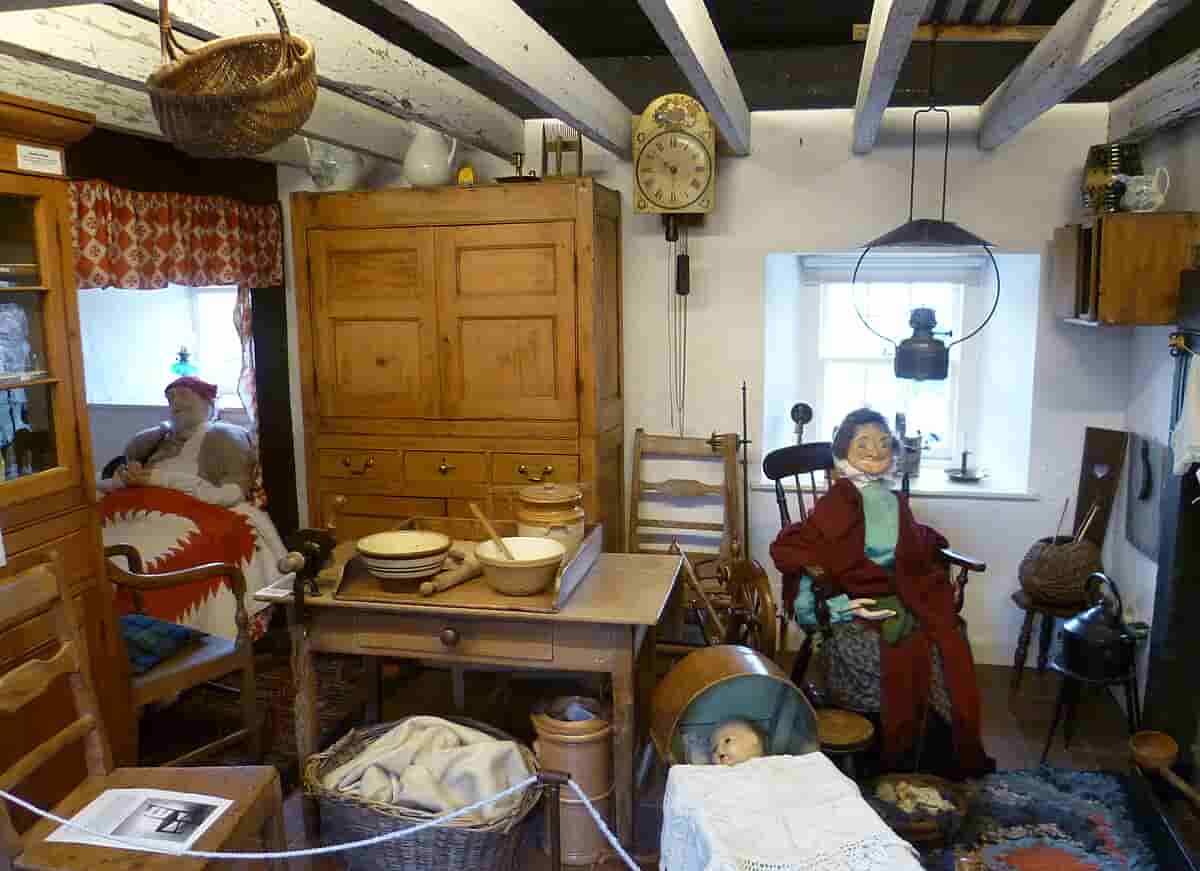
Folk Museum
Museum showcasing local traditions and artifacts.
Craft Workshops
Hands-on workshops for traditional crafts.
Cultural Festival Grounds
Site for annual cultural festivals.
Anyang City Park
A large public park with walking trails and recreational facilities.
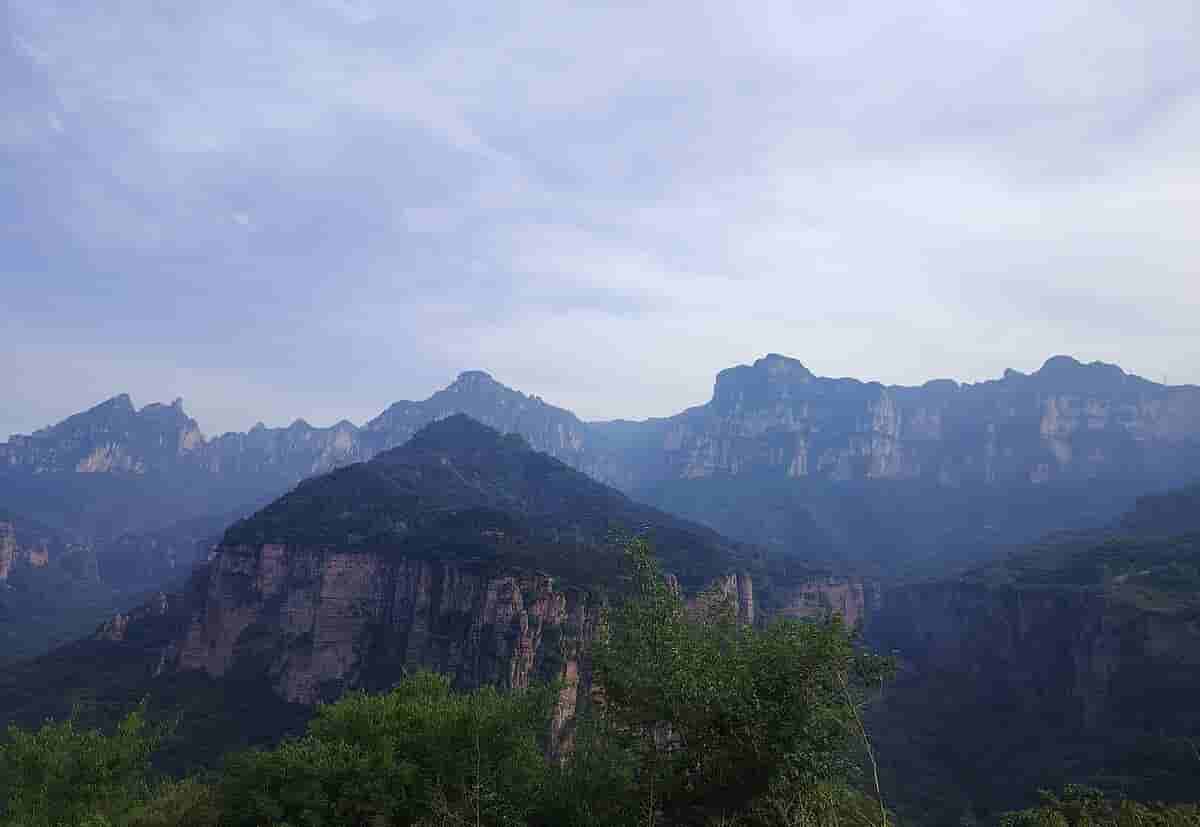
Taihang Mountains
Mountain range offering hiking, photography, and stunning vistas.
Natural hot springs
Thermal springs for relaxation and health.
🏘️ Neighborhoods
City Center (Wenfeng Pagoda Area)
The modern commercial and transportation hub of Anyang, centered around the historic Wenfeng Pagoda. Packed with shops, hotels, and restaurants.
Yinxu Archaeological Area
The historical core of the city, surrounding the Yinxu Museum and ruins. More tranquil, with a focus on culture and history.
Shuguang Road Area
A vibrant, pedestrian-friendly district known for its extensive shopping, dining, and entertainment options. The heart of modern consumer life.
Beiguan District
A traditional northern district with local markets, older residential areas, and a more authentic, everyday feel of the city.
Long'an District
A newer developing area with wider streets, some government buildings, and a growing number of business hotels.
Near Anyang City Park
A greener, more relaxed neighborhood offering easy access to the large public park, ideal for morning exercises and family outings.
Near Anyang Normal University
A youthful, energetic area with affordable eateries, cafes, bookshops, and a lively street scene fueled by the student population.
🍽️ Local Cuisine
Anyang's cuisine is a hearty and flavorful branch of Henan culinary tradition, known for its noodles, pancakes, and savory stews. Must-try signature dishes include "Anyang Pi" (a cold, jelly-like noodle dish in a spicy, garlicky sauce), "Daokou Shaoji" (braised chicken known for its fragrant spices and tender meat), and "Huoshao" (crispy, layered flatbread often stuffed with meat or vegetables). Dining culture is casual and communal. Popular food areas can be found along ShuGuang Road, around the night markets, and in the bustling alleys near the city center. For an authentic experience, seek out small, busy local restaurants. Price ranges are very reasonable: a hearty street food meal can cost 10-20 RMB, a local restaurant meal 30-60 RMB per person, and upscale dining 100+ RMB. Etiquette is standard for northern China: sharing dishes is common, and a simple thank you ("xiexie") is always appreciated.
💡 Local Tips
🚗 Day Trip Ideas
Linzhou (Hongqi Canal)
Visit the monumental 'Red Flag Canal', an impressive irrigation system built into the Taihang Mountains, symbolizing perseverance.
Yongji City (Yongle Palace)
Explore the Yongle Palace, a superb Taoist temple complex famous for its magnificent Yuan Dynasty murals.
Taihang Mountains Scenic Area
Hike or drive through the stunning landscapes, deep gorges, and traditional villages of the Taihang range.
Zhengzhou
Visit the provincial capital to see the Henan Museum (one of China's best) and the Yellow River Scenic Area.
Kaifeng
Step back in time in another ancient capital, famous for its Song Dynasty heritage, Qingming Riverside Park, and night markets.
🛡️ Safety Tips
Anyang is generally a very safe city for travelers, with a low crime rate against tourists. Standard precautions apply: be aware of your belongings in crowded areas like markets and bus stations. Common minor issues might include overcharging by unofficial taxi drivers or vendors at tourist sites; always insist on using the meter or agree on a price beforehand. There are no specific areas to avoid, but exercise normal caution at night. For emergencies, dial 110 for police, 120 for medical ambulance, and 119 for fire. It's advisable to have your hotel's address written in Chinese to show taxi drivers. Tap water is not for drinking; stick to bottled water. Air quality can vary, so those with respiratory sensitivities may want to monitor forecasts and carry a mask if needed.
💰 Budget Guide
Anyang is a very affordable destination by international standards. A budget traveler can manage on 150-250 RMB per day, staying in hostels or budget hotels (60-120 RMB/night), eating street food and at local canteens, and using public buses. A mid-range traveler should budget 400-600 RMB per day, covering a comfortable hotel (200-400 RMB/night), meals at decent local restaurants, taxi rides, and entrance fees to major attractions like Yinxu Museum (70 RMB). A luxury budget of 800+ RMB per day affords upscale hotels, fine dining, private guides, and car hires. Major costs are accommodation and inter-city travel. Money-saving tips include visiting multiple attractions that may offer combo tickets, eating where locals eat away from immediate tourist sites, using public buses or bike shares, and traveling during the off-peak season for better hotel rates.