Welcome to Anuradhapura
Anuradhapura is not merely a city; it is a living chronicle etched in stone and spirit, where ancient kings once walked and sacred trees have grown for over two millennia. As the first capital of Sri Lanka and a UNESCO World Heritage Site, this sprawling sacred city in the North Central Province is the spiritual heart of Sinhalese Buddhism. Its vast archaeological park, covering over 40 square kilometers, is a mesmerizing landscape of colossal dagobas (stupas), serene monastic ponds, and intricately carved moonstones that whisper tales of a glorious past. The city's profound significance is anchored by the Sri Maha Bodhi, a sacred fig tree grown from a cutting of the very tree under which the Buddha attained enlightenment, making it the oldest historically authenticated tree in the world. For modern pilgrims and travelers, Anuradhapura offers a deeply immersive journey through time, where the sacred and the historical are intertwined in every corner. With a range of 48 hotels catering to different budgets, visitors can find a comfortable base from which to explore this awe-inspiring open-air museum, ensuring a stay that is as convenient as it is unforgettable.
Overview
Founded in the 4th century BCE, Anuradhapura served as the Sinhalese capital for over a millennium, establishing itself as one of the great monastic cities of the ancient world. Its sophisticated urban planning included vast reservoirs, hospitals, and complex irrigation systems, the remnants of which still define the landscape. Today, the city is famous for its Sacred City, a UNESCO-listed archaeological zone that is one of the world's most extensive and important monastic sites. The culture is deeply rooted in Theravada Buddhism, with the city remaining a major pilgrimage destination, especially during full moon Poya days. The main areas can be divided into the modern town, with its bustling markets and transport hubs, and the vast, park-like Sacred City to the south and east, where the major ruins and temples are concentrated. Key highlights include the immense, dome-like Ruwanwelisaya and Jetavanaramaya stupas, the rock temple of Isurumuniya with its famous lover's sculpture, and the sacred Bo tree. The nearby Mihintale hill is revered as the birthplace of Buddhism in Sri Lanka. Anuradhapura is a city where history is not confined to museums but is a palpable presence in its skyline and daily rituals.
🗓️ Best Time to Visit
The best time to visit Anuradhapura is during the dry season, from May to September, when rainfall is lowest and temperatures, while warm, are manageable for exploring the expansive outdoor sites. This period offers clear skies, ideal for photography and full days of sightseeing. The shoulder months of March-April and October-November can be hot and may experience intermittent rain, but crowds are thinner. The monsoon season from December to February brings the northeast monsoon, resulting in higher rainfall, though showers are often short and intense. Peak tourist seasons coincide with the European winter (December-January) and local school holidays, when sites can be busier. Major cultural events are tied to the lunar calendar; Vesak (usually in May) is particularly significant, with illuminated pandals and devotional activities throughout the sacred city. The Poson Poya festival in June, commemorating the introduction of Buddhism to Sri Lanka at nearby Mihintale, draws massive pilgrim crowds, offering a uniquely vibrant but crowded experience. For a balance of good weather and manageable visitor numbers, late May or September are excellent choices.
🌤️ Weather & Climate
Anuradhapura experiences a tropical climate with distinct wet and dry seasons. It is generally hot and humid year-round, with temperatures moderated slightly during the monsoon-influenced months.
Seasons
Dry Season
💨 Humidity: moderate
Hot and sunny days with minimal rainfall, making it the optimal time for extensive outdoor exploration of the archaeological sites.
Wet Season (NE Monsoon)
💨 Humidity: high
Cooler but very humid with frequent, sometimes heavy, rainfall. Showers are often intense but short, interspersed with sunshine.
Inter-monsoon Periods
💨 Humidity: high
Very hot and humid with the potential for sudden thunderstorms, especially in the afternoons and evenings.
Monthly Weather Details
January Weather
Best for: sightseeing between showers
February Weather
Best for: sightseeing between showers
March Weather
Best for: early morning sightseeing
April Weather
Best for: indoor activities during peak heat
May Weather
Best for: ideal sightseeing
June Weather
Best for: ideal sightseeing
July Weather
Best for: ideal sightseeing
August Weather
Best for: ideal sightseeing
September Weather
Best for: ideal sightseeing
October Weather
Best for: sightseeing with rain plan
November Weather
Best for: sightseeing with rain plan
December Weather
Best for: sightseeing between showers
🎒 What to Pack
All Year Round
- lightweight, breathable clothing
- sturdy walking shoes/sandals
- sun hat
- sunscreen (high SPF)
- insect repellent
- reusable water bottle
- umbrella or lightweight rain jacket
🚗 Getting Around
Navigating Anuradhapura's vast archaeological park and modern town requires a mix of transport. The most efficient and popular way to explore the Sacred City is by hiring a tuk-tuk (auto-rickshaw) with a driver-guide for a half or full day; this offers door-to-door convenience at major sites. Negotiate a rate beforehand, typically ranging from $15-$30 for a half-day tour. Bicycles are a fantastic, eco-friendly option for the flat terrain and can be rented from many guesthouses for a few dollars per day, allowing for a more intimate exploration at your own pace. Walking between the closely clustered central ruins is possible and rewarding. For longer distances or travel to sites like Mihintale, local buses are extremely cheap (under $1) but can be crowded and slow. Taxis and ride-hailing apps like PickMe are available in the modern town for point-to-point trips. The city is served by the small Anuradhapura Airport, with transfers to the town center via taxi or pre-arranged hotel pickup taking about 30 minutes.
🎯 Top Attractions
Sacred Bodhi Tree
A sacred fig tree grown from a cutting of the original tree under which Buddha attained enlightenment.
Ruwanwelisaya Stupa
A massive and revered stupa built by King Dutugemunu, symbolizing Buddhist architecture.
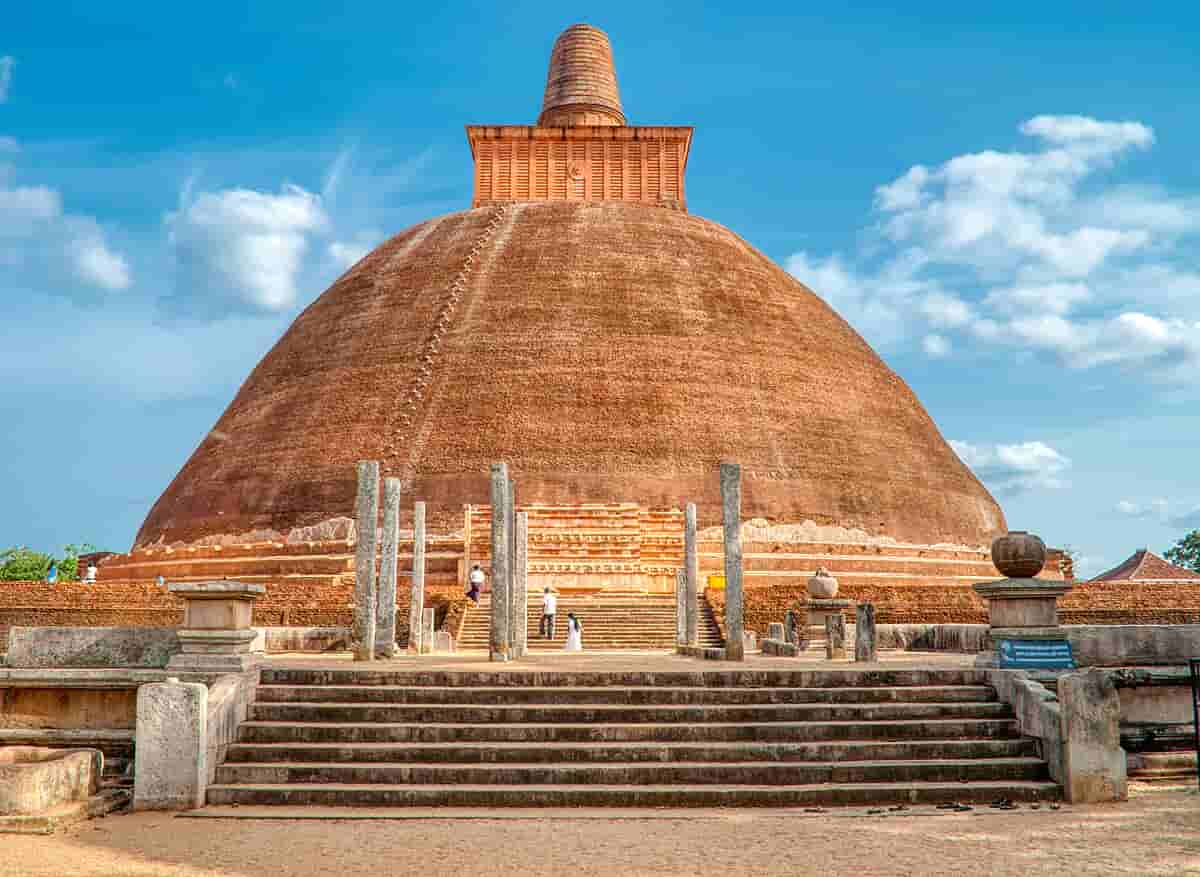
Jetavanaramaya
Historic brick stupa, one of the tallest ancient structures in the world.
Sacred City of Anuradhapura
A UNESCO World Heritage site with ancient ruins, temples, and sacred Buddhist relics.
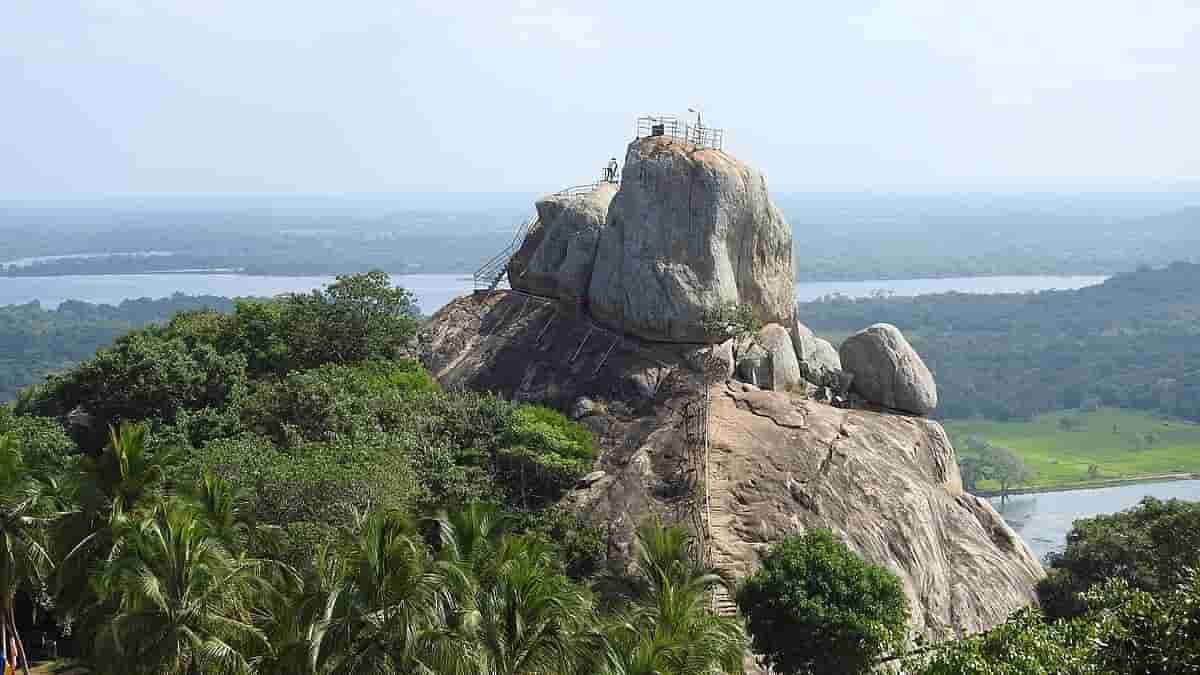
Mihintale
A mountain peak considered the birthplace of Buddhism in Sri Lanka, with temples and panoramic views.
Isurumuniya Temple
Rock temple famous for its carvings, including the 'Isurumuniya Lovers'.
Jetavanaramaya Stupa
One of the tallest ancient stupas in the world, rich in archaeological importance.
Sri Maha Bodhi
Sacred fig tree, believed to be grown from a cutting of the original Bodhi tree.
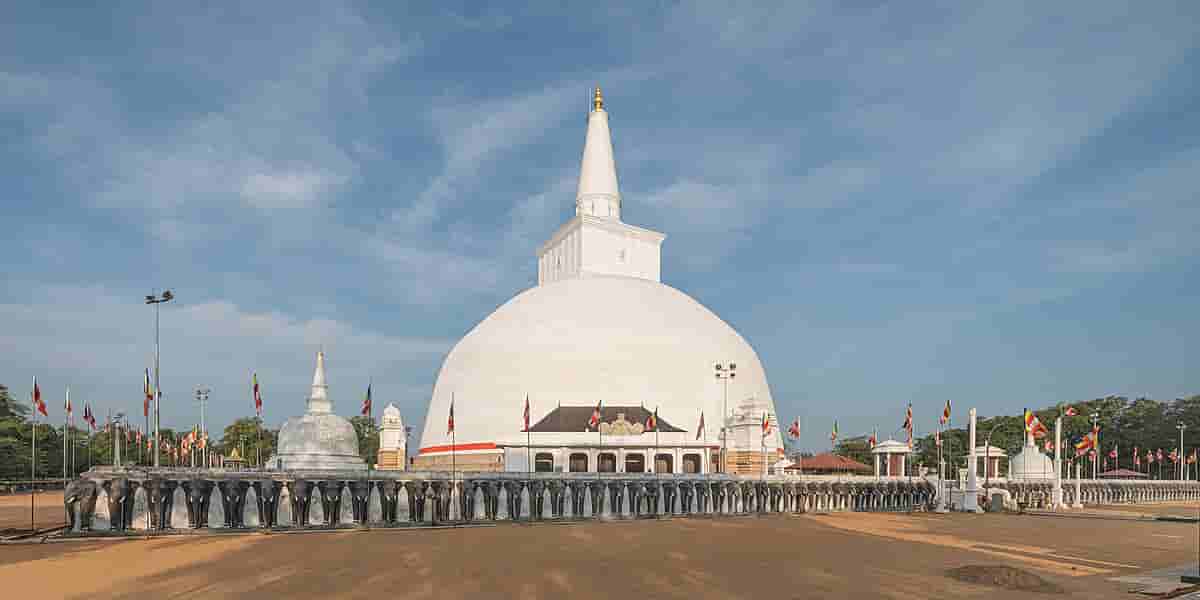
Ruwanwelisaya
A massive, iconic stupa and important Buddhist pilgrimage site.
Ulagalla Reservoir
Serene reservoir for bird watching
Anuradhapura Ancient City
UNESCO site with ancient ruins and stupas
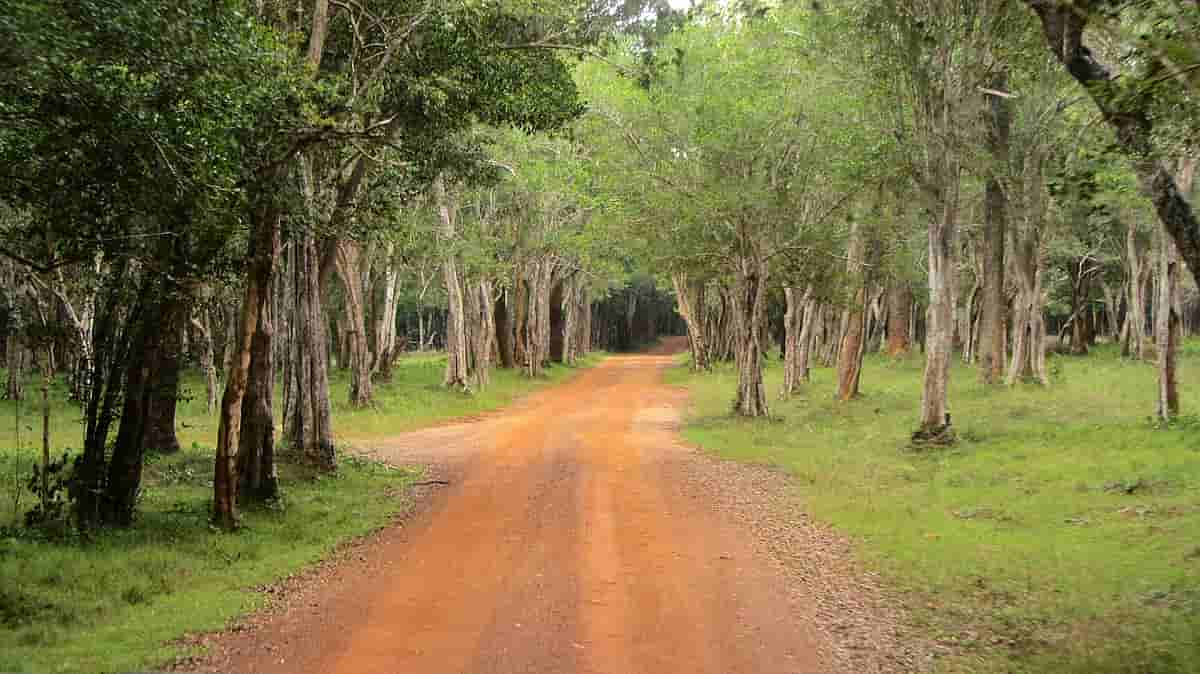
Wilpattu National Park
Largest national park in Sri Lanka, known for leopards and lakes
🏘️ Neighborhoods
Sacred City (Archaeological Park)
The vast UNESCO-listed zone containing the ancient stupas, monasteries, and reservoirs. It's more a parkland than a residential area, dotted with sacred sites.
New Town (Anuradhapura Town)
The modern commercial and transport hub with markets, bus and train stations, banks, and a wide range of guesthouses and eateries.
Near the Sacred Bodhi Tree
A highly spiritual area packed with pilgrim rest houses, simple lodgings, and devotional stalls, centered on the sacred tree complex.
Along the Tanks (Wewas)
Areas bordering ancient reservoirs like Nuwara Wewa and Tissa Wewa offer serene views, upscale resorts, and a quieter atmosphere.
Mihintale
A separate sacred town about 12km east, centered on the mountain where Buddhism was introduced. It has its own cluster of guesthouses and a tranquil vibe.
Kekirawa Road Area
A main approach road to the city with several modern hotels, larger restaurants, and easier road access, popular with tour groups.
🍽️ Local Cuisine
Anuradhapura's cuisine is a hearty reflection of Sri Lanka's agrarian heartland, centered on rice and curry. A typical meal features a large plate of red or white rice surrounded by several small bowls of curries—perhaps jackfruit, pumpkin, bitter gourd, or dried fish—accompanied by sambol (a spicy condiment) and papadum. Must-try local specialties include 'kottu roti', a stir-fry of shredded flatbread, vegetables, and meat or egg, and 'hoppers' (appa), bowl-shaped fermented rice flour pancakes, often with an egg in the center, best eaten for breakfast or dinner. Given the city's sacred nature, many eateries serve vegetarian food, and alcohol availability can be limited. For an authentic experience, seek out local 'hotels' (simple eateries) in the new town market area. Dining is casual and often done with the right hand. Price ranges are very reasonable: a filling rice and curry plate from a local spot costs $2-$4, while a meal at a tourist-oriented restaurant may be $5-$10. Always try the fresh tropical fruits like wood apple and mango, and don't miss a cup of strong, sweet Ceylon tea.
💡 Local Tips
🚗 Day Trip Ideas
Mihintale
The sacred mountain where Buddhism was introduced to Sri Lanka. Climb its stairways to ancient monasteries, caves, and stupas for panoramic views.
Ritigala Forest Monastery
A mysterious and serene ancient monastery complex hidden in a strict nature reserve, known for its unique ruins and lush forest trails.
Aukana Buddha Statue
Home to one of Sri Lanka's finest and tallest ancient standing Buddha statues, meticulously carved from a single rock face.
Wilpattu National Park
Sri Lanka's largest national park, known for its natural lakes (villus) and excellent leopard spotting opportunities on a safari.
Yapahuwa
A dramatic rock fortress and short-lived medieval capital, famous for its ornate stone stairway and lion sculpture.
🛡️ Safety Tips
Anuradhapura is generally a safe city for travelers, with a low crime rate, especially in the sacred areas. The primary concerns are opportunistic theft (keep valuables secure) and traffic safety when walking or cycling near roads. Be respectful and cautious around wildlife, particularly monkeys and stray dogs at temple sites; do not feed them. Common scams are rare but can include inflated tuk-tuk prices or unofficial 'guides' at major sites—always use licensed guides and agree on fares upfront. When visiting temples, dress modestly (shoulders and knees covered) and remove shoes and hats before entering sacred structures. Be mindful of your step on uneven archaeological surfaces. Emergency numbers: 119 for police, 110 for ambulance. Drink only bottled or purified water to avoid stomach issues, and consider mosquito protection to prevent dengue. The sun is intense, so stay hydrated and use sun protection consistently.
💰 Budget Guide
Anuradhapura can be experienced on a modest budget. A budget traveler can manage on $25-$40 per day, staying in basic guesthouses ($10-$20/night), eating at local 'hotels' ($2-$5 per meal), using bicycles or buses for transport ($1-$5), and purchasing the comprehensive Cultural Triangle ticket for site entry ($25 for one day). Mid-range travelers spending $50-$80 per day can enjoy comfortable hotels or boutique guesthouses ($30-$50/night), meals at nicer restaurants ($5-$15), hired tuk-tuk tours ($20-$30/half-day), and guided experiences. Luxury budgets of $100+ per day afford stays at top resorts like Ulagalla ($150+), fine dining, private car tours, and exclusive guided visits. Money-saving tips: Visit on a Poya day (full moon) when local entry to many sacred sites is free, though it will be crowded. Rent a bicycle instead of hiring vehicles for the full day. Eat where the locals eat. The $25 Cultural Triangle ticket is essential for visiting the major ruins and is valid for one day; plan your itinerary to maximize its use. Carry small change for shoe-minding fees at temples (approx. 20-50 LKR).