Welcome to Antibes
Antibes, a radiant jewel on the French Riviera, is where the soul of Provence meets the sparkling Mediterranean. Nestled between Nice and Cannes in the Provence-Alpes-Côte d'Azur region, this fortified town offers a captivating blend of ancient history, artistic legacy, and seaside glamour. Its unique charm lies in the vibrant contrast between the bustling Port Vauban—one of Europe's largest marinas, brimming with superyachts—and the serene, cobblestone labyrinth of its Old Town, where the ghosts of Picasso still seem to linger. With its sun-drenched beaches like Plage de la Gravette, legendary jazz heritage in neighboring Juan-les-Pins, and a bounty of Provençal markets, Antibes delivers an authentic yet sophisticated Côte d'Azur experience. The city's appeal is broad, welcoming everyone from culture vultures and luxury seekers to families and beach lovers. With 42 hotels offering a range of accommodations, from charming boutique stays to upscale resorts, finding a perfect base to explore this enchanting corner of France is wonderfully straightforward.
Overview
Antibes boasts a history stretching back over two millennia, founded by the Greeks as Antipolis and later fortified by the Romans. Its strategic position made it a coveted prize, with the imposing Fort Carré and ramparts built in the 16th century under King Henry II standing as testaments to its past. Today, the city is famous for its deep artistic connections, most notably as the home of the Musée Picasso, housed in the Château Grimaldi where the artist lived and worked in 1946. The culture is a heady mix of Provençal tradition and Riviera chic, evident in the daily Marché Provençal, where the scents of lavender and ripe tomatoes fill the air. The city is divided into distinct districts: the historic Vieil Antibes (Old Town) with its narrow streets and cathedral; the glamorous Port Vauban and its peninsula, Cap d'Antibes, home to luxurious villas and the scenic Sentier du Littoral coastal path; and the lively, pine-shaded resort of Juan-les-Pins, renowned for its sandy beaches and vibrant jazz festival. Antibes is a city that perfectly balances its rich heritage with a dynamic, sun-loving present.
🗓️ Best Time to Visit
The best time to visit Antibes is from late spring to early autumn (May to September) for ideal beach weather and vibrant atmosphere. Peak season is July and August, when the city is buzzing with festivals, including the famous Juan-les-Pins Jazz à Juan festival in July, but also crowded and most expensive. Shoulder seasons—May-June and September—offer a superb compromise with warm, sunny days, pleasant sea temperatures, and fewer crowds, perfect for sightseeing and coastal walks. Autumn (October) is still mild and great for cultural visits and enjoying the last of the sunshine. Winter (November to March) is the off-peak season; while some restaurants and attractions may have reduced hours, it's a quiet, authentic time to explore, with mild temperatures (though occasional rain and the Mistral wind) and the possibility of enjoying the Christmas market in December. The Mediterranean climate ensures plenty of sunshine year-round, but for the quintessential Riviera experience of sun, sea, and outdoor dining, target the shoulder months.
🌤️ Weather & Climate
Antibes enjoys a classic Mediterranean climate with hot, dry summers and mild, relatively wet winters. It boasts over 300 days of sunshine per year, with the sea moderating temperatures.
Seasons
Spring
💨 Humidity: moderate
Pleasant warming trend with blooming flowers. Ideal for sightseeing and hiking. Sea is still cool for swimming.
Summer
💨 Humidity: moderate
Hot, sunny, and dry. Peak beach season. Evenings are warm and perfect for outdoor dining. Can be crowded.
Autumn
💨 Humidity: moderate
Warm, sunny start transitioning to cooler, rainier weather. September is often like summer. Great for harvest markets.
Winter
💨 Humidity: moderate
Mild but damp. Chilly winds like the Mistral possible. Few tourists, peaceful atmosphere. Some attractions have shorter hours.
Monthly Weather Details
January Weather
Best for: cultural visits, peaceful exploration
February Weather
Best for: sightseeing without crowds
March Weather
Best for: early spring walks, gardens
April Weather
Best for: outdoor cafes, market visits
May Weather
Best for: beach start, coastal hiking
June Weather
Best for: swimming, sailing, festivals
July Weather
Best for: peak beach, nightlife, jazz festival
August Weather
Best for: all outdoor activities, vibrant atmosphere
September Weather
Best for: warm sea, wine harvest, fewer crowds
October Weather
Best for: pleasant sightseeing, autumnal colors
November Weather
Best for: museums, indoor culture
December Weather
Best for: Christmas markets, cozy dining
🎒 What to Pack
All Year Round
- sunglasses
- comfortable walking shoes
- light jacket or sweater
- sun hat
- adaptor for European plugs
🚗 Getting Around
Antibes is a highly walkable city, especially within the compact Old Town and along the port. Exploring on foot is the best way to discover hidden squares and charming alleyways. For longer distances, the local bus network, Envibus, is efficient and affordable, connecting Antibes to Juan-les-Pins, the train station, and surrounding towns like Cannes and Nice. A single ticket costs around 1.50€. Biking is also popular, with dedicated paths along the coast and bike rental shops available. The main train station (Antibes) offers excellent regional TER services, with quick, scenic rides to Nice (20 mins), Cannes (10 mins), and Monaco (40 mins). Taxis and ride-sharing apps like Uber are available but can be pricey; it's best to find official taxi ranks at the station or port. For airport transfers, Nice Côte d'Azur Airport (NCE) is a 20-30 minute drive; airport buses, taxis, and pre-booked private transfers are all convenient options. Having a car can be useful for exploring the hinterland, but parking in Antibes is difficult and expensive—use park-and-ride facilities.
🎯 Top Attractions
Plage de la Gravette
Sandy beach in Antibes old town, perfect for swimming and relaxing by the sea.
Musée Picasso
Art museum housed in a medieval castle, featuring works by Picasso and other artists.
Marché Provençal
Colorful daily market offering fresh produce, flowers, and local specialties.
Cap d'Antibes Lighthouse
Historic lighthouse perched on the peninsula with panoramic sea views.
Antibes Old Town
Charming medieval streets filled with boutiques, cafés, and the Provençal market.
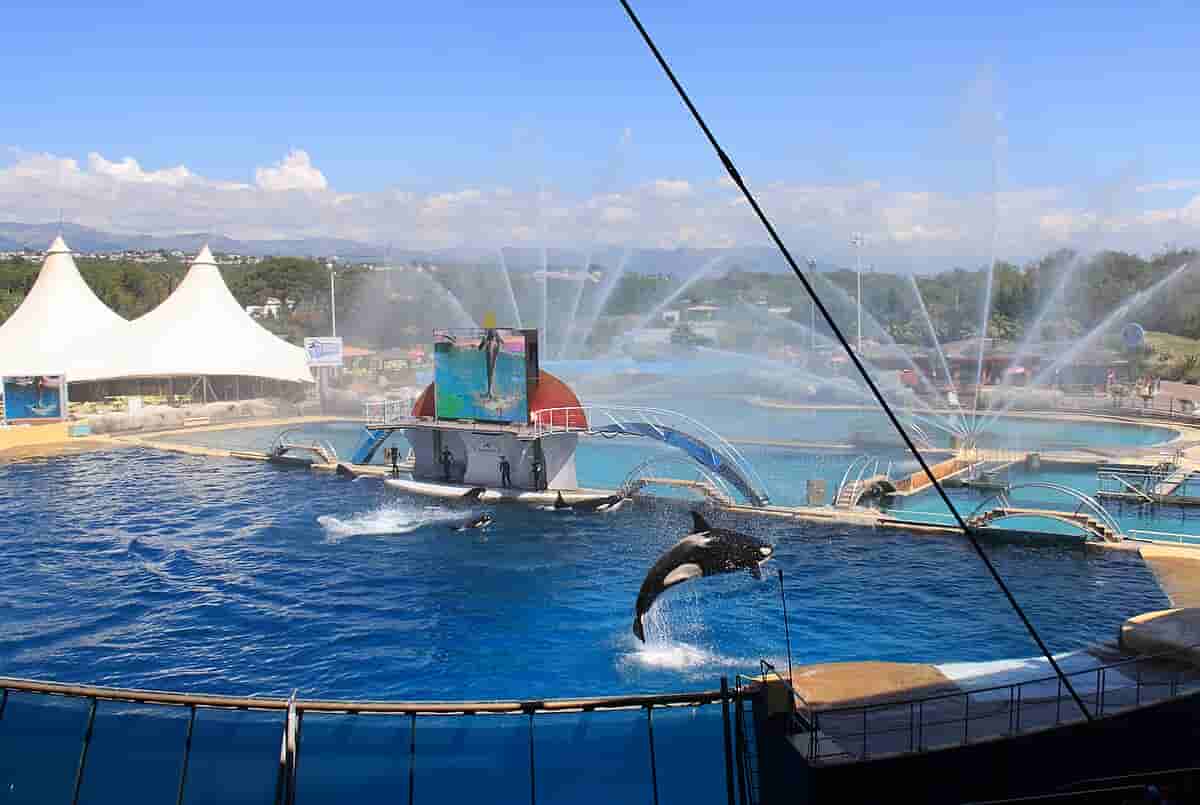
Marineland Antibes
Large marine theme park with dolphin and orca performances, perfect for families.
Plage du Ponteil
A beautiful, sandy beach right at the hotel's doorstep, perfect for sunbathing and swimming in the French Riviera.
Old Town of Antibes
A vibrant medieval town with a bustling market, the famous Picasso Museum, and the impressive Fort Carré.
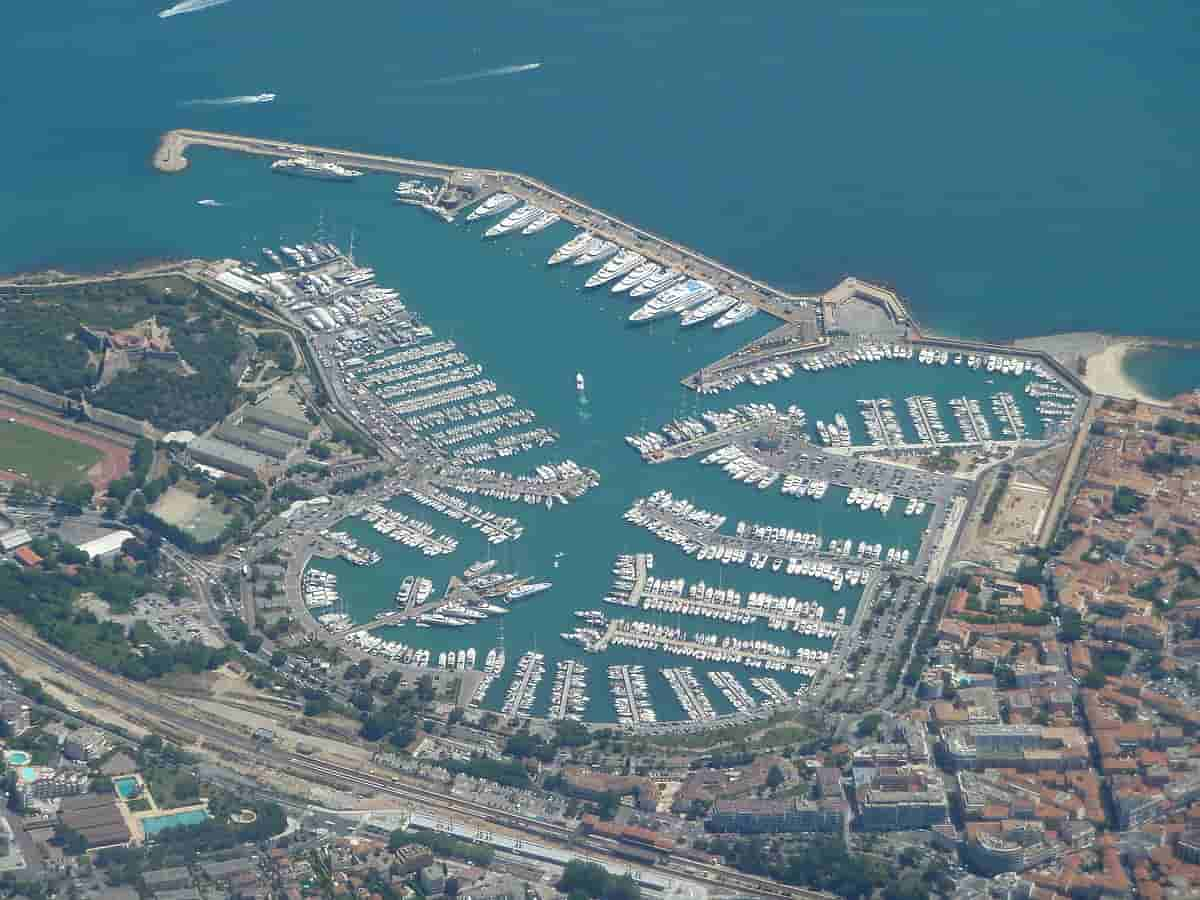
Port Vauban
One of Europe's largest marinas, where you can admire mega yachts and enjoy waterfront dining and shopping.
Juan-les-Pins Beach
Golden sandy beach famous for its lively promenade and crystal‑clear waters.
Picasso Museum
World‑renowned collection housed in the Château Grimaldi, showcasing Picasso’s work.
Cap d'Antibes
Scenic coastal promontory renowned for its walking trails and spectacular sea views.
🏘️ Neighborhoods
Vieil Antibes (Old Town)
The historic heart, enclosed by 16th-century ramparts. A maze of cobbled streets, charming squares, the cathedral, and the Picasso Museum.
Port Vauban
Europe's largest marina, lined with cafes and restaurants, offering stunning views of mega-yachts and the old town fortifications.
Cap d'Antibes
An exclusive, leafy peninsula south of the port. Home to luxurious villas, the iconic Hotel du Cap-Eden-Roc, and the scenic Sentier du Littoral coastal path.
Juan-les-Pins
A lively, pine-shaded resort district known for its long sandy beaches, vibrant nightlife, and the famous Jazz à Juan festival.
La Fontonne
A primarily residential area north of the town center, offering a more local feel, good amenities, and easier parking.
Safranier
A picturesque, village-like neighborhood within the Old Town, known for its artist community, flower-filled streets, and small artisan workshops.
🍽️ Local Cuisine
Antibes' cuisine is a sun-kissed reflection of Provence, emphasizing fresh seafood, ripe vegetables, and aromatic herbs. Signature dishes include *Socca* (a savory chickpea pancake), *Pissaladière* (a Provençal onion tart with anchovies and olives), and *Bouillabaisse* (the iconic fisherman's stew, though more common in Marseille). Given its port, freshly caught fish like sea bass and red mullet, simply grilled with herbs, is a must-try. Don't miss the local *Petits Farcis* (stuffed vegetables) and produce from the morning market. Dining culture is relaxed yet passionate; meals are leisurely. For an authentic experience, seek out small bistros in the Old Town or a table overlooking the port. Price ranges vary: a casual lunch of socca and salad can be under 15€, a good mid-range restaurant meal 25-40€, and fine dining significantly more. Remember, bread is served freely, and tipping is not obligatory as service is included, but rounding up or leaving small change is customary. Always say "Bonjour" when entering a shop or café.
💡 Local Tips
🚗 Day Trip Ideas
Nice
The vibrant capital of the Riviera, famous for its Promenade des Anglais, Old Town (Vieux Nice), and art museums like Matisse and Chagall.
Cannes
Synonymous with film glamour. Stroll the Croisette, see the Palais des Festivals, and visit the Lerins Islands just offshore.
Saint-Paul-de-Vence
A stunning medieval hilltop village, a haven for artists, home to the Fondation Maeght modern art museum.
Grasse
The world's perfume capital. Tour historic perfumeries like Fragonard and learn about fragrance creation.
Monaco & Monte-Carlo
The glittering principality. See the Prince's Palace, the Casino, and the Oceanographic Museum.
Îles de Lérins (Saint-Honorat)
A peaceful, car-free island monastery off Cannes. Perfect for hiking, swimming, and tasting monk-made wine.
🛡️ Safety Tips
Antibes is generally a very safe city for travelers. Violent crime is rare. The primary concerns are petty theft, such as pickpocketing and bag snatching, especially in crowded tourist areas like the Marché Provençal, on beaches, and in train stations. Be vigilant and keep valuables secure and out of sight. Avoid leaving belongings unattended on the beach. At night, well-lit areas are safe, but it's wise to be cautious in quieter, darker streets of the Old Town. Common scams are limited but be wary of overly persistent street vendors or petitions that may be a distraction for theft. Emergency numbers are standard EU: 112 (general emergency), 17 (police), 18 (fire), 15 (medical). Tap water is safe to drink. No special vaccinations are required. Pharmacies (marked by a green cross) are well-stocked for minor ailments.
💰 Budget Guide
Antibes can cater to various budgets, though it leans towards the mid-range and luxury end of the spectrum. A budget traveler could manage on 60-80€ per day by staying in a hostel or budget hotel (sharing a room), enjoying picnics with market goods, using public transport, and focusing on free sights like the Old Town and beaches. A mid-range traveler should budget 120-200€ daily for a comfortable hotel room (the average hotel price is around $170/night), dining at casual bistros for lunch and dinner, occasional taxis, and paid attractions like the Picasso Museum. Luxury spending starts at 300€+ per day for 4-star+ seafront hotels, fine dining, private tours, and yacht charters. Money-saving tips: Visit outside July/August for better rates, take advantage of the free Plage de la Gravette, buy a multi-journey bus ticket (carnet), enjoy a filling and cheap lunch of socca, and explore the stunning (and free) Sentier du Littoral coastal path on Cap d'Antibes.