Welcome to Anshun
Nestled in the heart of Guizhou Province, Anshun is a city where water carves stone and history whispers from ancient villages. This gateway to some of China's most spectacular karst landscapes is far more than a mere transit point; it's a destination where the raw power of nature and the enduring traditions of the Tunpu people create a travel experience unlike any other. Anshun serves as the perfect base for exploring the thunderous Huangguoshu Waterfall, Asia's largest, and the mesmerizing subterranean world of the Dragon Palace Cave. Yet, within the city itself, a rich tapestry of Han and ethnic minority cultures unfolds, visible in its well-preserved Confucian temples and the unique fortress-like villages scattered across the countryside. With a robust infrastructure catering to the steady stream of awe-inspired visitors, Anshun offers a comfortable stay with a choice of over 270 hotels, ensuring options from convenient city-center lodgings to serene retreats closer to the natural wonders. A journey here promises not just sightseeing, but a profound connection with the geological and cultural soul of Southwest China.
Overview
Anshun, a prefecture-level city in western Guizhou, has long been a crucial crossroads, historically part of the ancient Southwest Silk Road. Its significance is etched into the landscape itself, defined by a spectacular karst topography that hosts the world-class Huangguoshu Waterfall and an extensive network of caves and underground rivers. Culturally, Anshun is renowned as the home of the Tunpu people, descendants of Ming Dynasty soldiers sent to garrison the region centuries ago. Their distinct architecture, traditional Han-style clothing, and unique Dixi opera, performed with wooden masks, offer a living museum of Ming-era customs. The city proper is administratively divided into districts like Xixiu (the central urban core) and Pingba, but for travelers, the focus often extends to the surrounding county-level areas where the major natural attractions lie. Anshun is famous for being the premier destination in China for waterfall and karst exploration, while also providing deep dives into niche historical cultures that have been preserved in near-isolation.
🗓️ Best Time to Visit
The best time to visit Anshun is during the spring (April to June) and autumn (September to early November). These seasons offer the most pleasant weather, with mild temperatures, lower humidity, and manageable rainfall, making outdoor exploration of waterfalls and caves ideal. Spring brings blooming flowers and lush greenery, while autumn presents clear skies and comfortable hiking conditions. Summer (July-August) is the peak tourist season, coinciding with school holidays and the period when the waterfalls are at their most powerful due to the plum rains. However, this also means large crowds, higher prices, and hot, humid weather with frequent downpours. Winter (December-February) is the off-peak season; it's chilly and damp, but visitor numbers plummet, and you may find deep discounts. A major event is the Huangguoshu Waterfall Festival, typically held in summer or autumn, featuring cultural performances and tourism promotions.
🌤️ Weather & Climate
Anshun has a subtropical monsoon climate with mild winters, warm summers, and high humidity year-round. Rainfall is abundant, particularly from May to October, contributing to the region's lush greenery and powerful waterfalls.
Seasons
Spring
💨 Humidity: moderate
Pleasant and warming, with increasing rain. Ideal for outdoor activities as nature blooms.
Summer
💨 Humidity: high
Hot, humid, and the rainy season. Waterfalls are most spectacular, but be prepared for sudden downpours.
Autumn
💨 Humidity: moderate
The most comfortable season, with mild temperatures, less rain, and clear skies. Perfect for sightseeing.
Winter
💨 Humidity: moderate
Chilly and damp, with occasional frost. Fewer tourists but some attractions may feel bleak.
Monthly Weather Details
January Weather
Best for: cultural sights, indoor activities
February Weather
Best for: cultural sights, early spring visits
March Weather
Best for: hiking, early bloom sightseeing
April Weather
Best for: outdoor activities, photography
May Weather
Best for: waterfall viewing, nature exploration
June Weather
Best for: waterfall viewing (peak flow)
July Weather
Best for: waterfall viewing, cave visits
August Weather
Best for: summer sightseeing
September Weather
Best for: ideal all-around sightseeing
October Weather
Best for: ideal all-around sightseeing
November Weather
Best for: hiking, cultural tours
December Weather
Best for: cultural sights, off-peak travel
🎒 What to Pack
All Year Round
- Umbrella or raincoat
- Comfortable walking shoes
- Layers
🚗 Getting Around
Getting around Anshun and its attractions requires a mix of transport. Within the city center, taxis and ride-hailing apps like Didi are affordable and convenient for short trips. Public buses serve urban routes comprehensively and are extremely cheap (often under ¥2). For reaching the major scenic areas outside the city, such as Huangguoshu or Dragon Palace, tourist buses depart regularly from the Anshun East Coach Station; these are the most straightforward option. Renting a car with a driver or joining a guided tour are popular and stress-free alternatives for day trips, though more expensive. The city is relatively walkable in its core around Nanma Square and the Confucian Temple. Anshun Huangguoshu Airport is small, with limited domestic flights; taxis are available for the 30-40 minute transfer to the city center. For maximum flexibility, especially for visiting multiple far-flung sites, hiring a private car for a day is highly recommended.
🎯 Top Attractions
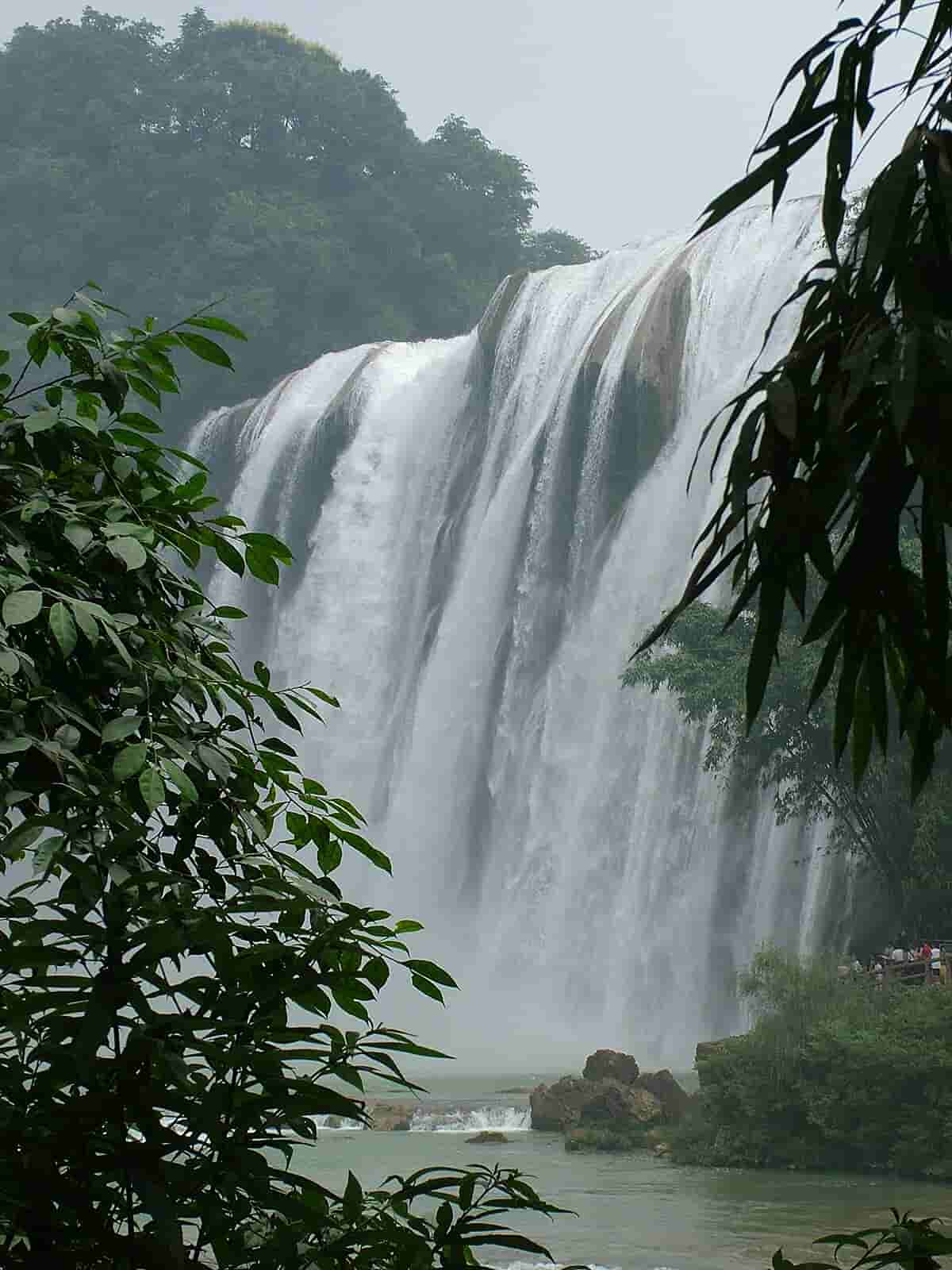
Huangguoshu Waterfall
One of China's largest waterfalls, set in a spectacular karst landscape with viewing platforms and trails.
Dragon Palace Cave
An extensive limestone cave system with underground rivers, lakes, and spectacular lighting.
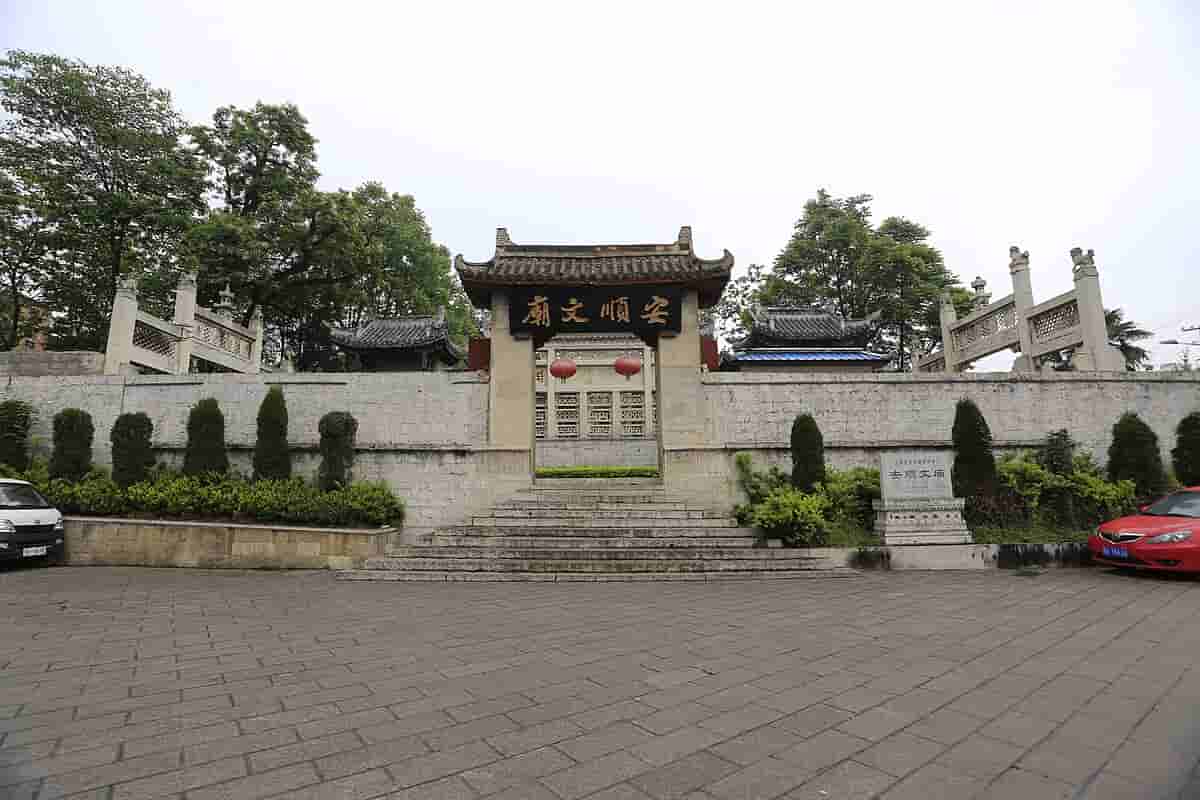
Anshun Confucian Temple
A well-preserved temple dedicated to Confucius, showcasing traditional architecture and gardens.
Nanma Square
Public square with local markets and activities.
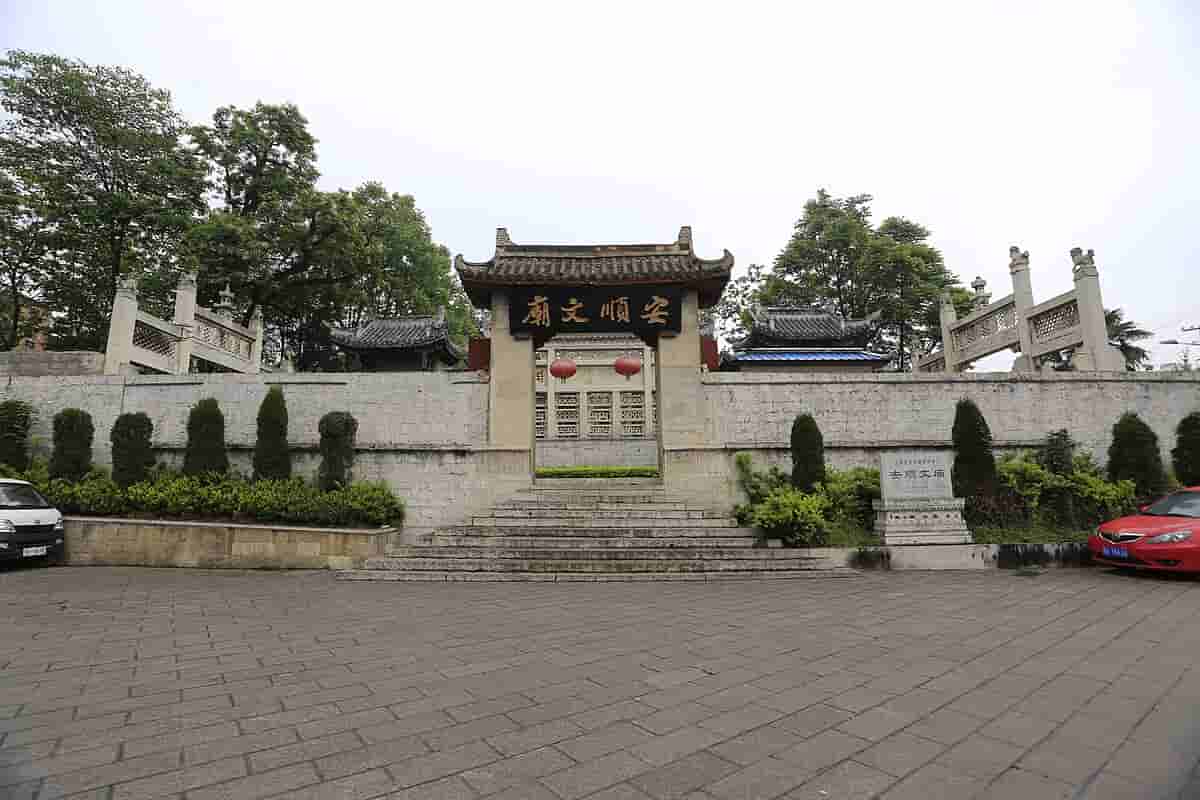
Anshun Confucius Temple
Temple dedicated to Confucius with historical exhibits.
Anshun Karst Cultural Landscape
UNESCO site with unique karst caves and cultural villages.
Stone Forest Scenic Area
Unique karst formations resembling a forest of stone pillars and peaks.
Maotiao River Trail
Scenic riverside path for hiking and cycling.
Tianxing Bridge Scenic Area
A natural stone forest and botanical garden with unique rock formations and walking paths.
Anshun Tunpu Villages
Unique villages preserving Ming dynasty Han Chinese culture
Anshun City Center
Urban area offering local culture, markets, and transportation links.
Anshun Museum
A museum showcasing local history, ethnic cultures, and archaeological finds.
🏘️ Neighborhoods
Xixiu District (City Center)
The administrative and commercial heart of Anshun, home to Nanma Square, the Confucian Temple, and most hotels and services. Well-connected by transport.
Huangguoshu Town
The gateway town to the famous waterfall and surrounding Tianxing Bridge scenic area. Packed with hotels, restaurants, and tourist facilities.
Longgong (Dragon Palace) Area
The vicinity of the spectacular Dragon Palace Cave system. Offers a more secluded stay surrounded by karst landscapes and waterways.
Tunpu Cultural Area (e.g., Yunshan Tun, Tianlong Tun)
Not a single neighborhood but a collection of historic fortress villages scattered around Anshun. Offers homestays and deep cultural immersion.
Pingba District
A suburban district with access to attractions like the Stone Forest. Less touristy than the core, offering a glimpse of local life.
Zhenning Buyei and Miao Autonomous County
A county west of Anshun rich in ethnic minority culture and natural beauty, including parts of the Maotiao River.
🍽️ Local Cuisine
Anshun's cuisine is a hearty, flavorful branch of Guizhou cooking, famously sour and spicy. Must-try dishes include Anshun Crackling (Zhusun), a crispy pork dish; Qiaoliao Noodles, a local wheat noodle served in a rich broth; and various preparations of cured meats and sausages. The dining culture is casual and communal. For an authentic experience, seek out small local restaurants or street food stalls around the Confucian Temple area or near night markets. A signature snack is Anshun Tofu Pudding (Douhua), often served with a savory or spicy topping. Prices are very reasonable: a hearty bowl of noodles can cost ¥10-20, a simple local restaurant meal ¥30-50 per person, and a nicer banquet-style meal from ¥80 upwards. Etiquette is informal; it's common to share dishes. Be prepared for spice levels—asking for "wei la" (less spicy) is perfectly acceptable if you're not accustomed to the local heat.
💡 Local Tips
🚗 Day Trip Ideas
Huangguoshu Waterfall National Park
Explore Asia's largest waterfall, plus the Tianxing Bridge karst landscape and Doupotang Waterfall.
Dragon Palace (Longgong) Scenic Area
Take a boat through magnificent underground river caves and visit the surrounding karst peaks and waterfalls.
Tianlong Tunpu & Yunshan Tun Villages
Step back in time in these well-preserved Ming Dynasty garrison villages, witnessing unique architecture and Dixi opera culture.
Zhenning Stone Forest & Maotiao River
Hike through lesser-known karst stone forests and enjoy the serene beauty of the Maotiao River valley.
Getu River Scenic Area
A longer trip for outdoor enthusiasts, featuring dramatic karst arches, cliff climbing, and Miao village culture.
🛡️ Safety Tips
Anshun is generally a very safe city for travelers. Violent crime against tourists is rare. Standard precautions apply: be aware of your belongings in crowded tourist areas and on public transport to guard against petty theft. When using taxis, ensure the meter is used or agree on a price beforehand for longer trips. Scams are not widespread, but be cautious of overly friendly strangers inviting you for tea or to play games, which can lead to exorbitant bills. When hiking in natural scenic areas, stay on marked paths as the karst terrain can be slippery and unstable. Emergency numbers are 110 for police, 120 for ambulance, and 119 for fire. Tap water is not for drinking; stick to bottled water. The spicy local cuisine may upset sensitive stomachs, so consider bringing digestive aids.
💰 Budget Guide
Anshun can cater to various budgets, though it is generally an affordable destination. A budget traveler can manage on ¥250-400 per day: staying in hostels or budget hotels (¥100-150), eating at local noodle shops and street food (¥50-80), using public buses (¥20), and visiting one paid attraction. Mid-range travelers should budget ¥400-800 daily: comfortable 3-4 star hotels (¥200-400), meals at decent local restaurants (¥100-150), occasional taxis and tourist buses (¥80), and entrance fees for multiple sites. A luxury budget of ¥800+ per day covers 4-5 star hotels or boutique lodgings, private car hires with a driver, fine dining, and guided tours. Money-saving tips: visit in the off-season (winter) for lower accommodation rates, purchase combination tickets for scenic areas, eat where locals eat, and use public tourist buses instead of private cars. Many cultural sites, like Tunpu villages, have low or no entrance fees.