Welcome to Albi
Nestled along the banks of the serene Tarn River in the sun-drenched Midi-Pyrenees region of southern France, Albi is a captivating city that seems plucked from a storybook. Known as the 'Red City' for its distinctive burnt-brick architecture, Albi offers a profound journey through art, faith, and medieval history. Its crown jewel, the UNESCO-listed Sainte-Cécile Cathedral, is a breathtaking fortress of faith that dominates the skyline with its imposing presence. This compact, walkable city is a treasure trove for culture enthusiasts, with the world's foremost collection of works by native son Henri de Toulouse-Lautrec housed in the adjacent Palais de la Berbie. With a manageable scale perfect for a one-day immersion, Albi provides a deeply authentic French experience away from the major tourist circuits. Visitors will find a welcoming atmosphere supported by a selection of 22 hotels, offering comfortable stays with an average price of around $102 per night, making it an accessible destination for those seeking to explore its rich heritage.
Overview
Albi's history is written in brick and blood. A stronghold of Catharism, the city became a central site during the Albigensian Crusade in the 13th century. In its aftermath, the formidable Sainte-Cécile Cathedral was constructed as a symbol of orthodox Catholic power, creating the stunning ecclesiastical quarter that defines the city today. Albi is famously the birthplace of Post-Impressionist painter Henri de Toulouse-Lautrec, and his legacy is meticulously preserved in the museum bearing his name, located within the Bishop's Palace. The city is celebrated for its unique architectural identity, where every building seems to glow with a warm, terracotta hue. The historic center, a UNESCO World Heritage site, is a labyrinth of cobbled lanes, half-timbered houses, and hidden courtyards centered around the cathedral and the old bridge, Pont Vieux. Life gracefully unfolds along the Tarn Riverbanks, in the vibrant Marché Couvert, and within the tranquil La Perrine Park. Albi is a city where grand history and gentle, contemporary southern French life exist in perfect harmony.
🗓️ Best Time to Visit
The ideal time to visit Albi is during the shoulder seasons of spring (April to June) and early autumn (September to October). These periods offer pleasantly warm temperatures, fewer crowds, and the natural beauty of blooming flowers or autumn foliage, perfect for exploring on foot. Summer (July and August) is peak season, bringing hot, sunny weather ideal for river activities and evening strolls, but also larger tourist groups. This season hosts lively events like the summer music festival 'Pause Guitare' in July. Winters are mild but damp, with fewer visitors, offering a quiet, atmospheric experience, especially around the Christmas market. Major seasonal events include the Albi Carnival in spring, the bustling weekly markets year-round, and various cultural exhibitions at the Toulouse-Lautrec Museum. For a balance of good weather and manageable tourism, late spring and early autumn are highly recommended.
🌤️ Weather & Climate
Albi enjoys a temperate climate with distinct seasons, characterized by warm, sunny summers and cool, damp winters. The influence of the Atlantic and Mediterranean results in moderate rainfall spread throughout the year.
Seasons
Spring
💨 Humidity: moderate
Mild and gradually warming with frequent showers. Gardens and parks are in full bloom.
Summer
💨 Humidity: moderate
Warm to hot, sunny, and dry. Long daylight hours perfect for outdoor exploration and river activities.
Autumn
💨 Humidity: moderate
Pleasantly warm early on, cooling rapidly with increasing rainfall and beautiful fall colors.
Winter
💨 Humidity: high
Chilly and damp with overcast skies. Rare frost or snow. A quiet, atmospheric time to visit museums.
Monthly Weather Details
January Weather
Best for: museums, indoor cultural sites
February Weather
Best for: museums, quiet city walks
March Weather
Best for: early spring sightseeing
April Weather
Best for: gardens, outdoor cafes
May Weather
Best for: ideal sightseeing, park visits
June Weather
Best for: river walks, festivals
July Weather
Best for: all outdoor activities, nightlife
August Weather
Best for: all outdoor activities
September Weather
Best for: ideal sightseeing, harvest visits
October Weather
Best for: fall foliage, cultural visits
November Weather
Best for: museums, culinary tours
December Weather
Best for: christmas markets
🎒 What to Pack
All Year Round
- comfortable walking shoes
- layered clothing
- umbrella or rain jacket
🚗 Getting Around
Albi is a wonderfully walkable city, with all major attractions in the compact historic center easily accessible on foot. This is the most rewarding way to discover its hidden corners. For slightly longer distances, the city operates a reliable and affordable bus network, Albibus, with a single ticket costing around €1.20. Biking is also a popular option, with rental services available and peaceful paths along the Tarn River. Taxis are available but not ubiquitous; they can be hailed at designated ranks or booked by phone. Ride-sharing apps like Uber are not typically operational here. For airport transfers, Toulouse-Blagnac Airport (TLS) is the nearest major hub, about an 80-minute drive away. The most convenient transfer is by pre-booked shuttle or taxi, though there is also a train connection from Toulouse Matabiau station to Albi-Ville station, which is a short walk from the city center. Having a car is only necessary for exploring the surrounding countryside.
🎯 Top Attractions
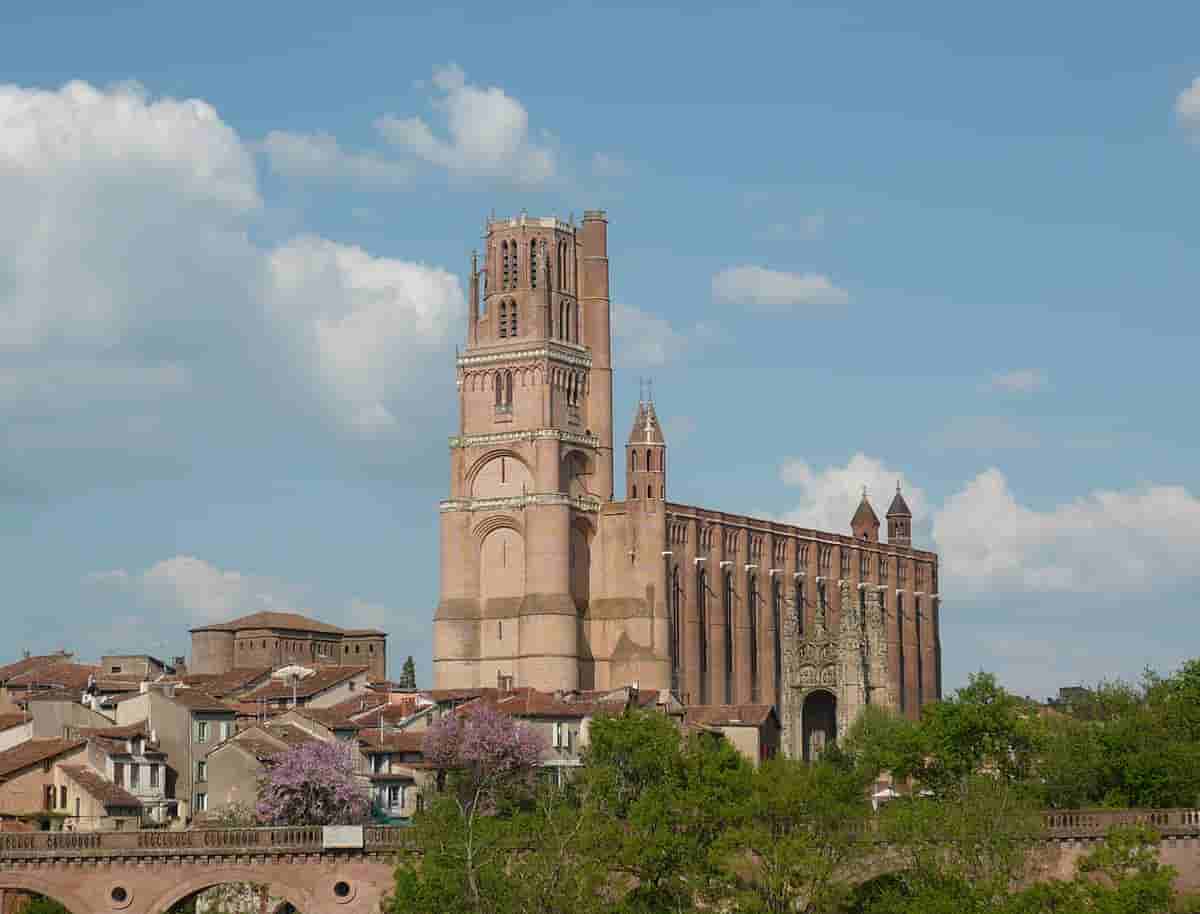
Albi Cathedral
A UNESCO World Heritage site and a stunning example of Southern Gothic architecture, built from distinctive red brick.
Toulouse-Lautrec Museum
Housed in the Berbie Palace, this museum holds the world's largest public collection of works by Henri de Toulouse-Lautrec.
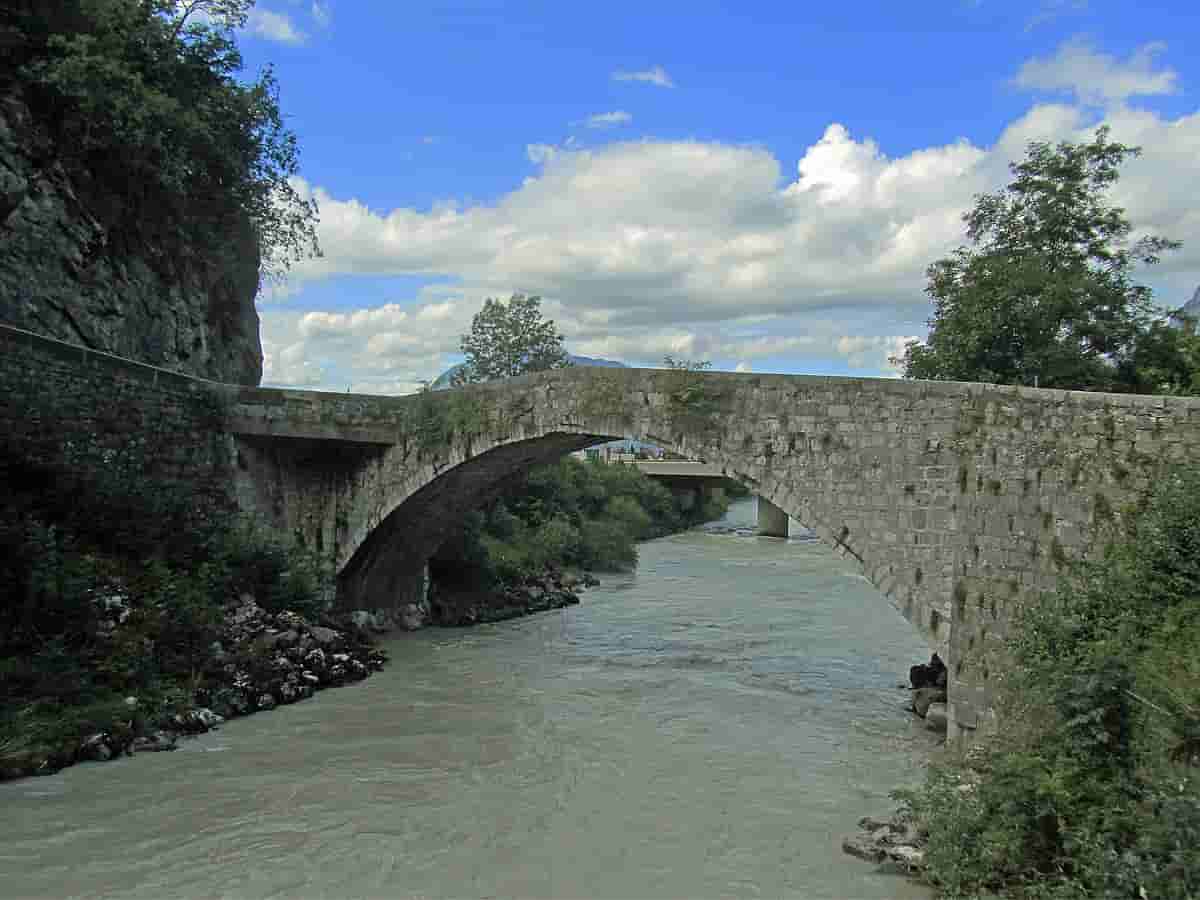
Pont Vieux
Old bridge over the Tarn River offering picturesque views of the city.
Old Bridge of Albi
Medieval bridge offering picturesque views of the Tarn River and cathedral.
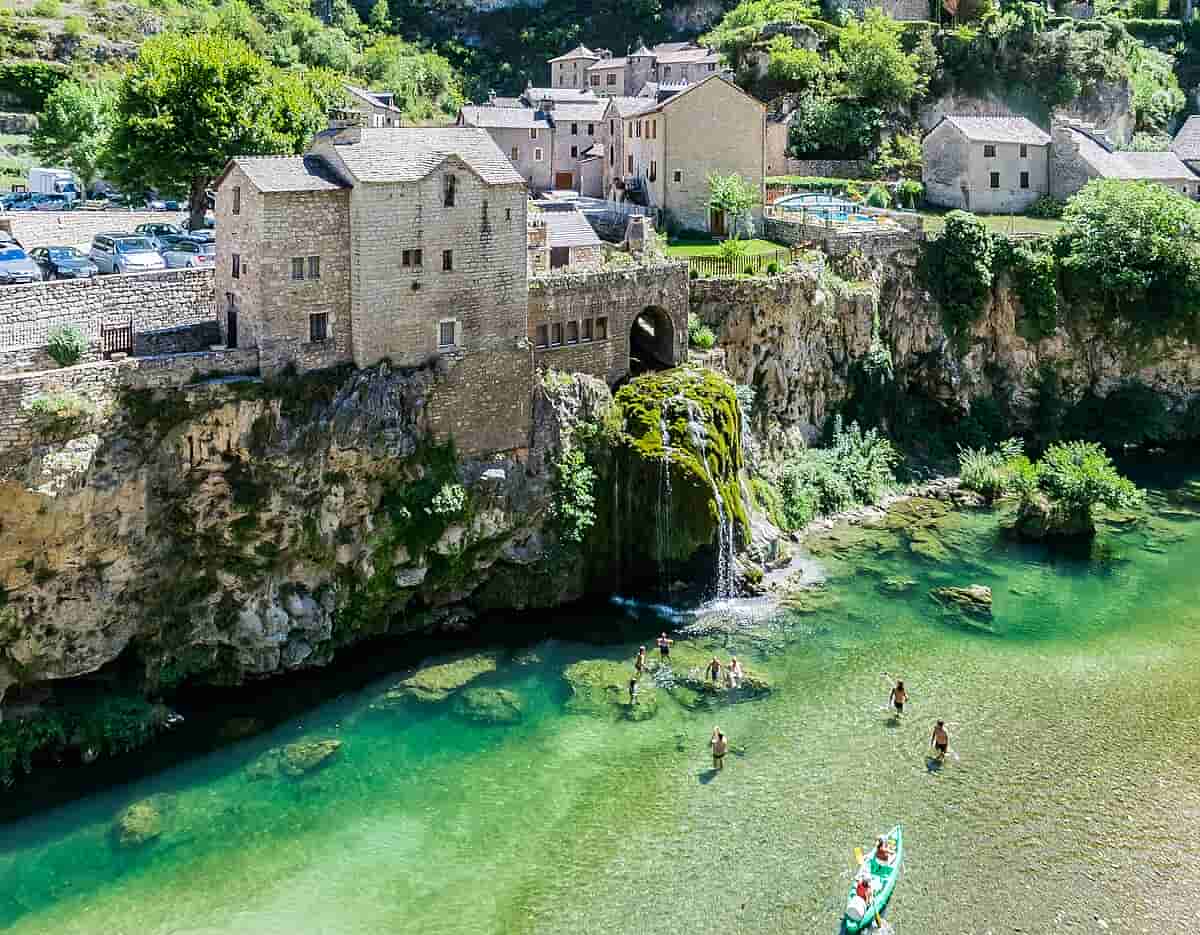
Tarn River
A picturesque river perfect for a leisurely stroll along its banks or a scenic boat tour to see Albi from the water.
Marché Couvert d'Albi
A vibrant covered market where you can sample and purchase fresh local produce, cheeses, and other regional specialties.
La Perrine Park
A peaceful public park with manicured lawns, flowerbeds, and a playground, ideal for a relaxing afternoon.
Old Bridge (Pont Vieux)
Medieval bridge offering scenic views of the Tarn River.
Old Bridge
Historic bridge over the Tarn River with scenic views.
Tarn Riverbank
A scenic riverside walk perfect for cycling and enjoying panoramic views of the Aveyron Valley.
Medieval Quarter
Charming cobblestone streets with half-timbered houses dating back to the 11th century.
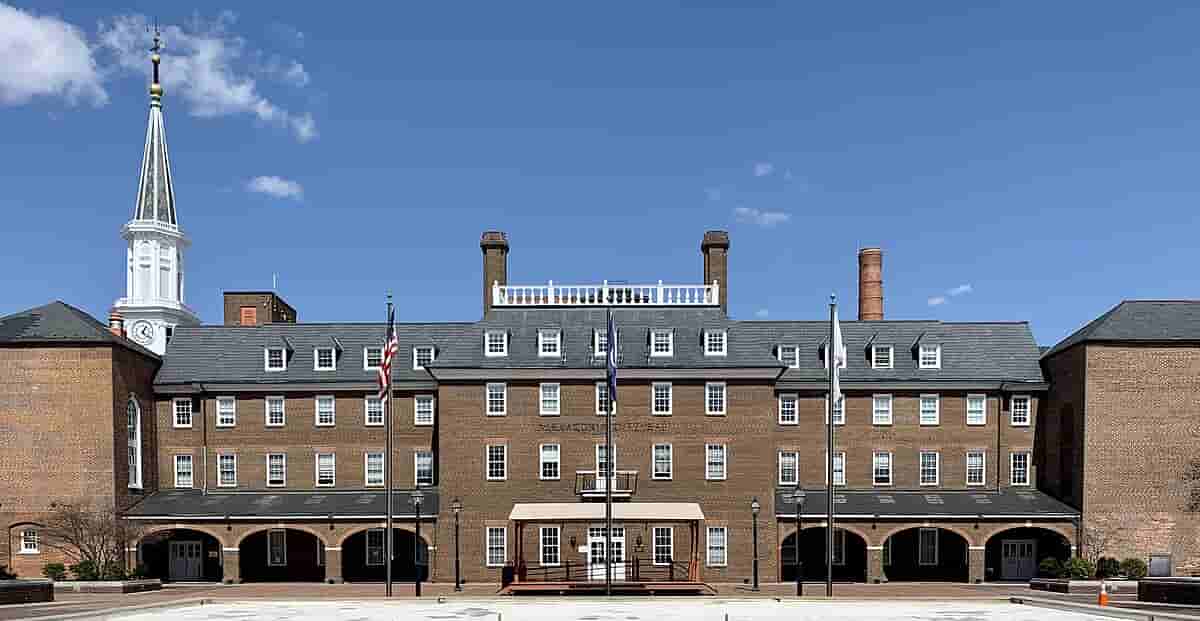
Old Town Albi
A charming medieval quarter with cobbled streets, half-timbered houses, and quaint shops and cafes.
🏘️ Neighborhoods
Le Centre Historique (Cathedral Quarter)
The UNESCO-listed heart of Albi, dominated by the Sainte-Cécile Cathedral and the Toulouse-Lautrec Museum. A maze of medieval streets, half-timbered houses, and quiet squares.
Les Berges du Tarn (Tarn Riverbanks)
The picturesque area along both sides of the Tarn River, offering beautiful walks, views of the Pont Vieux and cathedral, and recreational spaces like La Perrine Park.
Saint-Salvi
Named after the collegiate church, this charming neighborhood features the covered market (Marché Couvert), bustling shopping streets, and a lively local atmosphere.
La Madeleine
A primarily residential district across the Pont Vieux from the old center, offering more modern amenities, some hotels, and a different perspective of the cathedral skyline.
L'Hôpital / Cantepau
A quieter, more modern area to the north of the historic center, with convenient access to the main train station (Albi-Ville) and some larger hotel chains.
Rayssac
A southern suburb across the river, home to the Albi golf course and more spacious accommodations, providing a green and peaceful environment just minutes from the center.
🍽️ Local Cuisine
Albi sits in the heart of the Tarn department, offering robust, rustic cuisine influenced by Gascony and Languedoc. Must-try signature dishes include 'Aligot,' a creamy blend of mashed potatoes, fresh Tomme cheese, and garlic; 'Cassoulet,' the slow-cooked bean, sausage, and confit duck stew; and 'Saucisse d'Albi,' a local pork sausage. Duck features prominently, in forms like magret (breast) and foie gras. For dessert, seek out the violet-infused sweets, a regional specialty. Dining culture is relaxed and centered on fresh, market-driven ingredients. The Marché Couvert d'Albi is the epicenter for food lovers, open every morning except Monday. Meals are leisurely affairs. Price ranges vary: a budget lunch can be found for under €15, a good mid-range restaurant meal costs €25-€40, while fine dining will be €50+. Etiquette is standard French: a polite 'Bonjour' upon entering, patience with service pace, and it's customary to order a 'café' to signal the end of a meal.
💡 Local Tips
🚗 Day Trip Ideas
Cordes-sur-Ciel
A stunning medieval hilltop village perched on a rocky peak, often rising above the clouds. Famous for its Gothic houses, artisan shops, and panoramic views.
Toulouse
The vibrant 'Pink City,' regional capital with world-class aerospace museums, the Capitole square, Basilica of Saint-Sernin, and bustling cafes along the Garonne.
Gaillac Vineyards
Explore the scenic vineyards of one of France's oldest wine regions. Visit local wineries (domaines) for tastings of the unique local wines.
Castres
A charming town known for its Goya Museum, beautiful gardens designed by Le Nôtre, and historic tanneries' houses overhanging the Agout River.
Réalmont & the Sidobre
Discover a surreal landscape of giant granite boulders in the Sidobre forest, followed by a visit to the bastide town of Réalmont.
Lautrec
A picturesque hilltop village, one of France's 'Most Beautiful,' famous for its pink garlic and as the historic seat of the counts of Toulouse-Lautrec's family.
🛡️ Safety Tips
Albi is an exceptionally safe city with a low crime rate. Violent crime is rare, and the central tourist areas are well-patrolled. Standard precautions apply: be aware of your surroundings in crowded places like the market, secure your valuables, and avoid leaving bags unattended. Petty theft like pickpocketing is the primary concern, though it's less common than in larger French cities. There are no specific areas to avoid, but exercising normal caution at night is wise. Emergency numbers are standard for France: 112 (EU-wide emergency), 17 (Police), 15 (Medical). The tap water is safe to drink. Pharmacies are marked by a green cross and pharmacists can provide advice for minor ailments. It's recommended to carry a copy of your passport and have travel insurance that covers healthcare.
💰 Budget Guide
Albi is a moderately priced destination. A budget traveler can manage on €50-€70 per day by staying in hostels or budget hotels (from €50/night), enjoying picnics with market goods and lunch menus (€10-€15), walking everywhere, and visiting free attractions like the cathedral interior and river walks. A mid-range budget of €100-€150 per day allows for a comfortable hotel (€80-€120/night), dining at good local restaurants for two meals (€30-€50), occasional taxis, and paid museum entries (€10-€12 each). A luxury experience (€200+/day) includes boutique or upscale hotels, fine dining, private tours, and car rentals. Money-saving tips: visit on the first Sunday of the month for free museum entry, purchase a combined ticket for the cathedral treasury and Toulouse-Lautrec Museum, eat the 'plat du jour' at lunchtime, and utilize the excellent municipal bus system.