Welcome to Aceh
Aceh, the northernmost province of Indonesia, is a destination of profound resilience, breathtaking natural beauty, and deep spiritual significance. Located at the tip of Sumatra, where the Indian Ocean meets the Malacca Strait, it offers a unique blend of dramatic history and serene landscapes. Known as the 'Veranda of Mecca' for its strong Islamic identity, Aceh is a place where majestic mosques stand as symbols of faith and recovery, most notably the stunning white-and-black domes of the Baiturrahman Grand Mosque. Yet, its soul is also tied to the sea, with world-class diving around Pulau Weh and pristine beaches like Iboih and Lhoknga offering paradisiacal escapes. The 2004 tsunami left an indelible mark, and the powerful Aceh Tsunami Museum serves as a poignant memorial and testament to human strength. For travelers, Aceh provides a range of accommodations, with 111 hotels offering an average nightly rate of $83.50, catering to explorers seeking both cultural depth and coastal tranquility over a recommended 2-3 day stay.
Overview
Aceh is a special autonomous region in Indonesia, renowned for its distinct cultural and historical identity. Its history is marked by the powerful Sultanate of Aceh, a center of trade and Islamic learning that resisted colonial powers for centuries. This legacy is visible today in its strong adherence to Sharia law, which influences daily life and dress. The province is famous for its incredible natural assets, particularly the marine biodiversity of Pulau Weh, a premier diving destination. The capital, Banda Aceh, is the cultural and administrative heart, home to historic sites and the tsunami museum. Key districts include the bustling city center around the Grand Mosque, the coastal areas of Ulee Lheue for sunset views, and the ferry ports connecting to Sabang on Pulau Weh. Aceh is also known for its warm, resilient people and its production of high-quality coffee and spices. The blend of solemn history, vibrant faith, and raw natural beauty makes it a uniquely compelling part of Indonesia.
🗓️ Best Time to Visit
The best time to visit Aceh is during the dry season, which typically runs from February to September. This period offers the most sunshine, lower humidity, and minimal rainfall, making it ideal for beach activities, diving around Pulau Weh, and exploring the city. The peak tourist season aligns with this dry period, especially from June to August and during Indonesian school holidays. The wet season, from October to January, brings heavier and more frequent rains, which can disrupt ferry services to the islands and outdoor plans, though prices may be lower and crowds thinner. Major cultural and religious events are tied to the Islamic calendar. Ramadan is a significant month of fasting; while visiting is possible, daytime dining options are limited, and the atmosphere is uniquely spiritual, culminating in the lively celebrations of Eid al-Fitr. The Aceh Tourism Festival, often held in August, showcases local culture, arts, and sports.
🌤️ Weather & Climate
Aceh has a tropical rainforest climate with consistently warm temperatures year-round and high humidity. The year is divided into a wet season and a drier season, with rainfall being the primary variable.
Seasons
Dry Season
💨 Humidity: high
Sunny and hot days with occasional short showers. Ideal for all outdoor activities, especially beach and water sports.
Wet Season
💨 Humidity: very high
Heavy, frequent rainfall, especially in the afternoons and evenings. High humidity. Sea conditions can be rougher.
Monthly Weather Details
January Weather
Best for: indoor activities, cultural sightseeing
February Weather
Best for: beach, diving, sightseeing
March Weather
Best for: beach, diving, sightseeing
April Weather
Best for: beach, diving, sightseeing
May Weather
Best for: beach, diving, sightseeing
June Weather
Best for: beach, diving, sightseeing
July Weather
Best for: beach, diving, sightseeing
August Weather
Best for: beach, diving, sightseeing
September Weather
Best for: beach, diving, sightseeing
October Weather
Best for: indoor activities, cultural sightseeing
November Weather
Best for: indoor activities, cultural sightseeing
December Weather
Best for: indoor activities, cultural sightseeing
🎒 What to Pack
All Year Round
- lightweight, loose-fitting clothing
- modest attire (long pants/skirts, covered shoulders)
- rain jacket or umbrella
- sunscreen
- insect repellent
- swimsuit
- comfortable walking shoes
- sandals
🚗 Getting Around
Getting around Aceh requires a mix of transportation modes. In Banda Aceh, the most common and flexible option is the becak (cycle rickshaw) for short trips, or the labi-labi (minibus) for fixed routes, both being very affordable. Metered taxis are available but less common; ride-hailing apps like Grab operate in the city and are recommended for convenience and fixed fares. For exploring further afield, renting a motorbike or car with a driver offers the most freedom, especially for trips to beaches like Lhoknga. Walking is pleasant in the central city areas near the Grand Mosque. To reach Pulau Weh (Sabang), you must take a public ferry or speedboat from Ulee Lheue port, a journey of about 2 hours. Sultan Iskandar Muda International Airport is about 15km from Banda Aceh center; taxis and ride-hailing services are available for the transfer. Costs are generally low: local transport costs just a few dollars, while a full-day car rental may range from $30-50.
🎯 Top Attractions
Pulau Weh Marine Park
Protected marine area with exceptional coral reefs
Iboih Beach
A scenic beach with crystal-clear waters ideal for snorkeling and relaxation.
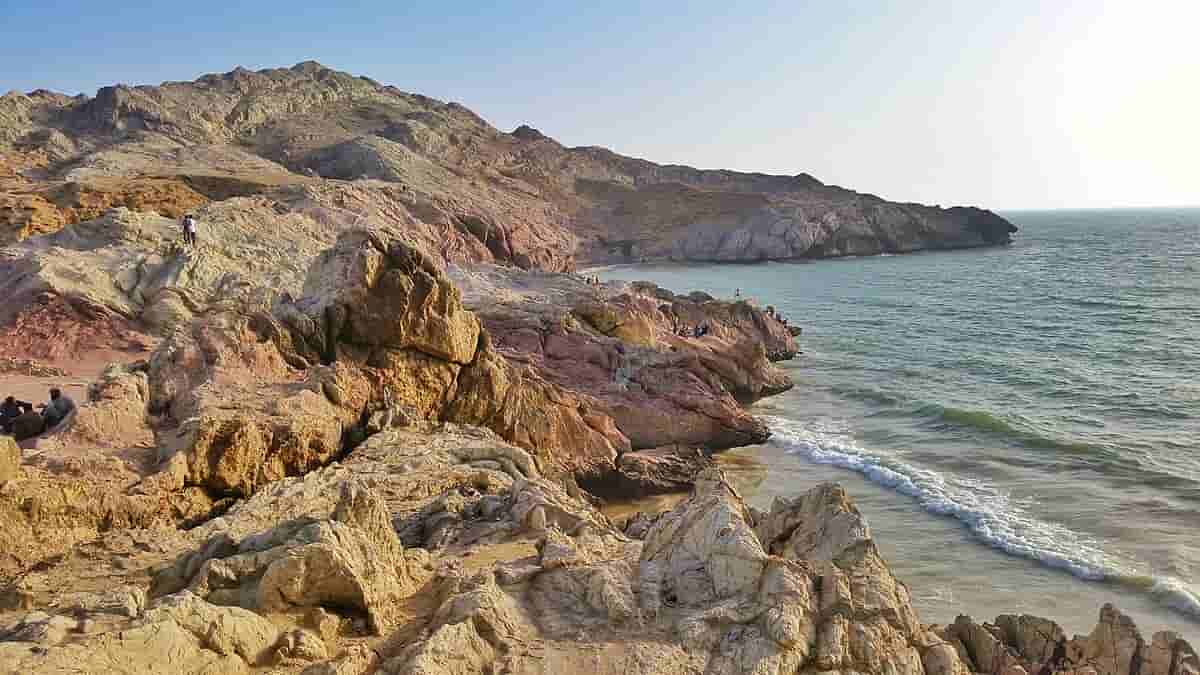
Gapang Beach
Popular beach for snorkeling and relaxing in a tranquil setting
Lhoknga Beach
Scenic coastal escape known for fresh seafood, sunset views and gentle waves just beyond the city.
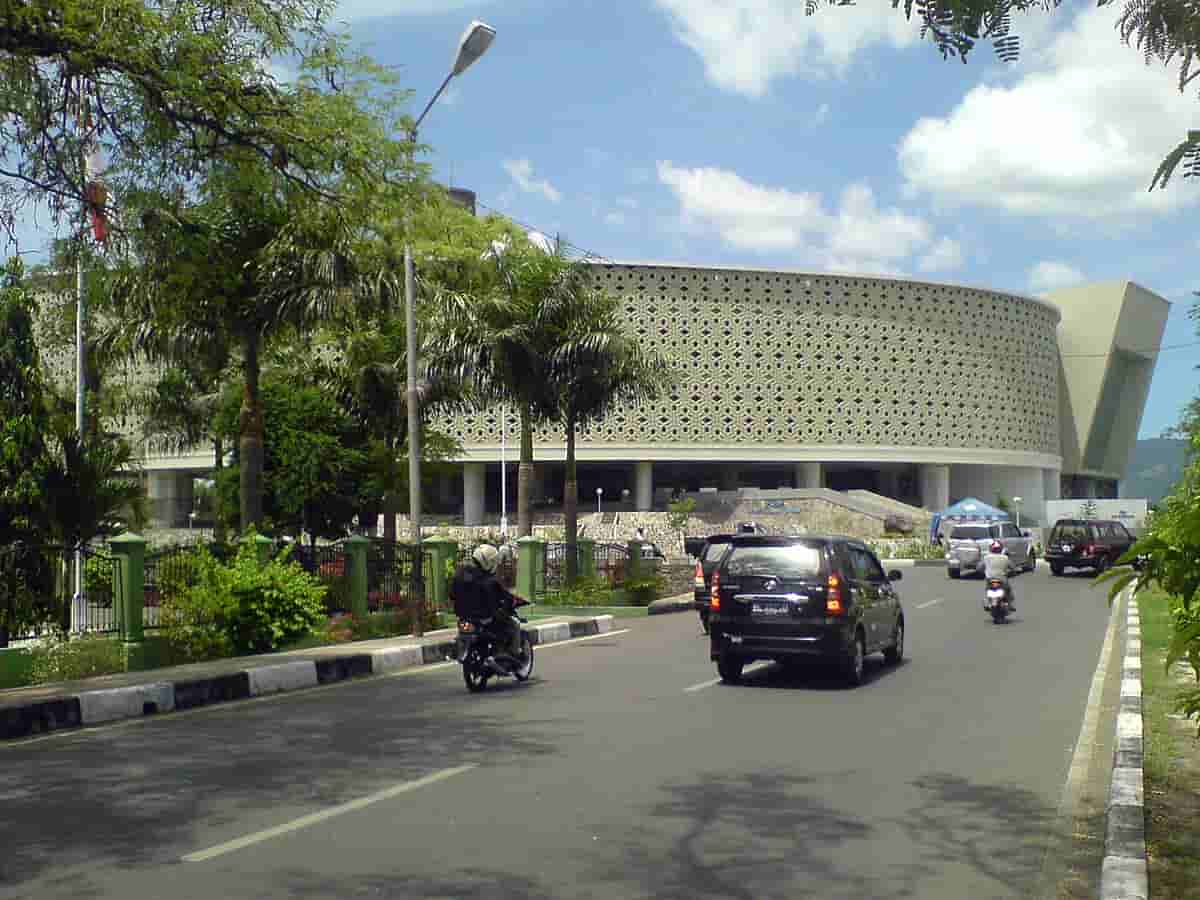
Aceh Tsunami Museum
Learn about the history of the 2004 tsunami and its impact on the region at this powerful and informative museum.
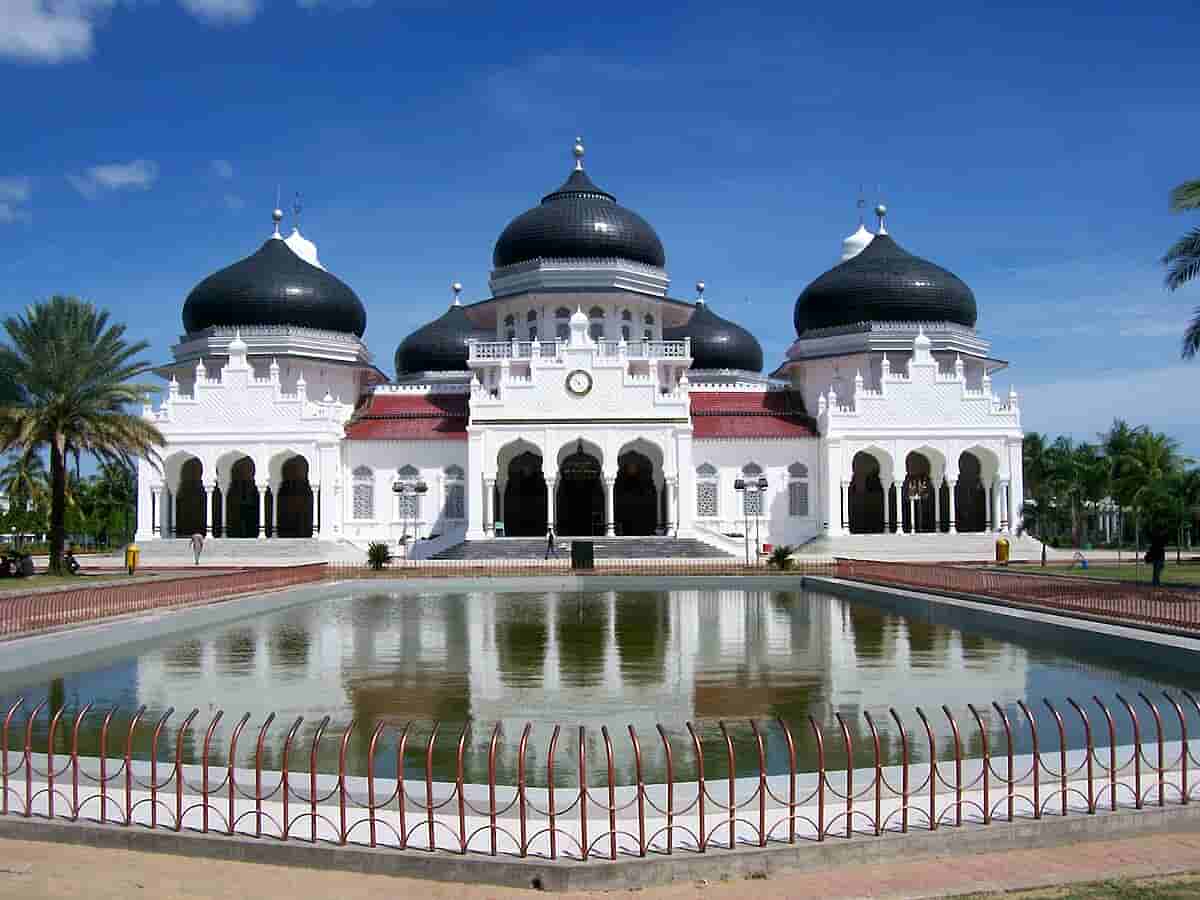
Baiturrahman Grand Mosque
A stunning mosque and cultural landmark in the heart of Aceh, offering visitors a peaceful and spiritual experience.
Ulee Lheue Beach
A serene beach perfect for relaxing and watching sunsets, rebuilt after the tsunami.
Local Markets
Traditional markets with Acehnese goods
Sabang Beach
A quiet, sandy beach perfect for swimming and watching local fishing activities.
RSUD Zainoel Abidin
A major public hospital in Banda Aceh.
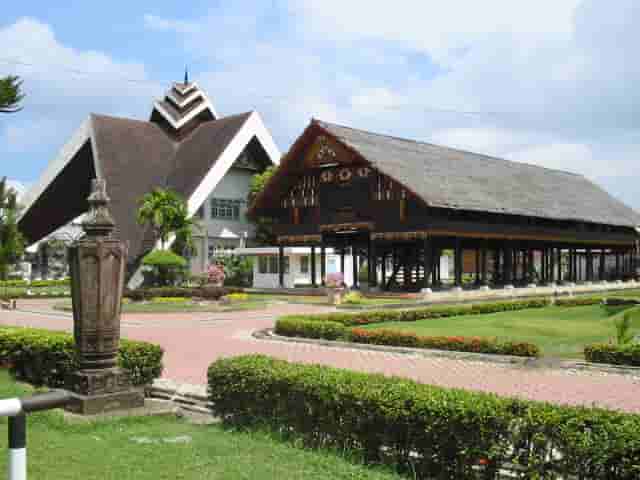
Aceh Museum
Regional museum revealing Aceh’s heritage through artifacts, textiles and exhibits on Islam and trade.
Tsunami Museum
A museum dedicated to the 2004 Indian Ocean earthquake and tsunami.
🏘️ Neighborhoods
Banda Aceh City Center
The historic and administrative heart, home to the Baiturrahman Grand Mosque, Tsunami Museum, and Sultan's Palace. Bustling with markets, government buildings, and main hotels.
Ulee Lheue
A coastal district west of the city center, known for its ferry port to Pulau Weh and its beautiful beach with sunset views and seafood restaurants.
Peunayong
A commercial and Chinatown district with a denser concentration of shops, older architecture, and a vibrant street food scene, particularly along Jalan Khairil Anwar.
Lambaro & Lamteh
Suburban areas to the south of the city center, offering a more residential feel, some guesthouses, and proximity to the airport.
Sabang (Pulau Weh)
The main town on the island of Weh, a gateway to world-class diving and snorkeling. A relaxed, small town with dive shops, beach bungalows, and a scenic harbor.
Iboih & Gapang (Pulau Weh)
Twin beach areas on Pulau Weh famous for their laid-back vibe, overwater bungalows, coral reefs right off the shore, and a backpacker-friendly atmosphere.
Lhoknga
A coastal area south of Banda Aceh known for its long black-sand beach, powerful surf, and dramatic scenery. Home to a few resorts and surf camps.
🍽️ Local Cuisine
Acehnese cuisine is famously bold, spicy, and rich with flavor, reflecting its history as a spice trade hub. Signature dishes are a must-try. Mie Aceh is a standout: thick, yellow noodles stir-fried or served in a savory, spicy soup with seafood or meat. Ayam Tangkap features fried chicken with a heap of crispy green leaves and chilies. For seafood lovers, Ikan Kayu is a unique dish of spiced, dried fish. Dining is often a communal affair, with meals typically eaten with the right hand. Popular food areas include the night markets (pasar malam) in Banda Aceh and the simple warungs (eateries) lining the beaches. Price ranges are very budget-friendly: a hearty meal at a local warung can cost under $3, while mid-range restaurants may charge $5-10 per person. Etiquette is important; dress modestly when dining in public, and while alcohol is prohibited due to Sharia law, the local coffee (kopi Aceh) is strong and excellent.
💡 Local Tips
🚗 Day Trip Ideas
Pulau Weh (Sabang)
A tropical island paradise renowned for world-class diving, snorkeling, and relaxed beach life. Visit Kilometer Zero monument.
Lhoknga Beach
Famous black-sand beach with powerful waves, popular with surfers. Enjoy the dramatic coastal scenery and fresh seafood cafes.
Lampuuk Beach
A beautiful, long stretch of white sand near Lhoknga, offering calmer waters for swimming and a more relaxed atmosphere.
Jantho Nature Reserve
A forested area in the hills offering hiking, wildlife spotting (including orangutans in rehabilitation), and cooler temperatures.
Banda Aceh Historical Tour
Explore sites within the city: the Tsunami Museum, Kerkhoff Peutjut Dutch War Cemetery, and the Gunongan Historical Park.
🛡️ Safety Tips
Aceh is generally safe for travelers, with low rates of violent crime. However, it is a conservative region operating under Sharia law, so respecting local customs is paramount for your safety and to avoid fines. Dress modestly in public, and public displays of affection are frowned upon. Alcohol consumption, gambling, and homosexuality are illegal. Be cautious of petty theft in crowded areas like markets; keep valuables secure. When swimming, heed warnings about currents, especially at beaches like Lhoknga. Health-wise, drink only bottled or purified water, and ensure you have travel insurance. Emergency numbers: Police 110, Ambulance 118, Search and Rescue 115. Be aware that during Ramadan, eating, drinking, or smoking in public during daylight hours is prohibited for everyone.
💰 Budget Guide
Aceh is a very affordable destination. A budget traveler can manage on $25-35 per day, staying in basic guesthouses ($10-15/night), eating at local warungs ($2-5 per meal), and using public transport. Mid-range travelers spending $50-80 per day can enjoy comfortable hotels ($30-50/night), meals at nicer restaurants, occasional taxis, and paid activities like snorkeling trips. A luxury budget of $100+ per day affords boutique or resort stays, private drivers, fine dining (where available), and premium diving packages. Major costs: budget hotels from $15, mid-range from $40, luxury from $80; local meals $1-5, restaurant meals $5-15; ferry to Pulau Weh ~$5-15; scooter rental ~$5-10/day. Money-saving tips: Use ride-hailing apps for fixed fares, eat at pasar malam (night markets), book accommodation in advance during peak season, and consider traveling in a small group to share costs for drivers.