Welcome to Krasnodar
Nestled on the banks of the mighty Kuban River, Krasnodar is the vibrant, sun-drenched heart of southern Russia. Often called the 'Gateway to the Caucasus' or Russia's 'Little Paris,' this city of over a million pulses with a unique energy, blending Cossack heritage with modern ambition. As the capital of the fertile Krasnodar Krai, it's a hub of commerce, culture, and a surprisingly balmy climate that feels worlds away from the stereotypical Russian winter. Visitors are greeted with wide, tree-lined boulevards, bustling cafes, and a palpable sense of prosperity. The city's skyline is a fascinating mix of historic architecture and bold new projects, like the stunning Galitsky Park, a world-class football stadium built into a verdant ravine. With 88 hotels offering an average nightly rate of around $84, finding comfortable accommodation to suit any budget is refreshingly straightforward, making it an accessible base for exploring the riches of the region. Whether you're here for a day or two en route to the Black Sea coast or to delve into the distinct Kuban culture, Krasnodar offers a warm and dynamic introduction to Southern Russia.
Overview
Founded in 1793 as Yekaterinodar (Catherine's Gift) by Catherine the Great, Krasnodar was a fortress and gift to the Black Sea Cossacks. This Cossack legacy remains its cultural cornerstone, visible in traditions, cuisine, and the proud demeanor of its residents. Renamed Krasnodar (meaning 'Beautiful Gift') in 1920, the city evolved into the administrative and economic capital of Russia's most important agricultural region. Today, it's famous for its entrepreneurial spirit, pleasant subtropical climate, and as a major transport hub for the nearby Black Sea resorts like Sochi. The city is not defined by distinct tourist districts but rather by its lively central areas. The main artery, Krasnaya Street, is a pedestrian-friendly promenade lined with shops, restaurants, and historic buildings. Key areas include the City Park and Chistyakovskaya Grove for recreation, and the developing areas around the Krasnodar Stadium. Krasnodar is a city that lives outdoors, with parks, fountains, and sidewalk cafes forming the backdrop to daily life, offering a blend of southern hospitality and urban sophistication.
🗓️ Best Time to Visit
The best time to visit Krasnodar is from late April to early June and from September to October. These shoulder seasons offer pleasantly warm temperatures (15-25°C / 59-77°F), fewer crowds, and lush greenery or golden autumn colors. Summer (July-August) is peak season, characterized by hot, sunny weather often exceeding 30°C (86°F). This is when the city is most vibrant but also hottest, with occasional thunderstorms. Major summer events include open-air concerts and festivals in the city parks. Winter (December-February) is mild but damp and grey, with temperatures hovering around freezing and occasional snow that rarely lasts. It's the off-peak season, offering lower hotel rates but fewer outdoor activities. Spring brings the city to life with blooming chestnut trees, while fall is harvest time, perfect for enjoying the region's famed produce. For ideal sightseeing weather, aim for May or September.
🌤️ Weather & Climate
Krasnodar enjoys a humid subtropical climate with distinct seasons. Winters are short, mild, and damp, while summers are long, hot, and sunny. The city receives moderate precipitation throughout the year.
Seasons
Spring
💨 Humidity: moderate
A season of rapid change, from cool and wet in March to warm and pleasantly sunny by May. Blossoming trees make the city beautiful.
Summer
💨 Humidity: moderate
Hot and mostly sunny, with occasional heavy thunderstorms. Peak tourist season, ideal for evening strolls and park visits.
Autumn
💨 Humidity: moderate
Mild and pleasant early on, becoming cooler and rainier later. September is particularly lovely, with harvest festivals.
Winter
💨 Humidity: high
Grey, damp, and chilly with occasional frosts and light snow that melts quickly. The quietest time for tourism.
Monthly Weather Details
January Weather
Best for: indoor activities, museums
February Weather
Best for: indoor activities, museums
March Weather
Best for: early sightseeing
April Weather
Best for: sightseeing, parks
May Weather
Best for: sightseeing, outdoor cafes
June Weather
Best for: parks, evening walks
July Weather
Best for: parks, evening walks
August Weather
Best for: parks, evening walks
September Weather
Best for: ideal sightseeing, festivals
October Weather
Best for: sightseeing, parks
November Weather
Best for: museums, indoor activities
December Weather
Best for: museums, indoor activities
🎒 What to Pack
All Year Round
- comfortable walking shoes
- umbrella or light rain jacket
- power adapter (Type C/F)
🚗 Getting Around
Krasnodar has a decent and affordable public transport system consisting of buses, trolleybuses, trams, and marshrutkas (fixed-route minibuses). Marshrutkas are the most frequent and extensive, but require knowing your stop in advance; just hail one, pay the driver (around 30 RUB), and shout to get off. The city center is very walkable, especially along Krasnaya Street and the park areas. For longer distances, taxis are inexpensive and convenient; use Yandex.Taxi or Gett apps for reliable service and fixed fares, with a typical cross-town ride costing 200-400 RUB. Biking is becoming more popular, with some bike lanes and rental services available. The main airport, Pashkovsky (KRR), is about 12 km east of the center. The most economical transfer is by bus or marshrutka (route 53, 7), while a taxi to the city center costs approximately 500-800 RUB. There is no metro system.
🎯 Top Attractions
Galitsky Park
A modern park built around a football stadium, featuring gardens and playgrounds.
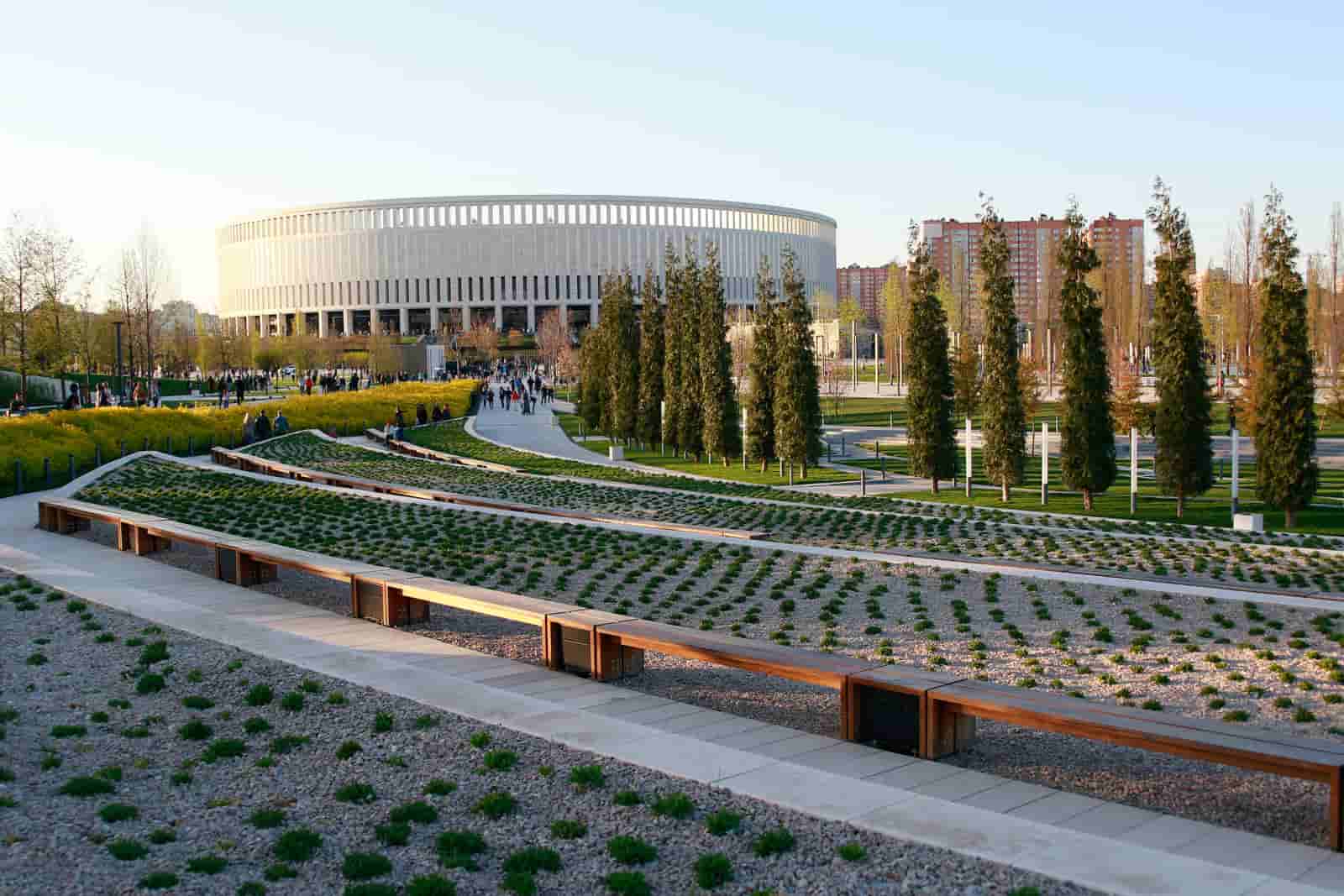
Krasnodar Stadium
Modern football stadium, home to FC Krasnodar, with architectural tours available.
Krasnodar Regional Art Museum
Museum featuring Russian and European art, including paintings and sculptures.
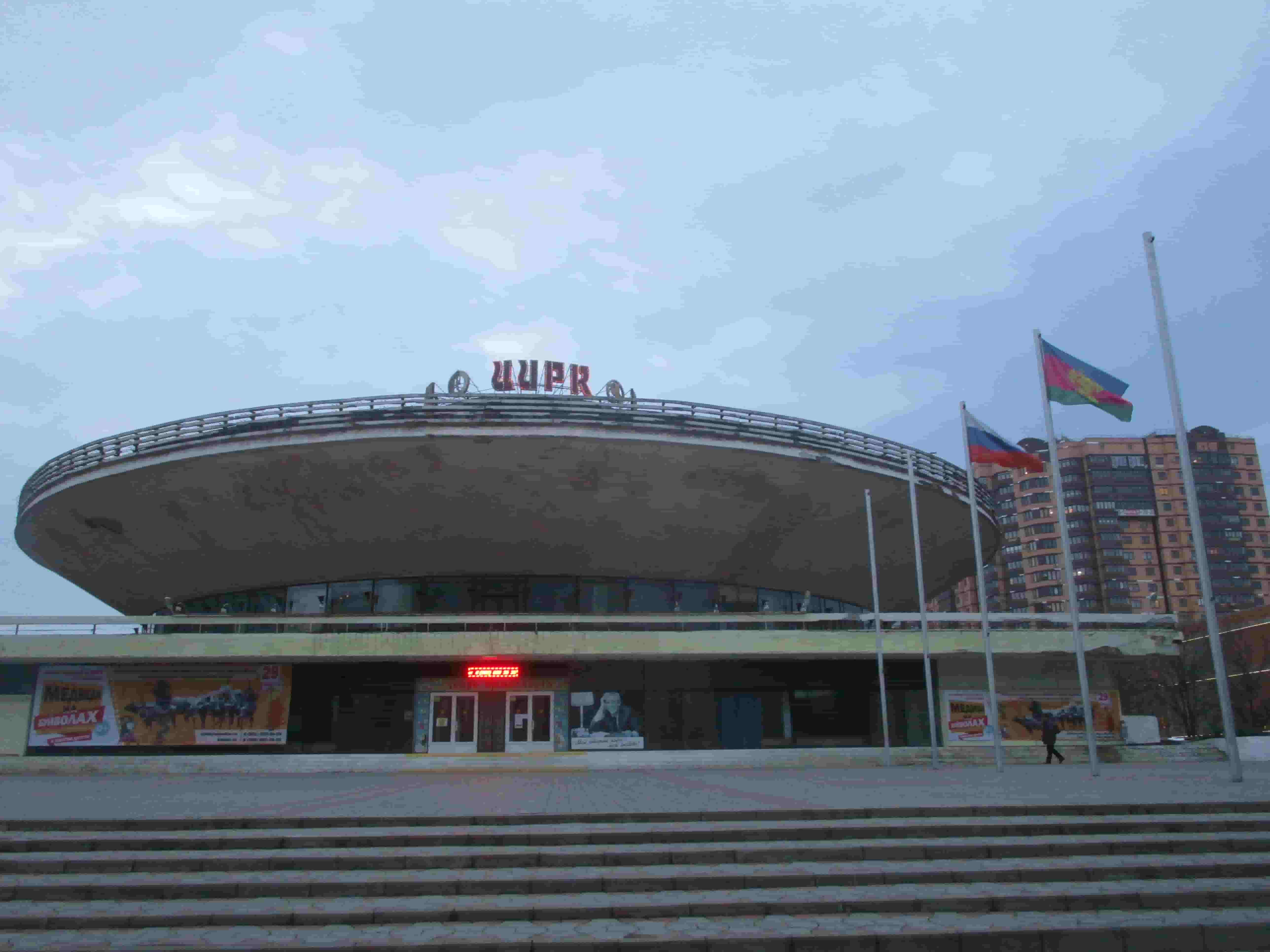
Krasnodar Circus
A popular venue for circus performances and family entertainment.
Chistyakovskaya Grove
A large park with lakes, walking paths, and recreational activities.
Shopping Mall Gallery Krasnodar
A modern mall with numerous shops, cafes, and a cinema.
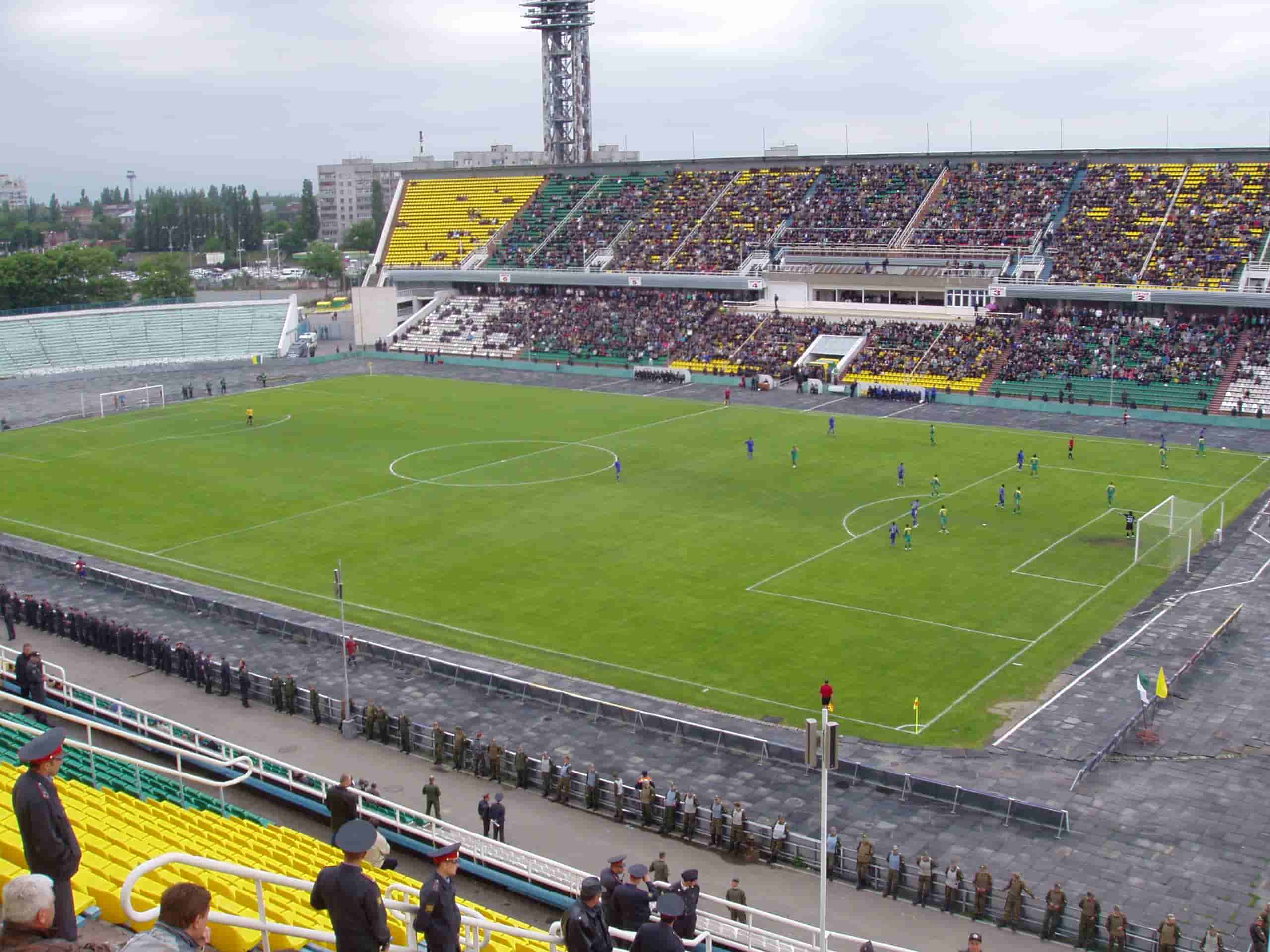
Kuban Stadium
Home to FC Krasnodar, hosting football matches and events.
Krasnodar City Park
A large urban park with walking paths, fountains, and recreational areas.
Shopping Center Galereya Krasnodar
Large mall with diverse shops and eateries.
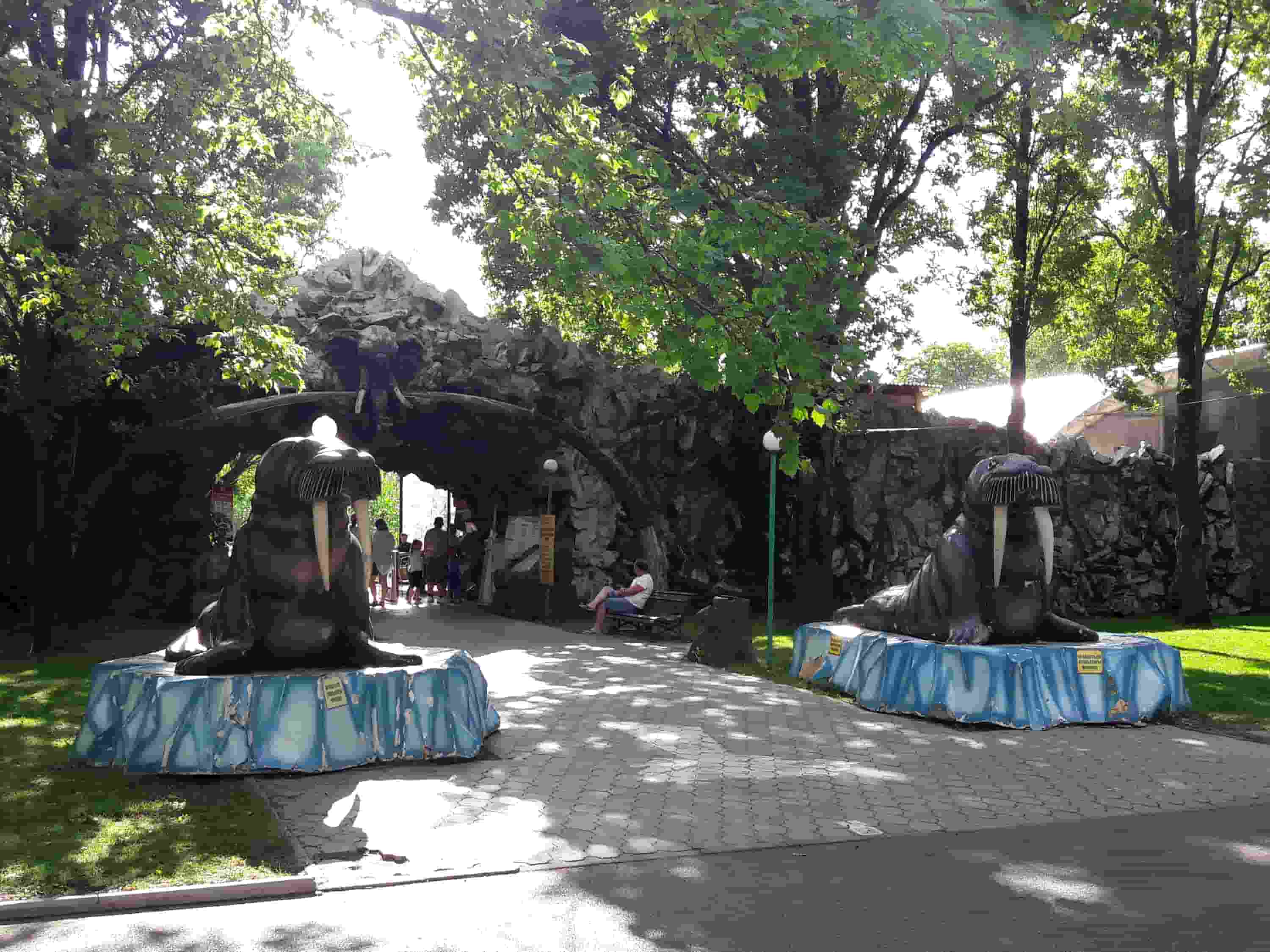
Krasnodar Safari Park
Zoo and safari park with exotic animals and educational programs.
Kuban River Embankment
A scenic riverside promenade perfect for walking, cycling, and enjoying city views.
Krasnodar Musical Theater
Cultural venue hosting ballet and opera performances
🏘️ Neighborhoods
Central (Tsentralny)
The historic and administrative heart, home to Krasnaya Street, major theaters, museums, and government buildings. Bustling with activity day and night.
City Park Area
Centered around the large City Park and the Kuban River embankment. A green, recreational zone with walking paths, cafes, and family attractions.
Zapadny (Western) Okrug
A modern, residential area with newer apartment complexes, shopping centers like Galereya Krasnodar, and the impressive Krasnodar Stadium.
Yubileyny Microdistrict
A quiet, primarily residential neighborhood known for its orderly layout, green spaces, and proximity to Chistyakovskaya Grove park.
FMG (Fanerny Zavod)
An old industrial area undergoing gradual revitalization, with some quirky bars, artist spaces, and a more alternative vibe.
Cheryomushki District
A vast, typical Soviet-era residential district with microdistricts of panel apartments. Offers an authentic glimpse into everyday local life.
🍽️ Local Cuisine
Kuban cuisine is the star here, a hearty and flavorful fusion of Ukrainian, Russian, and Caucasian influences, reflecting the region's Cossack and agricultural roots. Must-try signature dishes include borscht (a beetroot soup, often with meat), vareniki (dumplings stuffed with potato, cabbage, or cherries), and especially Kuban-style salo (cured pork fat, often served with garlic and rye bread). Given the fertile land, meals feature fresh vegetables, herbs, and sunflower oil. Don't miss trying local farmhouse cheeses and the region's excellent honey. For a unique experience, seek out a 'stolovaya' (canteen) for authentic, inexpensive home-style cooking. Dining is a social, leisurely affair. Popular food areas are along Krasnaya Street and in the shopping malls like Galereya Krasnodar. A budget meal can cost 300-500 RUB, mid-range 800-1500 RUB, and fine dining upwards of 2500 RUB. Tipping (5-10%) is appreciated but not always expected.
💡 Local Tips
🚗 Day Trip Ideas
Gelendzhik
A popular Black Sea resort town known for its long embankment, pebble beaches, and scenic surrounding mountains. Visit the Safari Park.
Taman Peninsula
A historic region with mud volcanoes, Cossack history museums, and the ancient site of Phanagoria. The heart of Kuban wine country.
Novorossiysk
Russia's main Black Sea port city. Explore the Malaya Zemlya memorial complex and the embankment, learning about its WWII history.
Lake Abrau
Home to the famous Abrau-Durso winery, Russia's premier producer of sparkling wine. Enjoy winery tours, tastings, and beautiful lake views.
Stanitsa Taman
A charming Cossack village on the Taman Peninsula, featuring the Lermontov Museum and the Ataman ethnographic Cossack village open-air museum.
🛡️ Safety Tips
Krasnodar is generally a safe city for travelers, with a low rate of violent crime. Standard urban precautions apply: be aware of your surroundings, especially at night in less crowded areas, and keep valuables secure. Petty theft like pickpocketing can occur in crowded markets, on public transport, and in busy tourist areas. Be cautious of taxi drivers not using a meter; always use a ride-hailing app for the best price and safety. Traffic can be aggressive, so exercise caution when crossing streets. Emergency numbers are 112 (general), 101 (fire), 102 (police), and 103 (ambulance). Tap water is not recommended for drinking; stick to bottled water. Medical facilities are adequate, but travel insurance is advised. As anywhere, avoid political demonstrations and be respectful of local customs.
💰 Budget Guide
Krasnodar offers good value compared to Western Europe or Moscow. A budget traveler can manage on 2,000-3,000 RUB per day, staying in hostels or budget hotels (from 1,500 RUB/night), eating at stolovayas or street food, and using public transport. Mid-range travelers spending 4,000-7,000 RUB daily can enjoy comfortable 3-4 star hotels (avg. $84/night), meals in nice restaurants, taxi rides, and paid attractions. A luxury budget of 10,000+ RUB per day covers premium hotels, fine dining, private tours, and car rentals. Key costs: marshrutka ride 30 RUB, taxi across town 300 RUB, museum entry 200-500 RUB, mid-range meal 1,000 RUB. Money-saving tips: explore the many free parks and gardens, eat at canteens (stolovayas), use marshrutkas, visit on weekdays for lower hotel rates, and enjoy the vibrant street life which costs nothing.