Welcome to Koh Lanta
Koh Lanta, a serene archipelago in the Andaman Sea off the coast of Krabi, Thailand, is the antidote to the frenetic energy of its more famous neighbors. This island paradise, composed of over 50 islands with Koh Lanta Yai as the main inhabited hub, offers a compelling blend of long, sandy beaches, lush jungle interiors, and a laid-back, multicultural charm. Unlike the single-party strips found elsewhere, Koh Lanta unfolds as a series of distinct beach communities connected by a single main road, allowing travelers to find their perfect pace, from vibrant social scenes to near-deserted coves. With a remarkable 395 hotels and resorts dotting its coastline and hillsides, accommodation options are plentiful, averaging a very reasonable $60.27 per night, catering to everyone from backpackers to luxury seekers. The island's significance lies in its preservation of natural beauty and authentic Thai-Muslim and Sea Gypsy culture, offering a more sustainable and culturally immersive Thai island experience. Its unique features include the historic Old Town, a stilted village reflecting Chinese merchant heritage, and the renowned Lanta Animal Welfare, a heartwarming sanctuary that has become a must-visit for animal lovers. Whether you seek adventure in the Mu Ko Lanta National Park, relaxation on the sands of Kantiang Bay, or a taste of local life, Koh Lanta promises a deeply rewarding escape.
Overview
Koh Lanta's history is a tapestry woven from the threads of Malay, Chinese, and Thai cultures, with a strong influence from the indigenous Sea Gypsy (Chao Leh) communities who were the island's original settlers. This is reflected in the island's dominant Thai-Muslim culture, visible in the mosques and modest dress, which lends a more conservative and peaceful atmosphere compared to other Thai islands. The island is famous for its stunning, west-facing beaches, each with its own personality: Long Beach (Phra Ae) is the social hub with sunset bars and budget bungalows; Klong Nin offers a family-friendly mix of sand and local restaurants; while Kantiang Bay presents a more upscale, secluded vibe backed by jungle. The interior is a world of rubber plantations, jungle trails, and small villages. The Old Town, on the east coast, is a historic trading port with century-old wooden shophouses on stilts over the water, showcasing the island's Chinese merchant past. Koh Lanta is also renowned for its commitment to ethical tourism, epitomized by the outstanding Lanta Animal Welfare center. The overall vibe is one of relaxed exploration, where days are spent beach-hopping, snorkeling at nearby islands, hiking in the national park, and enjoying spectacular Andaman sunsets.
🗓️ Best Time to Visit
The best time to visit Koh Lanta is during the dry season, from November to April, when skies are clear, seas are calm, and sunshine is abundant. This is the peak tourist season, with December to February being the busiest and most expensive period due to perfect weather. The shoulder months of November and April offer a great balance of good weather and slightly fewer crowds. The monsoon season runs from May to October, with the heaviest rains typically from September to October. Many boat tours, including those to the famous Emerald Cave on Koh Mook, cease operation during this period (usually from May to October) due to rough seas, and some businesses in quieter areas may close. However, the green season (July-August) can offer dramatic scenery, lower prices, and periods of sunshine between rains. There are no major city-wide festivals, but Thai national holidays like Songkran (Thai New Year in mid-April) and Loy Krathong (usually November) are celebrated locally. Visiting during the green season requires flexibility but rewards with lush landscapes and a truly tranquil island experience.
🌤️ Weather & Climate
Koh Lanta has a tropical monsoon climate characterized by distinct wet and dry seasons. It is hot and humid year-round, with temperatures consistently in the high 20s to low 30s Celsius (80s-90s Fahrenheit). The dry season brings abundant sunshine, while the monsoon season delivers heavy, intense rainfall.
Seasons
Dry Season
💨 Humidity: moderate
Sunny, hot days with low humidity and minimal rainfall. The sea is calm, making it ideal for beach activities, snorkeling, and island hopping.
Hot Season
💨 Humidity: high
The hottest time of year with high humidity. Afternoon thunderstorms become more frequent towards May, marking the transition to the monsoon.
Monsoon Season
💨 Humidity: high
Heavy, often torrential rainfall, especially from September to October. Seas can be rough, limiting boat tours. Lush green landscapes prevail.
Monthly Weather Details
January Weather
Best for: beach, snorkeling, sightseeing
February Weather
Best for: beach, snorkeling, sightseeing
March Weather
Best for: beach, sunset views
April Weather
Best for: beach, Songkran festival
May Weather
Best for: indoor activities, spa, low-season deals
June Weather
Best for: indoor activities, jungle trekking (when dry)
July Weather
Best for: indoor activities, reading, relaxing
August Weather
Best for: indoor activities, visiting animal welfare
September Weather
Best for: indoor activities, cultural visits in Old Town
October Weather
Best for: indoor activities, planning next trip
November Weather
Best for: beach, snorkeling, sightseeing
December Weather
Best for: beach, snorkeling, sightseeing, Loy Krathong
🎒 What to Pack
All Year Round
- lightweight clothing
- swimsuit
- sunglasses
- hat
- reef-safe sunscreen
- insect repellent
- reusable water bottle
☀️ Dry Season
- light cover-up for evenings
- good walking sandals
🚗 Getting Around
Getting around Koh Lanta is straightforward. The island has one main road running north to south. The most popular and flexible option is renting a motorbike or scooter, costing approximately 200-300 THB ($6-$9) per day. This is ideal for exploring beaches and the national park at your own pace, but caution is advised as roads can be winding and occasionally rough. For those not comfortable on two wheels, songthaews (converted pickup trucks with benches) serve as shared taxis along the main road; just flag one down and negotiate the fare (typically 50-100 THB per person for short hops). Private taxis and vans are also available but are more expensive for solo travelers. Many resorts offer free shuttle services to popular areas. Walking is feasible within individual beach areas, but distances between beaches are too great. There is no airport on Koh Lanta; the nearest is Krabi International Airport (KBV). Transfers involve a minivan (1.5-2 hours) plus a short car ferry crossing, with shared transfers costing around 400-600 THB per person. Private transfers are more convenient but costlier. Renting a car is possible but less common than motorbikes.
🎯 Top Attractions
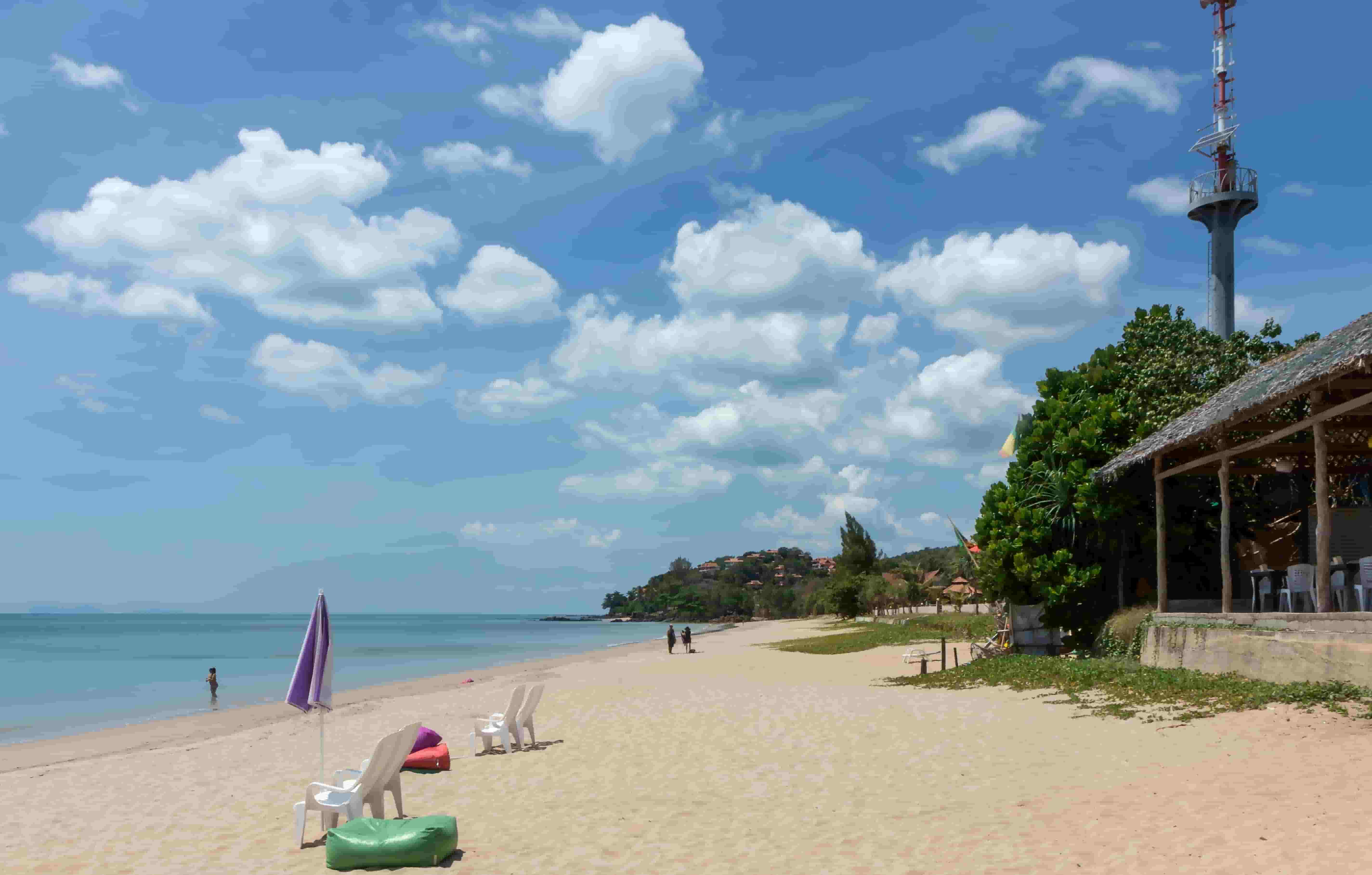
Klong Nin Beach
A beautiful, relaxed stretch of sand right at your doorstep, perfect for swimming and sunset views.
Old Town Koh Lanta
Charming historic village with teak houses, shops, and seafood restaurants.
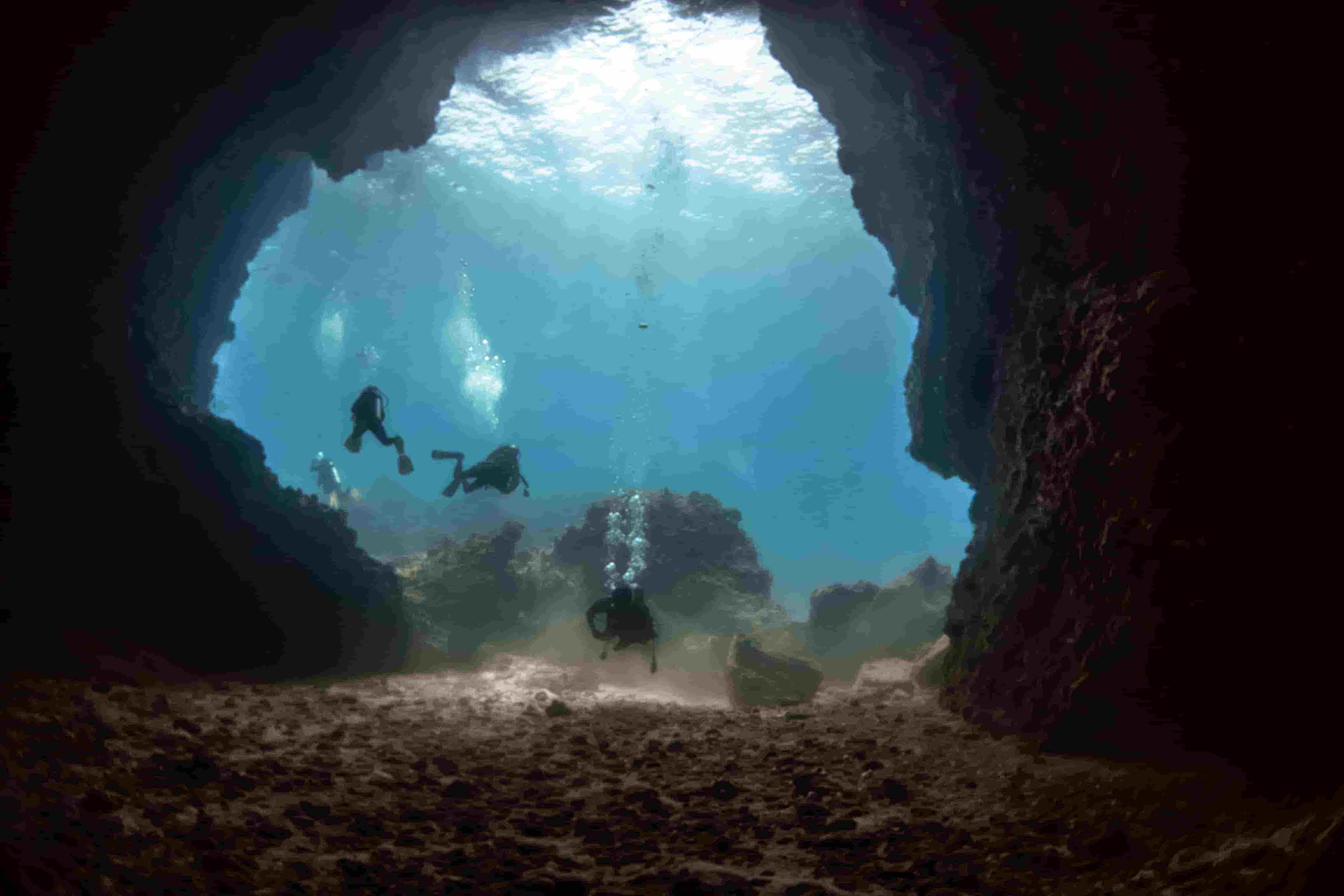
Mu Ko Lanta National Park
Explore this stunning natural wonder, featuring white-sand beaches, crystal-clear waters, and lush tropical forests.
Long Beach
Enjoy direct access to this stunning, white sand beach, perfect for swimming, sunbathing, and water sports.
Koh Lanta National Park
Explore the lush mangrove forests, towering limestone cliffs, and diverse wildlife of this protected natural paradise.
Old Town Lanta
A charming historic village built on stilts over the water, filled with shops, cafes, and a rich cultural history.
Lanta Animal Welfare
A non-profit organization that rescues and cares for the island's stray animals, offering visitors a chance to interact with and support the cause.
Kantiang Bay
A picturesque and serene bay surrounded by jungle, considered one of Koh Lanta's most beautiful beaches.
Lanta Old Town
Immerse yourself in the charming old-world atmosphere of this historic fishing village, with its colorful wooden houses and laid-back vibe.
Lanta Marina Resort
Luxury resort area with dining and water activities
Lanta Night Market
A lively market with local food, souvenirs, and entertainment.
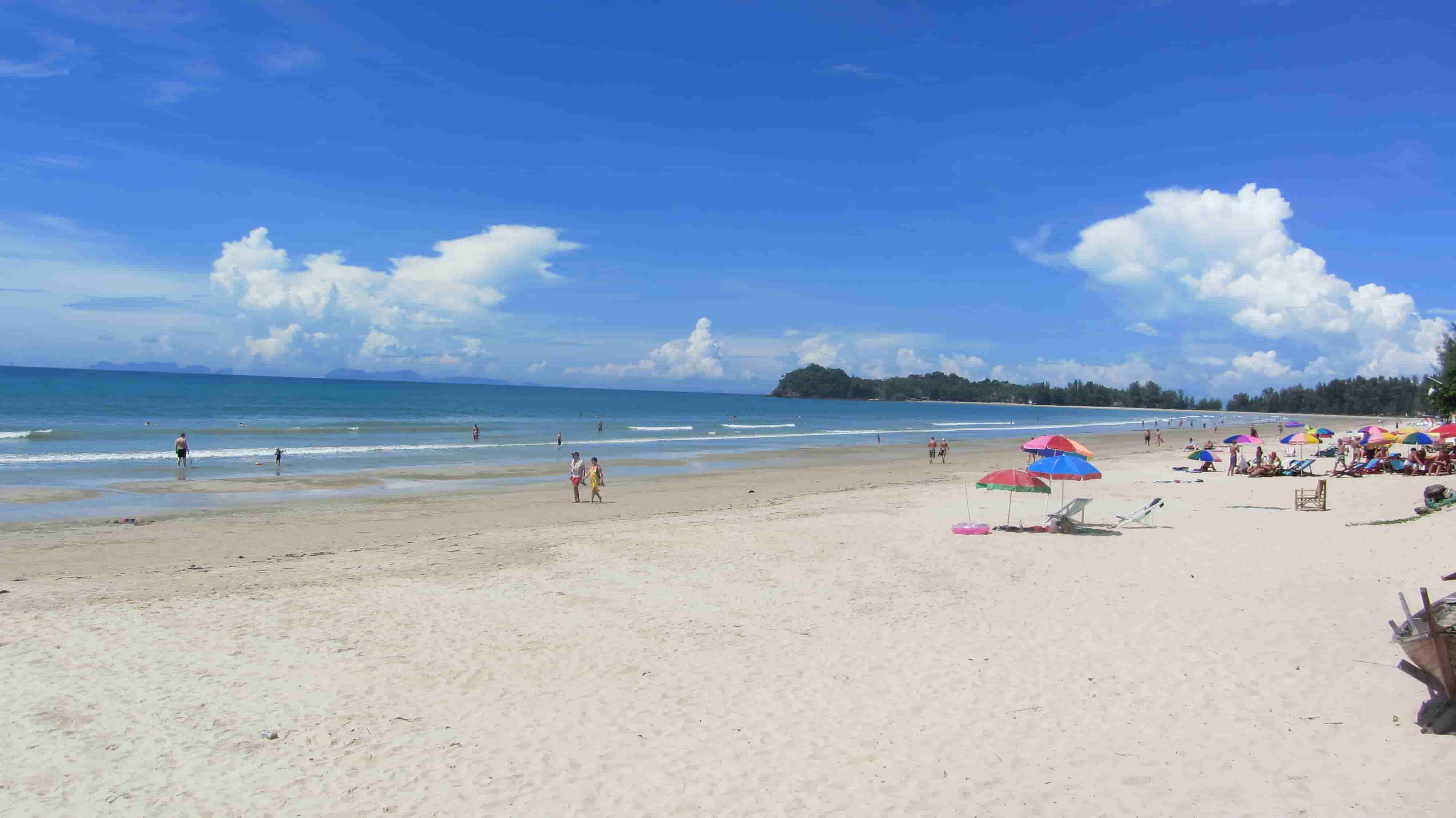
Klong Dao Beach
Stunning white sand beach with crystal clear waters, perfect for swimming, sunbathing, and beach activities.
🏘️ Neighborhoods
Saladan
The northern port area where the ferry arrives. A functional hub with tour agencies, convenience stores, and some budget accommodations. Not a beach area but the gateway to the island.
Long Beach (Phra Ae)
A long stretch of sandy beach with a lively, social atmosphere. Packed with budget to mid-range bungalows, bars, restaurants, and shops. The epicenter of Koh Lanta's casual nightlife and sunset views.
Klong Nin
A central beach area popular with families and long-term visitors. Offers a mix of local Thai restaurants, international cafes, and mid-range resorts. The beach is lovely and often less crowded than Long Beach.
Kantiang Bay
A beautiful, curved bay in the south near the national park. More upscale and secluded, with higher-end resorts, fine dining, and a stunning beach. Perfect for relaxation and romance.
Old Town (Lanta Old Town)
The historic east coast trading port. Charming wooden shophouses on stilts, now housing boutique hotels, art galleries, and seafood restaurants overlooking the sea. A glimpse into the island's multicultural past.
Klong Dao
A wide, shallow beach north of Long Beach. Very family-friendly with calm waters, plenty of resorts ranging from budget to upscale, and a relaxed vibe. Easy access to Saladan.
Southern Beaches (Bamboo Bay, Nui Bay)
Remote, rugged beaches near the national park. Access can be via rough roads. Offers extreme tranquility, basic bungalows, and a castaway feel. Few services available.
🍽️ Local Cuisine
Koh Lanta's cuisine is a delicious reflection of its southern Thai and Muslim heritage, characterized by bold, spicy, and often coconut milk-based flavors. Must-try signature dishes include Massaman Curry, a rich, mild Muslim curry with potatoes and peanuts; Khao Mok Gai (Thai biryani with chicken); and fresh seafood grilled with local spices, readily available at beachfront restaurants. Southern Thai staples like spicy stir-fried morning glory (Pad Pak Boong) and yellow crab curry are ubiquitous. Dining culture is casual, with options ranging from simple family-run shacks and night markets to upscale resort restaurants. The Lanta Old Town has several charming cafes and seafood spots overlooking the water. For authentic local food at budget prices, seek out the small roadside restaurants and the night markets that pop up in Saladan and Klong Nin. Price ranges are wide: a simple noodle dish can cost 60-100 THB ($2-$3), a seafood meal at a mid-range beach restaurant 300-600 THB ($9-$18), and fine dining significantly more. Etiquette is relaxed; it's customary to share dishes family-style. Remember, Muslim-owned establishments may not serve alcohol, and it's respectful to dress modestly when away from the main tourist beaches.
💡 Local Tips
🚗 Day Trip Ideas
Koh Rok & Koh Ha
A stunning twin-island snorkeling paradise known for crystal-clear water, vibrant coral reefs, and powdery white sand beaches. Often considered the best snorkeling spot near Koh Lanta.
Emerald Cave (Koh Mook) & Koh Ngai
Swim through a dark tunnel to the hidden Emerald Cave lagoon on Koh Mook, then relax on the beautiful beach of Koh Ngai. A classic Andaman adventure.
Krabi Town & Tiger Cave Temple
Explore the mainland's cultural hub, Krabi Town, with its riverside walkway and weekend market, then climb the 1,237 steps to the breathtaking Tiger Cave Temple (Wat Tham Suea) viewpoint.
Trang Islands (Koh Kradan, Koh Muk)
Discover the less-visited Trang archipelago, famous for pristine beaches like Paradise Beach on Koh Kradan and the stunning Emerald Cave on Koh Muk.
Mu Ko Lanta National Park (Lanta's South)
Explore the southern tip of Koh Lanta itself. Hike to the historic lighthouse for panoramic views, relax on the quiet beach, and spot wildlife like monkeys and monitor lizards.
Four Islands Tour (Koh Chuek, Koh Waen, etc.)
A popular and varied tour visiting four different islands for snorkeling, swimming, and beach time. A great introduction to the region's marine beauty.
🛡️ Safety Tips
Koh Lanta is generally a very safe destination with a low crime rate. The main risks are related to traffic and natural elements. Exercise extreme caution when renting and driving motorbikes; always wear a helmet, drive defensively, and avoid driving at night on poorly lit roads. Be mindful of strong currents, especially during the monsoon season, and always heed red warning flags on beaches. Petty theft is rare but can occur; use hotel safes for valuables. Common scams are minimal but be wary of overly cheap tour packages that may be substandard. In the more Muslim-conservative areas, dress modestly out of respect. For health, use mosquito repellent to prevent dengue fever. Drink bottled or filtered water. Emergency numbers: Tourist Police (1155), General Emergency (191). Medical facilities are available, but serious issues may require transfer to Krabi or Phuket. Overall, use common sense and respect the local culture for a trouble-free stay.
💰 Budget Guide
Koh Lanta can cater to various budgets, though it's generally more affordable than Phuket. A budget traveler can manage on 800-1,200 THB ($25-$35) per day: dorm bed or basic bungalow (300-500 THB), street food and local meals (200-300 THB), scooter rental (250 THB), and free beach time. Mid-range travelers spending 1,500-3,000 THB ($45-$90) daily can enjoy a comfortable air-conditioned hotel or resort (1,000-2,000 THB), nicer restaurant meals (500-800 THB), scooter rental, and paid activities like a snorkeling tour (1,200-1,800 THB). A luxury budget of 4,000+ THB ($120+) per day affords boutique villas, fine dining, private tours, and spa treatments. Money-saving tips: Travel during the shoulder or green season for lower accommodation rates, eat at local markets and roadside stalls, share songthaew rides, book tours directly with operators in person (but compare prices), and take advantage of happy hour drink specials. Many beaches and jungle walks are free.