Welcome to Kasugai
Nestled in the heart of Aichi Prefecture, Kasugai is a charming city that offers a perfect blend of suburban tranquility and easy access to the urban energy of nearby Nagoya. Often overlooked by international travelers rushing to Japan's megacities, Kasugai serves as a delightful and authentic base for exploring the Chubu region. Its significance lies in its position as a key residential and industrial suburb, providing a genuine slice of Japanese daily life away from the tourist crowds. The city is uniquely characterized by its beautiful natural spaces like the Kachigawa Riverside and Kasugai Forest Park, which offer serene escapes, alongside cultural gems such as the historic Kasugai Shrine. With a manageable scale that invites exploration, Kasugai is an ideal destination for travelers seeking to experience Japan beyond the postcard images. Visitors will find a comfortable stay here, supported by a selection of 7 hotels that cater to various preferences, with an average nightly rate providing excellent value. A recommended stay of one day allows you to soak in its local atmosphere, enjoy its green spaces, and use it as a springboard for wider adventures.
Overview
Kasugai, a city in Aichi Prefecture, has evolved from its historical roots as a post town on the important Nakasendo route into a thriving modern suburb of Nagoya. Its culture is deeply intertwined with its industrial present—it's famously known as the home of the globally recognized Morinaga & Company's caramel factory, a sweet symbol of the city. Kasugai is also renowned for its production of high-quality ceramics and pottery, continuing a proud local craft tradition. The city is administratively divided into several districts, with the area around Kasugai Station serving as the main commercial and transportation hub. Other notable districts include the serene neighborhoods surrounding Kasugai Shrine and the recreational zones along the Kachigawa River. What Kasugai is famous for, beyond its confectionery and ceramics, is its commitment to green living; it's designated as a "City of Greenery," with numerous parks and tree-lined streets. This balance of industry, culture, and nature defines the city's unique character, making it a place where tradition and modernity coexist harmoniously.
🗓️ Best Time to Visit
The best times to visit Kasugai are during the mild and pleasant seasons of spring (March to May) and autumn (October to November). Spring is particularly magical, with cherry blossoms typically blooming in late March to early April, transforming Kasugai Forest Park and the Kachigawa Riverside into picturesque pink wonderlands. Autumn offers crisp air and stunning fall foliage, perfect for park strolls. Summer (June to September) is hot and humid, with the rainy season (tsuyu) bringing significant precipitation in June and early July. While summer can be uncomfortable, it's also when local festivals like traditional shrine celebrations occur. Winter (December to February) is cold but generally dry and sunny, ideal for those who prefer cooler weather and fewer crowds; it's a great time for indoor attractions like the Kasugai City Museum. Peak tourist seasons align with national holidays like Golden Week (late April/early May) and Obon (mid-August), when accommodation may be pricier. For a balance of good weather and manageable crowds, aim for late spring or mid-autumn.
🌤️ Weather & Climate
Kasugai experiences a humid subtropical climate with four distinct seasons. Summers are hot and humid, while winters are generally mild to cool with little snowfall. The region receives moderate rainfall throughout the year, with a pronounced rainy season in early summer.
Seasons
Spring
💨 Humidity: moderate
Mild and pleasant, with blooming cherry blossoms in April. Ideal for outdoor sightseeing.
Summer
💨 Humidity: high
Hot, humid, and rainy, especially during the June-July rainy season. August is very hot but festive.
Autumn
💨 Humidity: moderate
Comfortable temperatures and lower humidity. Beautiful fall foliage appears in November.
Winter
💨 Humidity: low
Cool to cold, dry, and sunny. Rare snowfall. Perfect for clear-day outings and indoor activities.
Monthly Weather Details
January Weather
Best for: indoor activities, shrine visits
February Weather
Best for: early plum blossoms, cultural sites
March Weather
Best for: outdoor exploration
April Weather
Best for: cherry blossom viewing (hanami)
May Weather
Best for: park visits, festivals
June Weather
Best for: indoor attractions, hydrangea viewing
July Weather
Best for: summer festivals, evening activities
August Weather
Best for: festivals, river walks early/late
September Weather
Best for: sightseeing as heat subsides
October Weather
Best for: outdoor activities, hiking
November Weather
Best for: autumn foliage viewing
December Weather
Best for: illuminations, year-end shopping
🎒 What to Pack
All Year Round
- Umbrella or compact raincoat
- Comfortable walking shoes
- Power adapter
- Portable Wi-Fi or SIM card
🚗 Getting Around
Getting around Kasugai is straightforward, with its well-integrated public transportation system connecting it seamlessly to Nagoya and serving local needs. The JR Chuo Line is the primary rail artery, with Kasugai Station as the main hub, providing frequent and fast service to Nagoya Station (about 15-20 minutes). Local buses operated by Meitetsu Bus connect areas not served by train, including routes to Kasugai Forest Park and various residential districts. For direct point-to-point travel, taxis are readily available but can be expensive; ride-sharing apps like Uber operate but are less common than hailed cabs. Within central areas, walking and biking are excellent options, with the city's flat terrain and numerous cycling paths making it bike-friendly; some hotels may offer bicycle rentals. For airport transfers, Nagoya Airport (Komaki Airport) is incredibly close, just a short taxi or bus ride away, while the larger Chubu Centrair International Airport is about an hour away via the Meitetsu Airport Line from Nagoya. A prepaid IC card like Manaca or Suica is highly recommended for seamless travel on trains and buses. Costs are reasonable, with local train fares starting around 140 yen and bus fares similarly priced.
🎯 Top Attractions
Nagoya Airport Observation Deck
Deck offering views of airplane takeoffs and landings.
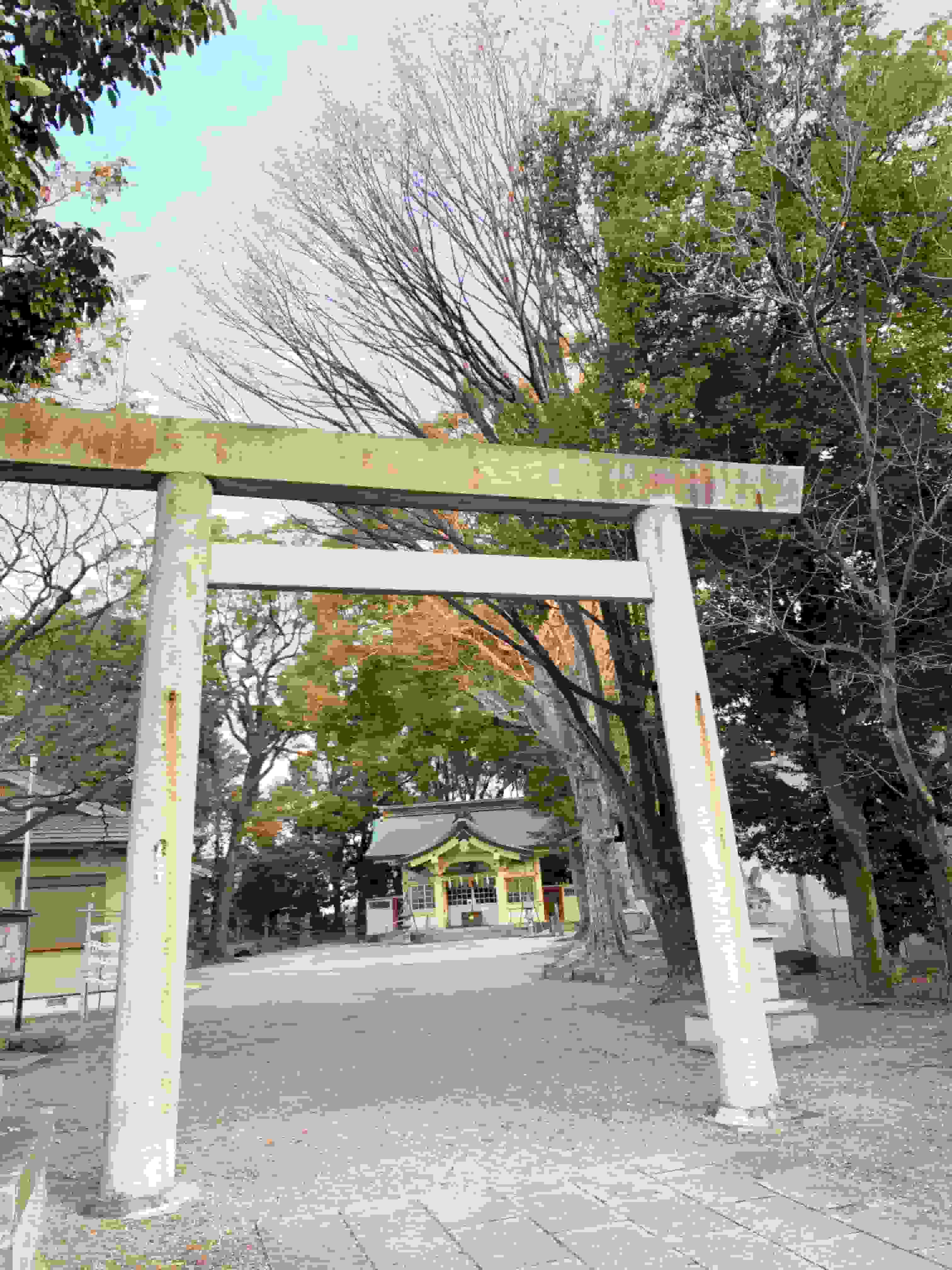
Kasugai Shrine
Historic Shinto shrine with peaceful grounds and festivals.
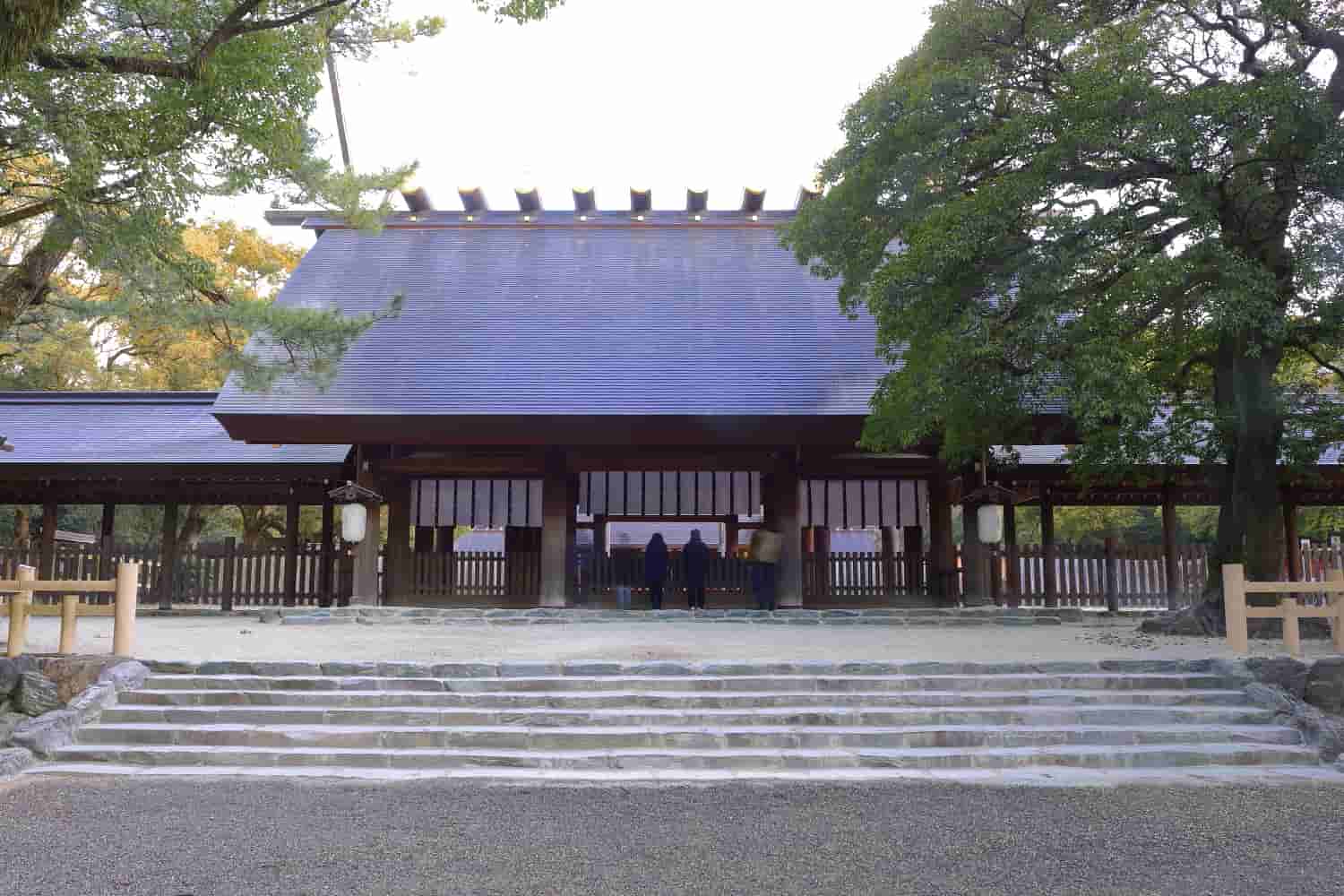
Atsuta Jingu
One of Japan's most important Shinto shrines.
Kasugai Forest Park
A large park with walking trails, a pond, and seasonal flowers.
Kachigawa Riverside
A pleasant riverside area popular for cycling and cherry blossoms.
Nagoya City
A major city with castles, museums, and shopping districts.
Kasugai City Museum
Local history museum with exhibits on regional culture.
Kachigawa River
Riverfront area for walking and cherry blossoms.
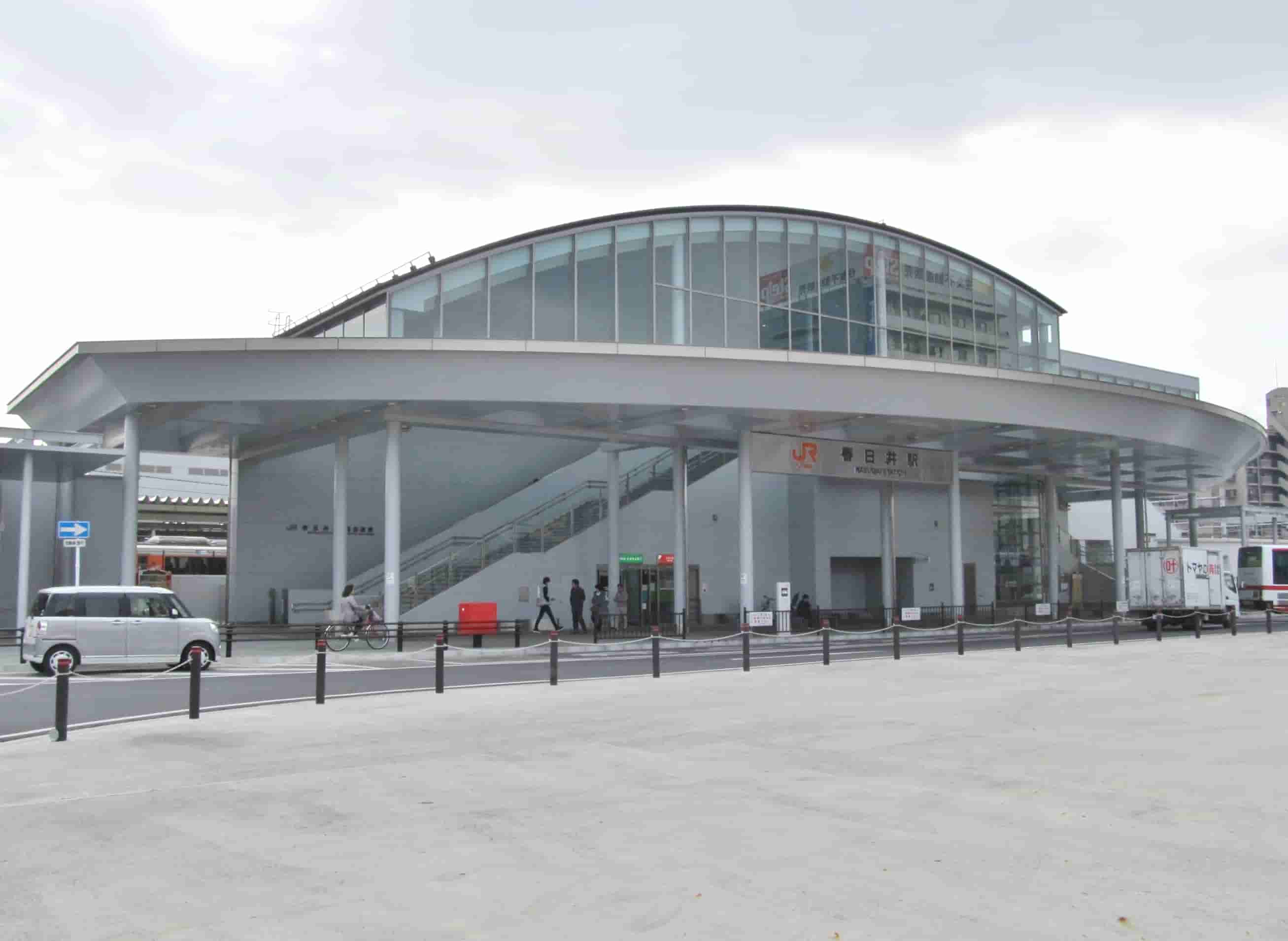
Kasugai Station
Central train station with easy access to Nagoya and beyond.
Shirotori Garden
Traditional Japanese landscape garden with ponds and teahouses.
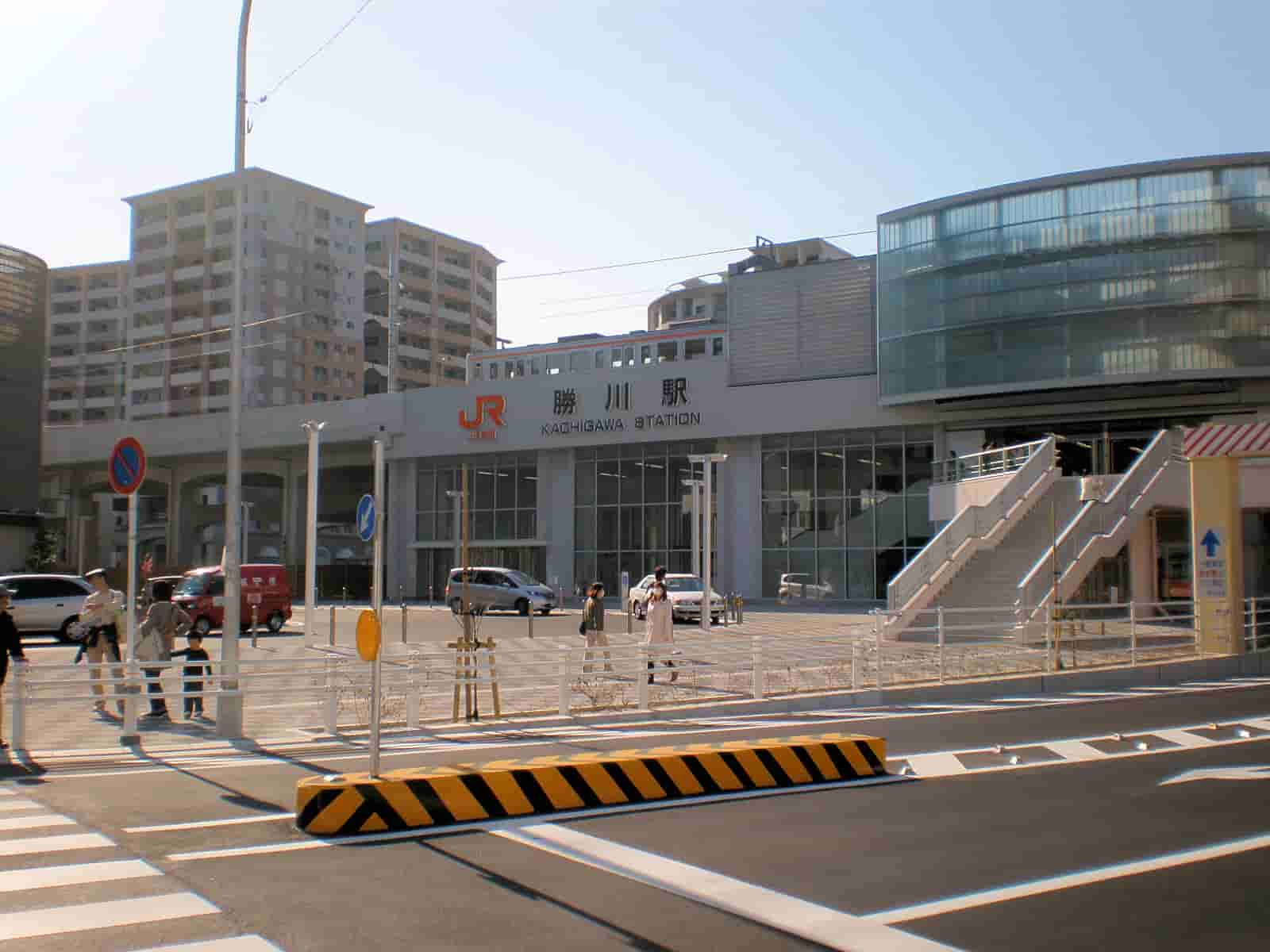
Kachigawa Station
Convenient train station for local travel.
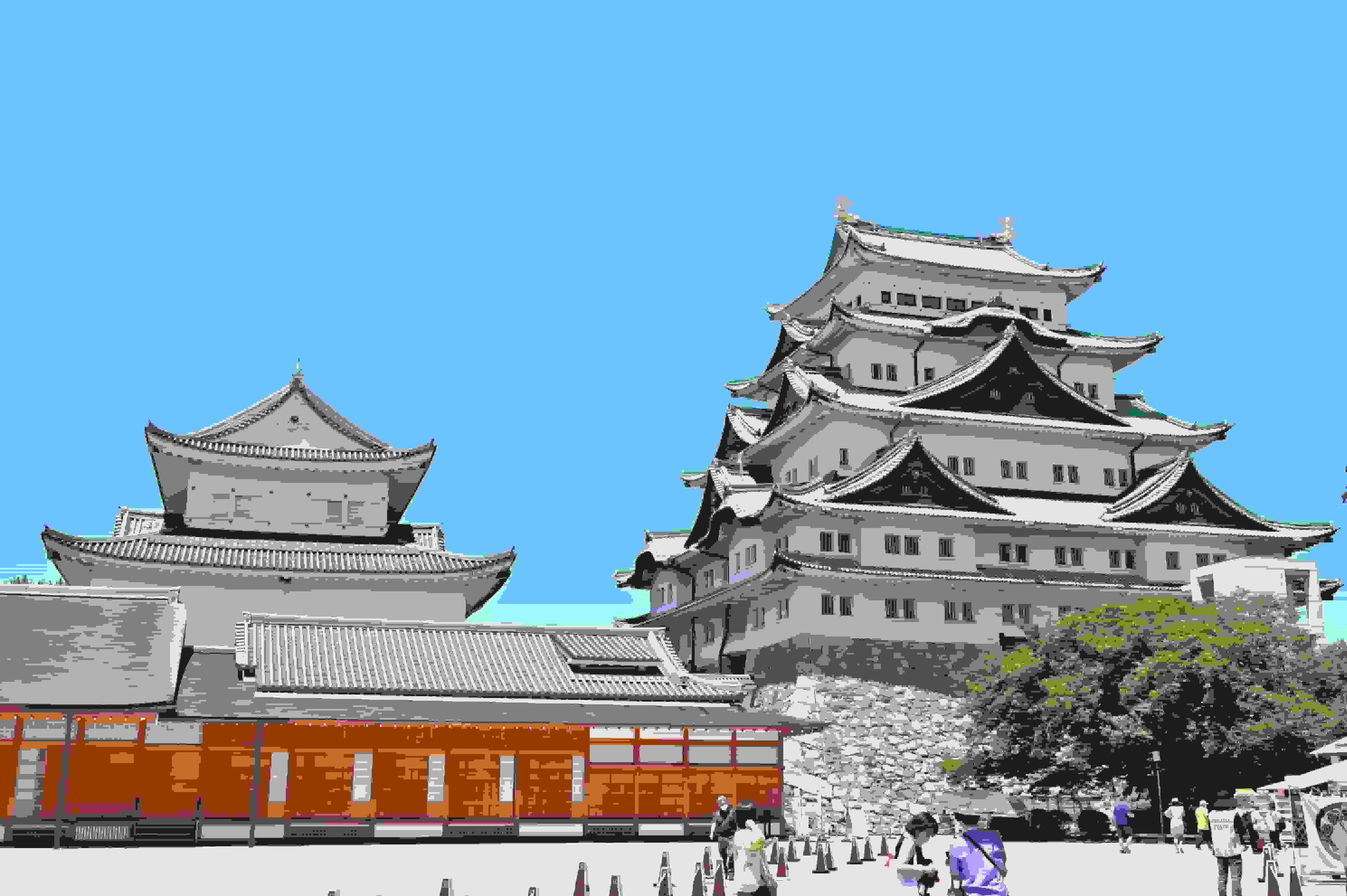
Nagoya Castle
Iconic castle with museum exhibits and reconstructed palace.
🏘️ Neighborhoods
Kasugai Station Area
The bustling commercial and transportation heart of the city. Packed with shops, restaurants, izakayas, and hotels, offering maximum convenience.
Kasugai Shrine Area
A quieter, more traditional district centered around the historic Kasugai Shrine. Features traditional shopping streets and a serene atmosphere.
Kachigawa Riverside Area
A scenic, recreational zone along the river. Popular for walking, cycling, and cherry blossom viewing, with a relaxed, green environment.
Kasugai Forest Park Area
Residential neighborhoods surrounding the large central park. Offers a suburban feel with easy access to nature and playgrounds.
North Kasugai (Komaki Airport Adjacent)
Industrial and logistical area near Nagoya Airport. Convenient for very short stays or aviation enthusiasts visiting the observation deck.
South Kasugai (towards Nagoya)
Primarily residential suburbs that blend into Nagoya's northern wards. Offers a local living experience with quick train access to the big city.
🍽️ Local Cuisine
Kasugai's local cuisine is heavily influenced by the broader Nagoya (Nagoya-meshi) food scene, known for its bold, hearty flavors. Must-try signature dishes include Hitsumabushi (grilled eel over rice, eaten in three different ways), Miso Katsu (pork cutlet with a rich, red miso sauce), and Tebasaki (crispy, peppery chicken wings). The city's own claim to fame is its connection to Morinaga caramel, a classic Japanese sweet. Dining culture ranges from casual izakayas (Japanese pubs) near the station to more traditional restaurants. For a local experience, try a teishoku (set meal) at a family-run restaurant. Popular food areas are concentrated around Kasugai Station and the shopping streets leading to Kasugai Shrine. Price ranges are varied: budget meals like ramen or curry start around 800 yen, mid-range restaurant meals cost 1,500-3,000 yen, and high-end dining can exceed 5,000 yen. Etiquette is standard for Japan: it's polite to say "itadakimasu" before eating and "gochisosama deshita" after; slurping noodles is acceptable; and tipping is not practiced. Many restaurants display plastic food models, making ordering easy for non-Japanese speakers.
💡 Local Tips
🚗 Day Trip Ideas
Nagoya City
Explore the vibrant capital of Aichi Prefecture. Visit Nagoya Castle, the Toyota Commemorative Museum, Osu Shopping District, and the Port of Nagoya Aquarium.
Inuyama
A historic town famous for Japan's oldest original castle, Inuyama Castle, and the Meiji Mura open-air architectural museum.
Gifu City
Known for its traditional cormorant fishing (ukai) on the Nagara River in summer and the historic Gifu Castle atop Mount Kinka.
Seto
A city renowned for its centuries-old ceramic and pottery industry. Visit the Seto-Gura Museum and numerous pottery shops and kilns.
Tokoname
A pottery town on the coast, famous for its Maneki-neko (lucky cat) figurines and the scenic Tokoname Pottery Footpath.
Ise Grand Shrine (Ise Jingu)
Japan's most sacred Shinto shrine, located in Mie Prefecture. A profound spiritual and historical day trip.
🛡️ Safety Tips
Kasugai is an exceptionally safe city with very low crime rates, similar to the rest of Japan. Violent crime against tourists is extremely rare. Common sense precautions are still advised, such as not leaving belongings unattended in public areas. Scams targeting tourists are uncommon, but always be cautious with unsolicited offers or deals that seem too good to be true. There are no specific areas to avoid, but as in any city, quieter streets at night are best navigated with awareness. The primary health recommendation is to ensure you have adequate travel insurance. Medical facilities are excellent, though English-speaking staff may be limited; larger hospitals in Nagoya have better English support. Emergency numbers are 110 for police and 119 for fire and ambulance. It's wise to carry a note with your hotel's address in Japanese. During summer, stay hydrated and protect against heatstroke. Overall, Kasugai offers a secure and welcoming environment for all travelers.
💰 Budget Guide
Kasugai is a budget-friendly destination, especially compared to major Japanese cities. A daily budget can be broken down as follows: Budget travelers can manage on 4,000-6,000 yen per day, staying in a business hotel or budget guesthouse (around 5,000-7,000 yen/night), eating at convenience stores (konbini) or cheap ramen shops, and using public transport wisely. Mid-range travelers should plan for 8,000-12,000 yen daily, covering a comfortable hotel room (reflecting the average $93/night), meals at casual restaurants, some taxi rides, and entrance fees to attractions. A luxury budget of 20,000+ yen per day allows for upscale hotels, fine dining, private tours, and shopping. Accommodation costs are the main variable, with the city's 7 hotels offering a range. Food is affordable: breakfast from a bakery or konbini costs 500 yen, lunch 800-1,500 yen, dinner 1,500-3,000 yen. Transport is inexpensive locally, but day trips to Nagoya add cost. Money-saving tips include purchasing a JR Pass if exploring wider Japan, using IC cards for transport discounts, eating set lunches (teishoku), visiting free attractions like parks and shrines, and refilling water bottles at public fountains.