Welcome to Kaluga
Nestled on the banks of the Oka River, Kaluga is a historic gem in western Russia, offering a surprising and compelling blend of provincial charm and cosmic ambition. Often called the 'Cradle of Cosmonautics,' this city is forever linked to Konstantin Tsiolkovsky, the visionary theorist of space exploration, whose legacy permeates its streets and skyline. Beyond its stellar museums, Kaluga enchants with elegant 18th-century merchant architecture, serene riverfront promenades, and a palpable sense of history as a former major trade center. With a compact, walkable center and a remarkably affordable average hotel price of just $44.27 per night across its 11 hotels, Kaluga is an accessible and rewarding destination for a focused one-day immersion into Russia's scientific soul and provincial life.
Overview
Founded in the 14th century as a western frontier fortress of the Principality of Moscow, Kaluga evolved into a prosperous trading hub, a fact still evident in its well-preserved historic center with classicist and Empire-style mansions. The city's modern identity, however, is inextricably tied to Konstantin Tsiolkovsky, who lived and worked here for decades. His theories laid the groundwork for the Soviet space program, earning Kaluga its cosmic nickname. The city is administratively divided into districts, but visitors primarily explore the compact Central District, home to most attractions, government buildings, and the main shopping streets like Teatralnaya and Kirova. The Zarechye district across the Oka River offers quieter residential areas and access to the Space Museum complex. Kaluga is famous not just for cosmonautics but also for its pivotal role in Russian history, including the Great Stand on the Ugra River in 1480, which ended Mongol rule. Today, it's a major industrial and scientific center with a calm, intellectual atmosphere.
🗓️ Best Time to Visit
The best time to visit Kaluga is during the late spring (May to early June) and early autumn (September). These periods offer mild, pleasant weather, with temperatures ideal for walking and exploring the city's outdoor attractions like the Oka Embankment and Stone Bridge. Summer (July-August) is warm and popular, but can be humid with occasional rain. This is also when the city is liveliest. Winter (December to February) is cold and snowy, transforming Kaluga into a picturesque winter scene, perfect for those who enjoy the frost and indoor museum visits, but requires serious bundling up. Major events include City Day celebrations in late August or early September, featuring concerts and festivities. The off-peak seasons of late fall and early spring can be damp and chilly, but offer fewer crowds and lower prices at the city's 11 hotels.
🌤️ Weather & Climate
Kaluga experiences a humid continental climate with distinct seasons: cold, snowy winters and warm, moderately humid summers. Spring and autumn are transitional and can be unpredictable.
Seasons
Winter
💨 Humidity: high
Cold and snowy with frequent overcast skies. Days are short. Perfect for cozy museum visits and winter scenery.
Spring
💨 Humidity: moderate
A season of thaw and renewal. Early spring is muddy, while May is pleasant and green, ideal for walking.
Summer
💨 Humidity: moderate
Warm and generally comfortable, with the sunniest days. Occasional rain showers and thunderstorms are possible.
Autumn
💨 Humidity: high
Cool and colorful in September, turning damp, chilly, and gray by November. A beautiful but brief golden autumn.
Monthly Weather Details
January Weather
Best for: indoor activities, museums
February Weather
Best for: indoor activities, museums
March Weather
Best for: early spring walks
April Weather
Best for: sightseeing
May Weather
Best for: sightseeing, outdoor activities
June Weather
Best for: sightseeing, outdoor activities
July Weather
Best for: sightseeing, outdoor activities
August Weather
Best for: sightseeing, outdoor activities
September Weather
Best for: sightseeing, outdoor activities
October Weather
Best for: sightseeing
November Weather
Best for: museums
December Weather
Best for: indoor activities, museums
🎒 What to Pack
All Year Round
- comfortable walking shoes
- power adapter
- phrasebook or translation app
🚗 Getting Around
Kaluga's city center is highly walkable, with most key attractions within a 30-minute stroll. For longer distances, the city has an efficient network of public buses, trolleybuses, and marshrutkas (fixed-route minibuses). Fares are very cheap, typically under $0.50 per ride, paid in cash to the driver. Taxis and ride-hailing apps like Yandex.Taxi are widely available, affordable, and convenient for direct trips; a cross-city ride rarely exceeds $5-7. There is no metro. Biking is possible, especially along the embankment, but dedicated bike lanes are limited. For airport transfers, the nearest major airport is Vnukovo (VKO) in Moscow, about 150 km away. The most practical transfer is by direct train from the Kievsky Railway Station in Moscow to Kaluga's main station, taking about 2.5 hours, or by pre-booked private transfer.
🎯 Top Attractions
Tsiolkovsky State Museum of the History of Cosmonautics
Museum dedicated to space exploration, named after rocket scientist Konstantin Tsiolkovsky.
Kaluga Drama Theater
Historic theater hosting a variety of plays, operas, and cultural performances.
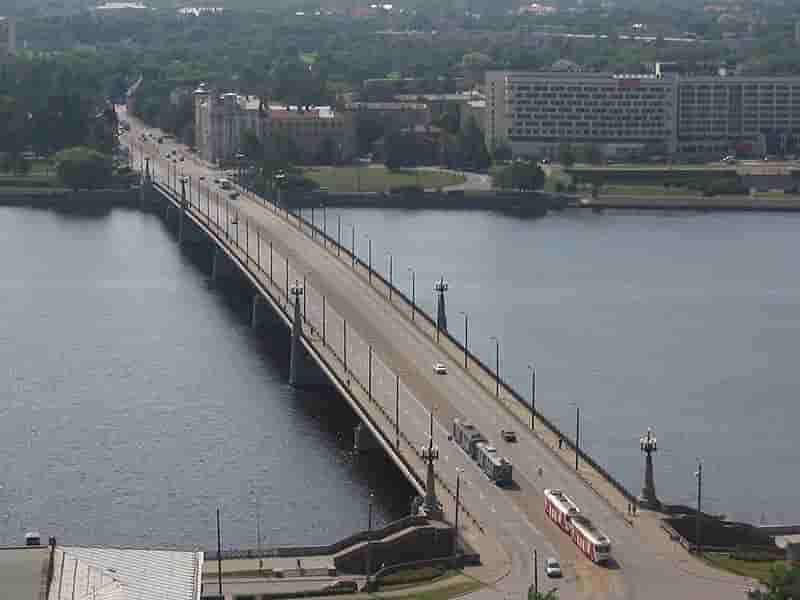
Stone Bridge
Iconic stone bridge over the Oka River, offering picturesque views and photo opportunities.
Tsiolkovsky State Museum of Cosmonautics
Museum dedicated to space exploration and Kaluga's role in cosmonautics.
Kaluga Drama Theatre
Historic theater with diverse performances
Tsiolkovsky State Museum
Dedicated to the history of cosmonautics.
Oka River Embankment
Riverside promenade with parks, cafes, and scenic views.
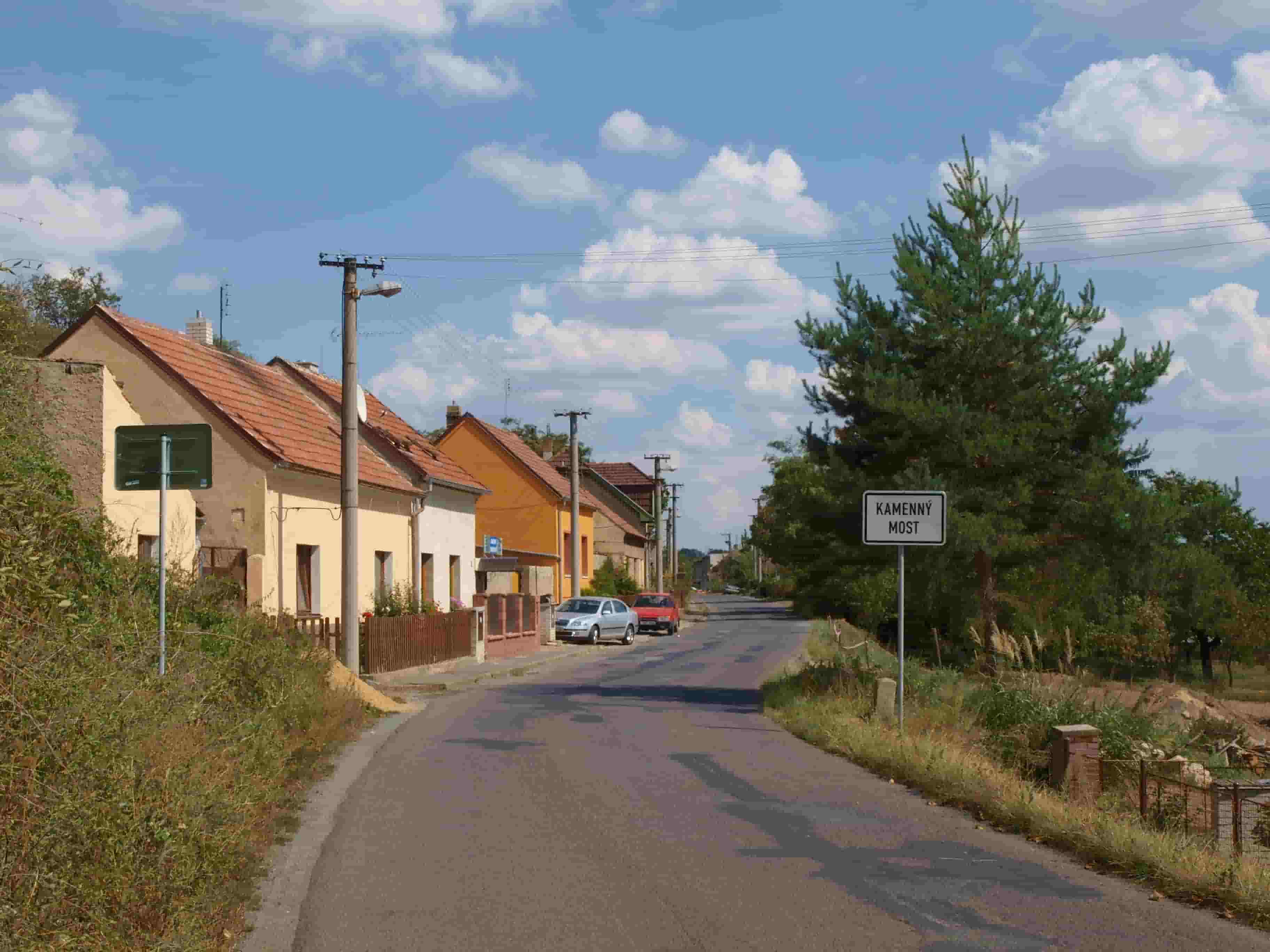
Kamenny Most
A picturesque stone bridge over the Oka River with scenic views.
Kaluga Museum of Fine Arts
Art museum featuring Russian and European paintings and sculptures.
Kaluga Planetarium
Modern planetarium with space shows
Kaluga Central Park
Park with attractions and green spaces
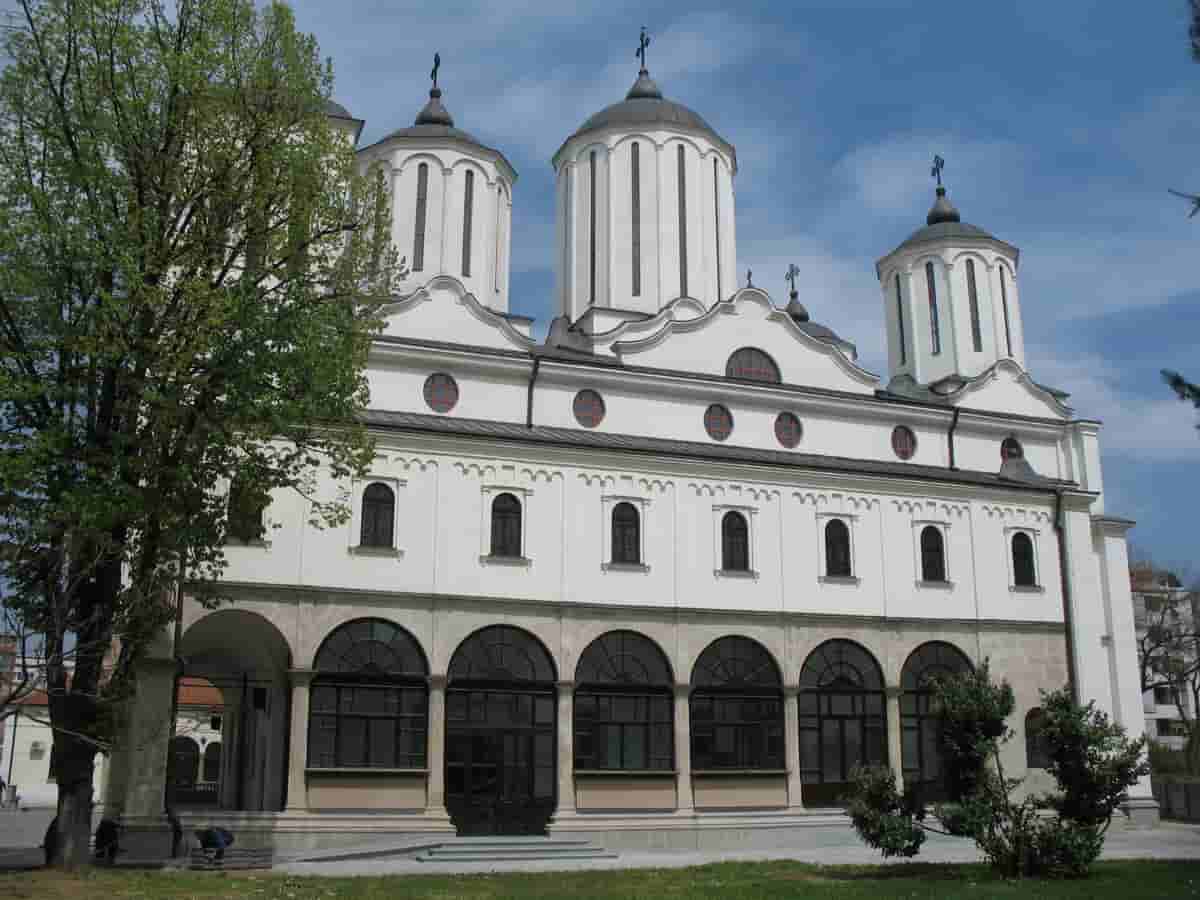
Holy Trinity Cathedral
Beautiful Orthodox cathedral
🏘️ Neighborhoods
Central District
The historic and administrative heart, home to most attractions, government buildings, main shops, and the Stone Bridge.
Zarechye
The district across the Oka River, known for the Tsiolkovsky Museum complex, parks, and quieter residential streets.
Peredeltsy
A primarily residential area with some Soviet-era architecture and local markets, offering an authentic local feel.
Moscow District (Moskovsky)
A more modern district with newer apartment blocks, shopping centers, and better transportation links to the outskirts.
Tureyskaya Roshcha
A green, park-like area on the city's edge, featuring forests and recreational facilities for outdoor relaxation.
Near the Railway Station
A practical but less scenic area with convenient transport access, several hotels, and basic services.
🍽️ Local Cuisine
Kaluga's cuisine reflects hearty Central Russian fare. Must-try local specialties include Kaluga doughnuts (a type of small, sweet pastry), Kaluga zephyr (a light, apple-based confection), and river fish from the Oka, like perch or pike, often baked or in soup. Dining culture is generally relaxed. For a true local experience, visit a stolovaya (cafeteria) for inexpensive, homemade-style meals. Popular food areas are along Teatralnaya Street and near the Central Market, where you can find cafes and restaurants serving Russian classics like borscht, pelmeni, and blini. Price ranges are low to moderate; a meal at a mid-range restaurant costs around $10-15 per person. Etiquette is standard; it's polite to say 'priyatnogo appetita' (enjoy your meal) before eating. Tipping (5-10%) is appreciated but not always expected.
💡 Local Tips
🚗 Day Trip Ideas
Optina Pustyn Monastery
A historic and spiritually significant Orthodox monastery complex in a serene forest setting.
Ethnographic Park 'Ethnomir'
A massive cultural education center with architecture, exhibits, and workshops from around the world.
Moscow
Russia's capital, reachable by direct train for a whirlwind tour of the Kremlin, Red Square, and world-class museums.
Yasnaya Polyana
The former estate of writer Leo Tolstoy, preserved as a museum in a beautiful parkland setting.
Borovsk
A quaint historic town known for its old churches and frescoes by the controversial artist Vladimir Ovchinnikov.
🛡️ Safety Tips
Kaluga is generally a safe city for travelers, with a low crime rate. Standard precautions apply: be aware of your surroundings, especially at night, and keep valuables secure. Common scams are rare but be cautious with unofficial taxis; use Yandex.Taxi app for metered fares. Areas around the main train and bus stations can be sketchy after dark. Emergency numbers: 112 (general emergency), 102 (police). Tap water is not recommended for drinking; stick to bottled water. Have travel insurance. Road safety can be an issue; be very careful as a pedestrian. English is not widely spoken, so having a translation app is highly recommended.
💰 Budget Guide
Kaluga is a very budget-friendly destination. A budget traveler can manage on $30-40 per day: stay in a hostel or budget hotel ($20-25), eat at stolovayas or cafes ($8-10), use public transport ($2), and visit free or low-cost attractions like churches and walks. Mid-range travelers ($60-80/day) can enjoy a comfortable hotel ($40-50), dine at nice restaurants ($15-20), take taxis occasionally ($5), and visit all major museums ($10). Luxury is limited but possible at around $120+ per day for the best hotels, fine dining, and private tours. Money-saving tips: Walk everywhere in the center, buy a combined ticket for the Space Museum complex, eat at the Central Market for cheap local food, and visit on weekdays for potentially lower hotel rates among the 11 available options.