Welcome to Jerez de la Frontera
In the sun-drenched heart of Andalusia, where the air carries the scent of aging sherry and the rhythmic clatter of hooves, lies Jerez de la Frontera. This is a city that proudly wears its soul on its sleeve, a captivating blend of aristocratic history, deep-rooted equestrian tradition, and the world-renowned wine that bears its name. Jerez is not merely a stop on the Andalusian circuit; it is the very essence of the region's most cherished passions. Its compact, historic center invites leisurely exploration, while its famous bodegas offer a taste of liquid gold. With a welcoming atmosphere and a manageable scale, Jerez is perfectly suited for an immersive one-day stay, supported by a selection of 32 hotels that cater to every taste and budget, ensuring your immersion in its unique charm is both comfortable and convenient. Prepare to be enchanted by a place where every corner tells a story of horses, wine, and flamenco.
Overview
Jerez de la Frontera is the capital of sherry wine and the cradle of the majestic Andalusian horse, a city whose history is deeply intertwined with the various cultures that have settled here, from Phoenicians and Romans to Moors and Christians—the 'de la Frontera' in its name refers to its historical position on the frontier between Christian and Moorish kingdoms. This rich past is visible in its architecture, most notably the magnificent Alcázar, an 11th-century Moorish fortress-palace. The city is famous worldwide for its sherry (or 'Jerez') production, with historic bodegas like González Byass (home of Tío Pepe) and Bodegas Tradición offering tours and tastings. Equally iconic is the Royal Andalusian School of Equestrian Art, where the breathtaking 'How the Andalusian Horses Dance' show demonstrates the pinnacle of horsemanship. The city's soul is also expressed through flamenco, considered by many to be one of its birthplaces. The main districts revolve around the historic center, with its cathedral, bustling markets, and tapas bars, while more modern areas spread outwards, all connected by a palpable sense of tradition and pride.
🗓️ Best Time to Visit
The best times to visit Jerez are during the spring (April to June) and autumn (September to October). These seasons offer pleasantly warm, sunny days with mild evenings, perfect for sightseeing and bodega tours without the intense summer heat. Spring is particularly vibrant with festivals like the Feria del Caballo (Horse Fair) in May, a week-long celebration of equestrian culture, flamenco, and sherry. Autumn provides a more relaxed atmosphere with the grape harvest (vendimia) activities. Summer (July-August) is the peak tourist season and can be extremely hot, often exceeding 35°C (95°F), though it's when the city is most alive with local life. Winter (November to March) is the off-peak season; days are cooler and sometimes rainy, but still mild compared to northern Europe, and it's an excellent time for budget travelers to explore museums and bodegas with fewer crowds. Major events are concentrated in spring (Semana Santa processions, Horse Fair) and September (Fiesta de la Vendimia and the Motorcycle Grand Prix).
🌤️ Weather & Climate
Jerez enjoys a Mediterranean climate with strong Atlantic influences, characterized by hot, dry summers and mild, moderately wet winters. It receives over 300 days of sunshine per year.
Seasons
Spring
💨 Humidity: moderate
Pleasant and sunny, ideal for outdoor activities and festivals. Evenings can be cool.
Summer
💨 Humidity: moderate
Hot and dry, with intense sun. Peak tourist season. Best for early morning or evening exploration.
Autumn
💨 Humidity: moderate
Warm days and cooler nights. Harvest season. A great time for wine-related visits.
Winter
💨 Humidity: moderate
Mild but can be rainy. The quietest season, perfect for indoor attractions like bodegas and museums.
Monthly Weather Details
January Weather
Best for: museums, bodega tours
February Weather
Best for: sightseeing
March Weather
Best for: outdoor exploration
April Weather
Best for: festivals, gardens
May Weather
Best for: Feria del Caballo
June Weather
Best for: evening tapas
July Weather
Best for: early morning visits
August Weather
Best for: beach trips
September Weather
Best for: wine harvest
October Weather
Best for: cultural visits
November Weather
Best for: indoor activities
December Weather
Best for: Christmas markets
🎒 What to Pack
All Year Round
- sunglasses
- comfortable walking shoes
- sunscreen
🚗 Getting Around
Jerez is a highly walkable city, with most major attractions, including the Alcázar, Cathedral, and main bodegas, located within the compact historic center. Walking is the best way to soak in the atmosphere of its plazas and narrow streets. For longer distances, the local bus network is efficient and affordable, with single tickets costing around €1.20. Taxis are readily available and reasonably priced for trips within the city; ride-sharing apps like Uber are not typically used. Biking is becoming more popular, with some bike rental shops available. For arrival, Jerez Airport (XRY) is just a 10-minute drive from the city center, served by a frequent and inexpensive taxi service (approx. €15-20) or a public bus. Renting a car is only necessary if you plan extensive day trips into the surrounding countryside, as parking in the center can be challenging.
🎯 Top Attractions
Alcazar of Jerez
An impressive 12th-century Almohad fortress with beautiful gardens, a mosque, and ancient baths within its walls.
Jerez Cathedral
Marvel at the stunning 15th-century Gothic cathedral, known for its impressive architecture and stunning stained-glass windows.
Bodegas Tradición
A renowned sherry bodega offering tours and tastings of fine Spanish wines.
Royal Andalusian School of Equestrian Art
Witness the breathtaking 'How the Andalusian Horses Dance' show, a display of elegant horsemanship and tradition.
Alcázar de Jerez
A stunning Mudéjar-style fortress dating back to the 11th century, with impressive gardens and panoramic city views.
Alcázar of Jerez
Explore this impressive Moorish castle, dating back to the 11th century, and enjoy its beautiful gardens and panoramic city views.
Bodega González Byass
One of the most renowned sherry producers in the region, offering tours and tastings in their historic cellars.
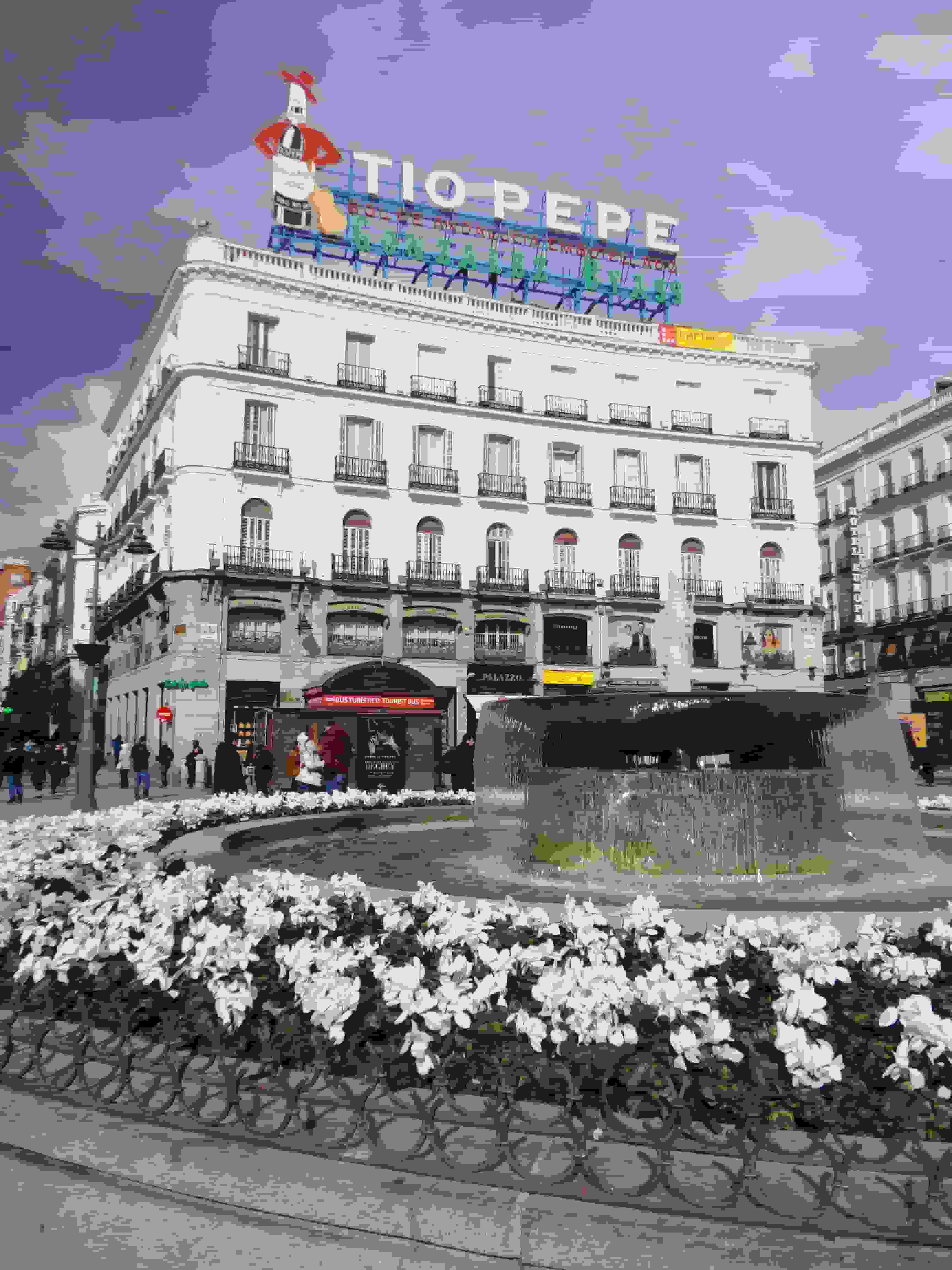
Tio Pepe Bodega
Famous sherry wine cellar offering tours and tastings
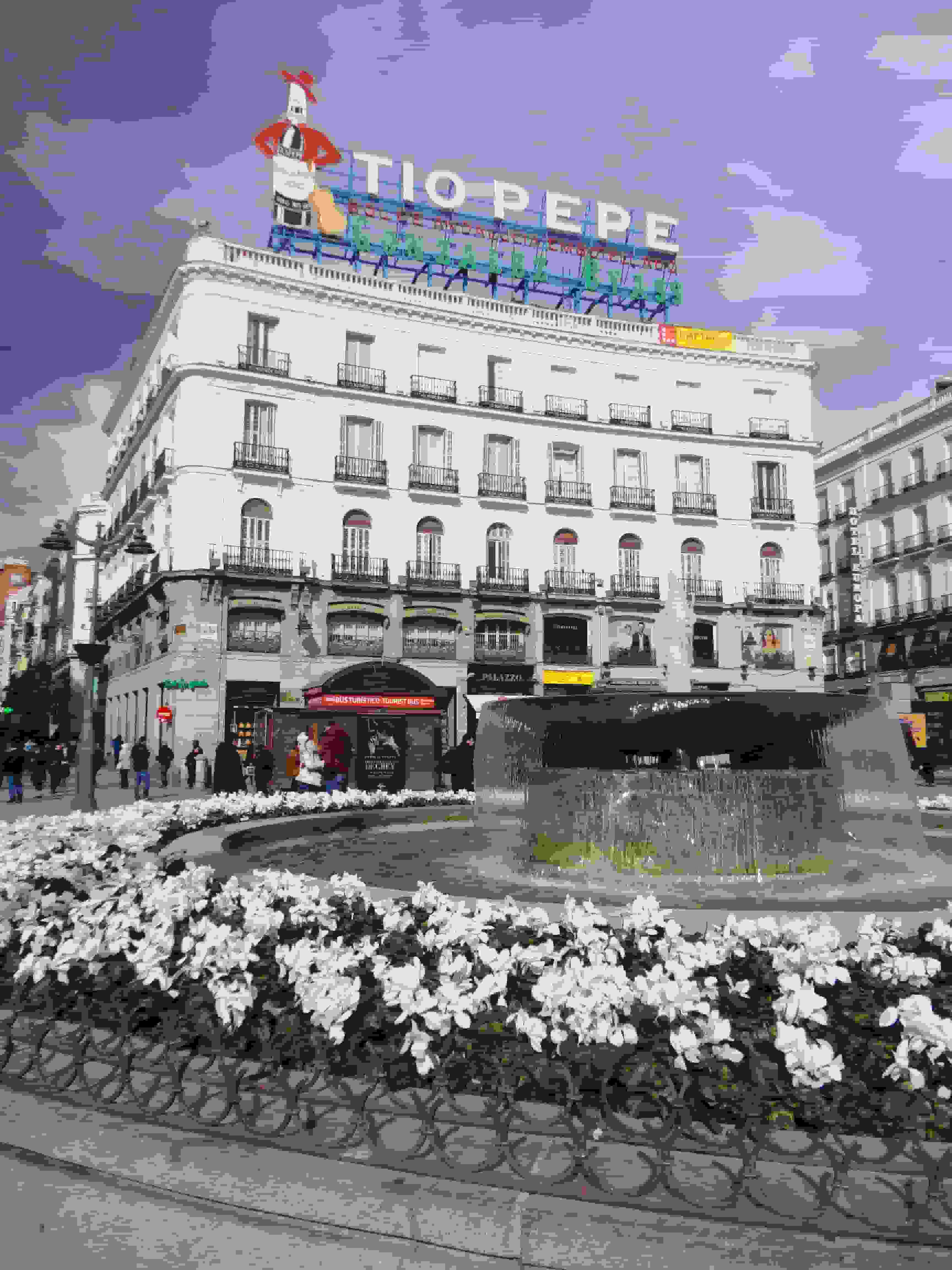
Bodegas Gonzalez Byass
One of the most famous sherry producers in Jerez, offering informative tours and tastings.
Alcázar of Jerez de la Frontera
A historic royal palace with beautifully preserved gardens and medieval architecture.
Circuito de Jerez
Iconic motorsports racetrack that hosts premier racing events and offers thrilling driving experiences.
Bodegas González Byass
Renowned winery offering tours and tastings of their famous Tío Pepe sherry.
🏘️ Neighborhoods
Centro Histórico
The historic heart, home to the Cathedral, Alcázar, and main bodegas. A maze of narrow streets filled with tapas bars, shops, and plazas.
Barrio de Santiago
A traditional neighborhood considered one of the birthplaces of flamenco. Authentic, residential, with a strong local character and peñas.
Barrio de San Miguel
Another historic flamenco district, centered around the church of San Miguel. Known for its traditional festivals and community feel.
Zona Este / González Hontoria
A more modern, residential area with broader avenues, parks, and a wider range of shops and services. Well-connected by bus.
Área de la Feria
Located near the fairgrounds (Recinto Ferial). Quiet for most of the year but transforms into the epicenter of celebration during the Horse Fair in May.
Around the Royal School
A quieter, more upscale area near the Equestrian School and some larger hotels. Offers a peaceful stay with easy access to this major attraction.
🍽️ Local Cuisine
Jerez's cuisine is a robust reflection of its land and sea, perfectly paired with its famous wines. Signature dishes include 'Riñones al Jerez' (kidneys in sherry sauce), 'Carrillada de Cerdo' (slow-braised pork cheeks), and 'Tortillitas de Camarones' (crispy shrimp fritters). Dining culture revolves around tapas, with the city boasting a famous 'Tapeo' route through bars in the historic center, especially around Plaza Rafael Rivero and Calle Pescadería. Must-try foods include Iberian ham from nearby Jabugo, local cheeses, and fresh seafood. For dessert, 'Tocino de Cielo' (a rich egg yolk and sugar pudding) is a classic. Meals are social and lengthy affairs. Price ranges are very reasonable: a tapas dish can cost €3-5, a menú del día (set lunch) €10-15, and a fine dining meal €30-50 per person. Etiquette is relaxed; it's common to share plates and to order a fino or amontillado sherry as an aperitif. Tipping is appreciated but not obligatory; rounding up the bill or leaving small change is standard.
💡 Local Tips
🚗 Day Trip Ideas
Cádiz
Europe's oldest continuously inhabited city, with stunning sea views, historic quarters, and fantastic seafood.
Seville
The vibrant capital of Andalusia, famous for its cathedral, Alcázar, flamenco, and lively Triana district.
Arcos de la Frontera
A breathtaking white village (pueblo blanco) perched on a cliff, offering panoramic views of the Guadalete valley.
Sanlúcar de Barrameda
A coastal town at the mouth of the Guadalquivir, famous for manzanilla sherry and beautiful beaches like Bajo de Guía.
El Puerto de Santa María
A historic port town with castles, bodegas, and long sandy beaches. Part of the "Sherry Triangle."
Grazalema (Sierra de Grazalema)
A stunning mountain village within a natural park, perfect for hiking and enjoying dramatic landscapes.
🛡️ Safety Tips
Jerez is generally a very safe city for travelers. Violent crime is rare. The most common issues are petty theft, such as pickpocketing, especially in crowded areas like markets, bus stations, or during large festivals. Be cautious with your belongings, avoid flashing valuables, and use hotel safes. The historic center is well-patrolled and safe to walk at night, though it's always wise to stay in well-lit, populated areas. Standard emergency numbers apply: 112 for all emergencies. For health, tap water is safe to drink. Pharmacies ("farmacias") are widely available for minor ailments. No special vaccinations are required. The summer sun is intense, so staying hydrated and using sun protection is crucial. Driving requires vigilance for pedestrians and other drivers, who can be assertive.
💰 Budget Guide
Jerez offers excellent value. A budget traveler can manage on €40-60 per day: a hostel bed (€15-25), tapas meals and menús del día (€15-20), public transport/walking (€2-5), and free/low-cost activities like visiting the Alcázar gardens or cathedral. A mid-range budget of €80-120 per day allows for a comfortable hotel room (€50-80), sit-down restaurant meals and tapas tours (€25-40), taxi rides (€10), and paid attractions like bodega tours or equestrian shows (€15-25). Luxury travelers can expect to spend €150+ per day for boutique hotels, fine dining with wine pairings, private tours, and car rentals. Money-saving tips: visit in the off-season (winter) for lower hotel rates, take advantage of the free tapas often provided with a drink, use the city's free drinking water fountains ("fuentes"), and look for combined tickets for attractions. Many museums have free entry hours, typically on Sundays.