Welcome to Izu
Nestled on the Izu Peninsula in Shizuoka Prefecture, Japan, the region of Izu is a breathtaking escape where dramatic coastlines, lush mountains, and steaming hot springs converge. Far from the neon buzz of Tokyo, Izu offers a slower, more soulful pace, inviting travelers to immerse themselves in nature and tradition. This volcanic peninsula juts into the Pacific Ocean, creating a landscape of incredible diversity: from the rugged sea cliffs of Jogasaki to the serene sands of Shirahama Beach. Izu is a haven for onsen (hot spring) enthusiasts, with historic towns like Ito Onsen boasting centuries of bathing culture. Whether you seek adventure along hiking trails with panoramic views, relaxation in a ryokan's mineral-rich waters, or family fun at unique attractions like the Izu Shaboten Zoo, this destination delivers a profoundly Japanese experience. With a wide range of accommodations to suit every traveler, including over 309 hotels averaging around $143 per night, planning a 3-4 day stay here is the perfect recipe for rejuvenation.
Overview
The Izu Peninsula is a geological and cultural treasure of Japan, formed by volcanic activity that gifted it with abundant hot springs and dramatic topography. Historically, it was a remote region, sometimes used as a place of exile, which helped preserve its distinct character. Culturally, Izu is synonymous with the onsen tradition; towns like Ito and Atami have been wellness destinations for centuries, featuring public bathhouses and ryokans where visitors can experience 'rotenburo' (outdoor baths) with ocean or mountain views. The region is famous for its stunning natural attractions: the Jogasaki Coast's suspension bridge over volcanic cliffs, the panoramic summit of Mount Omuro (an extinct volcano you can walk around), and the family-friendly Izu Granpal Park. The southern port town of Shimoda holds historical significance as the site where Commodore Perry's Black Ships landed, leading to the opening of Japan. Izu's districts vary from bustling onsen towns and coastal resorts to quiet fishing villages and mountainous inland areas, each offering a different slice of peninsula life.
🗓️ Best Time to Visit
The best time to visit Izu is during the spring (April-May) and autumn (October-November) seasons. Spring brings mild temperatures, comfortable for hiking and sightseeing, and the famous cherry blossoms that bloom slightly later than in Tokyo. Autumn offers crisp air, vibrant fall foliage, especially in the mountainous areas, and is ideal for onsen hopping. Summer (June-August) is warm to hot and humid, perfect for beach activities at Shirahama or Shimoda, but it is also the rainy season (June to mid-July) and peak domestic tourism period, leading to higher prices and crowds. Major summer events include vibrant fireworks festivals in Atami and Shimoda. Winter (December-February) is cool and less crowded, making it a serene time for onsen visits, with the steam rising from baths against a chilly backdrop being particularly atmospheric. However, some coastal attractions and outdoor facilities may have reduced hours. Off-peak seasons (winter and late autumn/early spring) offer better hotel rates and a more tranquil experience.
🌤️ Weather & Climate
Izu enjoys a mild, temperate climate influenced by the Pacific Ocean, with warm, humid summers and cool, relatively dry winters. The southern part of the peninsula is notably warmer than areas closer to Tokyo.
Seasons
Spring
💨 Humidity: moderate
Pleasant and mild, perfect for sightseeing and hiking. Cherry blossoms bloom in early April.
Summer
💨 Humidity: high
Hot, humid, and rainy, especially during the June-July rainy season. Ideal for beach activities but prepare for showers.
Autumn
💨 Humidity: moderate
Comfortable temperatures and lower humidity. Spectacular fall foliage in the mountains from late October.
Winter
💨 Humidity: low
Cool and dry, with occasional cold snaps. A serene time for onsen visits, though some attractions may have shorter hours.
Monthly Weather Details
January Weather
Best for: onsen, cultural sights
February Weather
Best for: onsen, early plum blossoms
March Weather
Best for: hiking, sightseeing
April Weather
Best for: cherry blossoms, outdoor activities
May Weather
Best for: hiking, coastal walks
June Weather
Best for: hydrangea viewing, indoor attractions
July Weather
Best for: beach, fireworks festivals
August Weather
Best for: beach, swimming, summer festivals
September Weather
Best for: beach, hiking (typhoon risk)
October Weather
Best for: sightseeing, hiking
November Weather
Best for: fall foliage, onsen
December Weather
Best for: onsen, year-end illuminations
🎒 What to Pack
All Year Round
- comfortable walking shoes
- light layers
- rain jacket or umbrella
🚗 Getting Around
Getting around Izu requires some planning due to its sprawling, mountainous nature. The primary public transportation is the Izu Railway and local buses, which connect major towns and attractions. The Izu Kyuko Line is particularly scenic along the east coast. For maximum flexibility, renting a car is highly recommended, especially for exploring remote coasts, inland mountains, and multiple attractions in a day. Taxis are available in towns but can be expensive for long distances; ride-sharing apps are not prevalent. Walking and biking are enjoyable within specific areas like Ito's onsen streets or along parts of the Jogasaki Coast. For airport transfers, the nearest major airports are Haneda and Narita in Tokyo. From there, take the Shinkansen (bullet train) to Atami or Mishima stations, then transfer to local trains or buses into Izu. The journey takes 2-3 hours. A cost-effective option for travelers is the Izu Pass for unlimited travel on local trains and buses. Expect to budget more for transport here than in a compact city.
🎯 Top Attractions
Shirahama Beach
A picturesque white sand beach known for its clear waters and excellent surfing conditions.
Izu Granpal Park
A family-friendly amusement park with rides, flower gardens, and activities.
Ito Onsen
Traditional hot spring resort for relaxation.
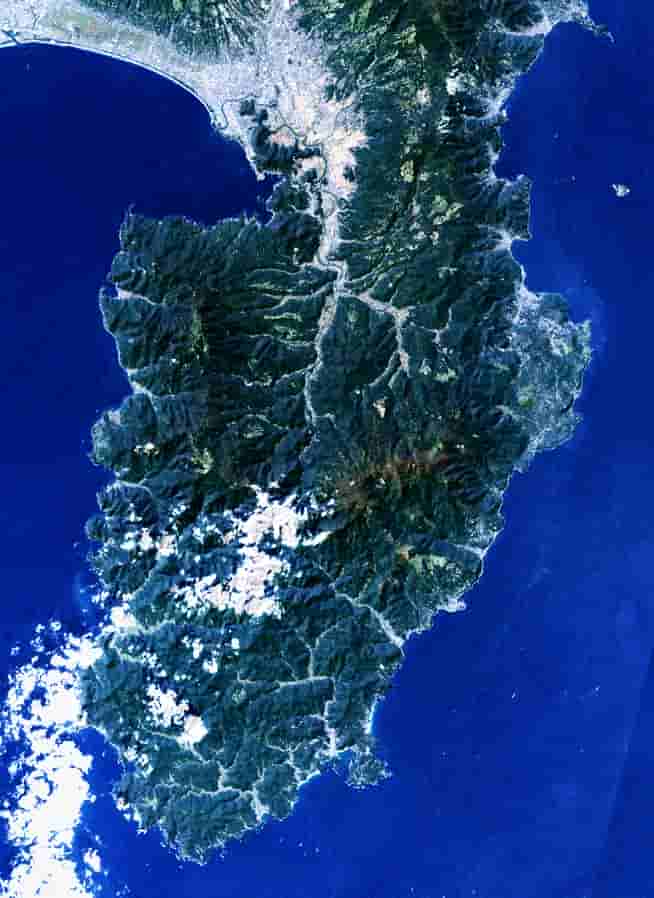
Izu Peninsula
Scenic peninsula known for its coastlines, hot springs, and outdoor activities.
Jogasaki Coast
A spectacular coastline with hiking trails, suspension bridges, and volcanic rock formations.
Izu Shaboten Zoo
Zoo featuring capybaras and other animals, with natural hot spring baths for visitors.
Shimoda Beach
Beautiful, sandy beach known for its clear waters and popular surfing spots.
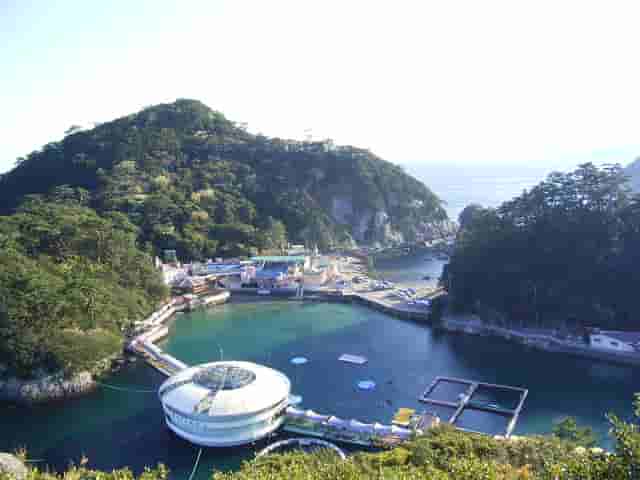
Shimoda Aquarium
An aquarium featuring marine life from the Izu Peninsula and dolphin shows.
Mount Nesugata
Mountain offering hiking trails and scenic views of the Izu Peninsula.
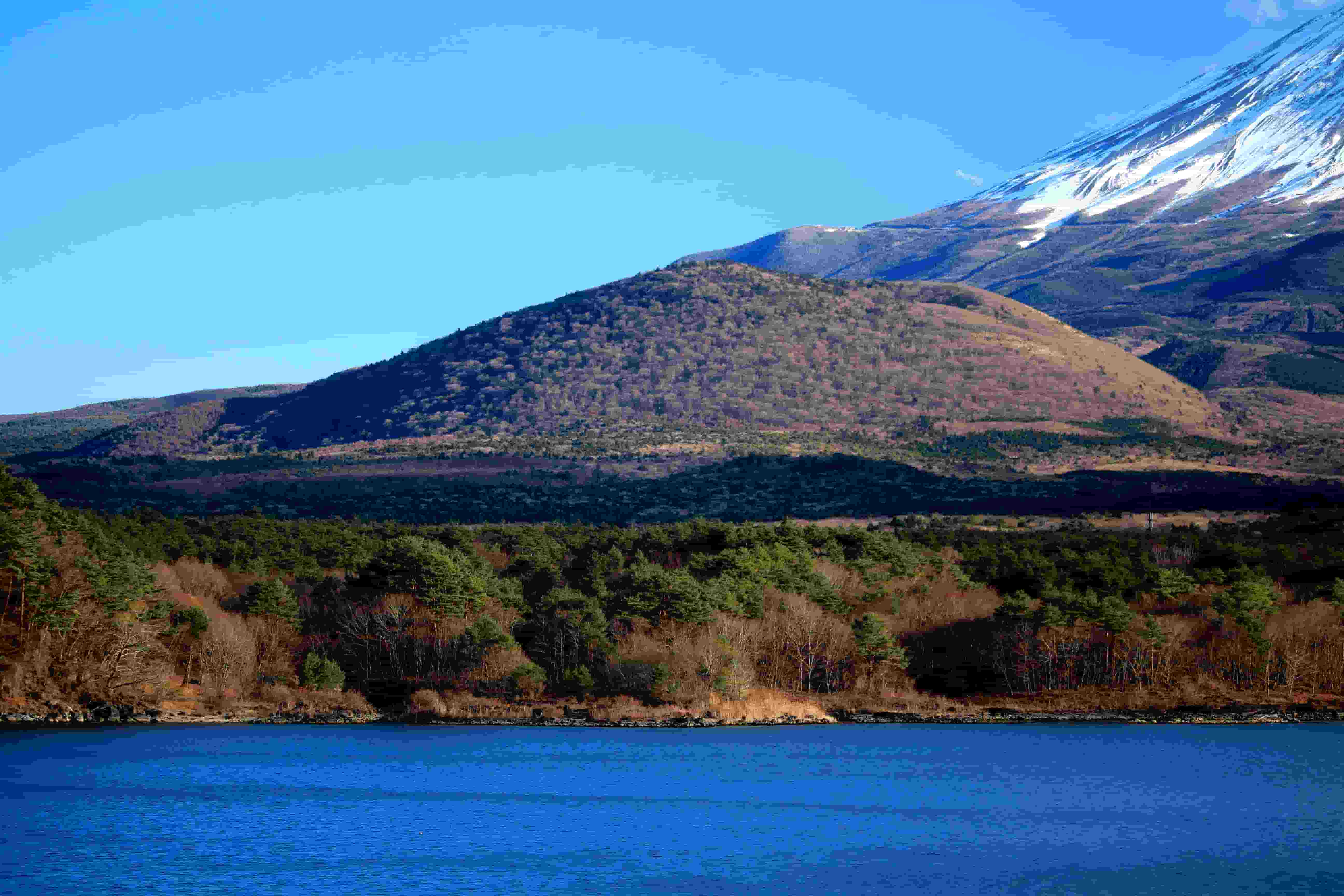
Mount Omuro
An extinct volcano with a grassy crater you can walk around, offering 360-degree views.
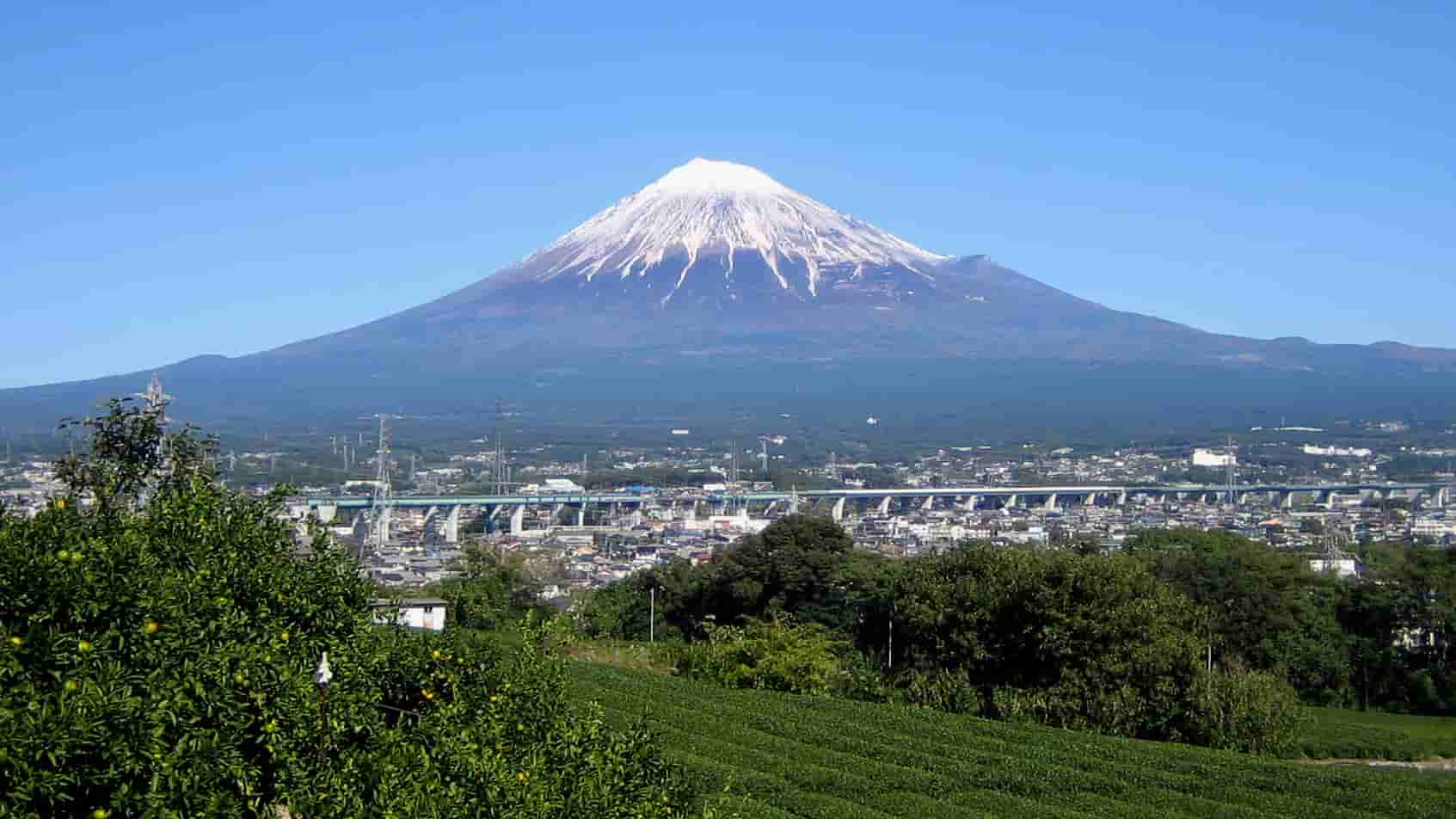
Mount Fuji
Iconic, snow-capped volcano and UNESCO World Heritage site, offering stunning views and hiking trails.
Izu Peninsula Geopark
A UNESCO Global Geopark showcasing geological wonders and stunning coastal landscapes.
🏘️ Neighborhoods
Atami
A bustling onsen resort city on Izu's eastern edge, known for its large public baths, vibrant shopping streets, and spectacular fireworks displays over the bay.
Ito
A historic hot spring town with a charming, traditional atmosphere. Famous for its numerous public bathhouses (sento) and scenic river lined with ryokans.
Shimoda
A southern port city with significant history (Perry's landing) and beautiful beaches like Shirahama. Offers a mix of cultural sites, water activities, and a relaxed coastal vibe.
Kawazu
Famous for its early-blooming Kawazu-zakura cherry trees in February. A quieter town with scenic rivers, waterfalls, and a peaceful, rural atmosphere.
Izu-Nagaoka
An inland area known for its high-quality hot springs, luxury ryokans, and golf courses. Offers a more secluded and upscale onsen experience.
Shuzenji
A picturesque onsen town nestled in a river valley, considered one of Izu's most beautiful. Features ancient temples, bamboo groves, and classic ryokan architecture.
Dogashima
A dramatic coastal area on the west coast known for its extraordinary rock formations, sea caves, and boat tours. A base for stunning natural scenery.
🍽️ Local Cuisine
Izu's cuisine is a celebration of its mountains and sea. Signature dishes include 'sakura ebi' (tiny pink shrimp), often served dried or in a crispy tempura, and 'kinme dai' (splendid alfonsino), a prized red snapper. The region is also famous for 'wasabi', freshly grated from local farms, best experienced with soba noodles or sashimi. Don't miss 'Izu no kuro-matsudai' (black rockfish) or the hearty 'kamo nabeyaki' (duck hot pot). Dining culture ranges from casual seaside shacks serving grilled seafood to upscale kaiseki (multi-course) meals at ryokans. Popular food areas include the fresh fish markets in Ito and Shimoda. For a unique experience, try 'onsen tamago' (eggs slow-cooked in hot spring waters). Price ranges are wide: a bowl of noodles can cost 800-1200 yen, while a full kaiseki dinner at a ryokan can be 10,000 yen or more per person. Etiquette is standard Japanese: say 'itadakimasu' before eating, don't stick chopsticks upright in rice, and try to finish what's on your plate.
💡 Local Tips
🚗 Day Trip Ideas
Hakone
Famous hot spring resort area with views of Mount Fuji, Lake Ashi, and the Open-Air Museum.
Mishima
Gateway city to Izu featuring the stunning Mishima Taisha shrine and the Mishima Skywalk, Japan's longest pedestrian suspension bridge.
Numazu
A vibrant port city known for its deep-sea aquarium and fresh tuna auctions. A great spot for seafood lovers.
The Izu Islands
Take a ferry from Atami or Shimoda to islands like Oshima or Niijima for volcanic landscapes, unique beaches, and remote getaways.
Fuji-Hakone-Izu National Park (Inland Areas)
Explore the mountainous interior around Amagi Pass for hiking, waterfalls, and serene forest scenery.
🛡️ Safety Tips
Izu is an exceptionally safe destination with very low crime rates. Violent crime against tourists is extremely rare. Standard precautions apply: secure valuables, especially at crowded beaches or festivals. Be cautious of natural hazards: heed warning signs on coastal cliffs and hiking trails, as volcanic rock can be unstable. During the rainy season and typhoon season (late summer/early autumn), monitor weather reports for potential landslides or flooding. In onsen, follow posted rules, test water temperature before entering fully, and avoid submerging your head. Health risks are minimal; tap water is safe to drink. Ensure you have travel insurance that covers hot spring-related slips or hiking incidents. Emergency numbers are 110 for police and 119 for ambulance/fire. Pharmacies are available in towns, but consider bringing any specific medications. Driving requires extra caution on narrow, winding mountain roads.
💰 Budget Guide
Daily budgets in Izu can vary based on style. A budget traveler can manage on 6,000-8,000 yen per day by staying in hostels or business hotels (from 5,000 yen/night), eating at convenience stores or local noodle shops (600-1,200 yen/meal), using local buses/trains, and enjoying free natural sights. Mid-range travelers should budget 12,000-20,000 yen daily for a comfortable ryokan or hotel (8,000-15,000 yen/night), meals at sit-down restaurants (1,500-3,000 yen/meal), occasional taxis, and paid attractions like aquariums or ropeways. A luxury experience (30,000+ yen/day) includes high-end ryokans with kaiseki dinners, private onsen, car rental, and fine dining. Money-saving tips: purchase transportation passes like the Izu Pass, visit free attractions like Jogasaki Coast, enjoy public onsen (sento) which are cheaper than ryokan baths, and travel during the off-peak season for better accommodation rates. Many museums and attractions offer combination tickets.