Welcome to Iksan
Nestled in the fertile plains of Jeollabuk Province, Iksan emerges as a city where Korea's ancient past and vibrant present converge. Often overlooked by international travelers rushing to more famous destinations, Iksan offers a serene and authentic glimpse into the heart of the Korean peninsula. This city, once a pivotal capital of the Baekje Kingdom, is now a modern hub known for its jewelry industry, historical treasures, and expansive parks. The unique charm of Iksan lies in its ability to balance its monumental heritage—like the UNESCO-listed Mireuksaji Stone Pagoda—with the rhythms of contemporary Korean life. With a welcoming atmosphere and a manageable scale, it's a perfect destination for those seeking depth over density. Visitors will find a comfortable stay assured by a selection of around 50 hotels, catering to various preferences with an average nightly rate that makes exploring this historical gem both accessible and pleasant. Whether you're a history enthusiast, a culture seeker, or simply a traveler looking to wander off the beaten path, Iksan's quiet allure is ready to be discovered.
Overview
Iksan's significance is deeply rooted in its history as part of the ancient Baekje Kingdom (18 BC–660 AD), serving as a secondary capital. This legacy is physically manifested in the Wanggung-ri Ruins and the majestic Mireuksaji Stone Pagoda, a National Treasure and a poignant reminder of Baekje's Buddhist culture and architectural prowess. The city seamlessly integrates this past with its modern identity as a major railway junction and the 'Jewelry City' of Korea, home to a renowned jewelry industry and museum. Culturally, Iksan is a gateway to the Jeolla region, known for its rich culinary traditions and artistic spirit, reflected in venues like the Iksan Culture and Arts Center. The city is not densely packed with districts in a metropolitan sense but is organized around key areas: the bustling downtown near Iksan Station, the historical zones surrounding the archaeological sites, and the serene recreational spaces like Iksan Lake Park and Central Park. It's famous for its historical sites, jewelry production, and as a peaceful, green city ideal for leisurely exploration.
🗓️ Best Time to Visit
The best times to visit Iksan are during the mild and colorful seasons of spring (April to early June) and autumn (September to November). Spring brings comfortable temperatures, blooming cherry blossoms in Seodong Park, and clear skies, perfect for exploring outdoor historical sites. Autumn offers crisp air, stunning foliage, and harvest festivals celebrating the region's agricultural bounty. Summer (July-August) is hot, humid, and rainy due to the monsoon season, which can hinder outdoor activities, though the city remains lush. Winter (December-February) is cold and dry, with fewer tourists, making it a good time for indoor attractions like the Jewelry Museum, but less ideal for park visits. Major events include the Iksan Jewelry Festival typically held in October, showcasing the city's signature industry, and various cultural performances at the Arts Center throughout the year. Visiting during the shoulder seasons ensures pleasant weather and a more relaxed pace.
🌤️ Weather & Climate
Iksan experiences a temperate climate with four distinct seasons. Summers are hot and humid with significant rainfall from the monsoon, while winters are cold and relatively dry. Spring and autumn are mild and pleasant.
Seasons
Spring
💨 Humidity: moderate
Mild and comfortable weather with blooming flowers. Ideal for outdoor sightseeing and park visits.
Summer
💨 Humidity: high
Hot, humid, and rainy, especially during the July monsoon. Can be uncomfortable for prolonged outdoor activities.
Autumn
💨 Humidity: moderate
Cool, crisp air and vibrant fall foliage. Excellent weather for exploring all attractions.
Winter
💨 Humidity: low
Cold and dry, with occasional snowfall. Best for indoor museums and cultural centers.
Monthly Weather Details
January Weather
Best for: indoor activities
February Weather
Best for: indoor activities
March Weather
Best for: sightseeing
April Weather
Best for: sightseeing
May Weather
Best for: sightseeing
June Weather
Best for: indoor activities
July Weather
Best for: indoor activities
August Weather
Best for: indoor activities
September Weather
Best for: sightseeing
October Weather
Best for: sightseeing
November Weather
Best for: sightseeing
December Weather
Best for: indoor activities
🎒 What to Pack
All Year Round
- comfortable walking shoes
- power adapter
- personal toiletries
🚗 Getting Around
Iksan is a very navigable city. The central area is compact enough to explore on foot or by bicycle, with rental bikes available. The city's bus network is efficient and affordable, connecting major attractions, neighborhoods, and the train station; using a T-money card is recommended for seamless travel. Taxis are plentiful, relatively inexpensive, and a convenient option for direct trips, especially to sites like the Wanggung-ri Ruins. Ride-sharing services like Kakao T are also widely used. Iksan Station is a major railway hub, with excellent KTX and regular train connections to Seoul, Daejeon, Gwangju, and Jeonju, making arrival by train the most common method. The nearest airports are in Gunsan (about an hour by car/bus) and Cheongju (around 90 minutes), with taxi or bus transfers available. For a typical day, budgeting $5-10 for local transport is sufficient.
🎯 Top Attractions
Iksan Jewelry Museum
A museum dedicated to the history and art of jewelry making in the region.
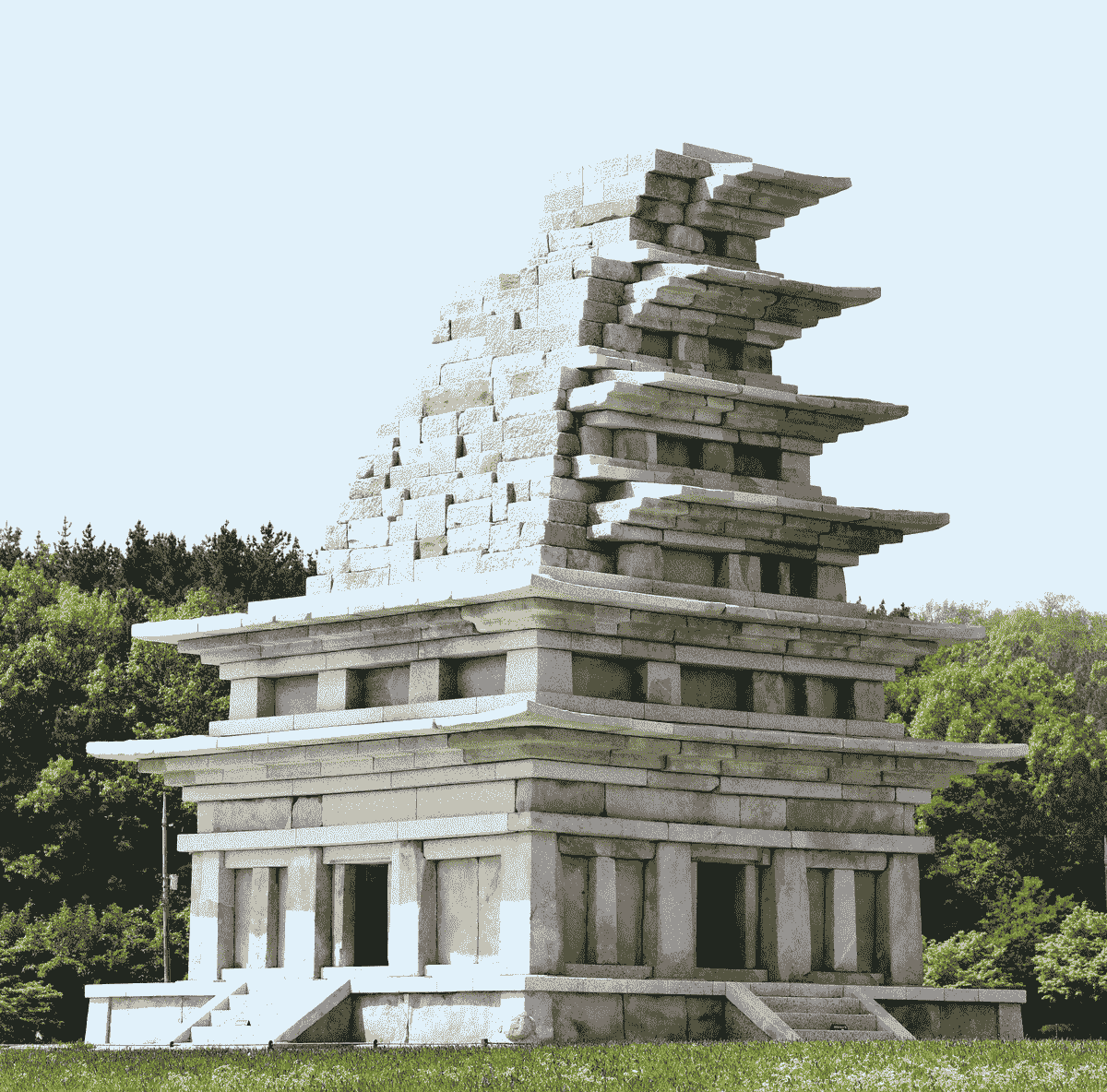
Mireuksaji Stone Pagoda
Historic stone pagoda from the Baekje period, a national treasure.
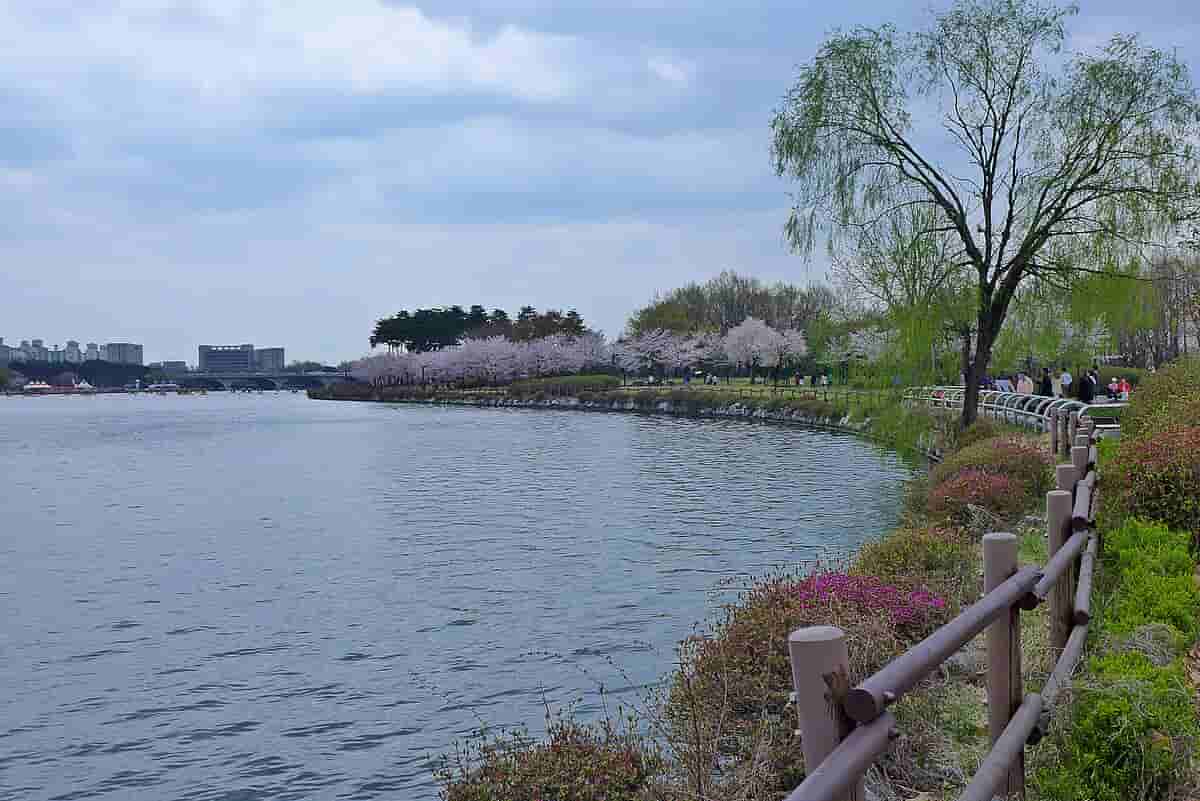
Iksan Lake Park
Serene park with walking trails, paddle boats, and seasonal festivals.
Iksan Central Park
A green space with walking trails, playgrounds, and seasonal events.
Iksan Culture and Arts Center
Venue for performances and exhibitions.
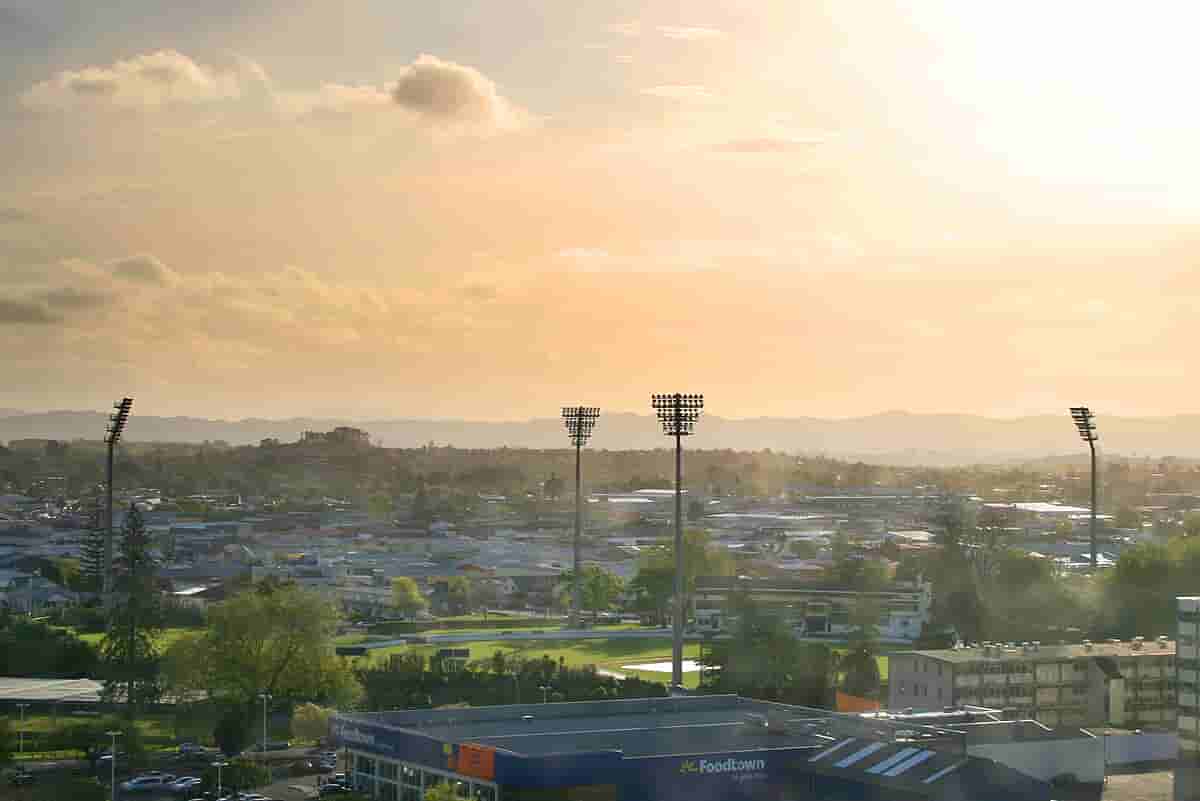
Seodong Park
Historical park with monuments and walking paths.
Mireuksaji Pagoda
A historic stone pagoda and temple site, offering insights into ancient architecture.
Wanggungri Five-story Stone Pagoda
An ancient pagoda known for its architectural significance and cultural value.
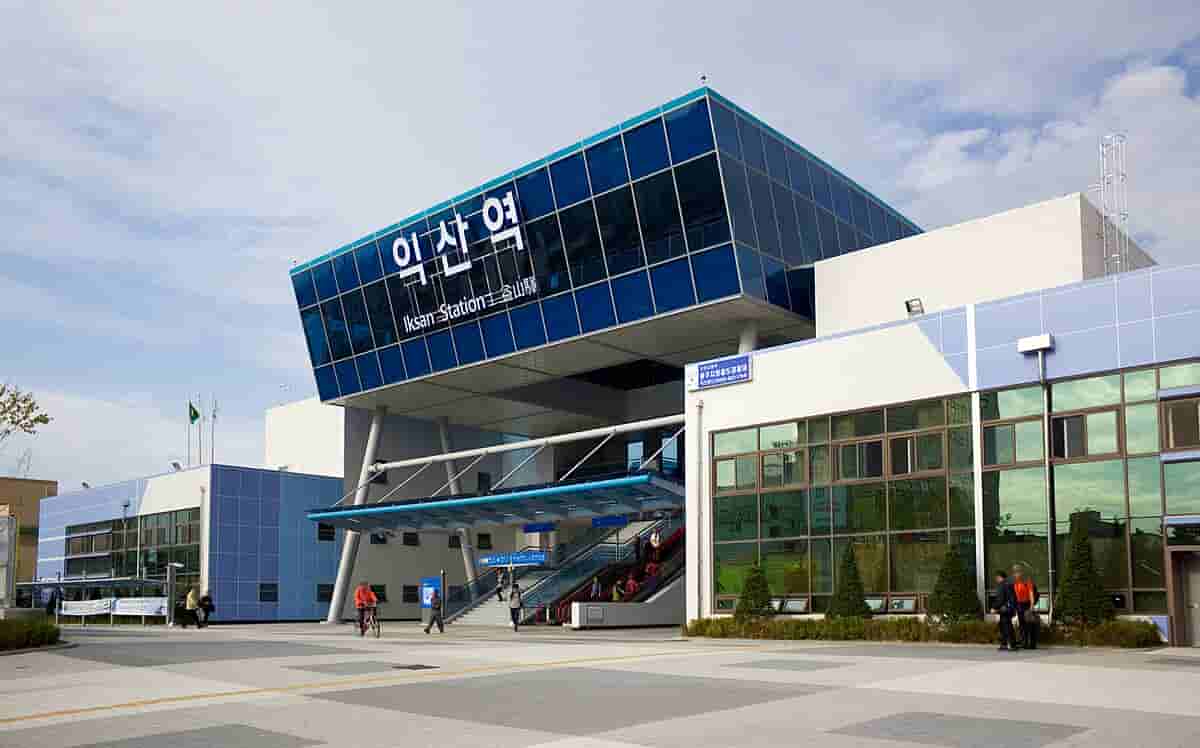
Iksan Station
The main railway station providing access to various destinations in Korea.
Wanggung-ri Ruins
Archaeological site with ancient palace foundations.
Iksan Shopping Street
Popular shopping district with various stores.
Iksan History Museum
Museum detailing local history and culture.
🏘️ Neighborhoods
Iksan Station Area
The bustling transportation and commercial heart of the city. Packed with hotels, restaurants, shops, and convenient transit links.
Downtown/City Hall Area
The administrative and business center, featuring the Culture and Arts Center, department stores, and a more modern urban feel.
Mireuksaji Historical Zone
A quieter area centered around the ancient temple site and stone pagoda. Offers a profound historical atmosphere and park-like surroundings.
Wanggung-ri Ruins Area
A suburban district home to the significant Baekje-era archaeological site. Rural and tranquil, ideal for deep historical immersion.
Iksan Lake Park Area
Situated around the large artificial lake and park. Features recreational spaces, walking paths, and a serene, green environment.
Seodong Park Area
A pleasant residential neighborhood named after the famous park, which is a popular spot for cherry blossoms and locals relaxing.
🍽️ Local Cuisine
Iksan, situated in the culinary-rich Jeolla province, offers delicious and hearty local fare. Must-try dishes include 'Iksan Gomtang', a clear ox bone soup known for its deep, savory flavor, and 'Jeonju Bibimbap', the iconic mixed rice dish originating from the neighboring city, often enjoyed here with local variations. As a region famous for agriculture, expect exceptionally fresh vegetables and side dishes (banchan). Noodle dishes and seafood from the nearby coast are also popular. For dining, explore the areas around the Central Market and Iksan Station for traditional restaurants and street food stalls. A typical meal at a local restaurant ranges from $7 to $15 per person. Dining etiquette aligns with general Korean customs: wait to be seated, use chopsticks and a long-handled spoon, and never stick chopsticks upright in rice. It's polite to pour drinks for others and receive with two hands.
💡 Local Tips
🚗 Day Trip Ideas
Jeonju
The capital of Jeollabuk-do, famous for its massive Hanok Village, incredible food (especially bibimbap), and vibrant traditional culture.
Gunsan
A historic port city with a well-preserved Japanese colonial-era district, modern harbor, and access to the scenic Seonyudo Island.
Naejangsan National Park
One of Korea's most beautiful mountains, spectacular especially in autumn for its fiery foliage and serene temples.
Gwangju
A major metropolitan city known for its art, history related to the democratic movement, and excellent museums and cuisine.
Byeonsan Peninsula National Park
Offers both mountain and coastal scenery with hiking trails, temples, and beautiful beaches like Byeonsan Beach.
🛡️ Safety Tips
Iksan is an exceptionally safe city with low crime rates. Violent crime against tourists is extremely rare. Standard precautions apply: be aware of your belongings in crowded areas like markets or the train station. No specific tourist-targeted scams are prevalent, but always use official taxis or ride-sharing apps. Traffic safety is the primary concern; be cautious when crossing streets and obey signals. The tap water is safe to drink, though most locals and visitors prefer bottled water. Emergency numbers are 112 for police and 119 for fire and medical services. English-speaking operators may not always be available, so having your hotel's address written in Korean can be helpful. Overall, Iksan offers a secure and welcoming environment for all travelers.
💰 Budget Guide
Iksan is a very affordable destination. A budget traveler can manage on $40-60 per day, staying in hostels or budget hotels ($30-45), eating at local markets and casual restaurants ($10-15), and using public transport ($5). A mid-range traveler should budget $80-120 per day, covering a comfortable hotel ($60-80), meals at sit-down restaurants ($20-30), taxi rides, and entrance fees to museums. Luxury travel at $150+ per day includes upscale hotels, fine dining, and private tours. Money-saving tips: visit free attractions like Iksan Lake Park and the Wanggung-ri Ruins, purchase a T-money card for bus discounts, eat at traditional markets for inexpensive and authentic meals, and consider visiting during the off-peak winter season for lower hotel rates. Many historical sites have minimal or no entrance fees.