Welcome to Iida
Nestled in the rugged mountains of southern Nagano Prefecture, Iida is a captivating city where Japan's natural beauty and rich cultural heritage converge along the banks of the Tenryu River. Often called the 'City of Sun and Fruit,' Iida basks in abundant sunshine that nurtures sprawling apple orchards and vineyards, creating a landscape that shifts with the seasons from blossoms to bountiful harvests. This is not a bustling metropolis, but a serene gateway to the Japanese Alps, where traditional crafts like Iida-bushi puppet theater and the meticulous art of woodworking are kept alive. With 38 hotels offering an average nightly rate of around $171, visitors can find comfortable accommodations ranging from modern business hotels to rustic ryokan inns, making it an accessible base for exploring the region's dramatic gorges, historic sites, and therapeutic hot springs. Iida invites travelers to slow down, savor crisp local apples and wine, and immerse themselves in the rhythms of rural Japanese life.
Overview
Iida's history is deeply woven into the fabric of the Tenryu River valley, serving as a vital post town on the historic Ina Kaido trade route connecting the mountainous interior with the Pacific coast. This legacy is palpable in its preserved merchant districts and the revered Iida Puppet Festival, a centuries-old tradition recognized as a UNESCO Intangible Cultural Heritage. The city is famously the heart of Japan's apple production, with orchards blanketing the hillsides, and its climate is also ideal for grape cultivation, giving rise to esteemed local wineries like Matsuo Winery. Culturally, Iida is a guardian of folk arts, from its distinctive puppet theater to intricate woodcrafts known as 'Ina woodworking.' The cityscape is a blend of the modern and the traditional, centered around the reconstructed Iida Castle Park, which offers panoramic views, while districts like the Kawaji area retain an old-world charm. Iida is ultimately celebrated for its fruit, its festivals, its stunning natural surroundings including the dramatic Achikawa Gorge, and its warm, welcoming atmosphere.
🗓️ Best Time to Visit
The ideal time to visit Iida is during the autumn months, from late September to November. This period offers crisp, cool air, stunning fall foliage that paints the mountains and gorges in vibrant reds and golds, and, most importantly, the apple harvest season. Visitors can enjoy fruit-picking and seasonal festivals. Spring (April to May) is another beautiful season, with cherry blossoms and apple blossoms creating a picturesque scene, though it can be busier. Summer (June to August) is warm and humid, perfect for river activities along the Tenryu and hiking in the highlands like Misaka Pass, but also the rainy season in June/early July. Winter (December to February) is cold with occasional snow, transforming the landscape into a quiet, serene wonderland and making nearby Takimi Onsen particularly inviting. Major events include the Iida Puppet Festival in April, various fruit harvest festivals in autumn, and vibrant summer fireworks over the river.
🌤️ Weather & Climate
Iida experiences a temperate inland climate with four distinct seasons. It is characterized by hot, humid summers and cold, relatively dry winters, with significant temperature variations between day and night due to its valley location.
Seasons
Spring
💨 Humidity: moderate
A season of renewal with blooming cherry and apple blossoms. Days become pleasantly warm, but nights remain cool. Rain showers are common, especially in late spring.
Summer
💨 Humidity: high
Hot and humid, with a pronounced rainy season (tsuyu) in June and early July. August is sunnier but very warm. Ideal for river activities and mountain escapes.
Autumn
💨 Humidity: moderate
The most popular season, featuring crisp air, brilliant fall foliage, and the apple harvest. Sunny days and cool nights prevail, with minimal rainfall.
Winter
💨 Humidity: low
Cold and dry with occasional snowfall, particularly in January and February. Days can be sunny but chilly, making onsen visits especially appealing.
Monthly Weather Details
January Weather
Best for: onsen, indoor museums, serene landscapes
February Weather
Best for: onsen, winter scenery
March Weather
Best for: early blossoms, temple visits
April Weather
Best for: cherry blossoms, puppet festival
May Weather
Best for: hiking, apple blossoms
June Weather
Best for: lush greenery, indoor activities
July Weather
Best for: river activities, escaping to highlands
August Weather
Best for: festivals, hiking, river fun
September Weather
Best for: early fall hikes, harvest beginnings
October Weather
Best for: apple picking, fall foliage
November Weather
Best for: peak autumn colors, wine tasting
December Weather
Best for: illuminations, onsen, quiet exploration
🎒 What to Pack
All Year Round
- comfortable walking shoes
- layered clothing
- power adapter
- reusable water bottle
🚗 Getting Around
Iida is a compact city where the central attractions are reasonably accessible, but a mix of transport is needed to explore fully. The heart of the city is walkable, with Iida Station as the main hub. For longer distances, the local Iida Line train is scenic but infrequent; planning around schedules is essential. Buses connect the station to key sites like the Iida City Museum and some onsen areas, but services can be limited, especially on weekends. Taxis are available at the station and by phone, but ride-sharing apps like Uber are not operational here. Renting a car is highly recommended for maximum flexibility to visit outlying orchards, wineries, Achikawa Gorge, and Misaka Pass. Bicycles can be rented for exploring the city center and river paths. For airport transfers, the nearest major airports are Chubu Centrair (NGO) and Shizuoka (FSZ), both requiring a combination of trains and buses taking 3-4 hours. A rental car from these airports is often the most efficient option.
🎯 Top Attractions
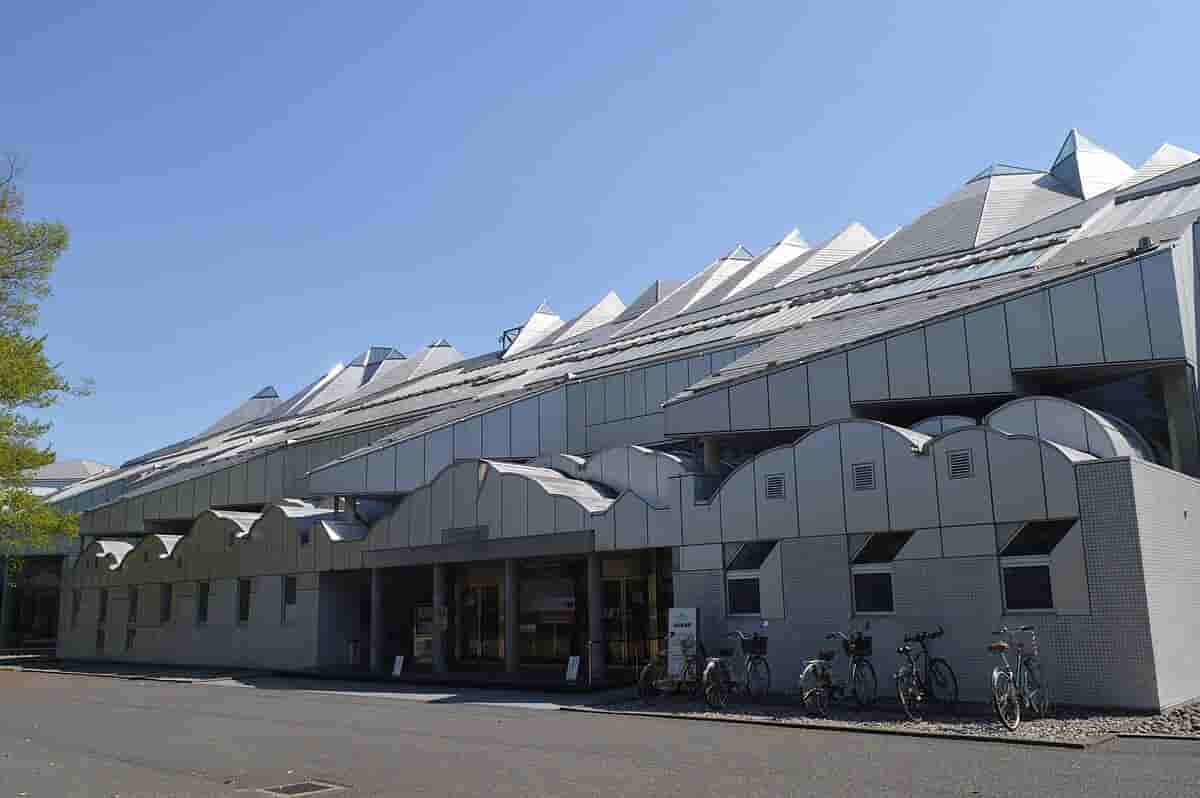
Iida City Museum
Museum showcasing the history and culture of Iida and the surrounding region.
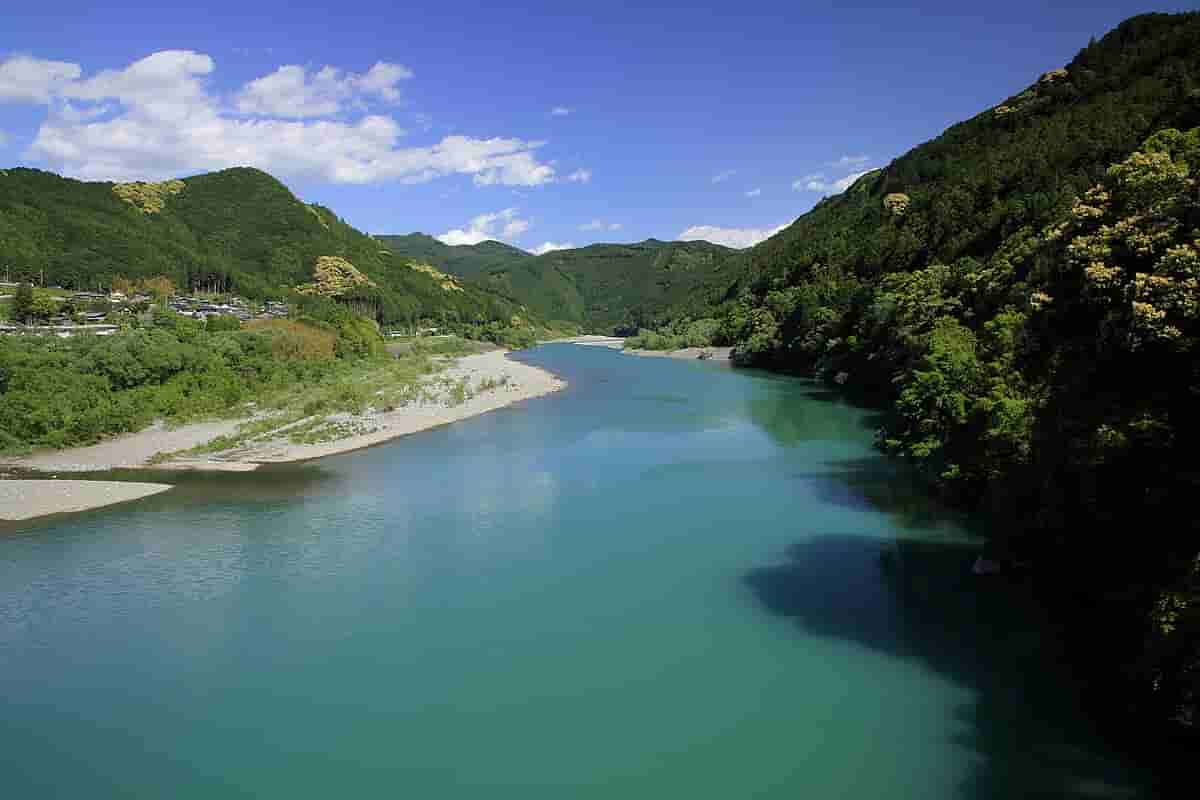
Tenryu River
Scenic river known for rafting and beautiful valley landscapes.
Iida Castle Park
Park with cherry blossoms and historical castle reconstructions.
Takimi Onsen
Natural hot springs with relaxing mineral waters.
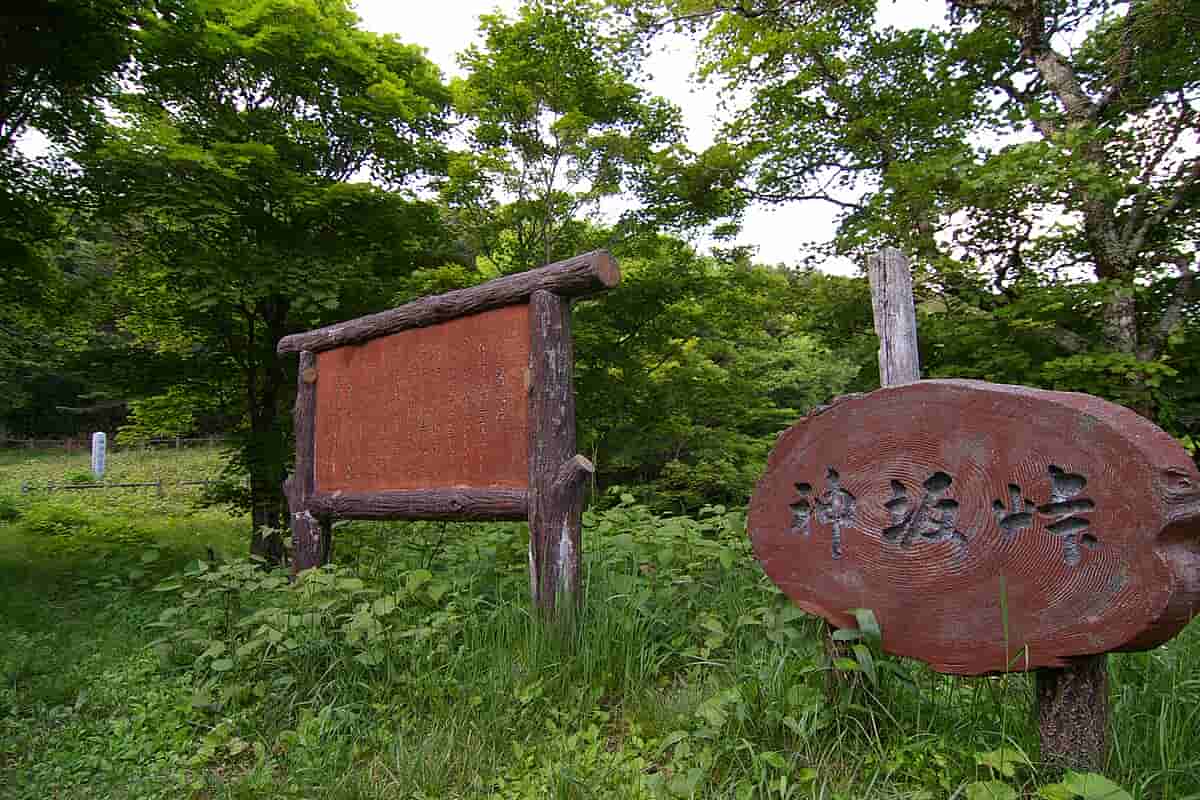
Misaka Pass
Mountain pass with hiking trails and natural beauty
Apple Orchards
The region is famous for its apple picking and fresh produce.
Iida Onsen
Hot spring facility with indoor and outdoor baths.
Matsuo Winery
Local winery offering tastings and tours.
Shinshu Iida Fruit Park
Orchard with fruit picking and seasonal events.
Achikawa Gorge
A picturesque ravine with walking paths and seasonal foliage.
Iida Castle Ruins Park
A hilltop park with cherry blossoms and historical ruins.
Hirugami Onsen Town
Quiet hot spring town with a historic atmosphere.
🏘️ Neighborhoods
Iida Station Area
The modern transportation and commercial hub of the city. Convenient for access to trains, buses, and a concentration of business hotels, restaurants, and shops like the Furusato Kan.
Kawaji / Castle Park Area
The historic heart of Iida, featuring the reconstructed castle keep, traditional merchant houses, and a more atmospheric, walkable streetscape. Close to the City Museum.
Tenryu Riverside
A scenic, quieter area following the flow of the Tenryu River. Offers beautiful walking and cycling paths, parks, and views of the water and surrounding mountains.
Takimi Onsen
A peaceful hot spring resort area located a short drive from central Iida. Known for its therapeutic waters and traditional ryokan inns offering kaiseki cuisine.
Fruit Park / Southern Orchards
The agricultural outskirts south of the city center, home to Shinshu Iida Fruit Park and numerous apple orchards and vineyards. A pastoral landscape of rolling hills.
Achikawa Gorge Area
Located northwest of the city, this is a base for exploring the stunning natural beauty of the gorge. Accommodation is limited but immersive in nature.
🍽️ Local Cuisine
Iida's cuisine is a delightful reflection of its mountainous terrain and agricultural abundance. The region is famous for its apples, which appear in everything from fresh fruit and juice to cider, vinegar, and even savory dishes. 'Shinshu Salmon' (landlocked salmon) from the clear Tenryu River is a local delicacy, often served as sashimi or grilled. Hearty mountain fare includes 'Hoba Miso,' where a savory miso paste with vegetables and sometimes meat is grilled on a magnolia leaf, and 'Oyaki,' steamed or grilled dumplings filled with seasonal vegetables or sweet bean paste. Soba (buckwheat noodles) is also a staple, thanks to Nagano's cool climate. Don't miss the local wines and fruit liqueurs from Matsuo Winery and others. Dining ranges from casual izakayas and soba shops to upscale kaiseki meals at ryokan. The area around Iida Station and the Kawaji district offers good dining options. A typical meal can cost from 800-1500 JPY for lunch to 3000-6000 JPY for dinner. As always in Japan, it's polite to say 'itadakimasu' before eating and 'gochisosama deshita' after.
💡 Local Tips
🚗 Day Trip Ideas
Ina City & The Museum of Japanese Puppetry
Explore the neighboring city of Ina, home to the superb Museum of Japanese Puppetry (Ningyo Joruri Kan), which delves deeper into the region's famed puppet tradition.
Lake Suwa & Suwa City
Visit the largest lake in Nagano, famous for its mysterious 'God's Crossing' ice cracks in winter and historic Suwa Taisha shrines. A scenic drive through the mountains.
Tenryu-kyo Gorge Railway
Take a spectacular train ride from Iida Station along the Tenryu River through deep gorges and tunnels. Get off at scenic stops for short hikes and views.
Komagane & The Central Alps
Head into the high mountains to Komagane, a gateway to the Central Alps. Take the Komagatake Ropeway for breathtaking alpine vistas (seasonal operation).
Shimoina (Southern Ina Valley) Villages
Drive through picturesque villages like Matsukawa and Yasuoka, known for traditional thatched-roof houses (kayabuki) and serene rural landscapes.
Nagiso & Tsumago (Nakasendo)
Step back in time on the historic Nakasendo trail. Visit the beautifully preserved post towns of Tsumago and Magome, a must for history buffs.
🛡️ Safety Tips
Iida is an exceptionally safe city with very low crime rates, typical of rural Japan. Violent crime is extremely rare, and walking alone at night is generally safe. The primary concerns are natural: be cautious near the Tenryu River, especially after heavy rain, as water levels can rise quickly. When hiking in surrounding areas like Misaka Pass or Achikawa Gorge, stay on marked trails, check weather forecasts, and inform someone of your plans. Scams targeting tourists are virtually nonexistent. Standard emergency numbers apply: 110 for police, 119 for fire and ambulance. It's advisable to have travel insurance. While tap water is safe to drink, those with sensitive stomachs might stick to bottled water initially. Pharmacies ("yakkyoku") are available for minor ailments, but for serious issues, the Iida Municipal Hospital is the main medical facility. As always, keep valuables secure, though the risk of theft is minimal.
💰 Budget Guide
Iida can be enjoyed on various budgets, though having a car rental adds a fixed cost. A budget traveler can manage on 5,000-7,000 JPY per day by staying in a business hotel or guesthouse (5,000-8,000 JPY/night), eating at convenience stores or cheap soba shops (600-1,000 JPY/meal), using local buses sparingly, and enjoying free attractions like castle parks and river walks. Mid-range travelers spending 10,000-15,000 JPY daily can afford comfortable hotels or ryokan (8,000-15,000 JPY/night), dining at nice local restaurants (1,500-3,000 JPY/meal), renting a car (6,000-10,000 JPY/day), and paying for museum entries and fruit-picking activities. Luxury at 20,000+ JPY per day includes high-end ryokan with kaiseki meals (20,000+ JPY/night), fine dining, private tours, and premium wine tastings. Money-saving tips: visit during off-peak seasons (winter, excluding New Year), purchase a JR pass if traveling wider Japan, utilize free tourist maps, enjoy picnic lunches from local markets, and take advantage of the many free natural attractions.