Welcome to Iga
Nestled in the forested mountains of Mie Prefecture, Iga is a city where history whispers from ancient castle walls and moves with the stealth of legendary shadows. This compact, culturally rich destination offers a profound escape from Japan's bustling metropolises, inviting travelers to step into the world of the ninja. Iga's significance as the birthplace of the Iga-ryu, one of Japan's most famous ninja schools, defines its modern identity, transforming it into a living museum of covert history. Beyond the shuriken and hidden doors, Iga is a place of serene beauty, home to majestic castles, tranquil temples like Shorenji, and the breathtaking natural spectacle of Akame 48 Waterfalls. With a manageable size perfect for a focused exploration, visitors find a welcoming atmosphere supported by a range of accommodations; the city offers 18 hotels, providing comfortable stays at an average of around $118 per night, making it an accessible gateway to a unique chapter of Japanese heritage. A one-day visit is often recommended to immerse fully in its core attractions, from the ingenious exhibits of the Iga-ryu Ninja Museum to the samurai grandeur of Iga Ueno Castle.
Overview
Iga, historically known as Iga Province, is a city synonymous with the ninja. Its rugged, mountainous terrain provided the perfect secluded training ground for the Iga-ryu ninja clans, who developed their unique espionage and guerrilla techniques from the Sengoku period. Today, this legacy is meticulously preserved and celebrated. The city's heart is Ueno, the former castle town, centered around the magnificent Iga Ueno Castle—a stunning white structure known for having some of the highest stone walls in Japan. Adjacent to the castle, Ueno Park and the Iga-ryu Ninja Museum form the cultural core, where demonstrations and historical displays bring the ninja's world to life. The city is also famous for its connection to the haiku master Matsuo Bashō, who was born in the region, adding a layer of poetic refinement to its identity. Culturally, Iga is a blend of martial stealth and artistic subtlety. The annual Iga Ueno Ninja Fest (late April) sees the city transform with ninja-themed parades and events. While modern districts exist, the city's charm lies in its historical sites and the surrounding natural beauty of the Nabari River valley and the Akame waterfall area, offering a complete experience of history, culture, and nature.
🗓️ Best Time to Visit
The best times to visit Iga are during the mild and dry seasons of spring (April to early June) and autumn (October to November). Spring is particularly magical, as cherry blossoms (sakura) bloom around Iga Ueno Castle and Ueno Park in early April, creating a stunning contrast with the white castle walls. This season culminates in the lively Iga Ueno Ninja Fest, typically held in late April. Autumn offers crisp air and vibrant fall foliage, especially beautiful around Akame 48 Waterfalls and the castle grounds, making it ideal for hiking and photography. Summer (July to September) is hot, humid, and rainy, coinciding with Japan's typhoon season. While the greenery is lush, hiking can be strenuous and wet. The Akame waterfalls are at their most powerful during this time. Winter (December to February) is cold but relatively dry, with occasional light snow dusting the castle—a rare and beautiful sight. Tourist crowds are smallest in winter and the peak of summer, offering a quieter experience, though some outdoor activities may be less comfortable. Major events are concentrated in spring and autumn.
🌤️ Weather & Climate
Iga has a humid subtropical climate with four distinct seasons. Winters are cool to cold with little precipitation, while summers are hot, humid, and rainy, influenced by the East Asian monsoon.
Seasons
Spring
💨 Humidity: moderate
Mild and pleasant, with increasing warmth and blooming cherry blossoms in April. Occasional rain showers.
Summer
💨 Humidity: high
Hot, very humid, and rainy, with the peak of the rainy season in June-July and risk of typhoons in August-September.
Autumn
💨 Humidity: moderate
Warm and comfortable early on, becoming crisp and cool with stunning fall foliage in November. Typhoon risk early in the season.
Winter
💨 Humidity: low
Cold and dry, with occasional light snow that rarely accumulates. Clear, sunny days are common.
Monthly Weather Details
January Weather
Best for: castle visits, indoor museums
February Weather
Best for: castle visits, indoor museums
March Weather
Best for: early spring sightseeing
April Weather
Best for: cherry blossom viewing, festivals
May Weather
Best for: hiking, outdoor activities
June Weather
Best for: lush greenery, waterfall viewing
July Weather
Best for: indoor/early morning activities
August Weather
Best for: festivals, indoor attractions
September Weather
Best for: outdoor activities (watch for typhoons)
October Weather
Best for: hiking, cultural sightseeing
November Weather
Best for: autumn foliage viewing
December Weather
Best for: castle visits, quiet exploration
🎒 What to Pack
All Year Round
- comfortable walking shoes
- light layers
- umbrella or rain jacket
- power adapter
🚗 Getting Around
Iga is a compact city where its main attractions are relatively close, but some natural sites require transport. The core historical area around Iga Ueno Castle, the Ninja Museum, and Ueno Park is best explored on foot. For longer distances, the Iga Railway Line is the primary local train service, connecting major stations like Iga-Ueno and Iga-Kambe to outlying areas and connecting to JR lines for travel to/from cities like Nagoya and Osaka. Buses operated by Mie Kotsu serve routes within the city and to key attractions like Akame 48 Waterfalls, though schedules can be infrequent, so planning is essential. Taxis are available at stations and can be hailed, but ride-sharing apps like Uber are not prevalent; booking a taxi via phone or hotel concierge is standard. Renting a bicycle is a highly recommended and enjoyable way to explore the city center and nearby rural paths. For airport transfers, the closest major airports are Kansai International (KIX) and Chubu Centrair (NGO). From both, travelers typically take a limited express train to Nagoya or Osaka, then transfer to the Kintetsu or JR line to Iga-Ueno Station. The journey takes 2-3 hours. Costs are moderate: local train fares start around 200-500 yen, bus fares are similar, and a day of bicycle rental costs approximately 1,000-1,500 yen.
🎯 Top Attractions
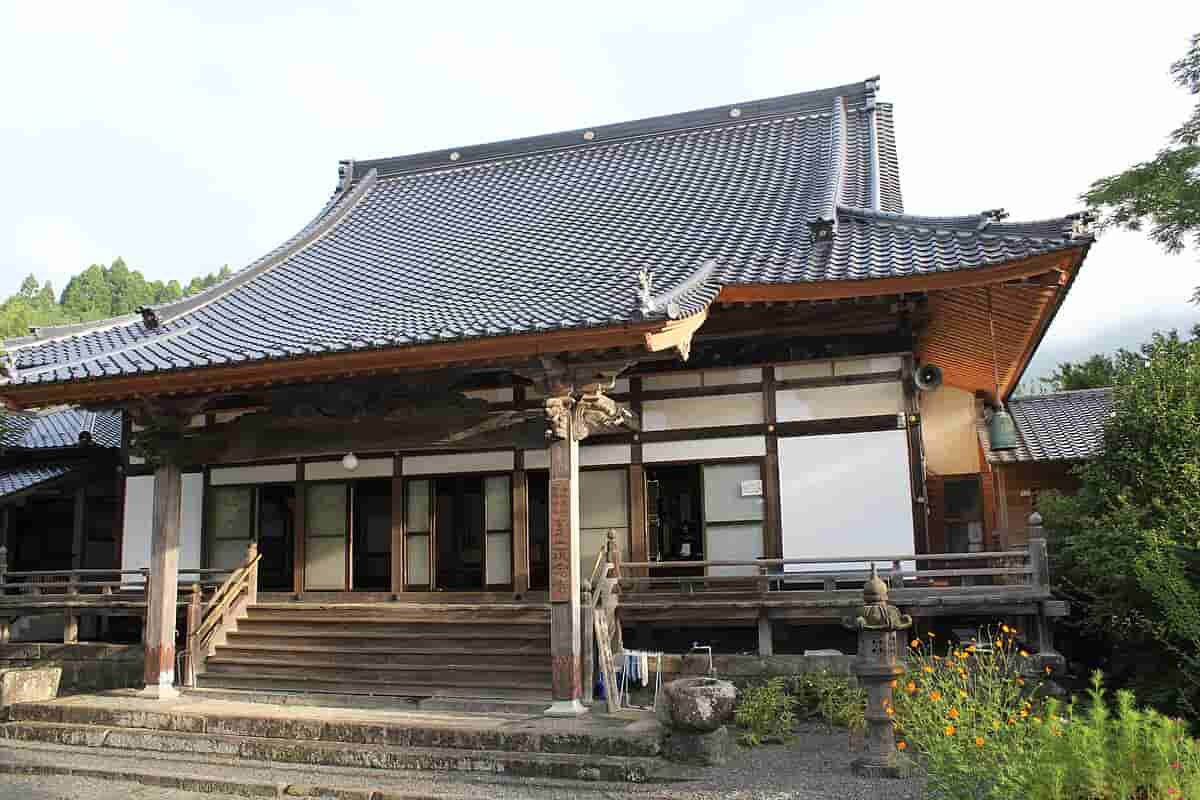
Shorenji Temple
Historic Buddhist temple with serene atmosphere
Iga-ryu Ninja Museum
A museum dedicated to the history and techniques of the Iga school of ninjutsu.
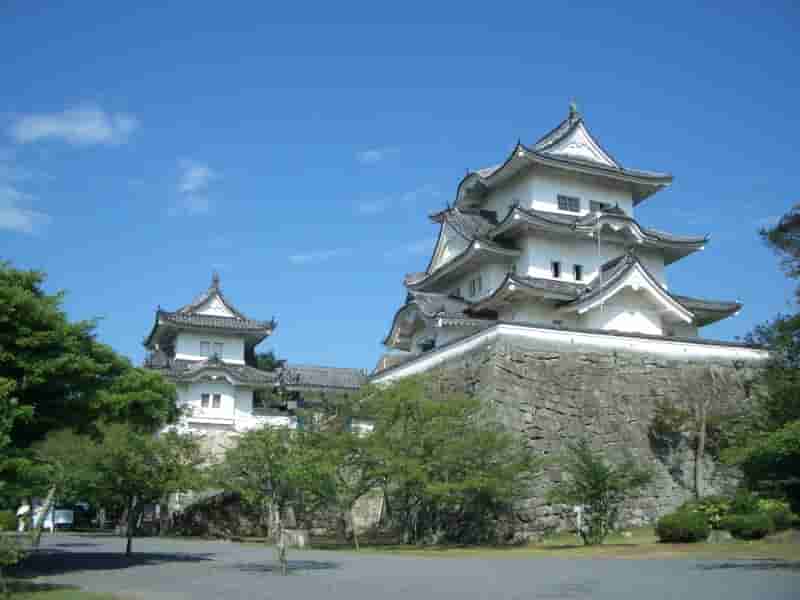
Iga Ueno Castle
Well-preserved castle with a ninja museum and historical exhibits.
Akame 48 Waterfalls
A natural area with multiple waterfalls and hiking opportunities.
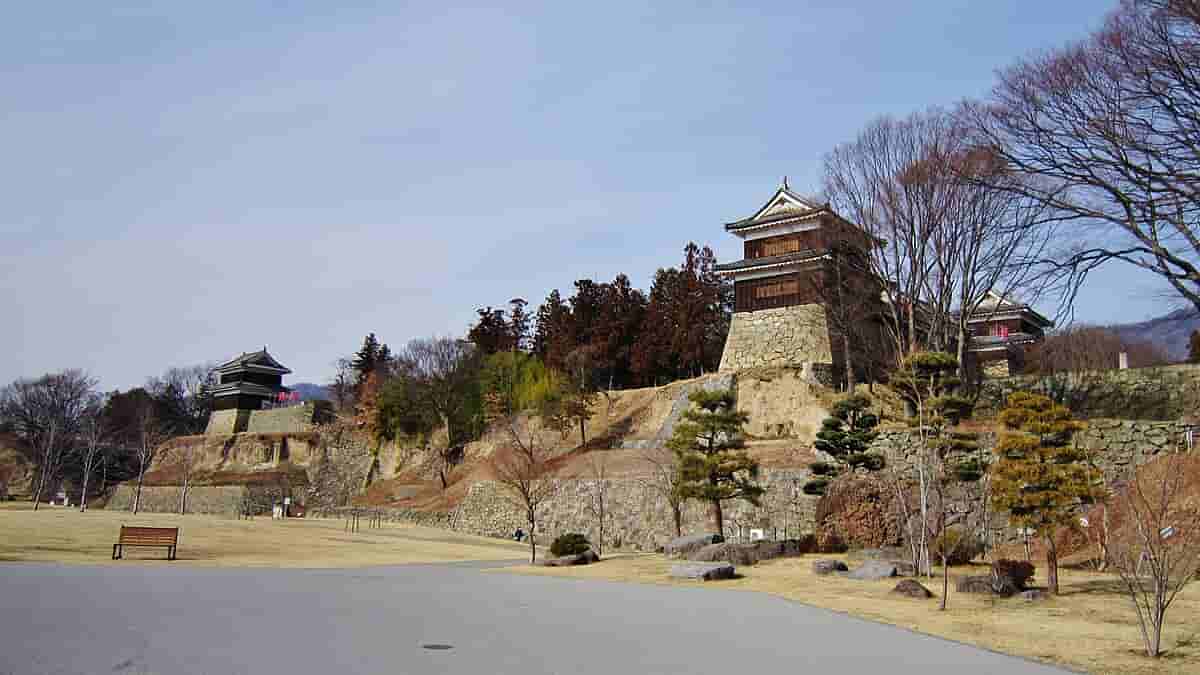
Ueno Castle
A historic castle located in Iga-Ueno, also known as the 'White Phoenix Castle'.
Iga Folk Park
An open-air museum with traditional thatched-roof houses and cultural demonstrations.
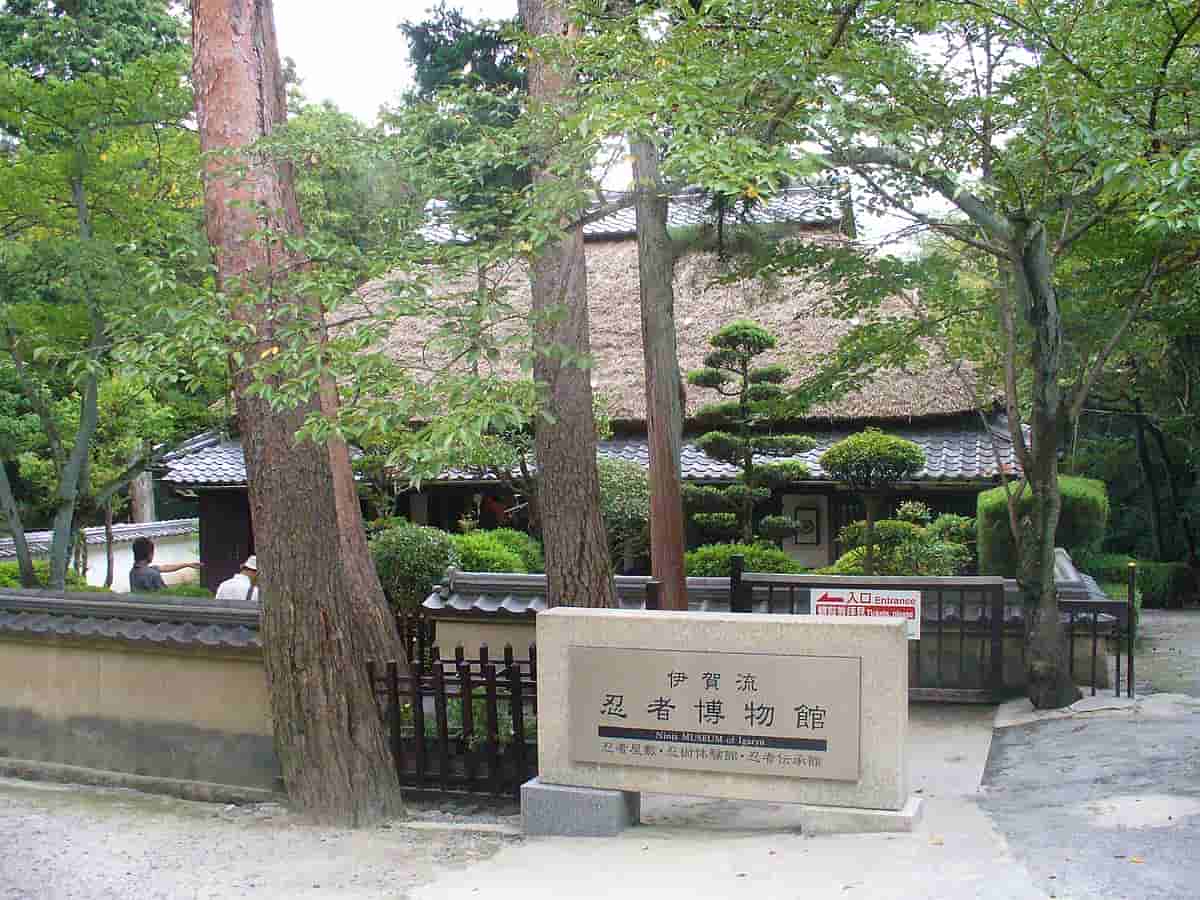
Ninja Museum of Igaryu
Museum dedicated to ninja history and artifacts
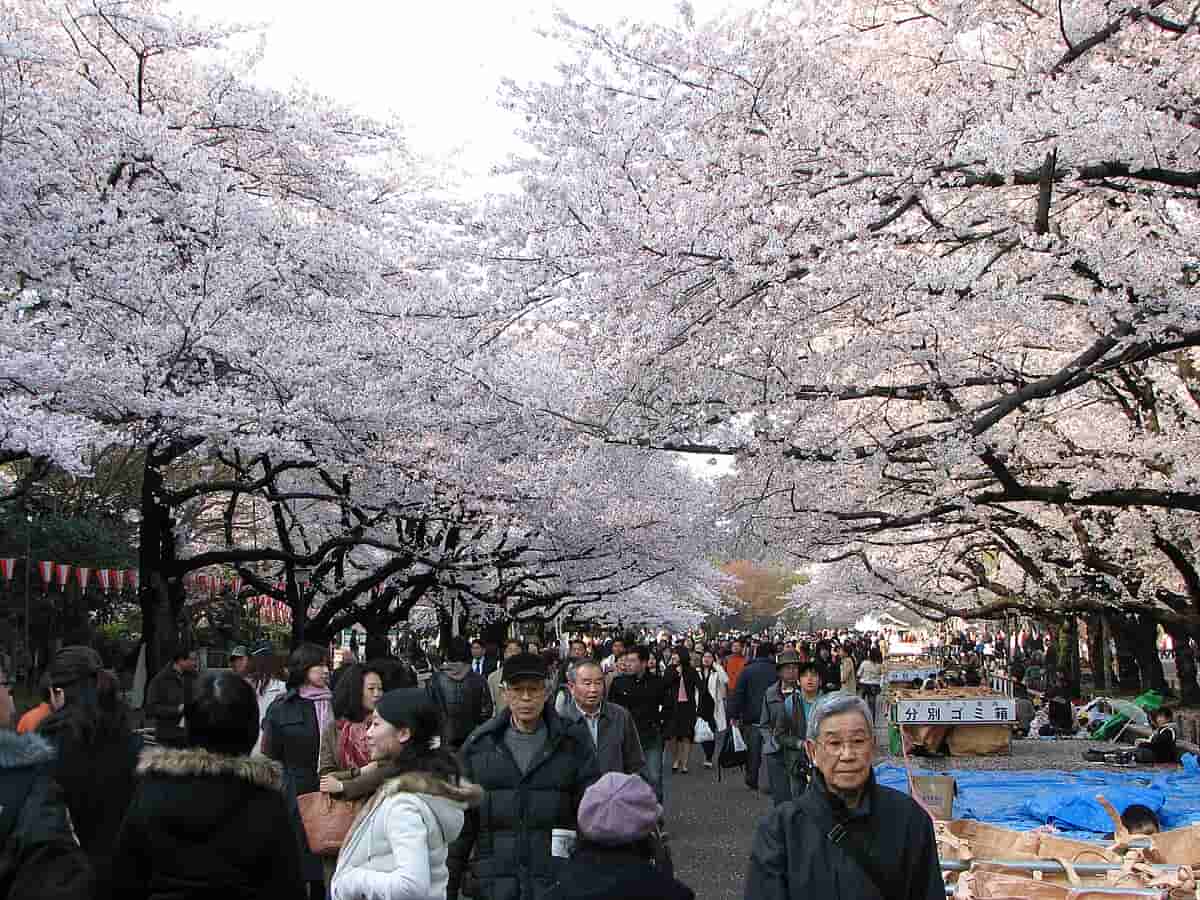
Ueno Park
Scenic park with cherry blossoms and walking trails
Iga no Sato
Cultural theme park showcasing traditional crafts and ninja experiences.
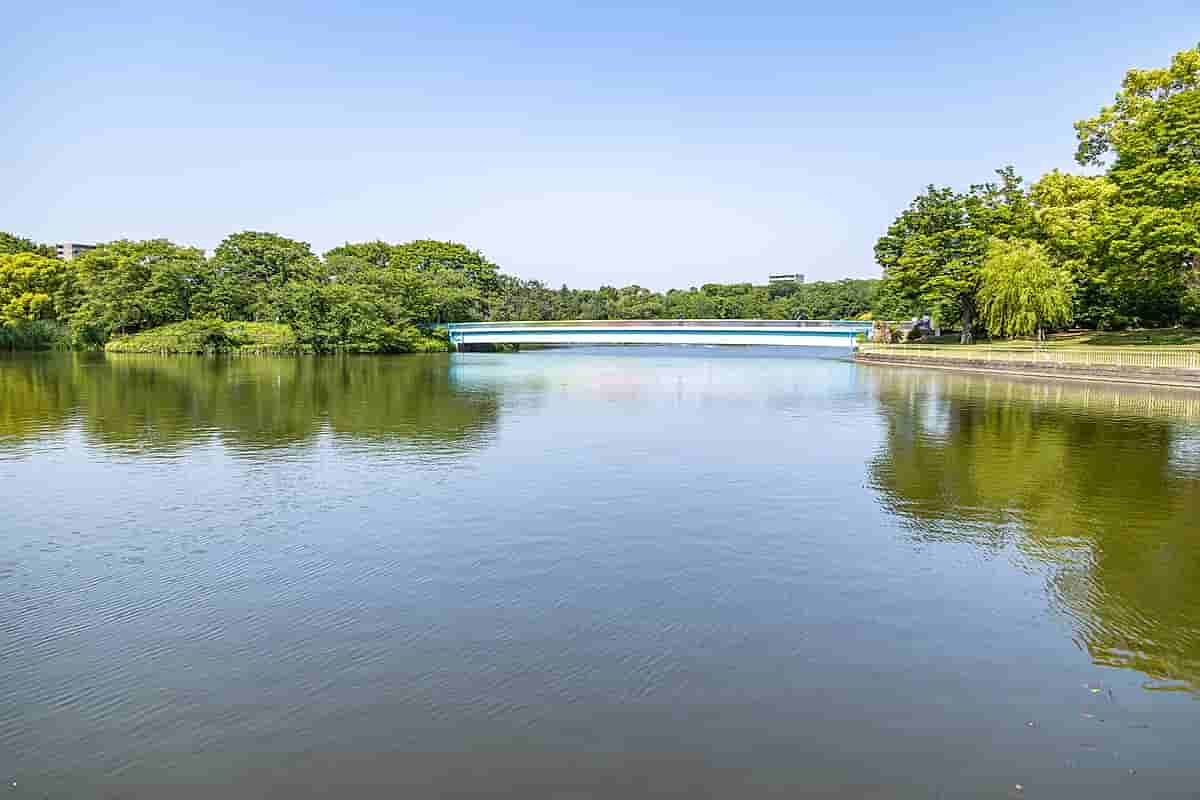
Nabari Park
A local park with walking paths, playgrounds, and seasonal flowers.
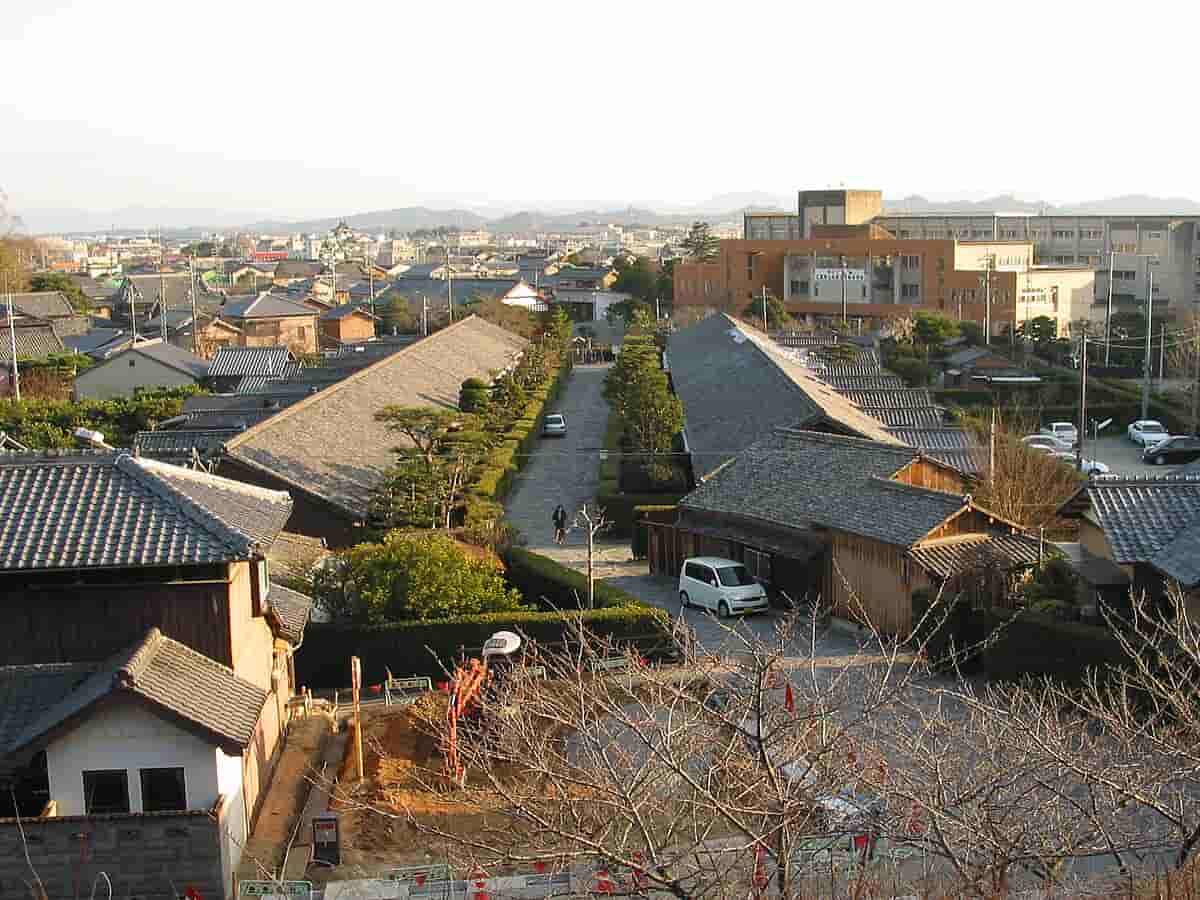
Matsusaka
Famous for its high-quality beef and historic merchant houses.
Danjiri Museum
Exhibits traditional festival floats and cultural artifacts.
🏘️ Neighborhoods
Ueno (Iga-Ueno Station Area)
The historic heart and main transport hub, centered around Iga Ueno Castle and the Ninja Museum. Lined with shops, restaurants, and traditional machiya houses.
Iga City Center (South of Ueno)
The modern administrative and commercial center, with city hall, department stores, and more everyday services. Less touristy but functional.
Akame Area
A rural, nature-focused district surrounding the famous Akame 48 Waterfalls. Home to hiking trails, ryokans, and the Ninja training camp experience.
Nabari City (Adjacent City)
A neighboring city with its own station (Nabari) on the Kintetsu Osaka Line. Offers additional hotel options and is a gateway to Iga.
Iga-Kambe Area
A quieter district with its own station, offering a more residential feel. Close to some temples and provides a local, non-touristy atmosphere.
Hakuho Area
Western part of Iga, known for its connection to the poet Bashō and scenic rural landscapes. Ideal for driving tours and cultural pilgrimages.
🍽️ Local Cuisine
Iga's cuisine is hearty, rustic, and deeply connected to its mountainous interior. The signature dish is Iga beef, a premium wagyu known for its rich marbling and melt-in-the-mouth texture, often served as steak, sukiyaki, or shabu-shabu. Another must-try is Iga soba, buckwheat noodles made with local spring water, served cold with a dipping sauce or in a hot broth. Due to its ninja heritage, fun 'ninja-themed' foods are popular, including black burgers (colored with bamboo charcoal) and kunai-shaped snacks. For a unique local experience, try 'kakino ha sushi,' sushi wrapped in persimmon leaves, which acts as a natural preservative—a technique said to have been used by traveling ninja. Dining culture ranges from casual soba shops and izakayas (Japanese pubs) to upscale restaurants specializing in Iga beef. The area around Iga-Ueno Station and the castle has a good concentration of eateries. Price ranges vary: a bowl of Iga soba costs 800-1,200 yen, a set meal at a mid-range restaurant 1,500-3,000 yen, while an Iga beef course can exceed 10,000 yen. Etiquette is standard Japanese: say 'itadakimasu' before eating, avoid sticking chopsticks upright in rice, and try to finish what you order.
💡 Local Tips
🚗 Day Trip Ideas
Nara
Ancient capital with Todai-ji Temple housing the Great Buddha, friendly deer in Nara Park, and historic shrines.
Nagoya
Major metropolis with Nagoya Castle, Toyota museums, vibrant shopping districts, and diverse dining options.
Ise
Home to Ise Jingu, Japan's most sacred Shinto shrine, and Oharai-machi traditional street with local treats.
Osaka
Bustling city famous for street food in Dotonbori, Osaka Castle, vibrant nightlife, and universal Studios Japan.
Koka (Koga)
The other famous ninja region, home to the Koka-ryu Ninja House and museum for a comparative ninja experience.
Lake Biwa
Japan's largest lake, offering boat cruises, lakeside cycling, historic castles like Hikone, and fresh seafood.
🛡️ Safety Tips
Iga is an exceptionally safe city with very low crime rates. Violent crime is rare, and petty theft is uncommon, though standard precautions like securing valuables are always wise. There are no specific tourist-targeted scams to be wary of. The primary safety concerns are natural: be cautious when hiking at Akame 48 Waterfalls or other trails, especially during or after rain when paths can be slippery. Follow marked trails and heed warning signs. In summer, stay hydrated and guard against heatstroke. Health recommendations include having travel insurance. Medical facilities are excellent, though English may be limited at smaller clinics; larger hospitals in nearby cities like Nabari or Tsu have better resources. Emergency numbers are 110 for police and 119 for fire and ambulance. It's helpful to have your hotel's address written in Japanese to show taxi drivers or officials. Road safety is high, but be mindful when walking or cycling, as some older streets are narrow.
💰 Budget Guide
Iga can suit various budgets, though it's not a budget backpacker hub. A budget traveler can manage on 5,000-7,000 yen per day by staying in a business hotel or guesthouse (4,000-6,000 yen/night), eating at soba shops or convenience stores (1,500-2,500 yen), using local buses and walking (500-1,000 yen), and visiting free attractions like Ueno Park and temple grounds. A mid-range budget of 10,000-15,000 yen per day allows for a comfortable hotel (7,000-10,000 yen), meals at sit-down restaurants including an Iga beef treat (3,000-5,000 yen), taxi rides for convenience (2,000 yen), and paid entry to all major museums and castles (1,500-2,000 yen). Luxury travel exceeds 25,000 yen daily, covering a ryokan or high-end hotel (15,000+ yen), multi-course kaiseki or premium Iga beef dinners (10,000+ yen), private taxi tours, and exclusive experiences. Money-saving tips include purchasing a combined ticket for the Ninja Museum and Iga Ueno Castle, renting a bicycle instead of using taxis, eating set lunches (teishoku), and staying in nearby Nabari for potentially lower hotel rates with easy train access.