Welcome to Idra
Idra, known also as Hydra, is a jewel of the Saronic Gulf, a small island where time seems to have stood still in the most enchanting way. Located just a two-hour ferry ride from Athens, this car-free haven is a world away from the bustle of the mainland. Its significance is etched in its stone mansions and maritime history, having played a pivotal role in Greece's War of Independence. Today, Idra is a magnet for artists, writers, and travelers seeking a serene escape defined by cobblestone paths, crystal-clear waters, and a sophisticated, understated charm. The island's unique character is amplified by its complete ban on motor vehicles, where donkeys and water taxis are the primary modes of transport. With approximately 10 hotels offering a range of intimate stays, visitors can find accommodations that blend seamlessly into the island's elegant, rustic aesthetic, with an average nightly rate of around $167.50, reflecting its status as a cherished and exclusive destination.
Overview
Idra (Hydra) is an island of profound historical and cultural weight. Its 18th and 19th-century prosperity, built on a formidable merchant and naval fleet, is visible in the grand, stone-built captain's mansions lining the horseshoe-shaped port. The island was a key naval power during the Greek War of Independence in the 1820s, and its museum archives proudly detail this legacy. Today, it is famous for its bohemian atmosphere, having attracted an international artistic community since the mid-20th century, including figures like Leonard Cohen. The island's main 'district' is essentially the port town, a vibrant cluster of neoclassical buildings, shops, and tavernas around the harbor. Beyond the port, narrow stone paths lead to smaller hamlets like Kaminia and Vlychos, and up the pine-covered slopes to the historic Monastery of Profitis Ilias. The entire island is a preserved architectural site, with no new buildings allowed, ensuring its timeless beauty. It is a place for walking, swimming in secluded coves, and soaking in a culture that values quiet sophistication over loud tourism.
🗓️ Best Time to Visit
The ideal time to visit Idra is during the shoulder seasons of late spring (May to early June) and early autumn (September to October). During these months, you'll enjoy warm, sunny days perfect for exploring and swimming, with fewer crowds and more pleasant temperatures than the peak summer. Summer (July and August) is the peak season, bringing intense heat, vibrant energy, and a full roster of visitors, making the port area bustling and accommodations most expensive. This period also sees major cultural events, including the Miaoulia festival in late June, celebrating Admiral Miaoulis with a spectacular boat burning in the harbor. The winter months (November to March) are the off-peak season; many hotels and restaurants close, the weather can be cool and rainy, but the island offers a profoundly peaceful and authentic local experience for those seeking solitude. Sea temperatures remain swimmable from June through October.
🌤️ Weather & Climate
Idra enjoys a typical Mediterranean climate with hot, dry summers and mild, wetter winters. The island is blessed with abundant sunshine year-round, with summer heat tempered by seasonal 'meltemi' winds.
Seasons
Spring
💨 Humidity: moderate
Pleasant, warm days and cool evenings. Ideal for hiking and sightseeing before the summer heat. Sea becomes swimmable by late May.
Summer
💨 Humidity: moderate
Hot, dry, and sunny. Peak beach season. The meltemi wind provides cooling relief. Evenings are warm and lively.
Autumn
💨 Humidity: moderate
Warm, sunny days gradually give way to cooler temperatures and increased rainfall, especially in November. The sea remains warm.
Winter
💨 Humidity: moderate
Mild but wet, with occasional storms. Many tourist facilities close. A time for quiet contemplation and experiencing local island life.
Monthly Weather Details
January Weather
Best for: indoor activities, cultural sites
February Weather
Best for: sightseeing, hiking
March Weather
Best for: sightseeing, hiking
April Weather
Best for: sightseeing, hiking
May Weather
Best for: beach, sightseeing, hiking
June Weather
Best for: beach, swimming, sailing
July Weather
Best for: beach, swimming, nightlife
August Weather
Best for: beach, swimming, nightlife
September Weather
Best for: beach, swimming, sightseeing
October Weather
Best for: beach, sightseeing, hiking
November Weather
Best for: sightseeing, hiking
December Weather
Best for: indoor activities, cultural sites
🎒 What to Pack
All Year Round
- sunglasses
- sun hat
- comfortable walking shoes
- light jacket
🚗 Getting Around
Getting around Idra is a uniquely charming experience defined by the absence of cars and motorbikes. The entire island is pedestrianized. The primary modes of transport are your own two feet and the island's famous donkeys and mules, which can be hired at the port to carry luggage or provide rides up steeper paths. For reaching beaches or villages further along the coast, small water taxis operate regularly from the main harbor, offering a scenic and efficient service. There are no traditional public buses or ride-sharing apps. The only motorized vehicles you'll see are a few municipal trucks and garbage vehicles. The compact nature of the main town makes it perfect for walking, and sturdy shoes are essential for the cobbled and often steep alleyways. To reach Idra, you take a ferry or hydrofoil from Piraeus port in Athens; the journey takes about 1.5 to 2 hours. Upon arrival, everything is within walking distance from the dock.
🎯 Top Attractions
Hydra Harbor
The bustling main port, a car-free zone filled with restaurants and donkeys.
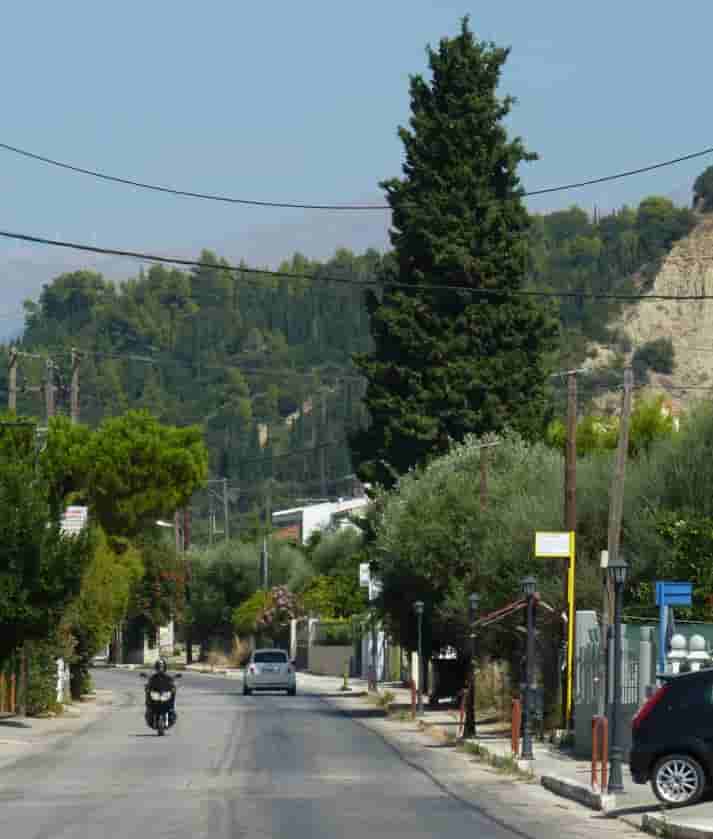
Kaminia Beach
A quiet, traditional fishing hamlet with a small pebble beach and tavernas.
Profitis Ilias Monastery
A monastery atop the island's highest peak, offering stunning views.
Hydra Port
The main harbor of Hydra, filled with cafes, shops, and fishing boats.
Miaoulis Monument
Statue honoring Admiral Andreas Miaoulis, a hero of the Greek War of Independence.
Hydra Museum Historical Archives
Museum showcasing the island's rich history and maritime tradition.

Idra Port
A picturesque harbor with fishing boats and cafes.
Monastery of Profitis Ilias
A hilltop monastery offering panoramic island views.

Beach of Idra
A pebble beach with clear blue waters.
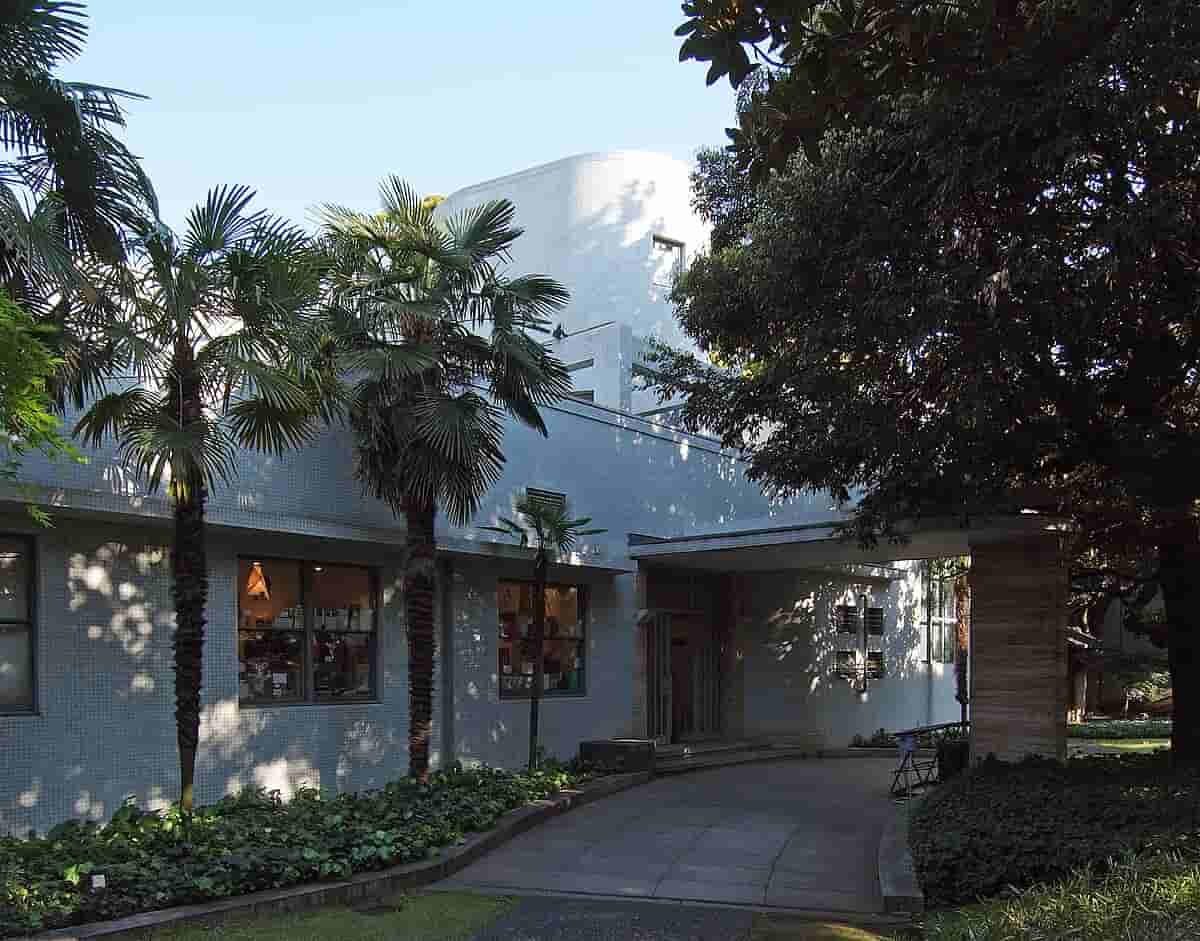
Hydra Museum
A museum displaying historical artifacts and art from the island.
Historical Archive Museum
Museum showcasing Hydra's maritime history.
Kamini Beach
A small pebble beach near a traditional fishing village.
🏘️ Neighborhoods
Hydra Port (Harbor)
The vibrant heart of the island, a horseshoe-shaped harbor lined with neoclassical mansions, cafes, shops, and yachts. This is where the ferries arrive and most tourist life pulses.
Kaminia
A picturesque, tranquil fishing hamlet about a 20-minute walk east of the main port. Features a small pebble beach, traditional tavernas right on the water, and colorful boat sheds.
Vlychos
A serene coastal village west of the port, accessible by foot or water taxi. Offers a long pebble beach, a few tavernas, and a peaceful atmosphere away from the crowds.
Profitis Ilias Area
The mountainous interior surrounding the historic monastery. Accessed by a steep hiking path or donkey, offering breathtaking panoramic views and profound tranquility.
Mandraki & Kamini
The area combining the small beach of Mandraki and the village of Kamini, just beyond Kaminia. Known for its secluded feel, rocky coves, and crystal-clear waters.
The Backstreets (Ano Idra)
The network of steep, narrow lanes climbing the hill behind the port. A maze of whitewashed houses, hidden gardens, and occasional guesthouses with stunning views.
🍽️ Local Cuisine
Idra's cuisine is classic Greek island fare, emphasizing fresh, local ingredients from the sea and the sparse, rocky land. Signature dishes include fresh grilled octopus, sardines, and other daily catches, often simply prepared with olive oil and lemon. You must try 'astakomakaronada' (lobster pasta), a local specialty, though it is a premium dish. Other staples include Greek salads with creamy feta, stuffed tomatoes and peppers (gemista), and various mezze like tzatziki and dolmades. Dining culture is relaxed and social, with most tavernas clustered around the harbor or in the backstreets, offering stunning sea views. For a more local feel, head to the tavernas in Kaminia. Price ranges from affordable souvlaki and gyros spots to mid-range tavernas and upscale seafood restaurants on the waterfront. Etiquette is informal; service can be leisurely, reflecting the island's pace. It's customary to greet staff upon entering and leaving.
💡 Local Tips
🚗 Day Trip Ideas
Spetses
Another elegant, car-free Saronic island known for its horse-drawn carriages, pine forests, and beautiful old harbor. More lush than Hydra.
Poros
A charming island separated from the Peloponnese by a narrow channel. Features a picturesque clock tower, lemon groves, and lovely beaches.
Ermioni (Peloponnese)
A scenic mainland fishing town on the Argolic Gulf, known for its seafood tavernas, pine-covered hills, and relaxed atmosphere.
Dokos Island
A small, uninhabited island near Hydra, perfect for a secluded swimming and snorkeling excursion by private boat or organized tour.
Athens (Piraeus)
For a dramatic contrast, take the ferry back to the mainland to explore the ancient Acropolis and vibrant neighborhoods of the capital.
🛡️ Safety Tips
Idra is an exceptionally safe island with very low crime rates. The main concerns are typical of any tourist destination: safeguarding valuables from petty theft in crowded port areas. Be cautious on the steep, cobbled paths, especially at night or when wet, to avoid slips and falls. Wear sturdy shoes. There are no specific scams to note, but always confirm prices for water taxis and donkey rides beforehand. The island has a small medical center for minor issues; serious medical emergencies require transfer to the mainland. Emergency number for police, fire, and ambulance is 112. In summer, sun protection is a major health recommendation—use strong sunscreen, wear a hat, and stay hydrated. The sea is generally safe, but always heed local advice about currents at specific beaches.
💰 Budget Guide
Idra is a mid-range to upscale destination. A budget traveler could manage on around $70-100 per day by staying in a basic pension or room, eating gyros and street food, and enjoying free activities like hiking and swimming. A mid-range budget of $150-250 per day covers a comfortable hotel room ($167.50 average), meals at good tavernas, a few water taxi trips, and museum entries. Luxury spending of $350+ per day includes boutique hotels, fine dining (like lobster pasta), private boat trips, and shopping. Money-saving tips: Visit in the shoulder seasons for lower accommodation rates, eat in tavernas away from the immediate waterfront, bring your own beach towel and snacks, walk instead of taking water taxis where possible, and enjoy the island's natural beauty, which is free. Note that almost everything is more expensive than on the mainland.