Welcome to Ichinomiya
Nestled in the heart of Aichi Prefecture, Ichinomiya is a city that masterfully balances its deep historical roots with the dynamic pulse of modern Japan. Its name, meaning 'First Shrine,' hints at its ancient significance as the site of Masumida Shrine, the primary Shinto sanctuary of the former Owari Province. Today, it thrives as a major textile hub, earning the nickname 'Textile City,' while offering visitors a surprisingly rich and accessible urban experience. The city's compact nature makes it perfect for a focused exploration, with its attractions, from serene riverside parks to fascinating museums, all within easy reach. For travelers seeking a convenient base, Ichinomiya offers a selection of 22 hotels, providing comfortable accommodations at an average of around $121 per night, ensuring a restful stay whether you're here for business or a brief cultural immersion. The city serves as a quieter, more authentic alternative to the bustling metropolis of nearby Nagoya, inviting you to discover the charm of a true Japanese local center.
Overview
Ichinomiya's history is intrinsically linked to Masumida Shrine, established over a millennium ago and giving the city its identity and name. For centuries, it functioned as the spiritual and administrative heart of the region. The city's modern character, however, was forged during the Meiji era with the rise of its textile industry, particularly wool and worsted production, which propelled it into economic prominence. Culturally, Ichinomiya is a city of festivals; the highlight is the vibrant Ichinomiya Festival in October, featuring magnificent floats parading through the streets. The city is famous for its textile heritage, visible in local museums and shopping, and its strategic location along the Kisogawa River, which provides beautiful parks and recreational spaces. Main districts include the bustling area around Ichinomiya Station, the commercial and retail hub of the city center, and the quieter, shrine-centered historical zones. It's a city where you can feel the weave of tradition and industry in everyday life.
🗓️ Best Time to Visit
The best times to visit Ichinomiya are during the pleasant shoulder seasons of spring (April to early June) and autumn (October to November). Spring brings comfortable temperatures and the famous cherry blossoms, which paint Kisogawa Riverside Park in stunning shades of pink. Autumn offers crisp, cool air and vibrant fall foliage, creating a picturesque backdrop for exploration. Summer (July to September) is hot and humid, with the rainy season (tsuyu) typically occurring in June and early July, though it's also when lively summer festivals and fireworks displays take place. Winter (December to February) is cold but generally dry and sunny, ideal for those who don't mind bundling up. The peak tourist season aligns with cherry blossoms and major festivals, while off-peak periods in winter and the height of summer offer fewer crowds. Major events include the spring cherry blossom viewings, summer fireworks over the Kiso River, and the grand Ichinomiya Festival in October.
🌤️ Weather & Climate
Ichinomiya experiences a humid subtropical climate with four distinct seasons. Summers are hot and humid, while winters are generally cold and dry with occasional snowfall. The rainy season in early summer brings significant precipitation.
Seasons
Spring
💨 Humidity: moderate
Mild and pleasant, perfect for cherry blossom viewing and outdoor activities. Evenings can be cool.
Summer
💨 Humidity: high
Hot, humid, and rainy, especially during the June-July rainy season. August is sunny but very steamy.
Autumn
💨 Humidity: moderate
Comfortable and crisp, with beautiful fall foliage. An ideal time for sightseeing and festivals.
Winter
💨 Humidity: low
Cold and dry with clear skies. Occasional light snow. Great for indoor cultural sites.
Monthly Weather Details
January Weather
Best for: indoor activities, shrine visits
February Weather
Best for: early plum blossoms, cultural sites
March Weather
Best for: outdoor exploration
April Weather
Best for: cherry blossom viewing
May Weather
Best for: festivals, park visits
June Weather
Best for: hydrangea viewing, indoor museums
July Weather
Best for: summer festivals, evening events
August Weather
Best for: fireworks, river activities
September Weather
Best for: outdoor sightseeing
October Weather
Best for: autumn foliage, Ichinomiya Festival
November Weather
Best for: fall colors, hiking
December Weather
Best for: illuminations, year-end shopping
🎒 What to Pack
All Year Round
- comfortable walking shoes
- power adapter
- portable Wi-Fi or SIM card
🚗 Getting Around
Ichinomiya is well-served by Japan's efficient public transportation. The JR Tokaido Main Line and the Meitetsu lines connect Ichinomiya Station to Nagoya (about 15-20 minutes) and other key destinations, making trains the backbone of regional travel. Within the city, buses operated by Meitetsu Bus cover most areas, though services can be infrequent in some residential zones. Taxis are readily available at stations and are reliable but expensive for long distances; ride-sharing apps are not prevalent. For the compact city center, walking is highly feasible and enjoyable. Renting a bicycle is an excellent option, allowing for easy exploration of riverside parks and shrine areas at your own pace. For airport transfers, Komaki Airport is very close for domestic flights, accessible by taxi or bus, while Chubu Centrair International Airport is about 90 minutes away via train and bus. A prepaid IC card (like Manaca or Suica) is highly recommended for seamless payment on trains and buses.
🎯 Top Attractions
Komaki Airport
A regional airport with observation decks for plane spotting.
Komaki Jinja Shrine
A historic Shinto shrine with beautiful architecture.
Ichinomiya City Center
Shopping and dining district in the neighboring city.
Ichinomiya Station
A train station providing access to Nagoya and other regional destinations.
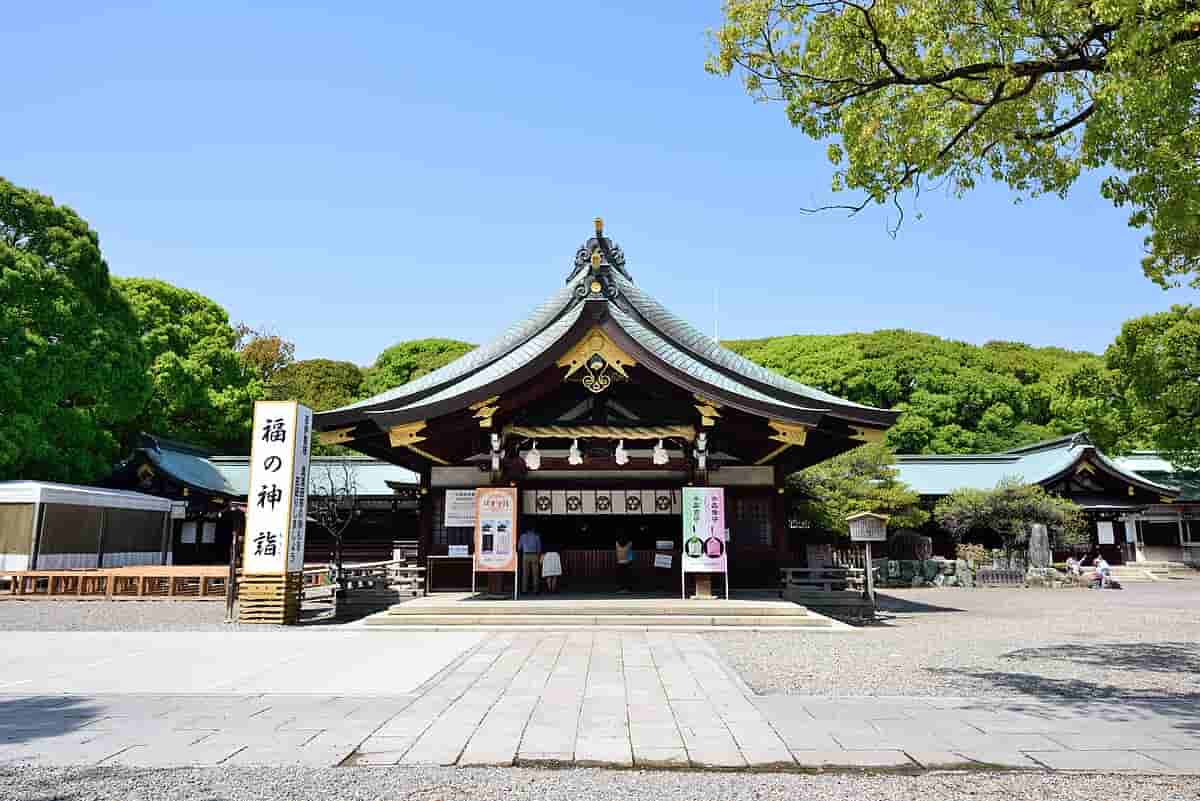
Masumida Shrine
An ancient Shinto shrine with beautiful architecture and seasonal festivals.
Kisogawa River Park
Riverside park ideal for walking, cycling, and cherry blossom viewing.
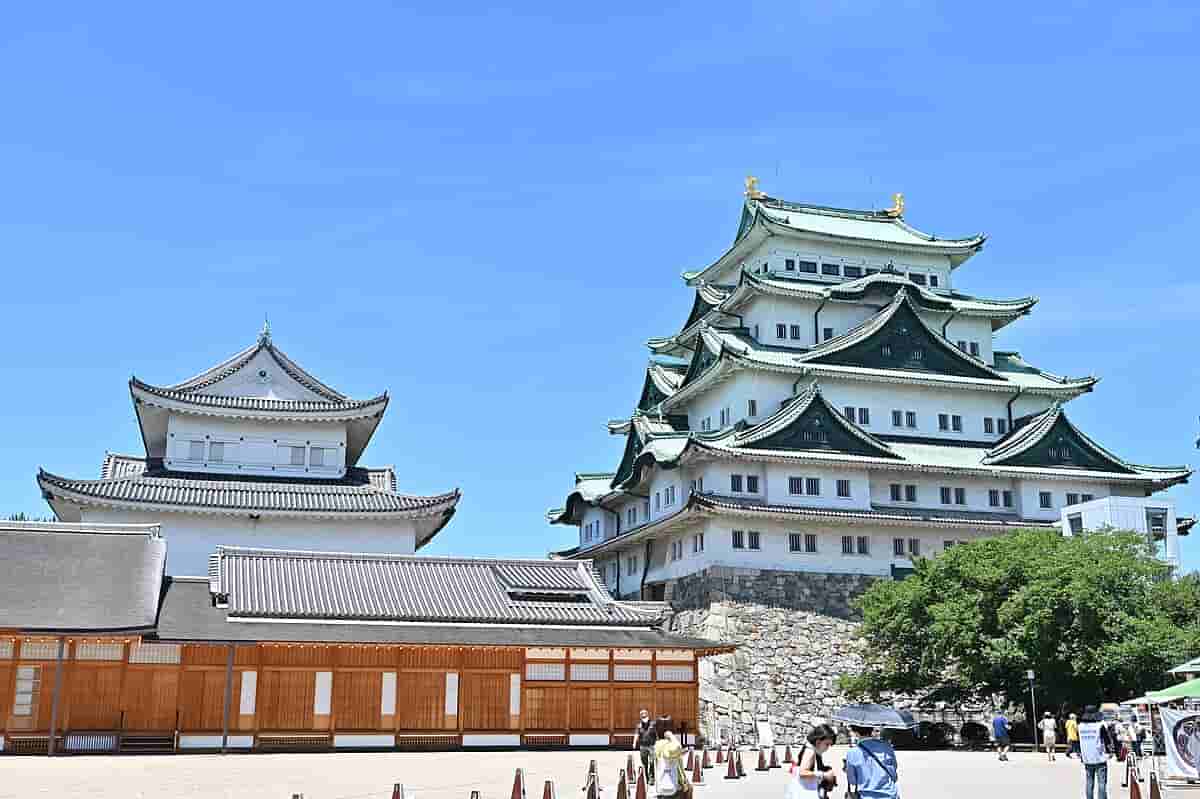
Nagoya Castle
A famous castle with a museum, hommaru palace, and beautiful grounds.
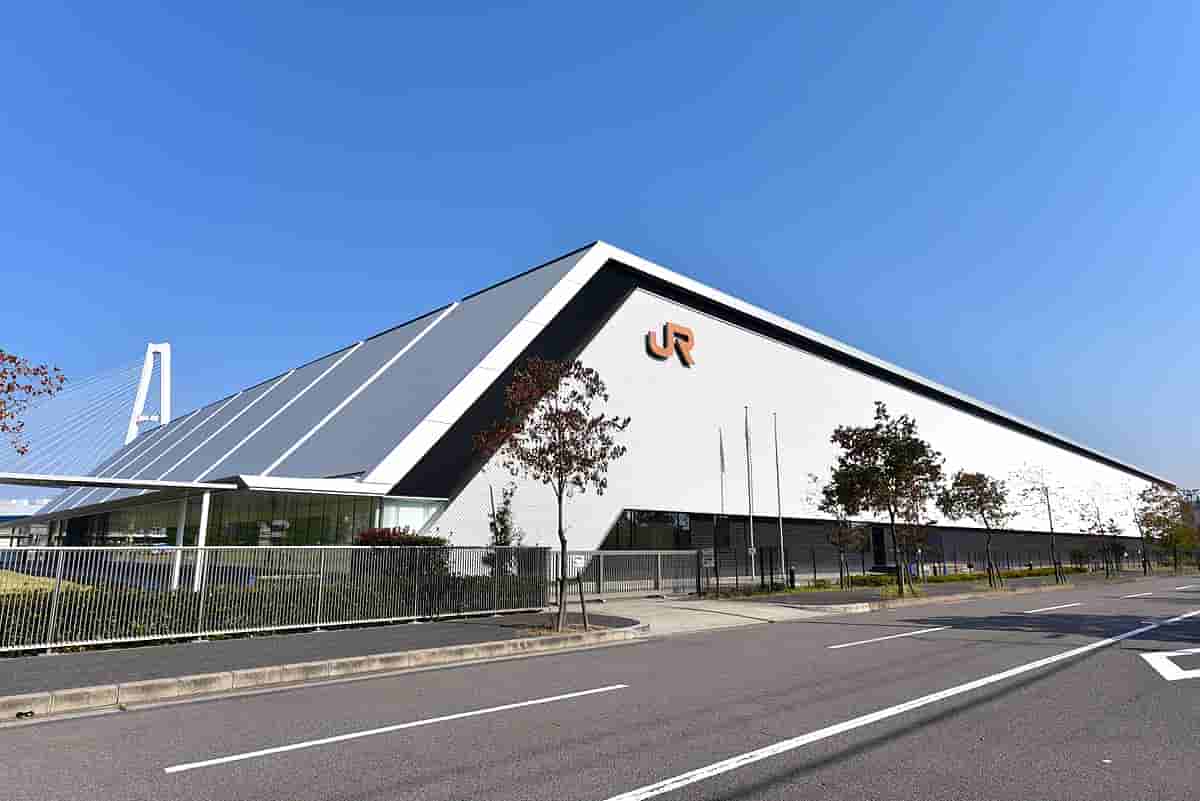
SCMaglev and Railway Park
A museum featuring Japan's railway history and trains.
Ichinomiya City Museum
Local museum showcasing the history and artifacts of the Ichinomiya area.
Kisogawa Riverside Park
Scenic park along the Kiso River
Ichinomiya Tanabata Festival Site
Famous for vibrant Tanabata decorations and cultural events.
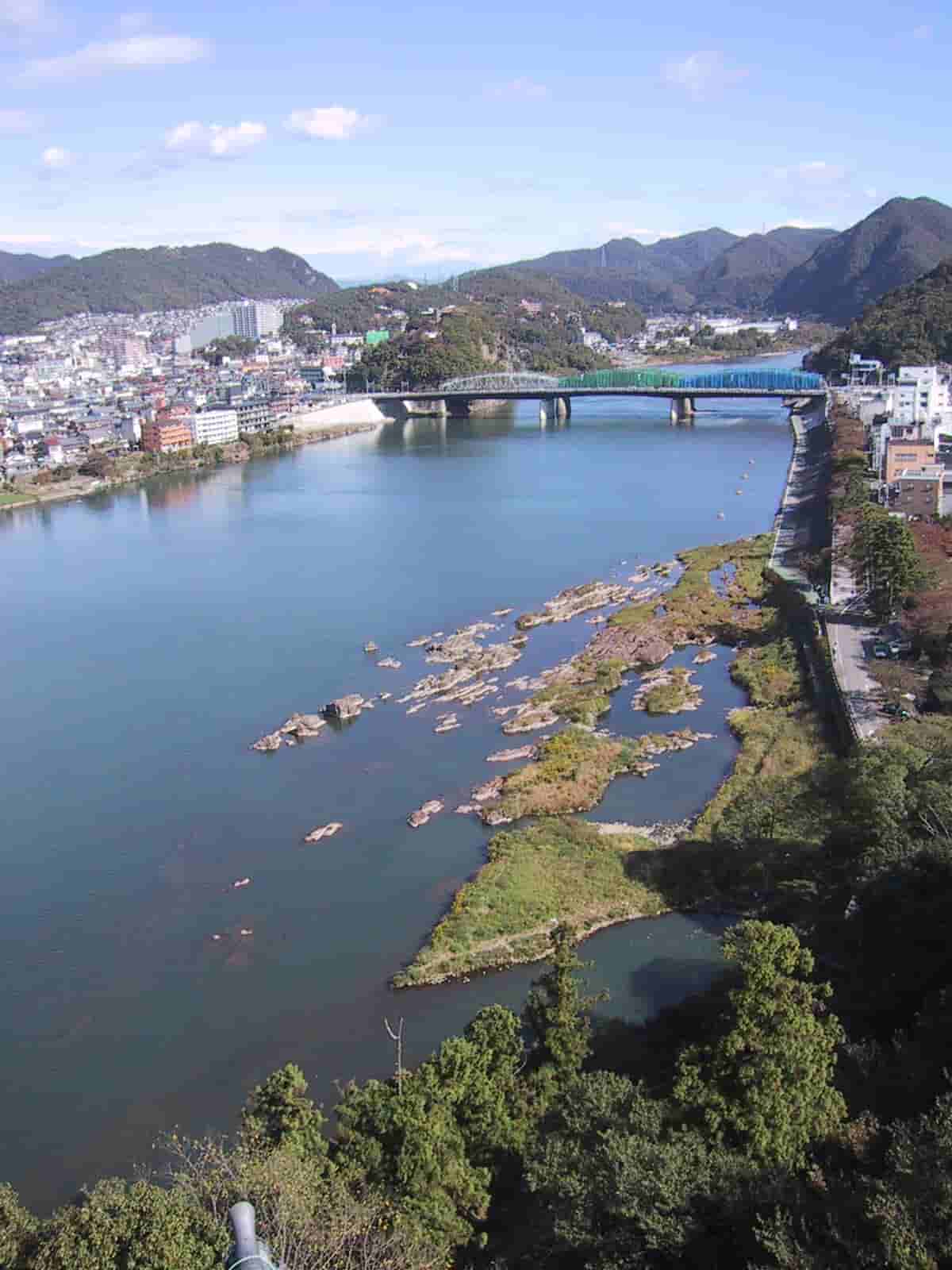
Kiso Three Rivers
Picturesque rivers ideal for hiking and nature walks.
🏘️ Neighborhoods
Ichinomiya Station Area
The bustling transportation and commercial hub. Packed with department stores, hotels, restaurants, and easy access to trains to Nagoya.
City Center (Chuo)
The main downtown district with government buildings, banks, and a dense concentration of shops and eateries. The commercial heart of the city.
Masumida Shrine Area
A historic and serene neighborhood centered around the ancient Masumida Shrine. Offers a peaceful atmosphere and traditional architecture.
Kisogawa Riverside
A scenic area along the Kiso River featuring expansive parks, walking/cycling paths, and sports facilities. Great for outdoor recreation.
Shin-Ichinomiya Area
A newer development area with modern residential complexes, shopping plazas, and a more suburban feel. Well-connected by train.
Komaki Airport Vicinity
The area near the domestic airport. Functional with some business hotels and logistics centers, convenient for quick stopovers.
🍽️ Local Cuisine
Ichinomiya's culinary scene is heavily influenced by Nagoya's famous 'Nagoya meshi' cuisine. Must-try dishes include hitsumabushi (grilled eel over rice, eaten in three ways), tebasaki (crispy, peppery chicken wings), and miso katsu (pork cutlet with a rich, red miso sauce). The city also has its own specialties, often utilizing local ingredients. Dining culture ranges from standing noodle bars and casual izakayas (Japanese pubs) to more formal restaurants. The area around Ichinomiya Station and the city center is dotted with numerous dining options. For a unique experience, visit a local 'kissaten' (traditional coffee shop). Price ranges are wide: a bowl of noodles can cost 600-1000 yen, a set lunch 800-1500 yen, and a full dinner at a nice restaurant 3000-5000 yen per person. Basic etiquette includes saying 'itadakimasu' before eating and 'gochisosama deshita' after, not sticking chopsticks upright in rice, and avoiding walking while eating.
💡 Local Tips
🚗 Day Trip Ideas
Nagoya
A vibrant metropolis with Nagoya Castle, the Toyota Commemorative Museum, Osu Shopping District, and fantastic food scene.
Inuyama
Home to Japan's oldest original castle, a charming old town, and the Meiji Mura open-air architectural museum.
Gifu City
Famous for cormorant fishing on the Nagara River (summer), Gifu Castle atop Mount Kinka, and historic streets.
Tokoname
A pottery town known for its Maneki-neko (lucky cat) displays, ceramic shopping, and scenic walking path along old kilns.
SCMaglev and Railway Park
A fantastic railway museum in Nagoya showcasing historic trains, shinkansen, and maglev technology. A must for train enthusiasts.
Kiyosu
Visit Kiyosu Castle, a reconstruction of Oda Nobunaga's base, and learn about the Sengoku period history of the region.
🛡️ Safety Tips
Ichinomiya is an exceptionally safe city with very low crime rates. Violent crime against tourists is extremely rare. Standard precautions are still advised: keep valuables secure, be mindful of your belongings in crowded areas like the station, and use hotel safes. Common scams are uncommon, but always use licensed taxis. Areas to be cautious are minimal; simply exercise normal awareness at night, especially in less-lit streets. For emergencies, dial 110 for police and 119 for fire or ambulance. Medical facilities are excellent, but travel insurance is recommended. Pharmacies ("yakkyoku") are widely available for minor needs. Tap water is safe to drink. The city is clean and pedestrian-friendly.
💰 Budget Guide
Ichinomiya is a moderately priced destination. A budget traveler can manage on 5,000-7,000 yen per day by staying in a business hotel or hostel (4,000-6,000 yen), eating at convenience stores or cheap noodle shops (1,500-2,500 yen), using public transport or walking (500-1,000 yen), and enjoying free attractions like parks and shrines. Mid-range travelers should budget 10,000-15,000 yen daily for a comfortable hotel (7,000-10,000 yen), meals at casual restaurants (3,000-5,000 yen), transport and some paid museum entries (1,500-2,500 yen). Luxury stays can exceed 20,000 yen per day for upscale hotels, fine dining, and private tours. Money-saving tips include purchasing a rail pass if exploring the region, eating set lunches (teishoku), using IC cards for transport discounts, visiting free public parks and gardens, and staying slightly away from the main station area.