Welcome to Icheon-si
Nestled in the heart of Gyeonggi Province, Icheon-si is a captivating South Korean city that masterfully blends ancient tradition with modern comfort. Often celebrated as the nation's 'City of Ceramics,' Icheon offers a serene escape from the relentless pace of Seoul, located just an hour's drive away. This city is a living museum, where the air in certain quarters is perfumed with the earthy scent of clay from centuries-old kilns, and the landscape is dotted with tranquil hot springs fed by deep mineral waters. Beyond its artisanal soul, Icheon is a vital agricultural hub, famously producing some of Korea's finest rice and, consequently, its most delectable rice cakes. For travelers seeking immersion in craft and calm, the city provides a well-rounded infrastructure, including a selection of 33 hotels catering to various preferences, ensuring a comfortable base from which to explore its unique charms. Whether you're here to shape pottery with your own hands, soak in therapeutic waters, or hike scenic trails, Icheon promises a deeply authentic and restorative Korean experience.
Overview
Icheon's history is intrinsically linked to fire and earth. For over five centuries, it has been a premier center for Korean ceramics, with techniques passed down through generations of master potters. This legacy is enshrined in its famed Icheon Ceramics Village, where workshops and galleries line the streets. The city's significance was further bolstered by its natural hot springs, discovered over 500 years ago, which have made it a beloved destination for wellness and relaxation. Culturally, Icheon is a guardian of intangible heritage, not just in pottery but also in traditional rice cake making, celebrated in its dedicated museum. The city is compact, with key districts centered around the ceramic villages, the hot spring resorts like Termeden, and the administrative and commercial downtown area. While it lacks the sprawling districts of a metropolis, its identity is clear: Icheon is famous for ceramic art, restorative hot springs, agricultural bounty (especially rice and strawberries), and its peaceful, mountainous backdrop featuring spots like Gangcheonsan Mountain and Seolbong Park.
🗓️ Best Time to Visit
The best times to visit Icheon are during the mild and colorful seasons of spring (April to June) and autumn (September to November). Spring brings comfortable temperatures, blooming flowers, and the vibrant Icheon Ceramic Festival, typically held in late April or May, which is the city's premier event. Autumn offers crisp air, stunning foliage on mountains like Gangcheonsan, and perfect weather for outdoor exploration. Summer (July-August) can be hot, humid, and rainy, though it's a good time to enjoy the water parks at the hot spring resorts. Winter (December-February) is cold and dry, ideal for soaking in the steamy hot springs and experiencing indoor attractions like the various ceramic museums. Peak tourist seasons coincide with the ceramic festival and autumn foliage, while weekdays outside these periods offer a more tranquil experience.
🌤️ Weather & Climate
Icheon experiences a temperate continental climate with four distinct seasons. Winters are cold and dry, while summers are hot, humid, and rainy due to the East Asian monsoon.
Seasons
Spring
💨 Humidity: moderate
Mild and pleasant with blooming flowers. Ideal for outdoor sightseeing and festivals.
Summer
💨 Humidity: high
Hot, humid, and rainy, especially in July. Good for indoor museums and water-based resort activities.
Autumn
💨 Humidity: moderate
Cool, crisp, and sunny with vibrant fall foliage. Perfect for hiking and outdoor exploration.
Winter
💨 Humidity: low
Cold and dry with occasional snow. Best for hot spring soaking and indoor cultural sites.
Monthly Weather Details
January Weather
Best for: hot springs, indoor museums
February Weather
Best for: hot springs, indoor museums
March Weather
Best for: early spring sightseeing
April Weather
Best for: festivals, outdoor activities
May Weather
Best for: festivals, hiking
June Weather
Best for: indoor attractions, resort stays
July Weather
Best for: indoor attractions, resort stays
August Weather
Best for: indoor attractions, resort stays
September Weather
Best for: hiking, outdoor activities
October Weather
Best for: foliage viewing, hiking
November Weather
Best for: sightseeing, cultural visits
December Weather
Best for: hot springs, holiday sights
🎒 What to Pack
All Year Round
- comfortable walking shoes
- power adapter
- reusable water bottle
🚗 Getting Around
Icheon is best navigated by a combination of buses, taxis, and walking. The city's public bus network connects major attractions, hotels, and the Icheon Intercity Bus Terminal. Buses are affordable, with fares typically around 1,300 KRW (approx. $1 USD) per ride, but routes and schedules can be challenging for non-Korean speakers. Taxis are plentiful, relatively inexpensive, and the most convenient way to reach specific ceramic workshops or hot spring resorts; always ensure the meter is running. Ride-sharing apps like Kakao T are widely used. For the central ceramic village areas, walking is pleasant and allows for serendipitous discoveries. Biking is less common for tourists due to the hilly terrain. Incheon International Airport is about a 90-minute drive away; the most direct transfer is via airport limousine bus or a pre-booked private taxi. Renting a car provides maximum flexibility for visiting scattered sites.
🎯 Top Attractions
Icheon Ceramics Village
Famous for traditional Korean pottery with workshops, galleries, and hands-on experiences.
Gangcheonsan Mountain
Mountain with hiking trails and temple sites
Icheon Hot Springs
Natural hot springs offering relaxation and therapeutic benefits.
Icheon Termeden
German-style spa and water park with thermal springs
Haegok Ceramic Museum
Museum showcasing traditional Korean ceramics and pottery art
Icheon World Ceramics City
Ceramic workshops and stores
Haegang Ceramic Museum
Museum showcasing historical and contemporary ceramic art.
Icheon Rice Cake Museum
Unique museum dedicated to Korean rice cakes and confectionery.
Seolbong Park
Local park with walking trails, a lake, and recreational facilities.
Gyeonggi-do Museum of Art
Modern art museum featuring exhibitions by local and international artists.
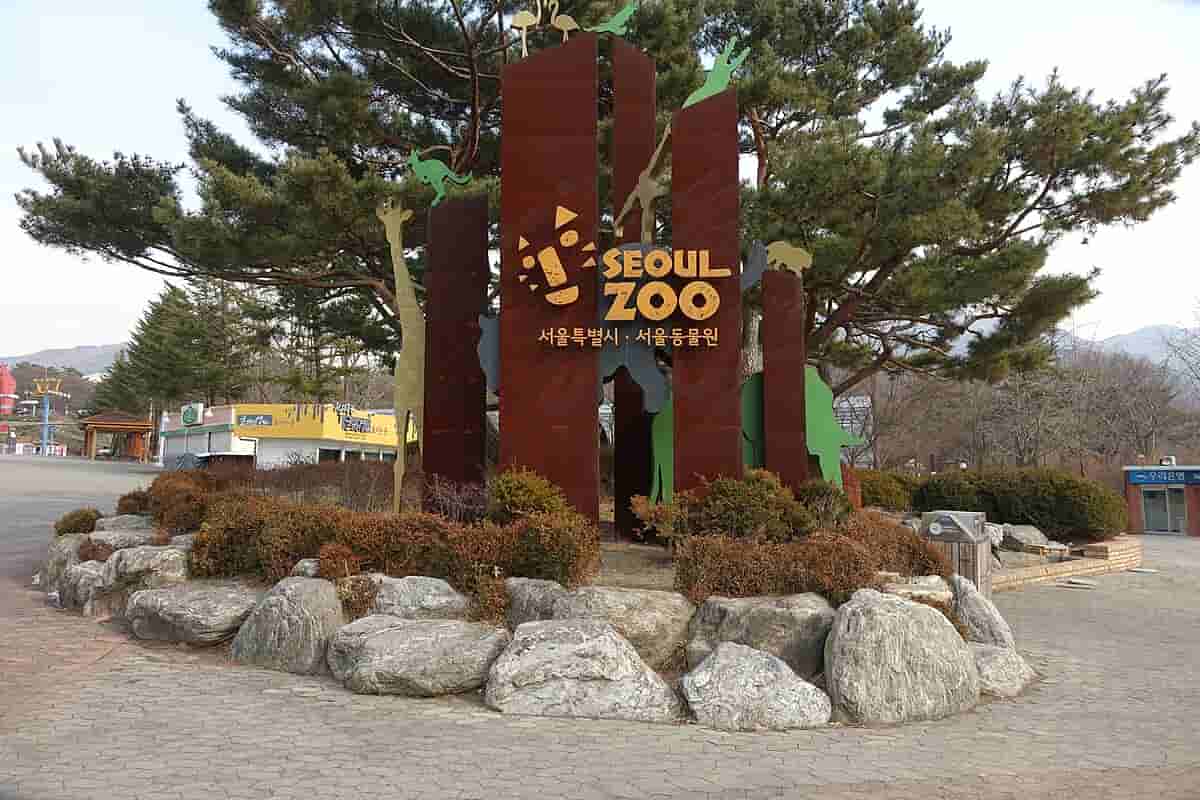
Seoul Grand Park
Large park with zoo, gardens, and art museum
Gyeonggi-do
Province with cultural sites and natural beauty
🏘️ Neighborhoods
Icheon Ceramics Village (Saeum-dong)
The historic heart of Icheon's pottery tradition, lined with working kilns, master workshops, galleries, and small museums. The air is often smoky from firing.
Termeden/Icheon Hot Springs Area
A resort district centered on the famous Termeden spa complex and other hot spring hotels. Focused on wellness, relaxation, and family-friendly water activities.
Icheon Downtown (Jungang-dong)
The commercial and transportation hub of the city. Features the main bus terminal, standard hotels, diverse restaurants, and everyday shopping.
Seolbong Park Area
A greener, quieter residential area anchored by the scenic Seolbong Park, offering walking trails, a lake, and the Gyeonggi-do Museum of Art.
Icheon World Ceramics City
A modern complex dedicated to ceramic art, featuring exhibition halls, a convention center, and upscale galleries. Hosts the major Ceramic Festival.
Haegok/Haegang Museum Area
A cultural enclave focused on ceramic history and education, home to several renowned museums in a more academic setting.
🍽️ Local Cuisine
Icheon's cuisine is a celebration of its agricultural riches. The undisputed must-try is 'Icheon ssalbap,' rice cooked in traditional iron pots known for its exceptional flavor and texture, often served with an array of banchan (side dishes). 'Icheon tteok' (rice cakes) are legendary, with the Icheon Rice Cake Museum offering tastings of varieties like 'injeolmi' (coated with bean powder). Given the city's hot spring culture, 'onggi-bap' (rice cooked in an earthenware pot) is another specialty. Local restaurants often feature dishes with fresh, locally grown ingredients, including succulent strawberries in season. For a unique experience, visit a 'hanjeongsik' (full-course Korean meal) restaurant. Dining is casual, and prices are reasonable: a hearty meal can range from 8,000 KRW ($6) for a bowl of noodles to 30,000 KRW ($22+) for a full-course meal. Major food areas are found downtown and around the hot spring resorts. Etiquette is standard Korean: use both hands when receiving or giving, and don't stick chopsticks upright in rice.
💡 Local Tips
🚗 Day Trip Ideas
Suwon
Visit the magnificent Hwaseong Fortress, a UNESCO World Heritage site, and explore its palace and vibrant market streets.
Yeoju
Another historic ceramic center and royal city, home to the Silleuksa Temple and the Tomb of King Sejong the Great.
Seoul
The dynamic capital is easily accessible for a contrast of ultra-modernity, palaces, shopping, and endless dining options.
Gwangju (Gyeonggi)
Explore the serene temples of Namhansanseong Provincial Park and the historic Namhansanseong Fortress.
Anseong
Known for its traditional Namsadang (vagabond clown) culture and the well-preserved Anseong Matchum (Mask) Museum.
🛡️ Safety Tips
Icheon is an exceptionally safe city with very low crime rates. Violent crime against tourists is rare. Standard precautions apply: keep valuables secure and be aware of your surroundings in crowded places. Scams are uncommon, but always confirm taxi fares or use the meter. When visiting hot spring resorts (jjimjilbang), follow posted etiquette and hygiene rules. The main safety considerations are traffic when walking and potential for minor slips on wet surfaces near ceramic workshops or hot springs. Emergency numbers are 112 for police and 119 for fire/medical. For health, tap water is generally safe but bottled water is widely available. No special vaccinations are required. Pharmacies ('yakguk') are common for minor ailments.
💰 Budget Guide
Icheon offers good value, though luxury hot spring resorts can elevate costs. A budget traveler can manage on 60,000-80,000 KRW ($45-$60) per day: stay in a hostel or budget motel (40,000 KRW), eat at local markets and casual restaurants, and use public buses. Mid-range travelers spending 120,000-200,000 KRW ($90-$150) per day can enjoy a standard hotel (around the 120,000 KRW average), nice restaurant meals, taxi trips, and entrance fees to museums and hot springs. A luxury budget of 300,000+ KRW ($220+) covers premium hot spring resort stays, fine dining, private tours, and spa treatments. Money-saving tips: visit free public parks and ceramic village streets, purchase a T-money card for bus discounts, enjoy affordable street food like tteok, and look for combination tickets for museum clusters. Many ceramic workshops are free to browse.